

Persian Rugs
Browse over 10,000 authentic Persian rugs — all hand-knotted in Iran and sourced directly from weavers across Tabriz, Kashan, Heriz, and beyond. Whether you're searching for a bold antique tribal piece or a refined silk Qum rug, our collection spans every


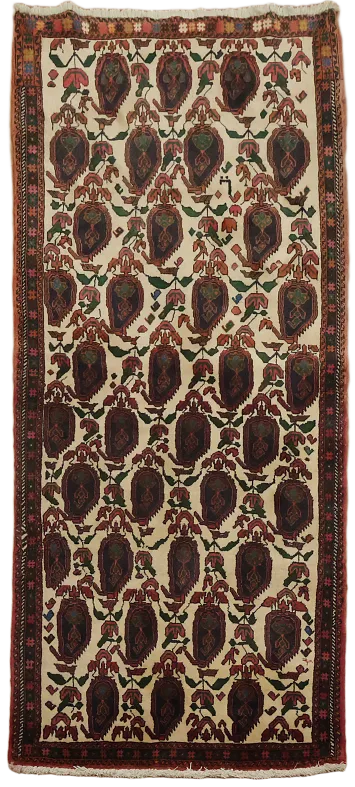
Size: 5' 8'' X 2' 7''
60% OFF
$ 973
$389
EXTRA 25% OFF AT CHECKOUT, Code: SUMMER25

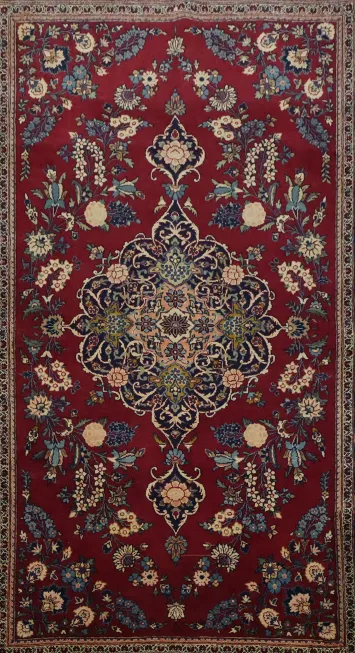
Size: 5' 8'' X 3' 1''
60% OFF
$ 2,497
$999
EXTRA 25% OFF AT CHECKOUT, Code: SUMMER25

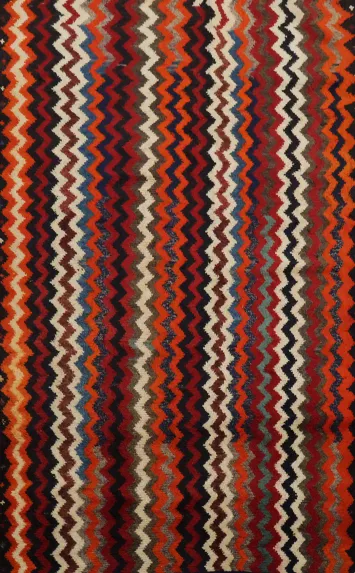
Size: 5' 6'' X 3' 5''
60% OFF
$ 1,997
$799
EXTRA 25% OFF AT CHECKOUT, Code: SUMMER25

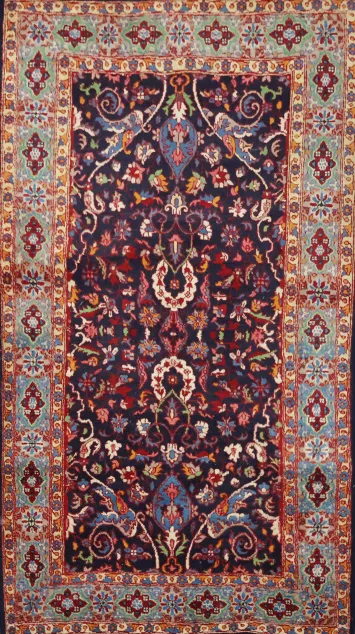
Size: 5' 6'' X 3' 1''
60% OFF
$ 2,247
$899
EXTRA 25% OFF AT CHECKOUT, Code: SUMMER25

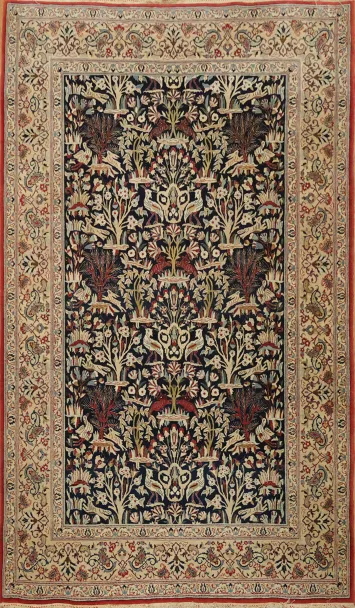
Size: 5' 10'' X 3' 5''
60% OFF
$ 7,497
$2,999
EXTRA 25% OFF AT CHECKOUT, Code: SUMMER25

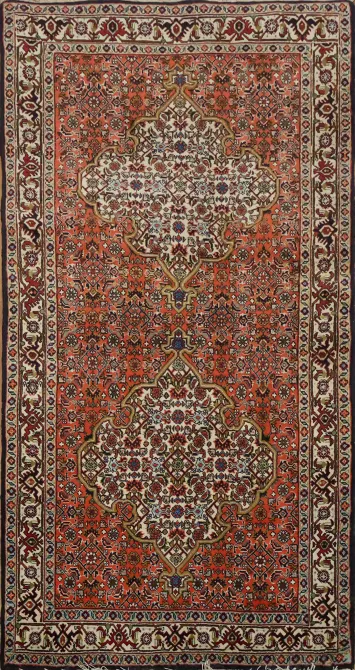
Size: 5' 6'' X 2' 11''
60% OFF
$ 2,497
$999
EXTRA 25% OFF AT CHECKOUT, Code: SUMMER25
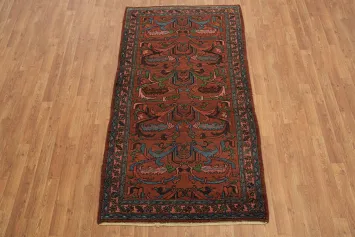
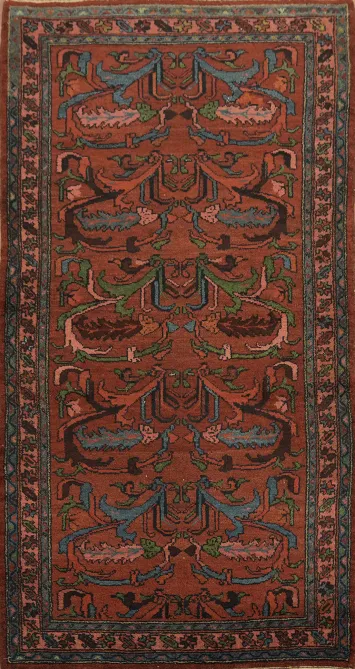
Size: 6' 5'' X 3' 5''
60% OFF
$ 3,747
$1,499
EXTRA 25% OFF AT CHECKOUT, Code: SUMMER25
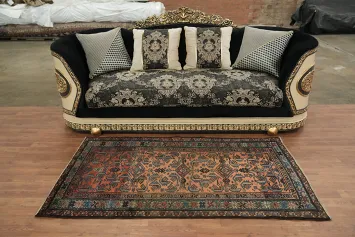
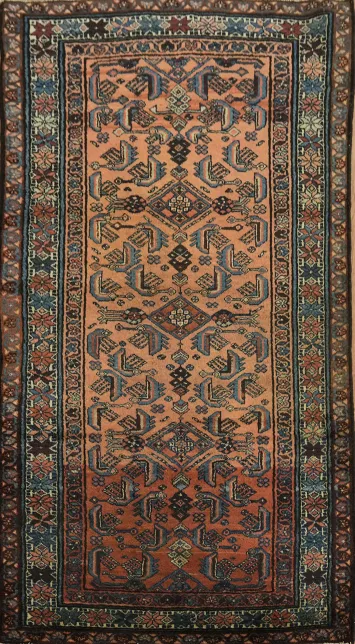
Size: 6' 1'' X 3' 4''
60% OFF
$ 2,748
$1,099
EXTRA 25% OFF AT CHECKOUT, Code: SUMMER25
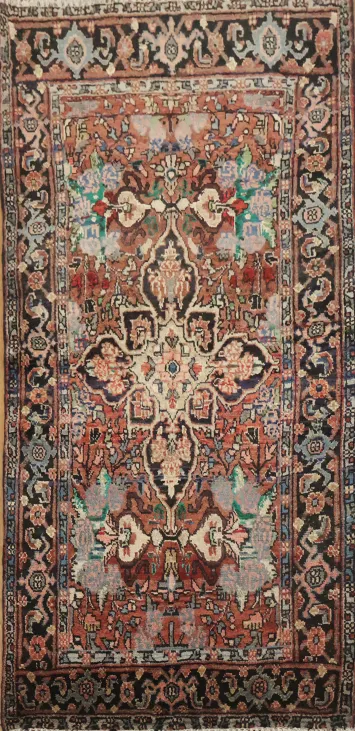
Size: 5' 8'' X 2' 9''
60% OFF
$ 1,997
$799
EXTRA 25% OFF AT CHECKOUT, Code: SUMMER25

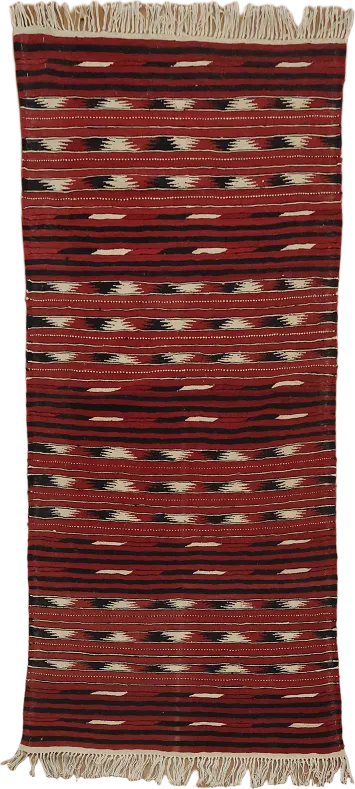
Size: 6' 3'' X 3' 2''
60% OFF
$ 748
$299
EXTRA 25% OFF AT CHECKOUT, Code: SUMMER25
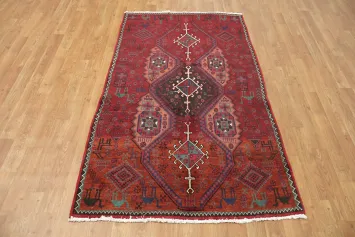
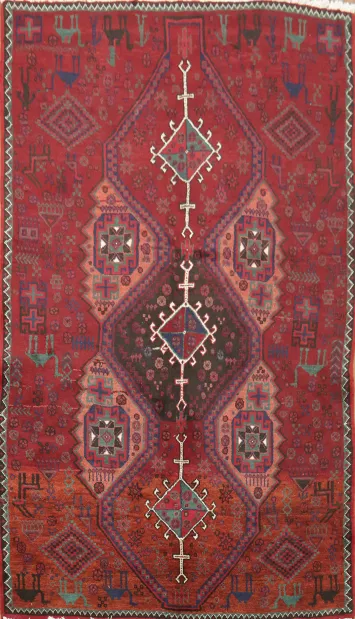
Size: 5' 10'' X 3' 4''
60% OFF
$ 2,497
$999
EXTRA 25% OFF AT CHECKOUT, Code: SUMMER25
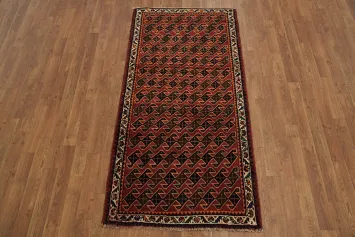
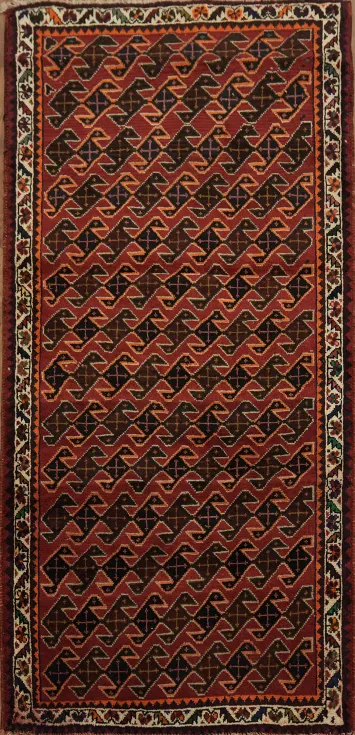
Size: 5' 10'' X 2' 10''
80% OFF
$ 1,993
$399
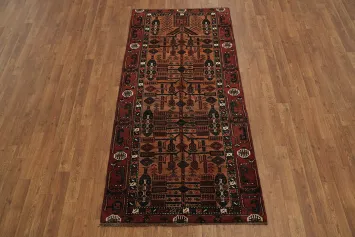
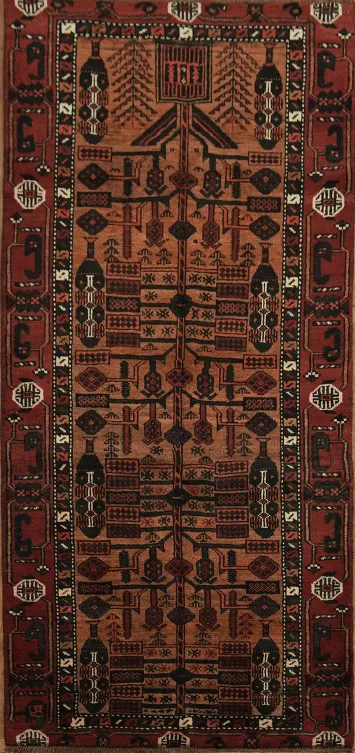
Size: 6' 4'' X 3' 0''
60% OFF
$ 1,247
$499
EXTRA 25% OFF AT CHECKOUT, Code: SUMMER25
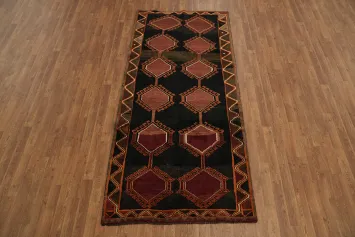
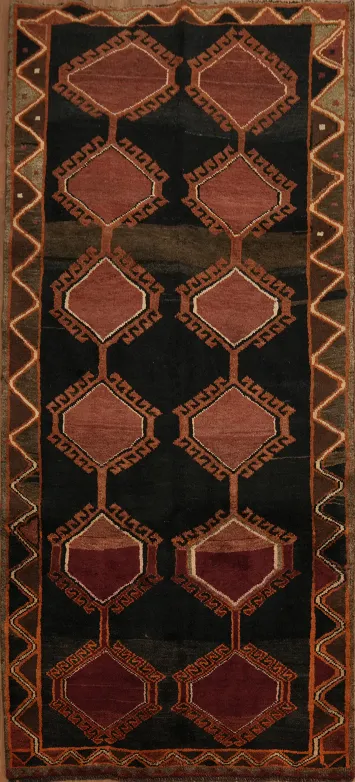
Size: 8' 3'' X 3' 9''
60% OFF
$ 1,997
$799
EXTRA 25% OFF AT CHECKOUT, Code: SUMMER25
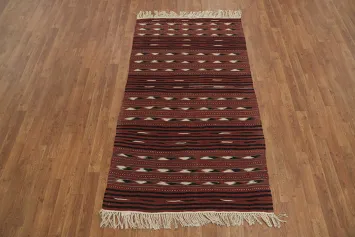
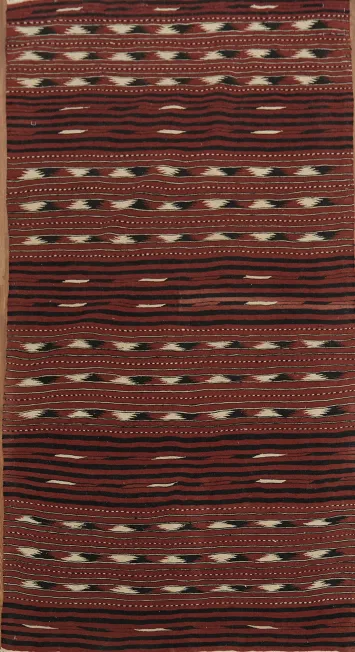
Size: 6' 3'' X 3' 5''
60% OFF
$ 748
$299
EXTRA 25% OFF AT CHECKOUT, Code: SUMMER25
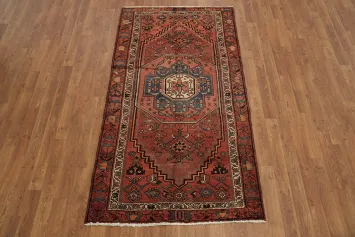
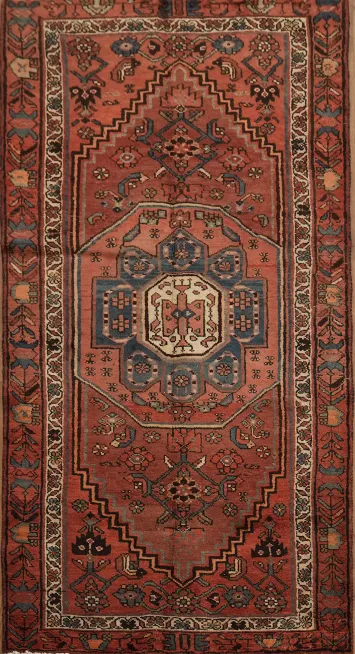
Size: 6' 2'' X 3' 4''
60% OFF
$ 1,997
$799
EXTRA 25% OFF AT CHECKOUT, Code: SUMMER25
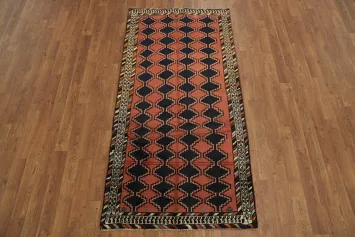
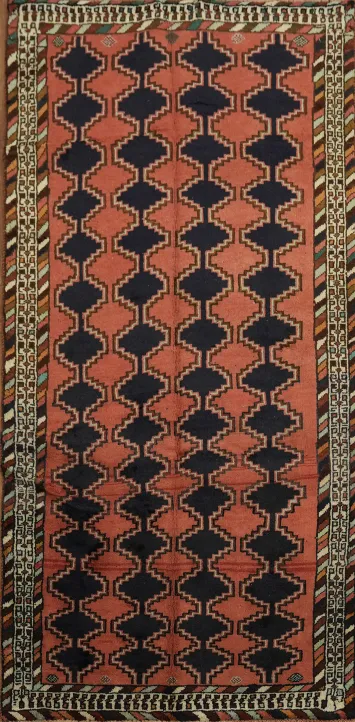
Size: 5' 9'' X 2' 10''
60% OFF
$ 1,830
$732
EXTRA 25% OFF AT CHECKOUT, Code: SUMMER25

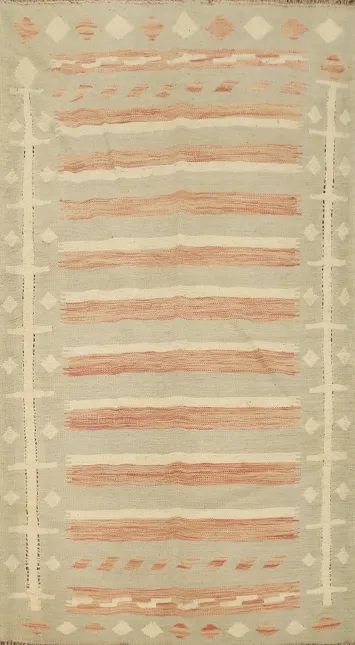
Size: 5' 10'' X 3' 2''
60% OFF
$ 748
$299
EXTRA 25% OFF AT CHECKOUT, Code: SUMMER25


Size: 6' 2'' X 3' 4''
60% OFF
$ 2,248
$899
EXTRA 25% OFF AT CHECKOUT, Code: SUMMER25

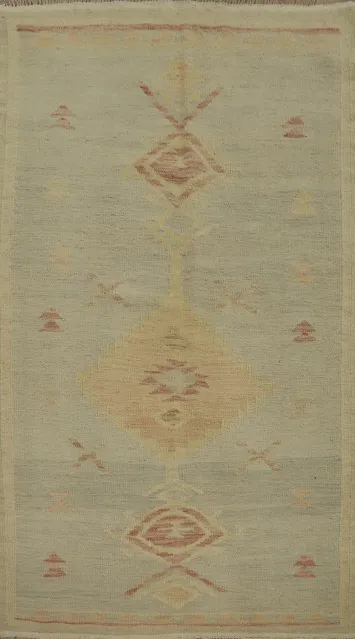
Size: 5' 6'' X 3' 2''
60% OFF
$ 998
$399
EXTRA 25% OFF AT CHECKOUT, Code: SUMMER25
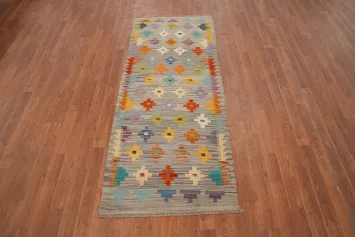
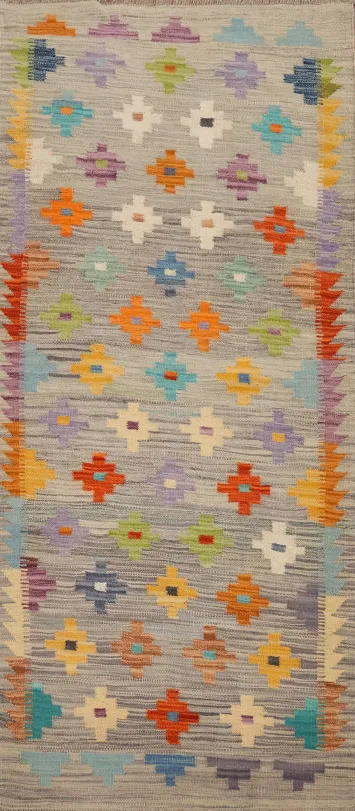
Size: 6' 4'' X 2' 7''
60% OFF
$ 498
$199
EXTRA 25% OFF AT CHECKOUT, Code: SUMMER25


Size: 6' 5'' X 3' 5''
60% OFF
$ 1,997
$799
EXTRA 25% OFF AT CHECKOUT, Code: SUMMER25
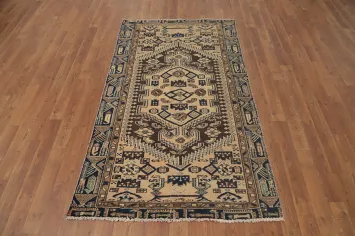
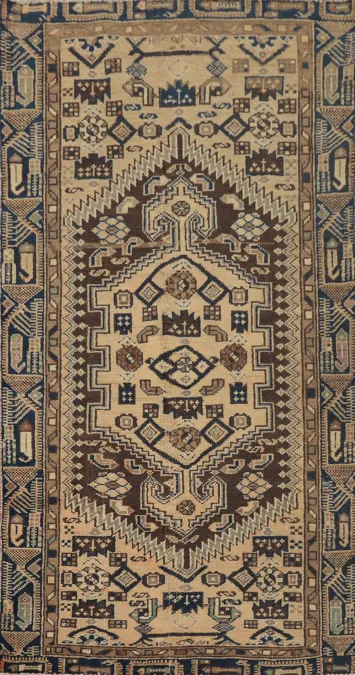
Size: 5' 6'' X 3' 2''
60% OFF
$ 1,748
$699
EXTRA 25% OFF AT CHECKOUT, Code: SUMMER25
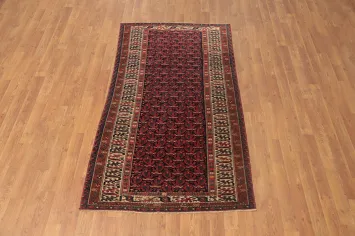

Size: 6' 2'' X 3' 3''
60% OFF
$ 3,313
$1,325
EXTRA 25% OFF AT CHECKOUT, Code: SUMMER25
What Makes Authentic Persian Rugs Worth the Investment
Why Rug Source’s collection of authentic Persian rugs continues to redefine home luxury
There are many reasons why Persian rugs have stood the test of time in the home décor world. For centuries, they’ve been so much more than luxury floor coverings—because they’re also cultural and artistic expressions that bring world-class craftsmanship and character into any residential space.
If you’ve found yourself drawn toward searching for Persian rugs online, you’re undoubtedly moving in the right direction. You’re choosing a category known for timeless beauty, unparalleled quality and long-term value—all of which are top priorities for any home décor investment.
Unlike the hordes of mass-produced alternative rug styles, authentic Persian rugs are comprised of hand-knotting techniques that have been passed down through generations of artisanal families. Each piece features its own intricate detailing, subtle variations, and unique levels of care that can never be replicated.
Instead of chasing trends that come and go, Persian rugs offer something much more lasting by providing homes with an aesthetic feeling that’s enduring, personal and truly one-of-a-kind!
What Makes Persian Rugs So Special?
- Handcrafted Quality That Lasts Decades: A lot of people gravitate toward Persian rugs for their longevity, and it’s true that these rugs can be long-term investments that accrue in value with proper care. This is why Persian rugs often become family heirlooms.
- Intricate & Meaningful Designs: Persian rugs are known for their artistic depth and rich symbolism, and you’ll quickly see how every design element is intentional and a reflection of cultural influences. These intricate details elevate and add a sense of sophistication for any room.
- Rich Textures & Natural Materials: Persian rugs are crafted from top-quality wool, silk and natural fiber blends. This gives them a luxurious underfoot feel that gracefully ages and slowly but surely develops a soft patina.
Persian Rugs Are Perfect For Both Modern & Classic Home Styles
Although Persian rugs are sometimes associated with traditional interior designs, the truth is that they’ve recently become a fan favorite among modern homeowners as well.
Professional designers often utilize this rug style to add contrast and warmth into even the most minimalist of spaces, so there’s a Persian rug in our collection that’ll seamlessly fit into your vision regardless of your home’s style.
Persian rugs have this striking ability to pull everything together, which means they can be placed in bedrooms, living rooms, offices, dining areas, bathrooms and foyers—all while instantly making these household spaces feel more complete.
Ready To Find The Perfect Persian Rug? Bring Home A Piece Of History With The Help Of The Rug Source Experts!
You’re not just decorating when you’re choosing a new Persian rug, because you’re on the hunt for a unique piece of history that you’ll bring into your home.
This type of décor decision is a direct reflection of your thoughtful taste, as well as a bona fide appreciation for genuine craftsmanship that stretches far beyond the big-box ordinary.
Rug Source is one of the leading online vendors for Persian rugs, mainly because we’ve dedicated countless hours toward developing partnerships around the world that have given us the ability to provide unique pieces that speak to your style.
You’re a lot closer than you think to finding the perfect area rug to transform your home’s space, and always feel free to reach out to us online or give us a call at 980-422-4080 to get in touch with our industry specialists and let us know how we can help make your décor dreams come to fruition!
Authentic Persian rugs are hand-knotted in Iran, and there are three quick checks you can perform yourself. First, flip the rug over — a real Persian rug shows the design clearly on the back, with slightly irregular hand-tied knots rather than the uniform grid of a machine-made rug. Second, look at the fringe; on an authentic piece, the fringe is an extension of the warp threads running through the rug, not sewn or glued on. Third, examine the materials — genuine Persian rugs are made from wool, silk, or a wool-and-silk blend on a cotton or silk foundation, never synthetic fibers. If you're investing in a high-value piece, ask the seller for documentation of origin and weaving region.
All Persian rugs are Oriental rugs, but not all Oriental rugs are Persian. "Oriental rug" is a broad category that covers hand-knotted rugs from across Asia — including Turkey, India, China, Pakistan, Afghanistan, and the Caucasus. "Persian rug" specifically refers to rugs hand-knotted in Iran (historically called Persia). Persian rugs are generally considered the most refined within the Oriental category, with distinctive regional styles like Tabriz, Kashan, and Isfahan that have been perfected over more than two millennia.
Authentic Persian rugs range from a few hundred dollars for smaller tribal pieces to tens of thousands of dollars for fine antique Isfahan or silk Qum rugs. Price depends on size, knot density (KPSI), age, materials, condition, and weaving region. As a general guideline, expect to spend $500–$2,000 for a quality new wool Persian rug in a 5x8 size, and $2,000–$8,000 for a comparable antique or finely knotted piece. Rugs woven with silk or featuring exceptionally high knot counts command significantly higher prices.
A well-made Persian rug can last 100 years or more with proper care, which is why many become family heirlooms passed down through generations. The hand-knotted construction is remarkably durable — antique Persian rugs from the 1800s are still in use in homes and museums today. Longevity depends on traffic level, the quality of the original weave, and ongoing maintenance like rotation, professional cleaning every 3–5 years, and a quality rug pad underneath.
The most valuable Persian rugs are generally antique pieces from the 16th and 17th centuries (the Safavid era), particularly Isfahan, Kashan, and Tabriz rugs woven with silk or featuring exceptionally fine knot density. In the current market, antique Heriz Serapi, signed Tabriz pieces (such as Haj Jalili), and Mohtasham Kashan rugs command the highest prices. For new production, fine Isfahan and pure-silk Qum rugs are the most prestigious. The record-setting Persian rug at auction was a 17th-century Kerman vase carpet that sold for $33.7 million in 2013.
Quality Persian rugs are one of the few home furnishings that can hold or appreciate in value over time. Antique pieces in good condition, rugs from prestigious weaving centers, and rugs with rare designs or vegetable dyes tend to appreciate the most. That said, Persian rugs should be appreciated first as functional art — buy a piece you genuinely love living with, and let any appreciation in value be a bonus. Avoid buying purely speculatively unless you're working with a specialist appraiser.
For a living room, choose a rug large enough that the front legs of your sofa and accent chairs rest on it — typically an 8x10 or 9x12 for most rooms. For a dining room, the rug should extend at least 24 inches beyond the table on all sides so chairs stay on the rug when pulled out. Bedrooms work well with a large rug under the bed (extending 18–24 inches on each side), or smaller runners on either side. When in doubt, size up — a too-small rug makes a room feel disconnected.
Vacuum your Persian rug regularly with the beater bar turned off, rotate it 180 degrees once or twice a year to even out wear and sun exposure, and use a quality rug pad to prevent slipping and reduce friction on the foundation. Address spills immediately by blotting (never rubbing) with a clean white cloth. Schedule a professional hand-washing by a rug specialist every 3–5 years — never put a Persian rug in a steam cleaner or have it cleaned by a general carpet service, as harsh chemicals and machine agitation can damage the wool and dyes.
Absolutely — Persian rugs have become a go-to choice for modern and minimalist interiors. Designers frequently pair vintage or distressed Persian pieces with clean-lined contemporary furniture for a layered, collected look. Overdyed and faded antique rugs read especially modern, while bold geometric Heriz or Gabbeh rugs add warmth and visual interest to minimalist spaces. The contrast between handcrafted texture and modern simplicity is one of the most enduring trends in current interior design.
Hand-knotting is what gives a Persian rug its character, durability, and value. Each knot is tied individually by a skilled weaver, allowing for the intricate designs, subtle color variations, and structural integrity that machines simply can't replicate. A single 9x12 Persian rug can contain over a million hand-tied knots and take 12 months or more to complete. This labor-intensive process is why authentic Persian rugs last for generations while machine-made imitations typically wear out in a few years.
Every Persian rug in our collection is hand-knotted in Iran and sourced through long-standing relationships with weavers, workshops, and importers built over decades. We hand-select each piece for quality, authenticity, and condition before adding it to our inventory. Our Charlotte, NC showroom houses thousands of rugs, and our entire collection of 10,000+ pieces is available online with free shipping and a 30-day risk-free trial.
Kilim Rugs | A Distinctive Style For Homes With Character
Why kilim rugs speak to personal tastes in ways that few styles truly can!
There’s something deeply personal about prioritizing kilim rugs while searching for your home’s new flooring designs.
Kilim rugs are very different from other rug styles that tend to quietly blend into a room’s background, because they’re capable of making décor statements that don’t demand attention. This style comes off more collected than manufactured, and every kilim is full of texture, movement and personality.
For many homeowners, decorating with kilim rugs strays far away from chasing any fleeting internet trends—because it’s instead all about finding something that genuinely makes a connection. Known for their striking geometric patterns and flatwoven constructions, kilim rugs offer an effortlessly lived-in feel and visual energy that can warm up any modern room.
If you’re currently drawn to our vast collection of top-quality kilim rugs, there’s a high likelihood that you’re already looking to stray away from the ordinary—and this is precisely what makes this style so special!
Kilim Rugs Offer A Style That Has Personality Woven Into Every Detail
Kilim rugs have long been admired throughout the entire rug industry for their distinctive appearances, and this has a lot to do with their flatwoven construction that develops a more relaxed, lighter feel in comparison to thicker pile rugs.
And when you combine this unique, airy construction with layered colors and bold motifs, rug owners are left with an unparalleled artistic, collected quality that’s very memorable.
Many of our shoppers gravitate toward vintage kilims with rich colors, whereas many others prefer soft neutrals and understated patterns. Regardless of what space you’re looking to design in your home, we have the kilim rugs that’ll reflect your personality and décor expressions.
Why Kilim Rugs Appeal To Those Who Strive To Be Different
Kilim rugs also represent something much deeper than décor for many rug shoppers. This style often appeals to homeowners who want their rooms to feel carefully curated, as opposed to simply copied from a popular catalog.
Many people who choose kilims have homes with stories, texture, and a true sense of individuality.
This is largely because kilim rugs don’t strive toward perfection. Instead, they embrace character through subtle pattern variations, layered colors, and a handcrafted texture that all adds together to help create refreshingly personal interiors that stray far away from the world of fast furniture.
Kilims Are Surprisingly Versatile In Today’s Modern Homes
Another big reason why kilim rugs resonate so well with today’s homeowners is because they offer an incredible versatility in both traditional and contemporary spaces.
Colorful kilims can bring extra energy to neutral living rooms, whereas more muted designs pair beautifully within more minimalist interiors. Because kilim rugs typically lean toward approachability and relaxation, they’re often particularly loved in gathering spaces like offices, living rooms, dining rooms, bedrooms and entryways.
This style brings the type of texture that every rug owner loves, without the heaviness and overly formal aesthetics!
Rug Source Is Here To Help You Find A Kilim Rug That Feels Like Home
The best rug purchases usually transcend the basic concept of matching existing décor, because they instead happen because certain pieces simply feel right.
Here at Rug Source, our team of renowned industry experts believes that your next kilim rug should feel like a part of your life’s story. Whether your personal style leans calmer and more understated or colorful and collected, we know that the right kilim will have its own unique way of making your space feel a lot more customized.
Reach out to our experts online or give us a call at 980-422-4080 to ask us any questions and get professional help as you discover the next area rug that not only reflects your home, but also your sense of character, style and individuality!
Kilim rugs are handwoven flat-weave area rugs known for their bold geometric patterns, rich color palettes, and pile-less construction. Unlike thicker knotted rugs, kilim rugs are produced using a tightly interwoven warp-and-weft technique that creates a lightweight, reversible textile with crisp design lines. The style originates from regions including Turkey, Iran, Afghanistan, and the Caucasus, and each kilim rug carries cultural symbolism, tribal motifs, and the unmistakable character of true handcraftsmanship.
The biggest difference is construction. Traditional area rugs typically have a knotted pile that creates a soft, plush surface, while kilim rugs are flatwoven with no pile at all. This makes kilim rugs thinner, lighter, fully reversible, and easier to move or layer. Kilims also tend to feature more graphic, geometric designs compared to the curved florals often seen in pile rugs, giving them a more artistic, collected appearance that complements both modern and traditional interiors.
Yes—kilim rugs are surprisingly durable, which is exactly why they've been used in homes for centuries. Their tight flatwoven structure resists crushing and matting far better than pile rugs, making them well-suited for entryways, hallways, living rooms, and dining areas. Because they have no pile to flatten, kilim rugs often look as good after years of use as they did on day one, which is part of what makes them such a beloved long-term investment.
Caring for a kilim rug is straightforward. Vacuum both sides regularly on a low-suction setting (avoid beater bars and never vacuum the fringe), rotate the rug periodically for even wear, and shake it out occasionally to release trapped dust. For spills, blot immediately with a clean towel rather than rubbing. For deeper cleaning or stubborn stains, we recommend a professional rug cleaner with experience in handwoven flatweaves to protect the natural dyes and fibers.
Authentic kilim rugs are handwoven on traditional looms, typically using wool, cotton, or a blend of natural fibers. The slight irregularities in pattern, the subtle color variation known as "abrash," and the fully reversible design are all signs of genuine handcraftsmanship. At Rug Source, our kilim rugs are sourced with this authenticity in mind, so every piece in our collection reflects real artisan work rather than mass-produced imitation.
Kilim rugs are remarkably versatile and look stunning in nearly every room. Colorful, pattern-rich kilims add energy to living rooms, dens, and entryways, while softer, neutral kilim rugs work beautifully in bedrooms, dining rooms, and home offices. They also layer beautifully over larger neutral rugs or natural-fiber rugs to add a focal point. Because they're lightweight and reversible, kilim rugs are easy to reposition as your décor evolves.
