4×6 Rugs: Small in Size, Big in Impact

When people think about area rugs, larger sizes like 8×10 or 9×12 often get the most attention. But in well-designed homes, smaller rugs play an equally important role. 4×6 rugs are one of the most versatile sizes available, offering flexibility, function, and style in spaces where larger rugs simply don’t make sense.
At Rug Source, we regularly help customers determine when a 4×6 rug is the right choice and how to use it correctly. This guide explains where 4×6 rugs work best, how to place them, and what to look for when choosing one that will perform well over time.
What Makes 4×6 Rugs So Useful?
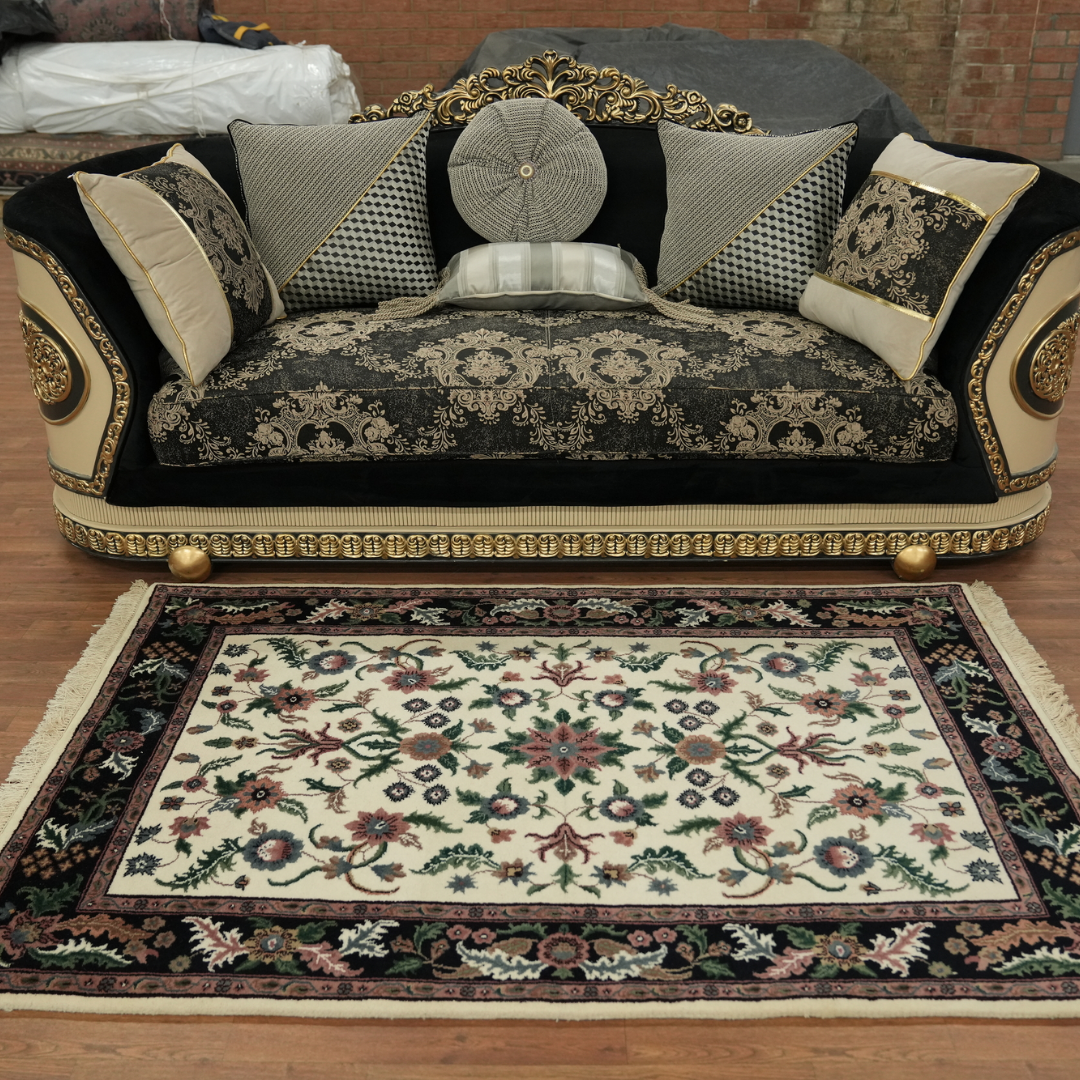
A 4×6 rug is considered a small area rug, designed to define a specific zone rather than anchor an entire room. Its compact size makes it easy to place, reposition, or layer, which is why it’s often used in transitional or secondary spaces.
Key benefits of 4×6 rugs include:
- Ideal proportions for compact areas
- Easy integration into existing layouts
- Strong visual impact without overwhelming a space
- Lower commitment when experimenting with color or pattern
Because of their scale, 4×6 rugs are often used as accents, but when chosen thoughtfully, they can elevate the entire room.
Best Places to Use 4×6 Rugs

Entryways and Foyers
One of the most common uses for 4×6 rugs is in entryways. This size fits neatly inside front doors, providing a welcoming visual and helping protect floors from dirt and wear.
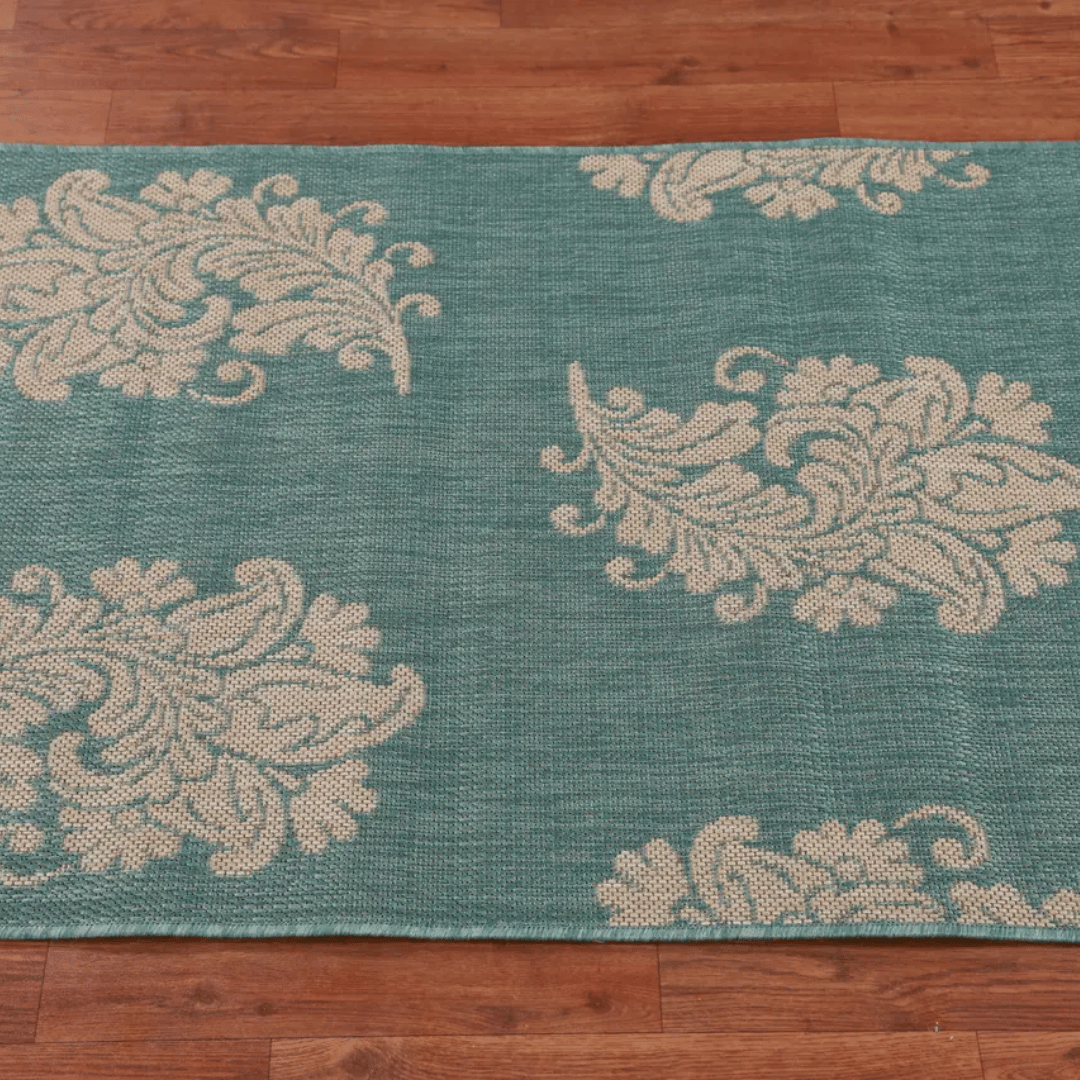
Durable materials and patterned designs are especially practical here, and Rug Source often recommends wool or flatwoven rugs for this purpose.
Bedrooms
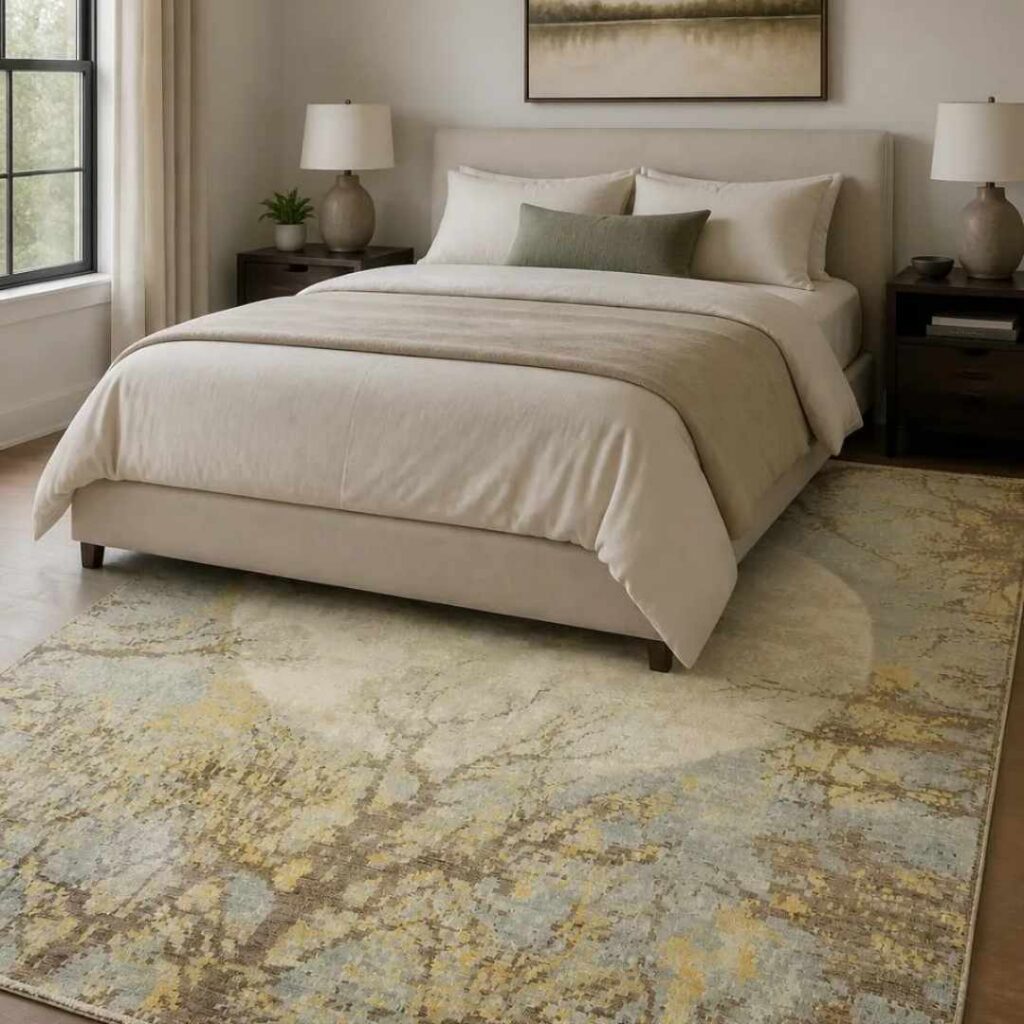
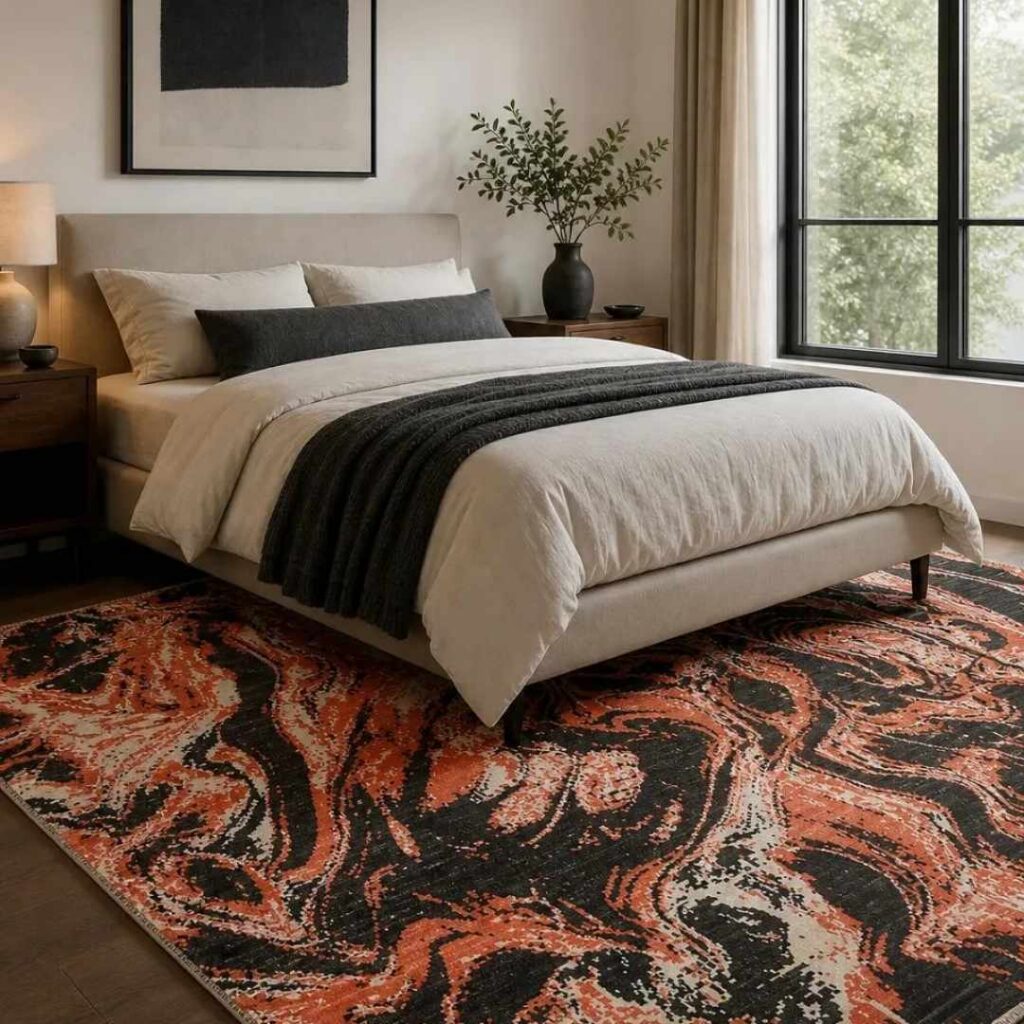
In bedrooms, 4×6 rugs are typically placed beside the bed or at the foot. This adds warmth underfoot while maintaining a clean, uncluttered look, especially in smaller bedrooms.
Using two matching 4×6 rugs on either side of the bed is another popular approach, particularly when a larger rug would crowd the space.
Living Rooms and Sitting Areas
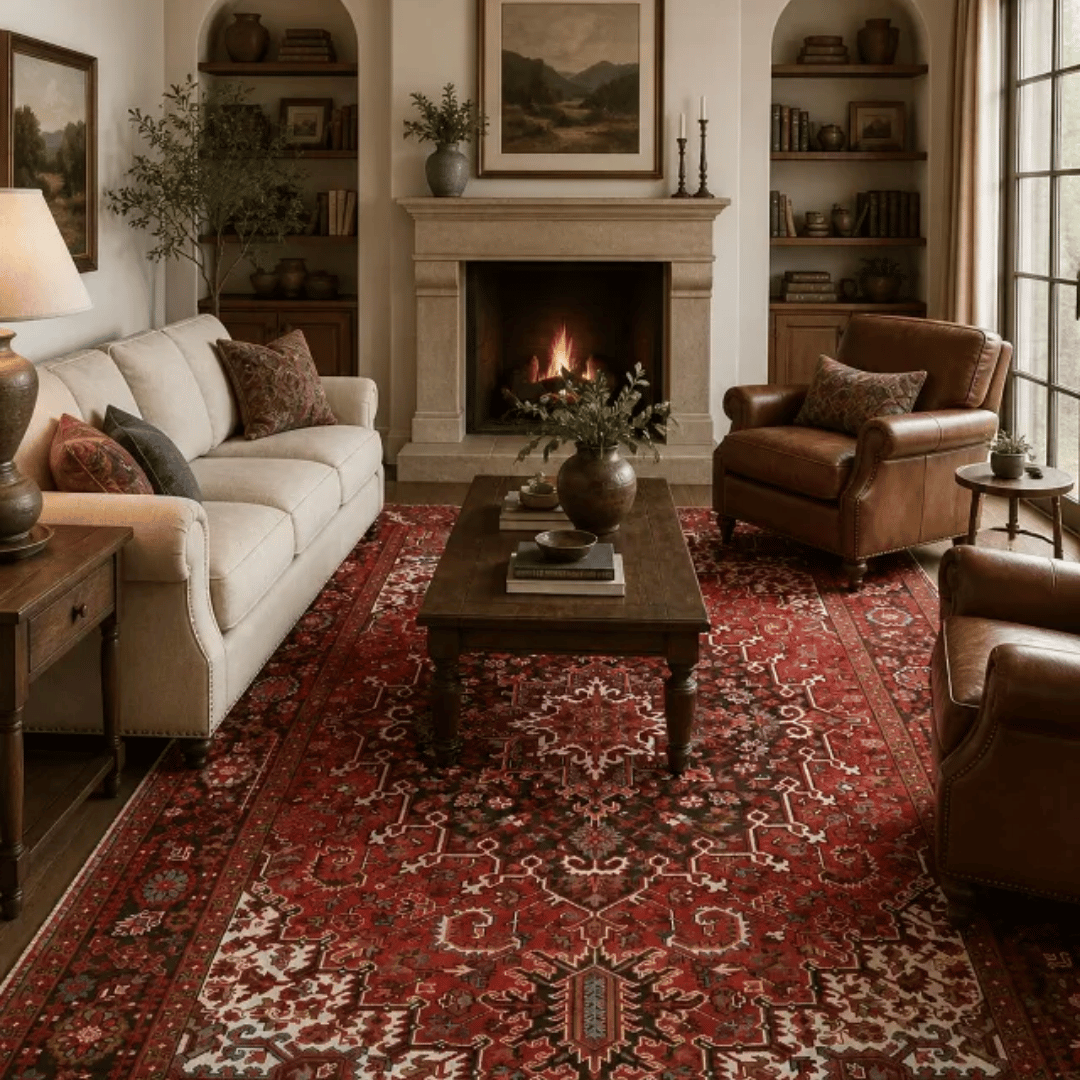
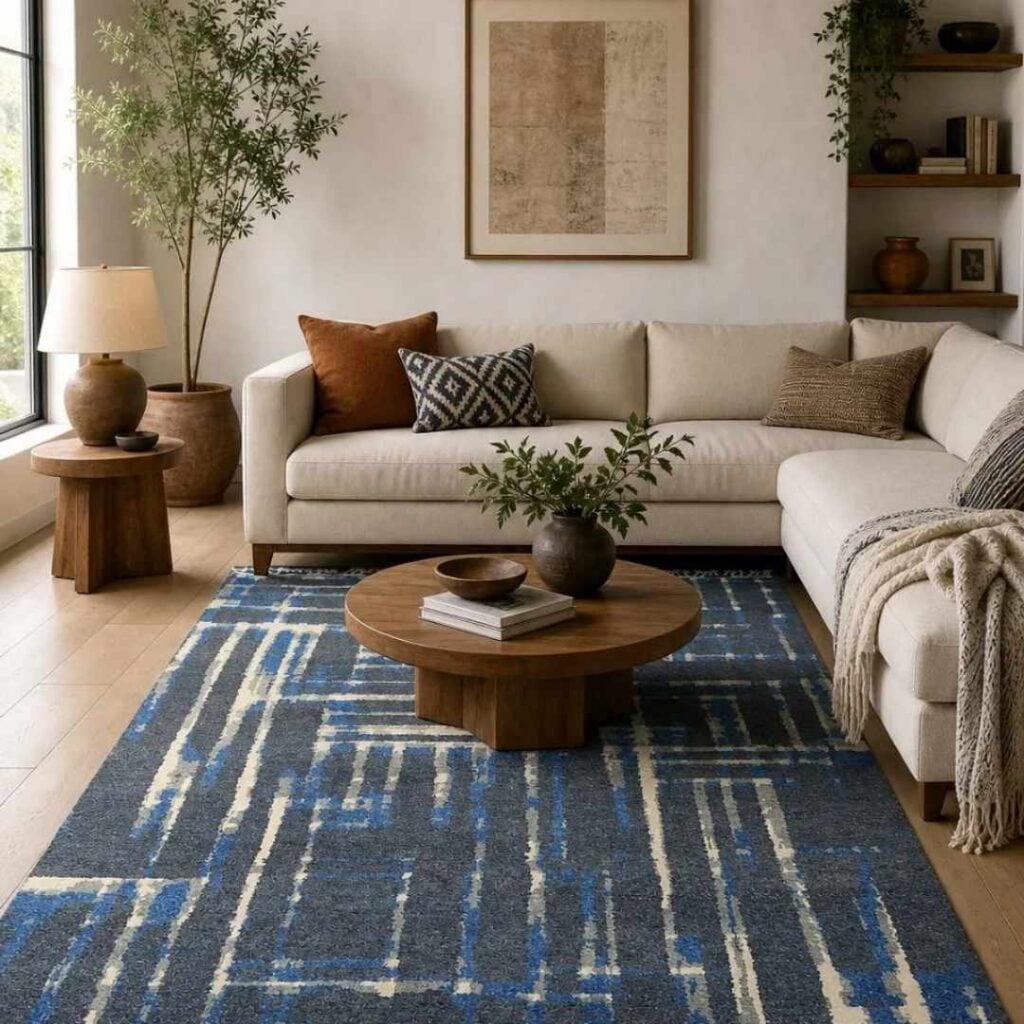
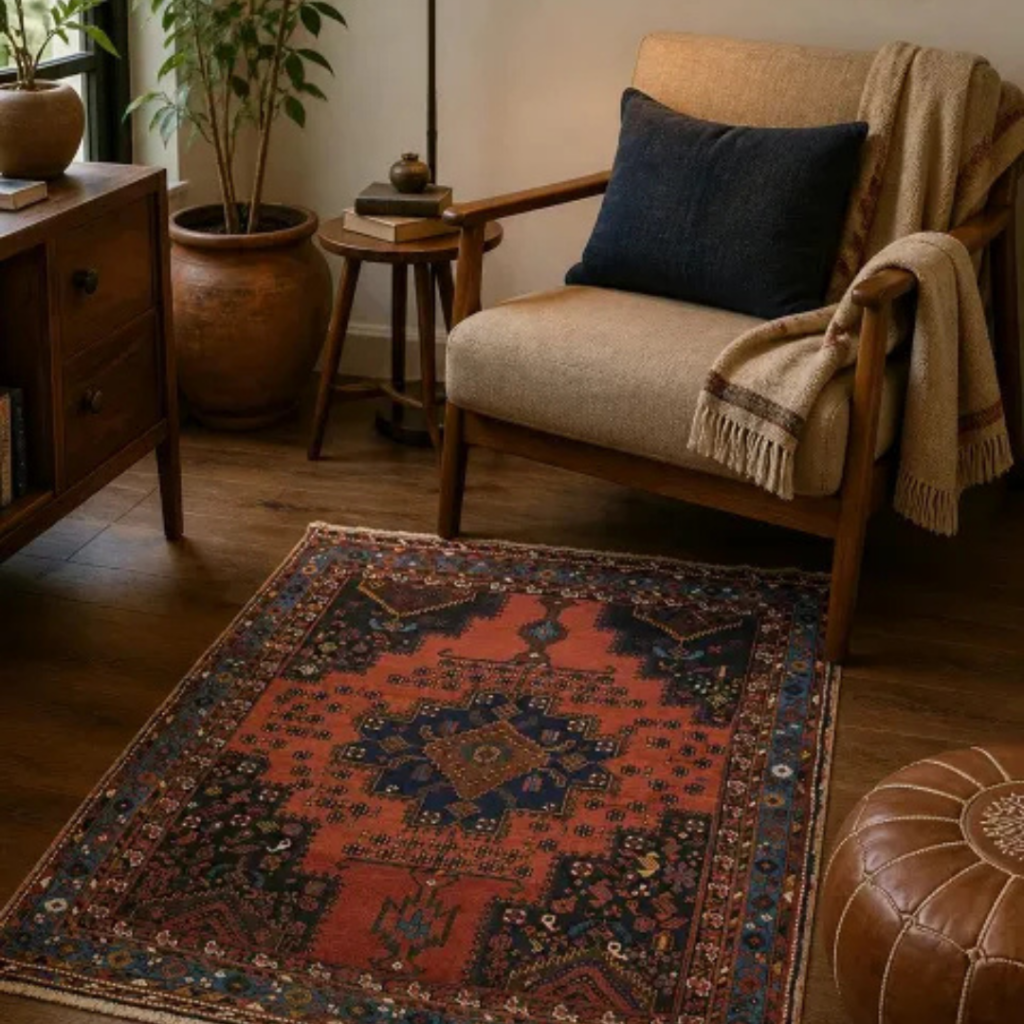
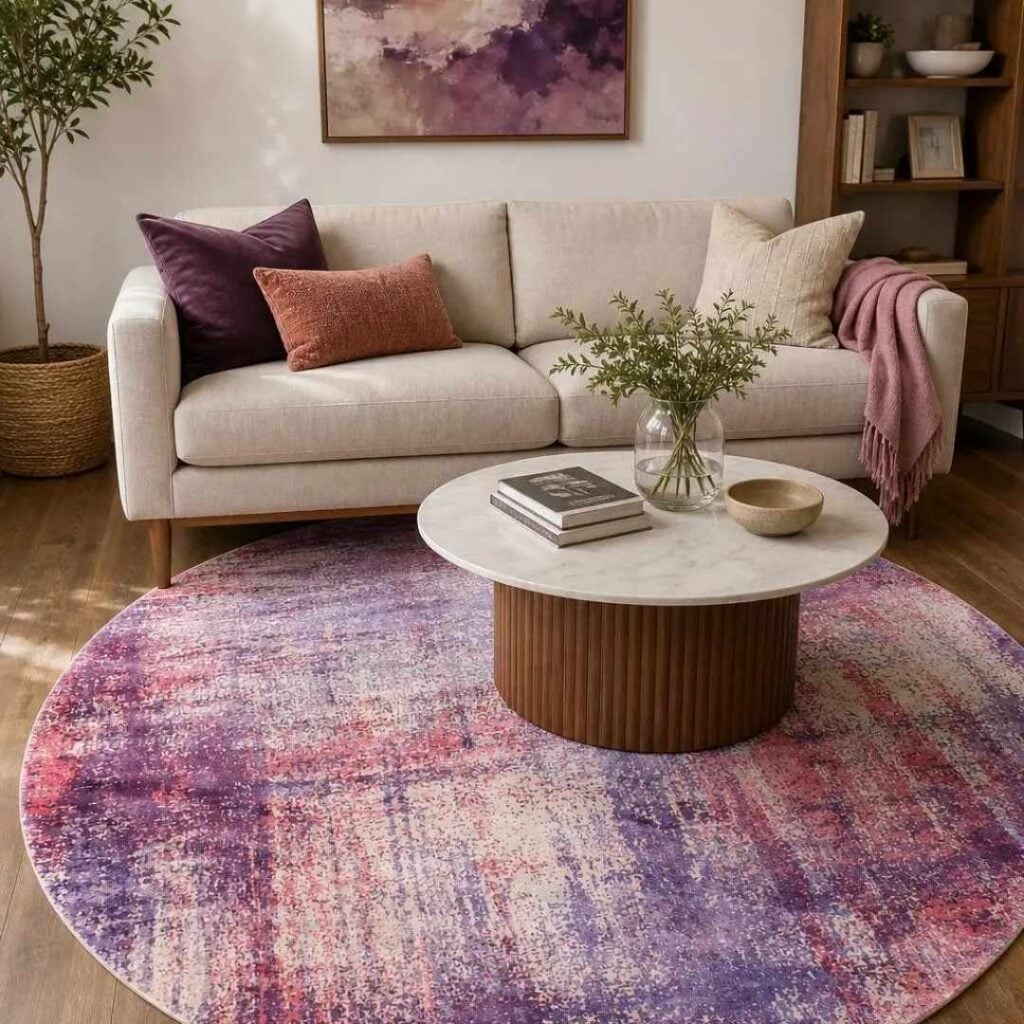
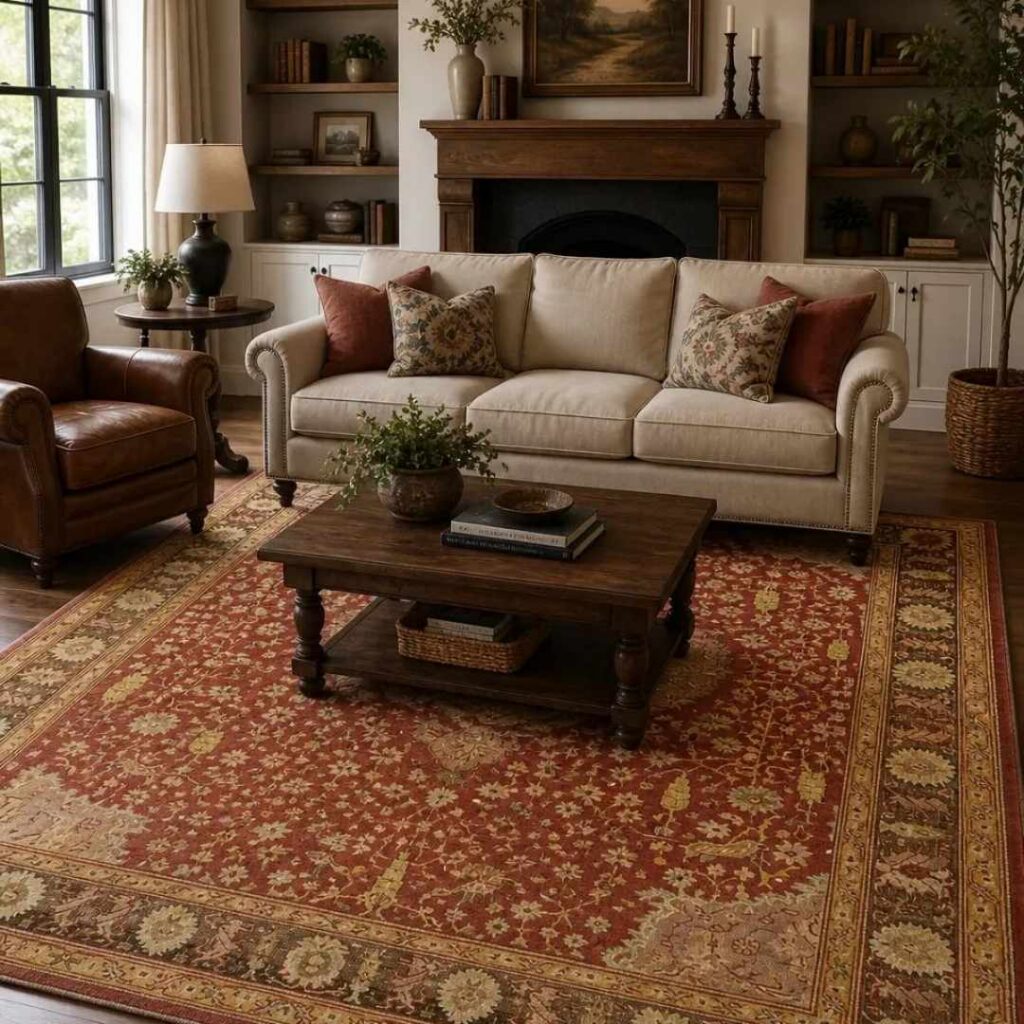
While 4×6 rugs are generally too small to anchor full seating arrangements, they work well in front of accent chairs, beneath coffee tables in compact layouts, or layered over larger neutral rugs.
Layering is a technique Rug Source often suggests when homeowners want to introduce color, pattern, or texture without committing to a large rug.
Home Offices and Reading Nooks
In home offices, a 4×6 rug can sit beneath a desk or seating area to soften hard flooring and define the workspace. Low-pile or flatweave rugs work best here, especially when paired with rolling chairs.
Reading corners and small seating nooks also benefit from the warmth and structure a 4×6 rug provides.
How to Place a 4×6 Rug Correctly
Proper placement is essential with smaller rugs, as incorrect positioning can make a space feel disjointed.
General placement guidelines include:
- Align the rug with furniture rather than centering it in the room
- Ensure the rug feels intentional, not “floating.”
- Leave visible flooring around the rug to maintain balance
- Use rug pads to keep the rug secure and flat
At Rug Source, we often recommend mapping placement before purchasing, especially in tight or multi-use spaces.
Choosing the Right Material for 4×6 Rugs
Because 4×6 rugs are frequently used in high-touch or high-traffic areas, material choice matters.
Common and recommended materials include:
- Wool rugs for durability, softness, and natural stain resistance
- Flatweaves for easy maintenance and a lower profile
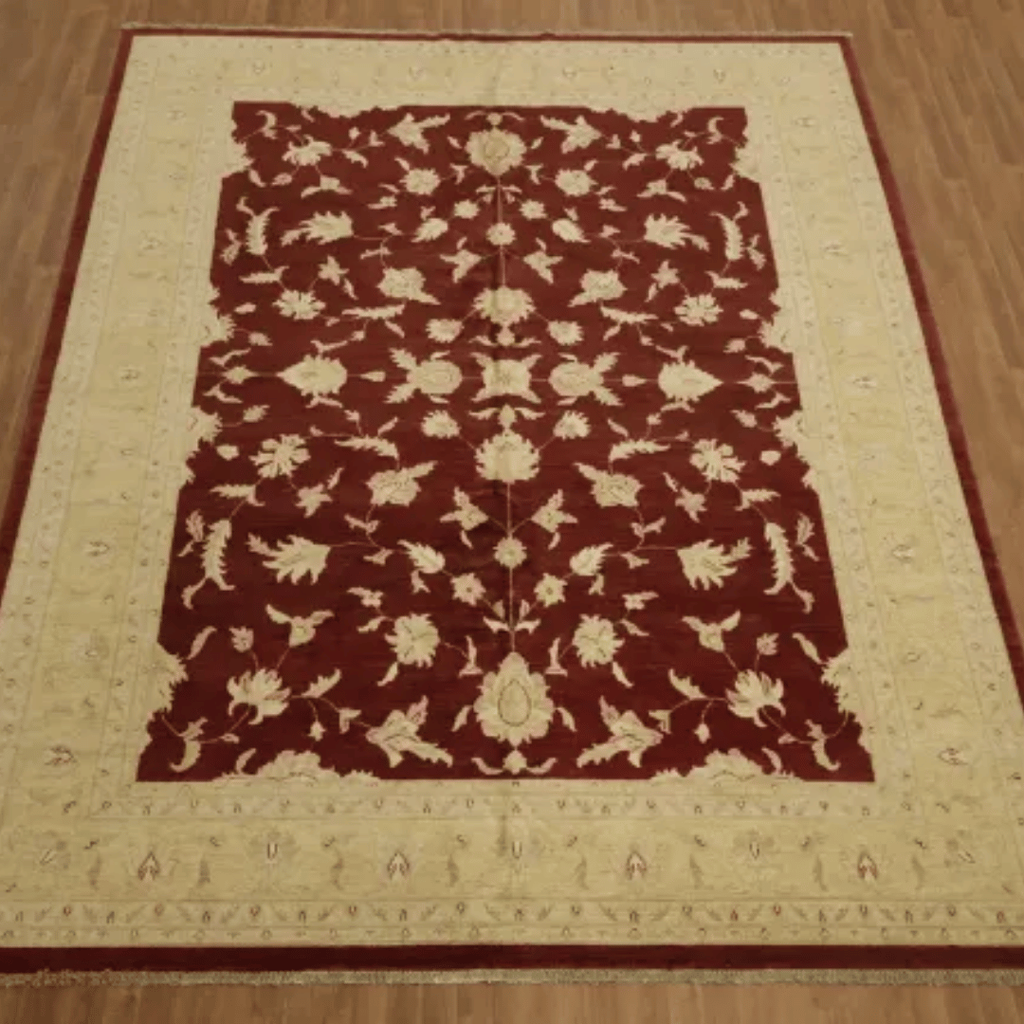
- Hand-knotted rugs for longevity and craftsmanship
- Performance synthetics for busy households or entryways
Wool remains one of the most trusted materials at this size, as it performs well despite frequent use and retains its appearance over time.
Pattern and Color Considerations
Smaller rugs offer an opportunity to introduce design without overwhelming the room.
Design tips include:
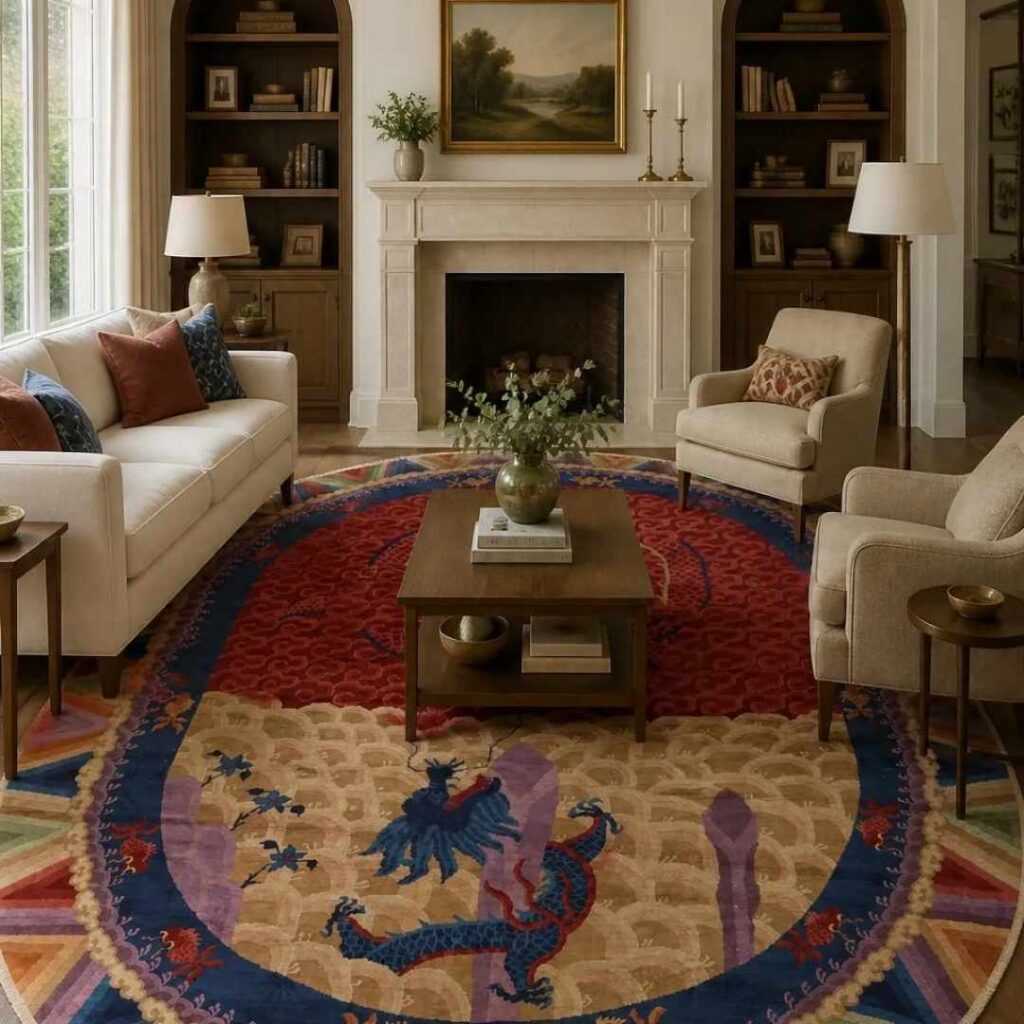
- Medium to bold patterns help the rug stand out
- Multi-tonal designs disguise wear and soil
- Neutral palettes blend easily into varied décor
- Traditional patterns add structure; modern designs add contrast
Because a 4×6 rug often functions as an accent, it can carry more personality than a larger foundational rug.
4×6 Rugs vs. Other Small Sizes
Understanding how 4×6 rugs compare to similar sizes helps clarify when they’re the best option.
- 2×3 rugs are typically used as mats or minimal accents
- 4×6 rugs provide meaningful coverage without crowding
- 5×7 rugs work better when more visual grounding is needed

In many cases, 4×6 rugs strike the right balance between function and flexibility.
Care and Maintenance
Maintaining a 4×6 rug is straightforward:
- Vacuum regularly using appropriate settings
- Rotate occasionally for even wear
- Blot spills promptly rather than rubbing
- Use a rug pad to prevent slipping and extend rug life
Why Rug Source Is a Trusted Resource for 4×6 Rugs
With decades of experience and a carefully curated selection, Rug Source offers both the knowledge and inventory to help customers choose the right rug size for their space. Our 4×6 rug collection spans traditional, modern, handmade, and contemporary styles, all vetted for quality and performance.
More importantly, customers rely on Rug Source for guidance, understanding not just what looks good, but what works best in real homes.
Final Thoughts
4×6 rugs may be small, but their impact is significant when used thoughtfully. From entryways and bedrooms to offices and layered living spaces, they offer flexibility, warmth, and design clarity.
With the right placement, material, and expert guidance, a 4×6 rug becomes an intentional design element rather than an afterthought. And with the expertise and selection available at Rug Source, choosing the right one is a confident, informed decision.