

Gabbeh rugs are traditional carpets originating in Iran and are widely used in homes across the Middle East and South Asian countries. They are created using simple techniques and natural materials, such as wool and cotton. The designs vary widely but typically feature bold geometrical shapes combined with abstract motifs, and floral and animal designs. These colorful rugs often feature a high knot count, producing a soft, luxurious feel. They are a popular choice for living rooms, entryways, and even outdoor spaces.
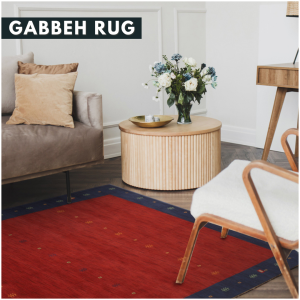
Indian Gabbeh rugs have been made for centuries in India’s western and northern regions. Indian rug makers often use natural dyes to bring out the vibrant colors and intricate patterns of their pieces. The hand-woven rugs are typically produced using wool and cotton fibers. Indian Gabbeh rugs are primarily popular in India and surrounding regions, offering a touch of style and luxury to any space. Indian rug makers incorporate a range of abstract designs, and floral and animal motifs to give their pieces a unique flair. With their striking colors and intricate designs, Indian Gabbeh rugs make a beautiful addition to any home.
Designs and Patterns of Gabbeh Rugs
Gabbeh rugs are a type of traditional Persian rug that originated in Iran. They are known for their simple, abstract designs and use of natural dyes and high-quality wool. The term “Gabbeh” actually means “unclipped” or “natural,” referring to the long pile of rug which is left untrimmed.
Here are some of the most common designs and patterns of Gabbeh rugs:
- Geometric. Geometric designs are the most common type of pattern found in Gabbeh rugs. These designs feature simple shapes, such as squares, triangles, and diamonds, arranged in repeating patterns.
- Tribal. Gabbeh rugs are often made by nomadic tribes, so many of them feature tribal designs. These designs may include animal motifs, such as camels or horses, as well as symbols and patterns that are significant to the tribe.
- Striped. Striped Gabbeh rugs feature horizontal or vertical stripes of varying widths and colors. These rugs are often made with bright, bold colors and can add a pop of color to any room.
- Floral. While less common than other designs, some Gabbeh rugs feature floral patterns. These designs may include simple, abstract flowers or more detailed floral motifs.
- Plain. Some Gabbeh rugs are simply one solid color, without any pattern or design. These rugs are often used as a neutral base for a room’s decor.
In addition to these common designs, Gabbeh rugs are also known for their use of natural dyes and high-quality wool. The wool used in Gabbeh rugs is typically handspun and hand-dyed using natural materials like plants, fruits, and insects. This gives the rugs a unique texture and color that can’t be replicated with synthetic dyes.
Materials Used in Gabbeh Rugs
Gabbeh rugs are hand-woven carpets that originated in Iran. They are known for their thick, plush pile and vibrant, geometric designs. The materials used in Gabbeh rugs can vary depending on the region and the weaver’s preference, but traditionally, they are made with natural fibers such as:
- Wool. Wool is the most common material used in Gabbeh rugs. It is a durable, natural fiber that is easy to dye and comes in a range of natural colors. The wool used in Gabbeh rugs is often taken from the sheep of the weaver’s region.
- Silk. Some Gabbeh rugs incorporate silk into the design, usually in small amounts to add texture and shine. Silk is a luxurious, delicate fiber that requires a lot of care, but it adds a beautiful touch to the finished rug.
- Cotton. Cotton is sometimes used as the foundation or warp of the rug, providing a strong base for the wool or silk pile. Cotton is also used in the weft to create a flat, even surface on the back of the rug.
- Natural dyes. Many weavers of Gabbeh rugs prefer to use natural dyes made from plant or animal sources, rather than synthetic dyes. Natural dyes can produce a wider range of colors and shades, and they are also better for the environment.
Gabbeh rugs are known for their use of high-quality, natural materials that are carefully selected and skillfully woven to create a unique and beautiful piece of art.
The Weaving Process of Gabbeh Rugs
Gabbeh rugs are one of the most sought-after Persian rugs, renowned for their intricate designs, vibrant colors and unique tonality. They have been hand-woven for centuries in Iran, traditionally crafted by nomadic tribes who used a special weaving technique to create these stunning pieces of art.
The weaving process of Gabbeh rugs is a complex one which takes a great deal of skill and expertise. It starts with the selection of wool – fine, strong and hardy wool is used as it is easy to manipulate into intricate patterns. The weaver then washes the wool before dyeing it in a range of vibrant colors to give the rug its distinctive aesthetic.
Next, the weaver begins the intricate process of knotting: a special type of knot called ‘symmetrical knots’ is used in traditional Gabbeh rug weaving. This knotting technique ensures that all sides of the rug are symmetrical and that each strand is tightly secured in place. Once this process has been completed, the rug can be washed again for extra softness before being hung out to dry.
When it comes to the design, Gabbeh rugs usually feature abstract motifs such as geometric shapes or animals, which bring an element of storytelling to these beautiful creations. Each design typically has its own meaning and symbolism, often reflecting the culture and beliefs of those who make them.
Finally, when all strands have been tightly woven together, it’s time for the final step: finishing off! The weaver must brush over each section with a comb to ensure that all strands are perfectly aligned and secure – no small feat when you consider how precisely crafted they are!
The entire process from start to finish is an incredible display of skill and dedication which results in these stunning works of art that can last for generations if cared for properly. The process may be complex, but it always produces beautiful pieces – a testament to the weavers’ craftsmanship!
There are different styles of rugs, find the one that best suits your decoration HERE