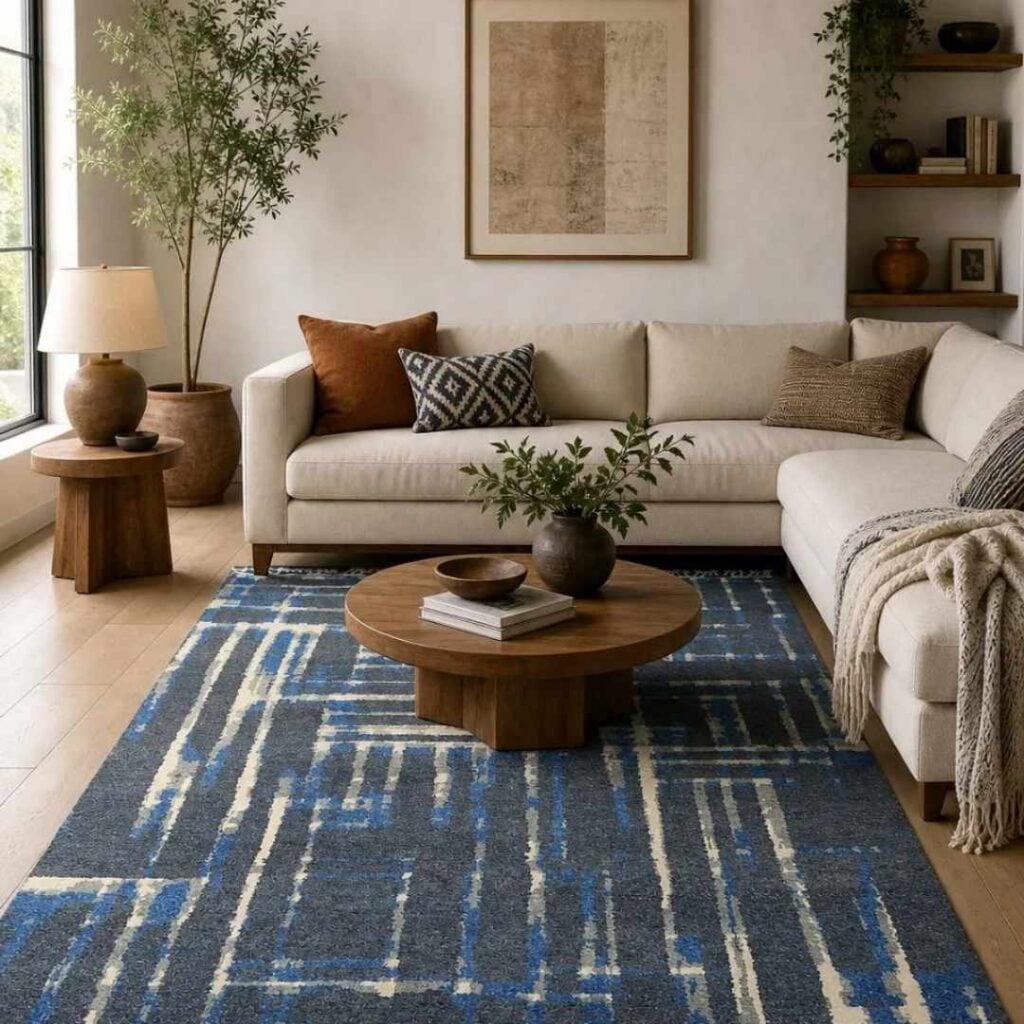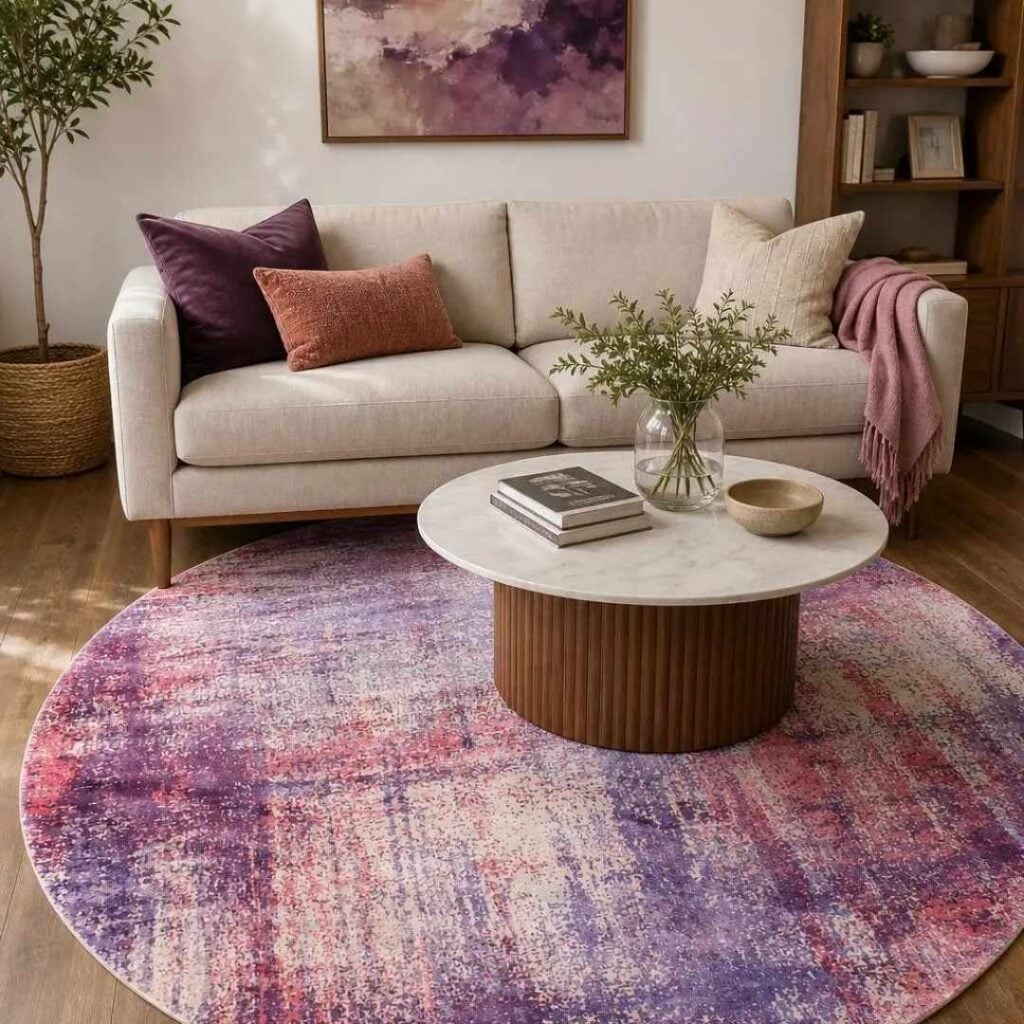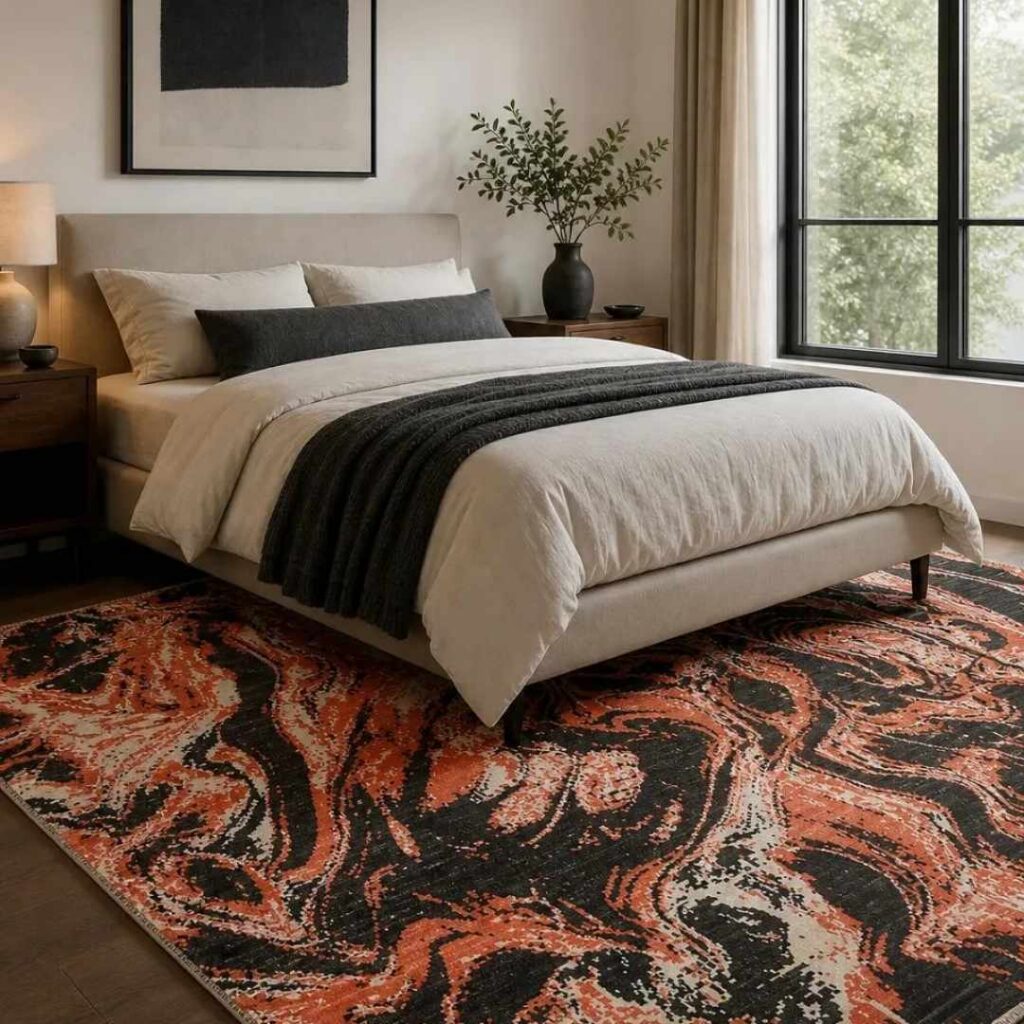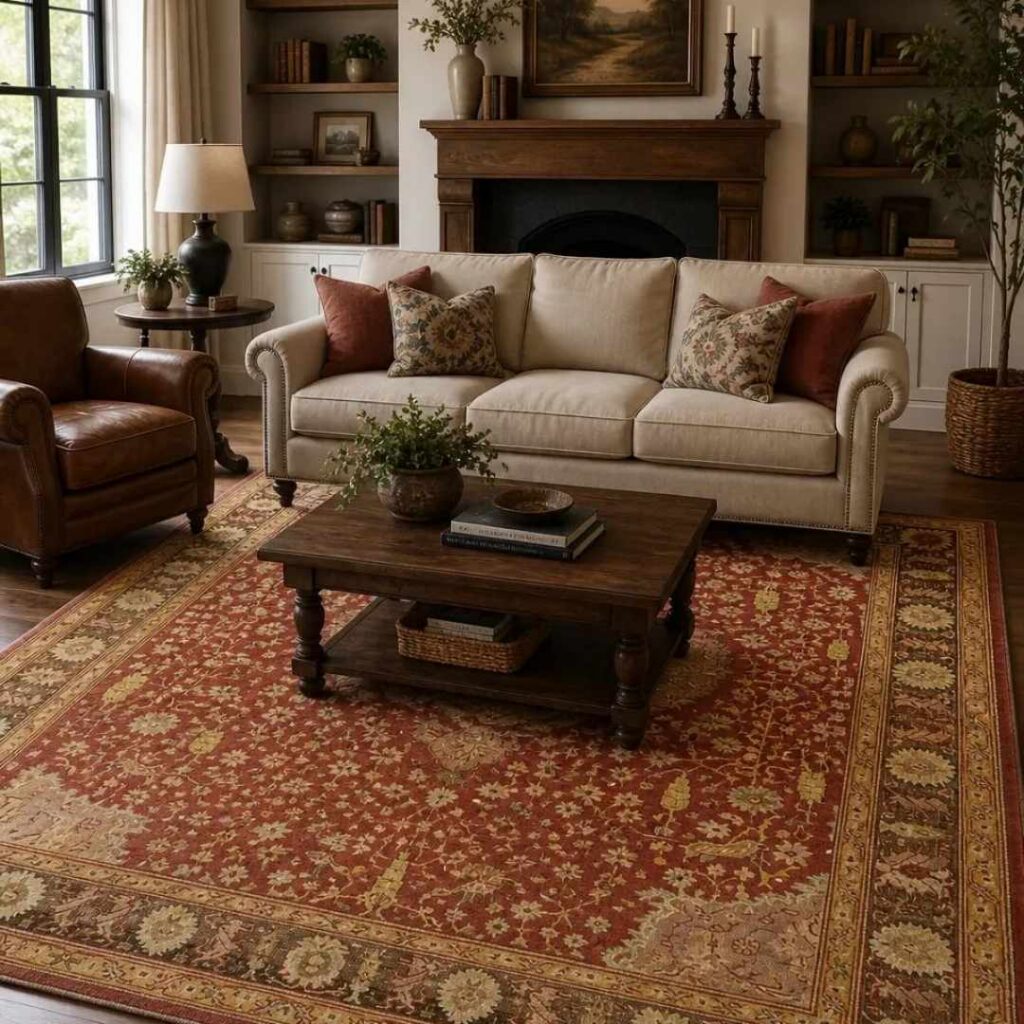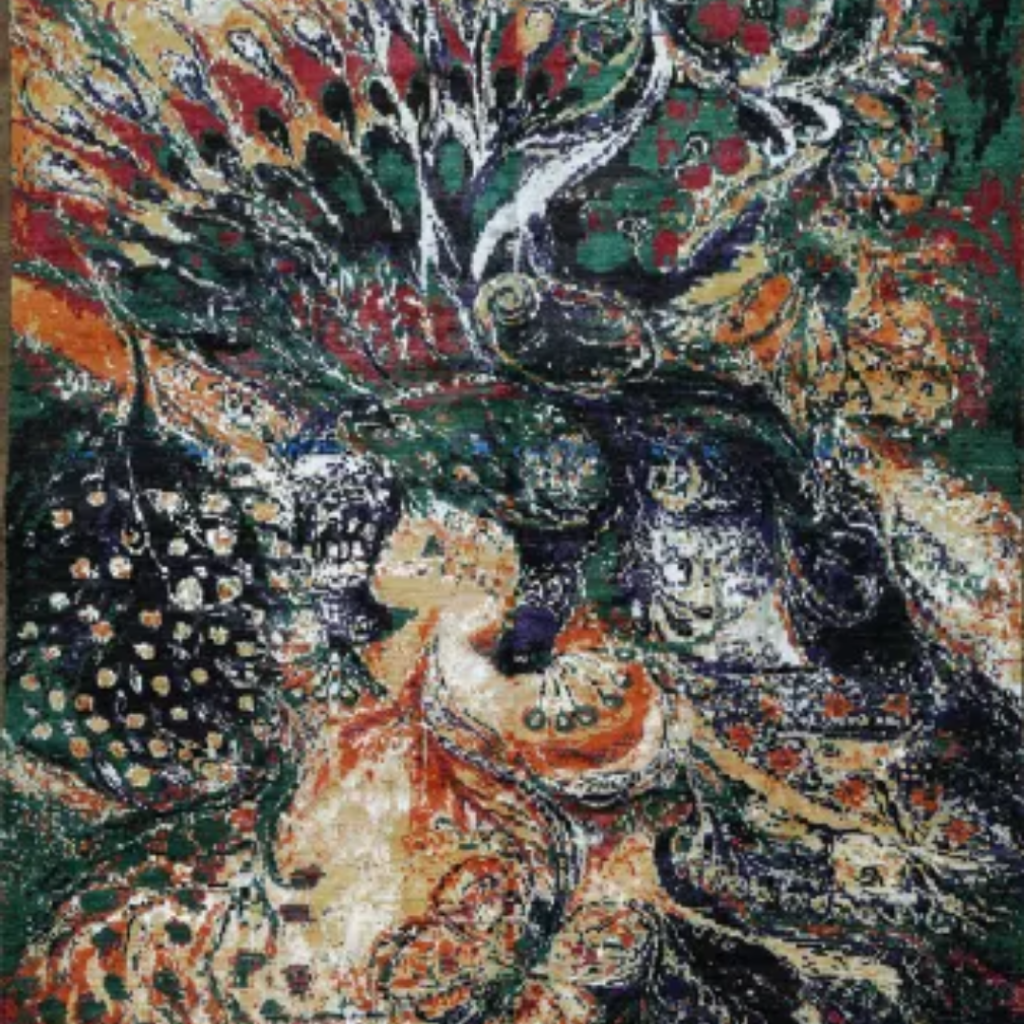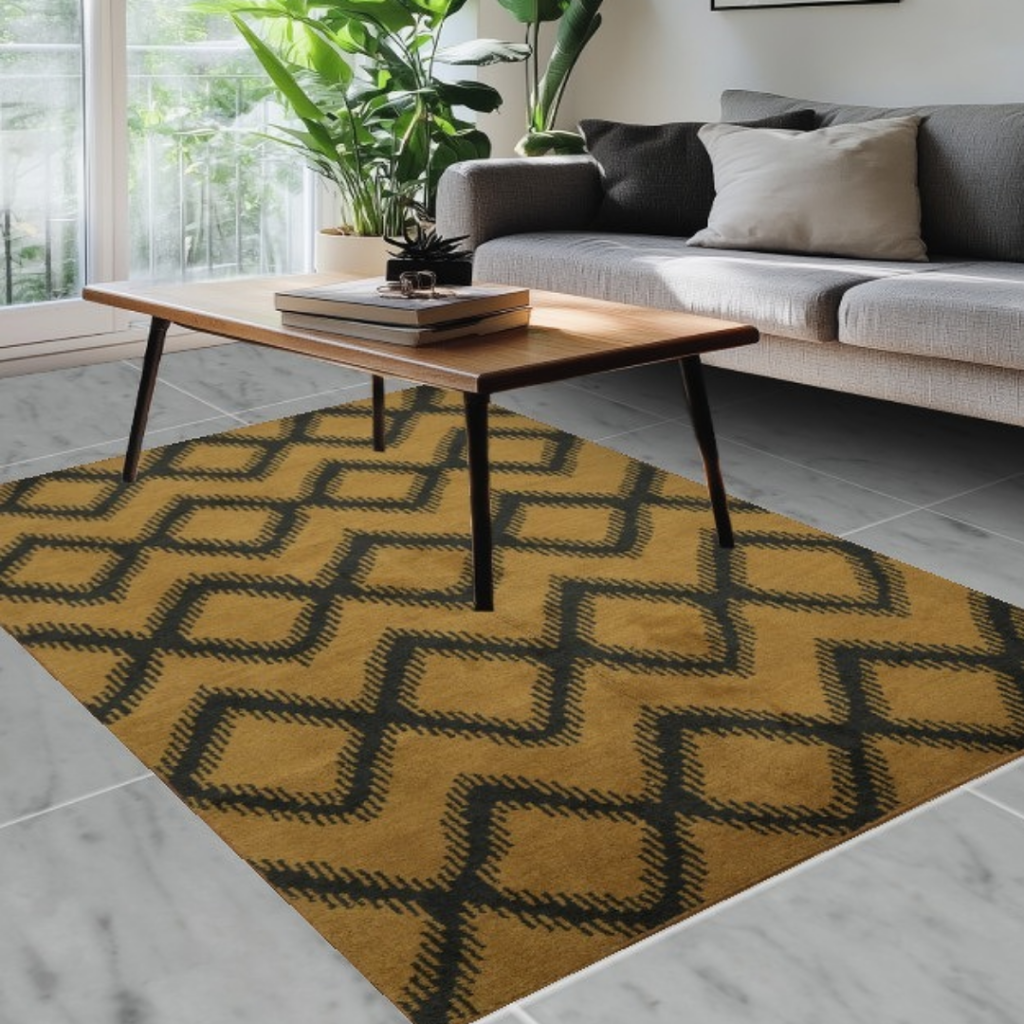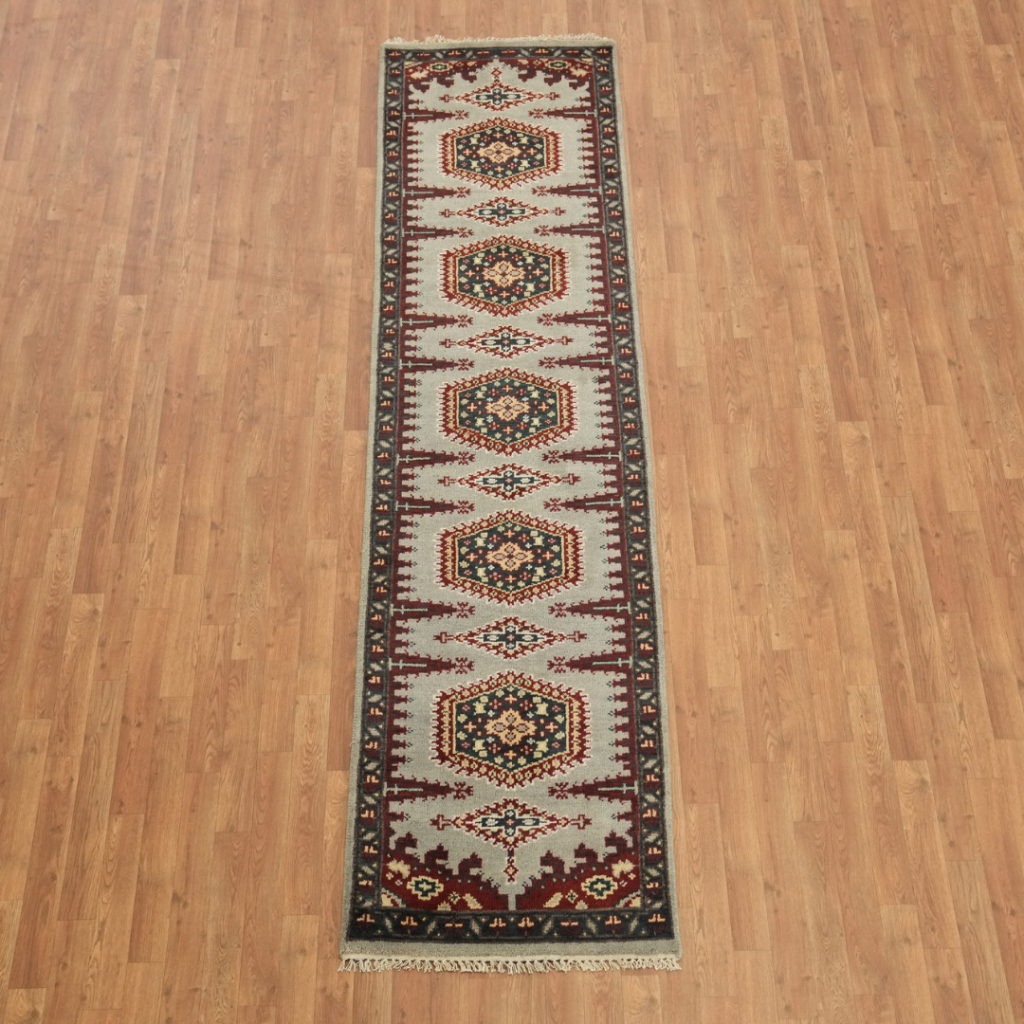
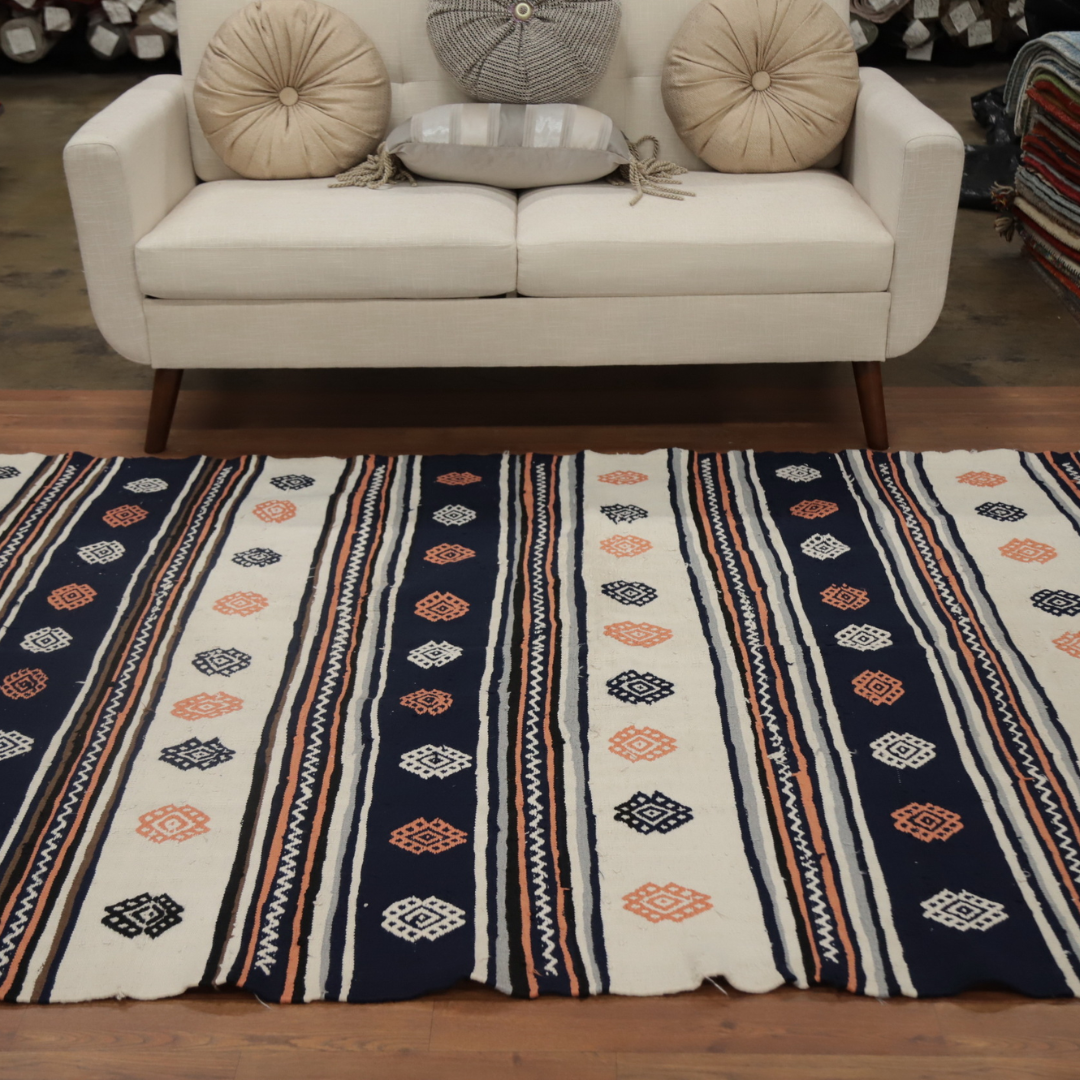

Oriental wool rugs combine centuries-old craftsmanship with the durability and warmth that only natural wool can provide. These hand-woven masterpieces have been gracing homes for over 2,500 years, changing ordinary spaces into sophisticated sanctuaries.
Quick Guide to Oriental Wool Rugs:
- Materials: Hand-spun wool with natural lanolin for lasting sheen
- Construction: Hand-knotted (premium) vs. machine-made (budget-friendly)
- Popular Sizes: 4×6, 5×8, 6×9, 8×10, and 9×12 feet
- Price Range: $300-$800+, depending on size and craftsmanship
- Top Origins: Turkey, Afghanistan, India, and Pakistan
- Best Features: Hypoallergenic potential, pet-resistance, improves with age
The beauty of oriental wool rugs lies in their unique ability to work with any décor style – from traditional Persian medallions to modern geometric patterns. Live wool (sheared from living sheep) retains natural oils that give these rugs their distinctive resilience and silk-like appearance over time.
Whether you’re looking for a statement piece for your living room or a durable runner for high-traffic areas, the right oriental wool rug can last 50+ years with proper care while adding instant character to your space.
What Makes Oriental Wool Rugs Unique?
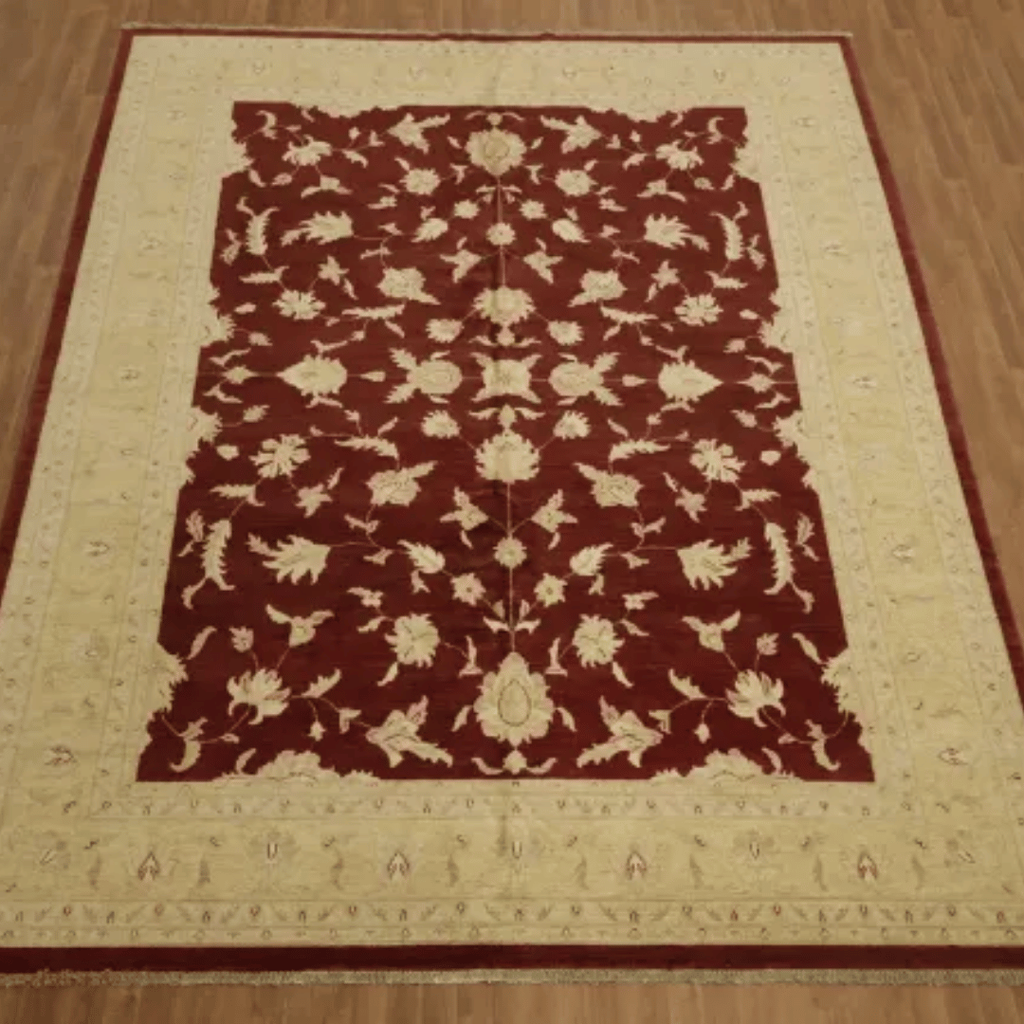
These aren’t just floor coverings – they’re woven stories from ancient civilizations across Persia, Turkey, Afghanistan, and beyond. Picture skilled artisans in mountain villages, working by natural light, tying hundreds of thousands of individual knots by hand. Each rug carries the DNA of its birthplace – tribal designs might feature bold, geometric patterns passed down through generations, while city rugs often showcase intricate floral motifs refined in urban workshops.
The wool used in these rugs often comes from sheep raised in colder climates, which helps produce thick, resilient fibers. Combined with traditional hand-spinning methods, this results in a soft, strong material rich in lanolin. Lanolin provides some resistance to moisture and dirt, helping the rug age gracefully over time.
Knot density tells the quality story. You may hear about KPSI (knots per square inch), and while a higher count can indicate finer detail, a medium pile height (0.25 to 0.5 inches) is often best for comfort and daily use.
Authentic oriental rugs use natural dyes made from plants, insects, and minerals. These colors age beautifully, developing rich patinas that synthetic dyes cannot replicate.
Why Invest in Oriental Wool Rugs?
Beyond their beauty, oriental wool rugs are practical, heirloom-quality investments. While many home furnishings degrade over time, a well-made wool rug can last 50 to 100 years. With proper care, these rugs are often passed down through generations.
Wool resists dust mites and mold, making it a good choice for allergy-sensitive households. While individuals with specific sensitivities to wool may react, the material is generally more hygienic than synthetics. Pet owners will also appreciate wool’s natural resilience — the lanolin helps resist spills, and the dense weave stands up to pet traffic.
The artistry and story behind each rug create a sense of cultural continuity and personal pride. Owning one connects you to centuries of human creativity and technique.
Hand-Knotted vs. Machine-Made Construction
Hand-knotted rugs represent pure artisanship. Each knot is tied individually around the warp strings. The fringe is part of the structure, not an add-on. If you see a rug with sewn-on fringe, it may be machine-made or a lower-quality handmade rug.
Hand-knotted pieces often last 50+ years. In contrast, machine-made rugs generally last 5 to 15 years, depending on materials and usage. While more affordable, machine-made rugs usually lack the character, longevity, and resale value of hand-knotted ones.
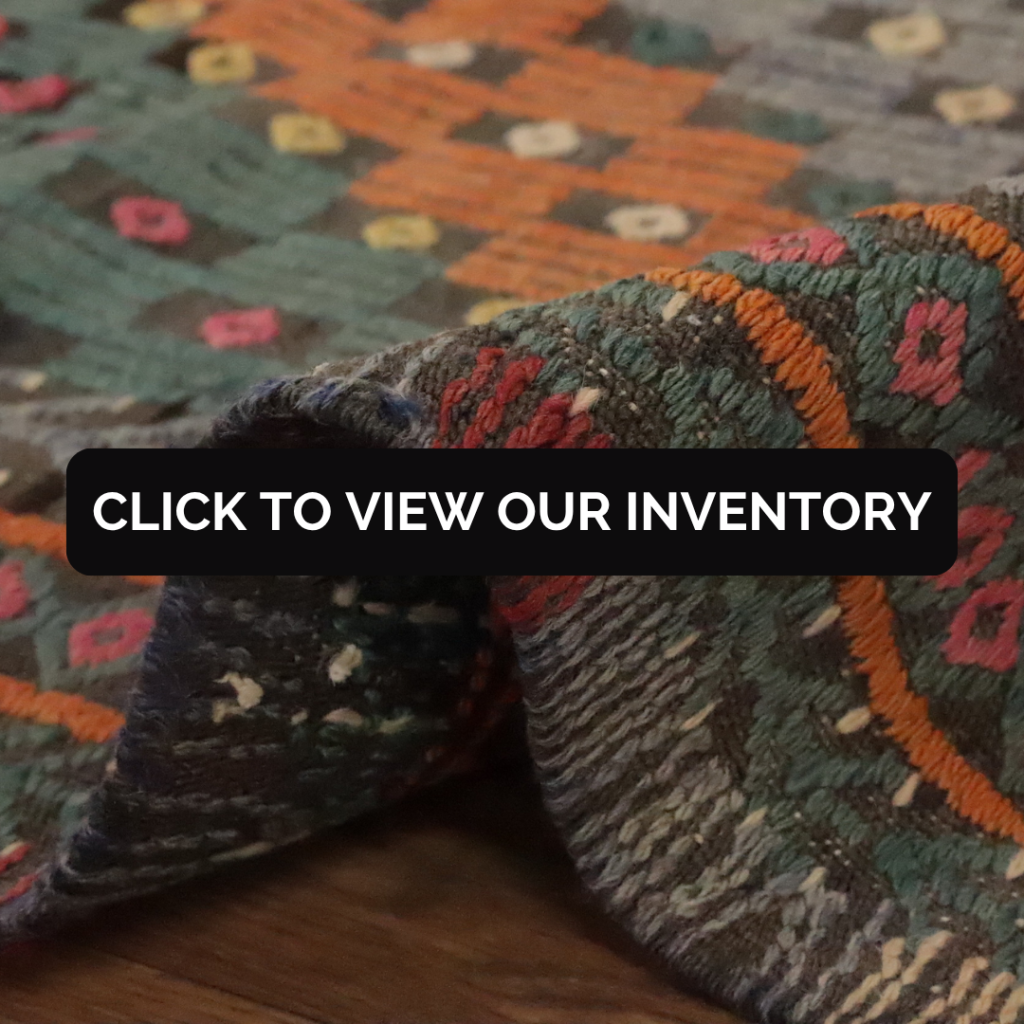
To spot the difference, flip the rug over. Hand-knotted rugs show the pattern clearly on the back with slight irregularities. Machine-made rugs have a more uniform appearance and backing.
Choosing the Right Rug for Your Space
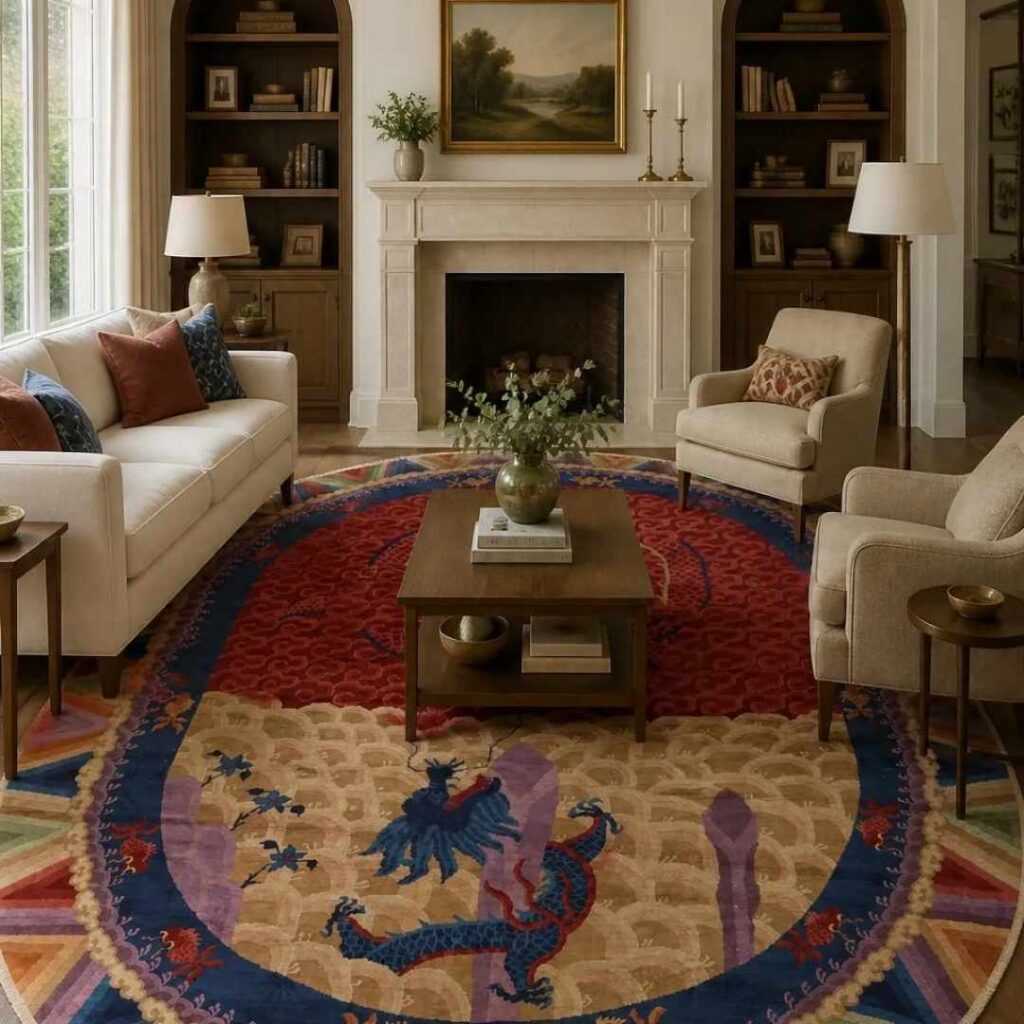
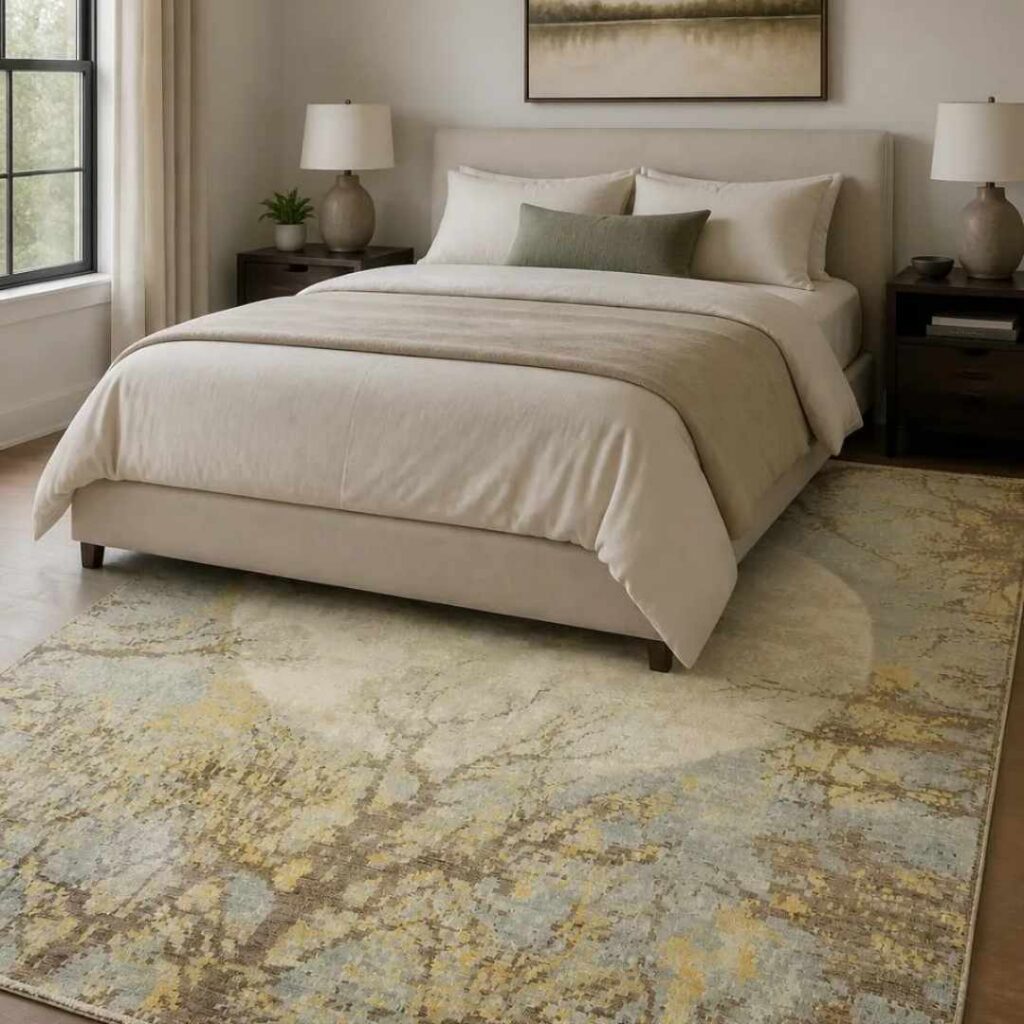
Size and placement are key. Always aim for rugs large enough for at least the front legs of furniture to rest on. Color and pattern choices should support your room’s aesthetic. If your décor is already busy, opt for simpler geometric designs with open space.
Size Guide:
- 4×6 ft: Small seating or bedside areas
- 5×8 ft: Living rooms or under coffee tables
- 6×9 ft: Mid-size dining areas
- 8×10 ft: Large family rooms
- 9×12 ft: Open layouts or formal living areas
Style Match:
- Traditional: Classic medallions and florals
- Transitional: Updated palettes in traditional designs
- Bohemian: Bold tribal motifs
- Modern: Clean lines and minimal patterns
Ethical & Sustainable Sourcing
We prioritize ethically sourced rugs from trusted suppliers who pay fair wages and use eco-friendly materials. Our wool is sheared from live sheep, preserving lanolin and supporting sustainable farming. We partner only with workshops that uphold fair labor standards and traditional hand-dyeing practices.
Care & Maintenance
Vacuum gently without a beater bar, especially on hand-knotted rugs. Clean high-traffic areas frequently, and rotate your rug 180 degrees every six months to ensure even wear. Blot spills immediately, and use breathable, non-slip rug pads to extend life.
Professional cleaning every 3–5 years is recommended. Use cleaners who specialize in natural dyes and wool.
Moth prevention is important for long-term care. Regular vacuuming, along with natural repellents like cedar or lavender, can protect your rug from damage.
Oriental wool rugs are timeless, practical, and beautiful
With proper care, they age with grace and become cherished heirlooms. Whether you’re buying your first or adding to a growing collection, you’re investing in a piece of functional art steeped in history and tradition.
Explore our hand-selected collection today and experience why so many families trust Rug Source to help make their homes truly special.