Why interior designers are mixing antique pieces with modern design

By Mina Daryoushfar, founder and owner
Homeowners who invested in cold minimalism between 2010 and 2020 are discovering a costly truth: Sterile, monochromatic spaces have aged poorly, and the trend’s collapse is leaving them saddled with rooms that feel dated and impersonal. As design preferences shift sharply toward warmth, personality, and quality craftsmanship, the real cost of chasing temporary trends becomes clear.
The market’s pivot reveals a deeper shift, one driven by durability, authenticity, and long-term value over mass-produced aesthetics. Understanding this change matters for anyone planning a renovation, Rug Source reports.
The New Face of Minimalism
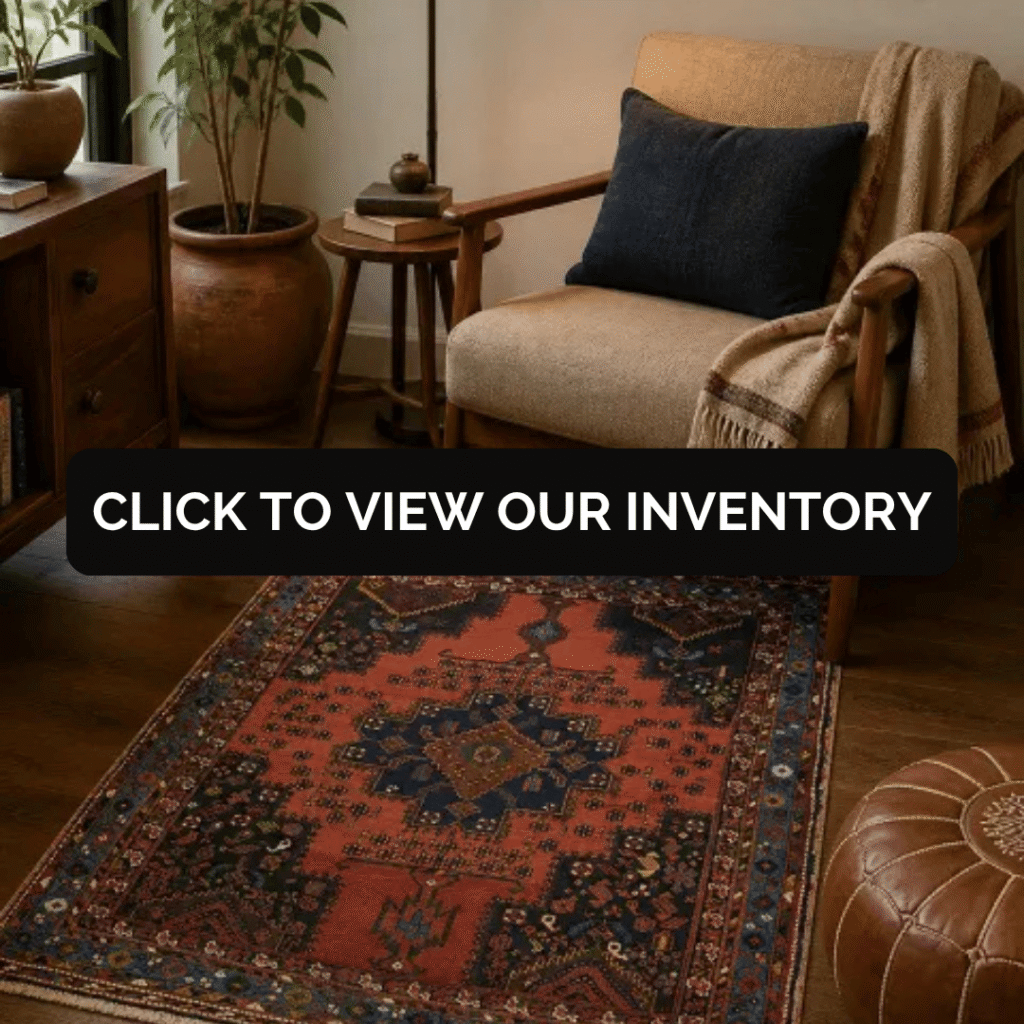
What’s known as high-end minimalist (or cold minimalist) hit peak popularity between 1990 and 2010. During this time, the idea of an empty white room with a single low-slung sofa and no artwork was indeed the aspiration.
Homeowners loved the hidden storage, integrated appliances, and clutter-free surfaces so much that they also adopted the stark white design. Until the pandemic, at least. Having to actually live 24/7 in a high-end minimalist home felt less like a sanctuary and more cold and impersonal.
Cold minimalism was already on the decline. But the pandemic set off a massive shift toward warmer, highly textured spaces. Many homeowners still enjoy the spatial order minimalism offers, but they are no longer fans of the monastic vibes.
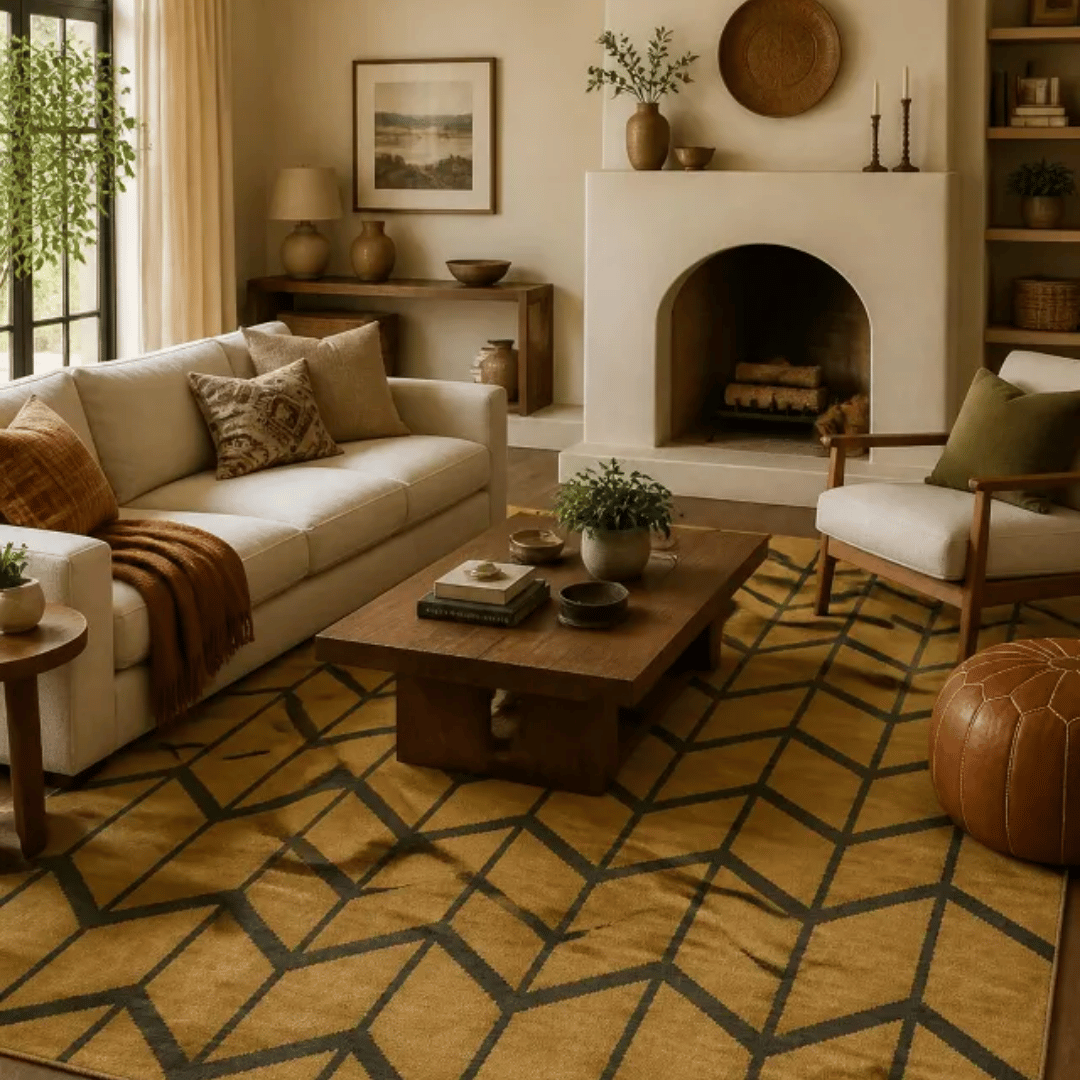
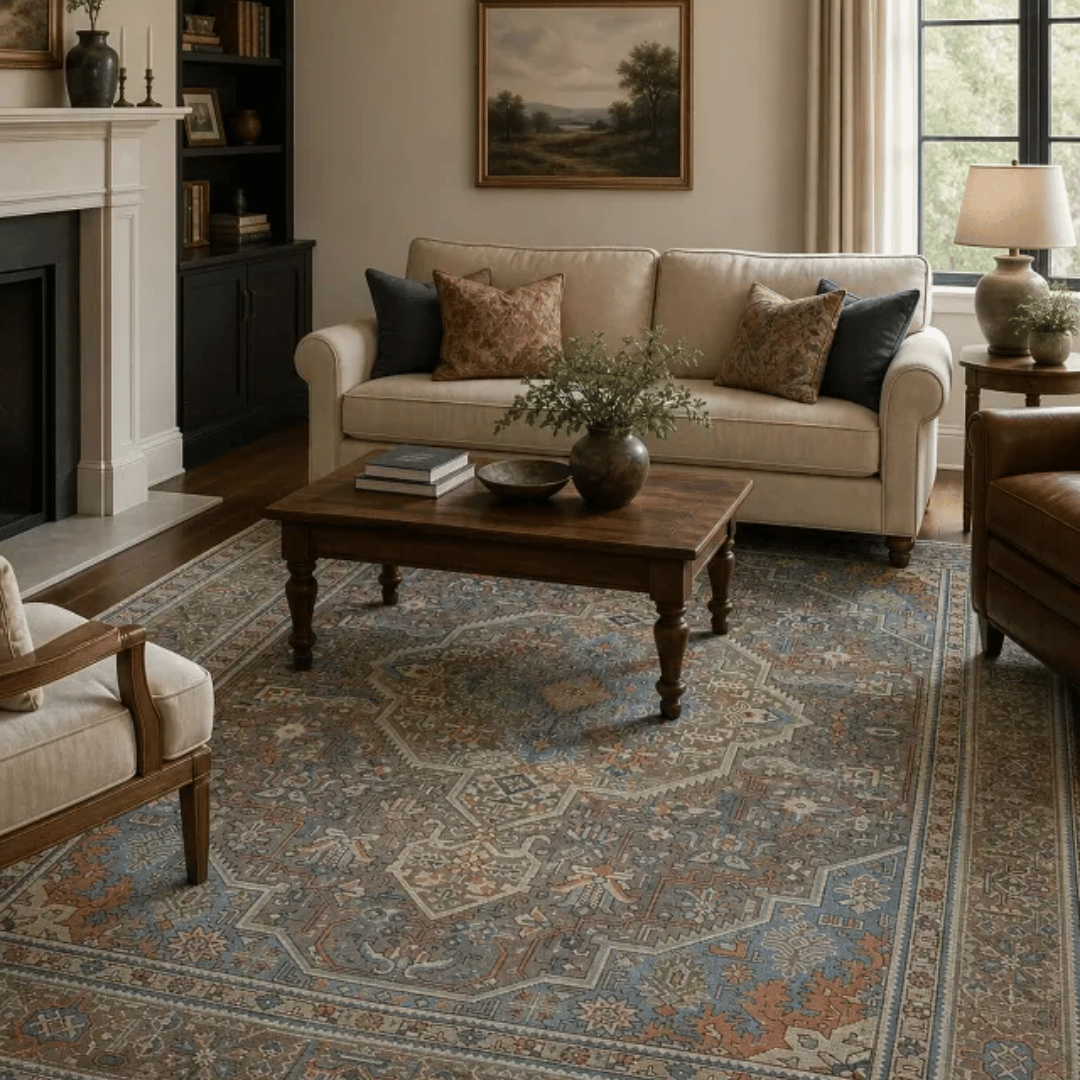
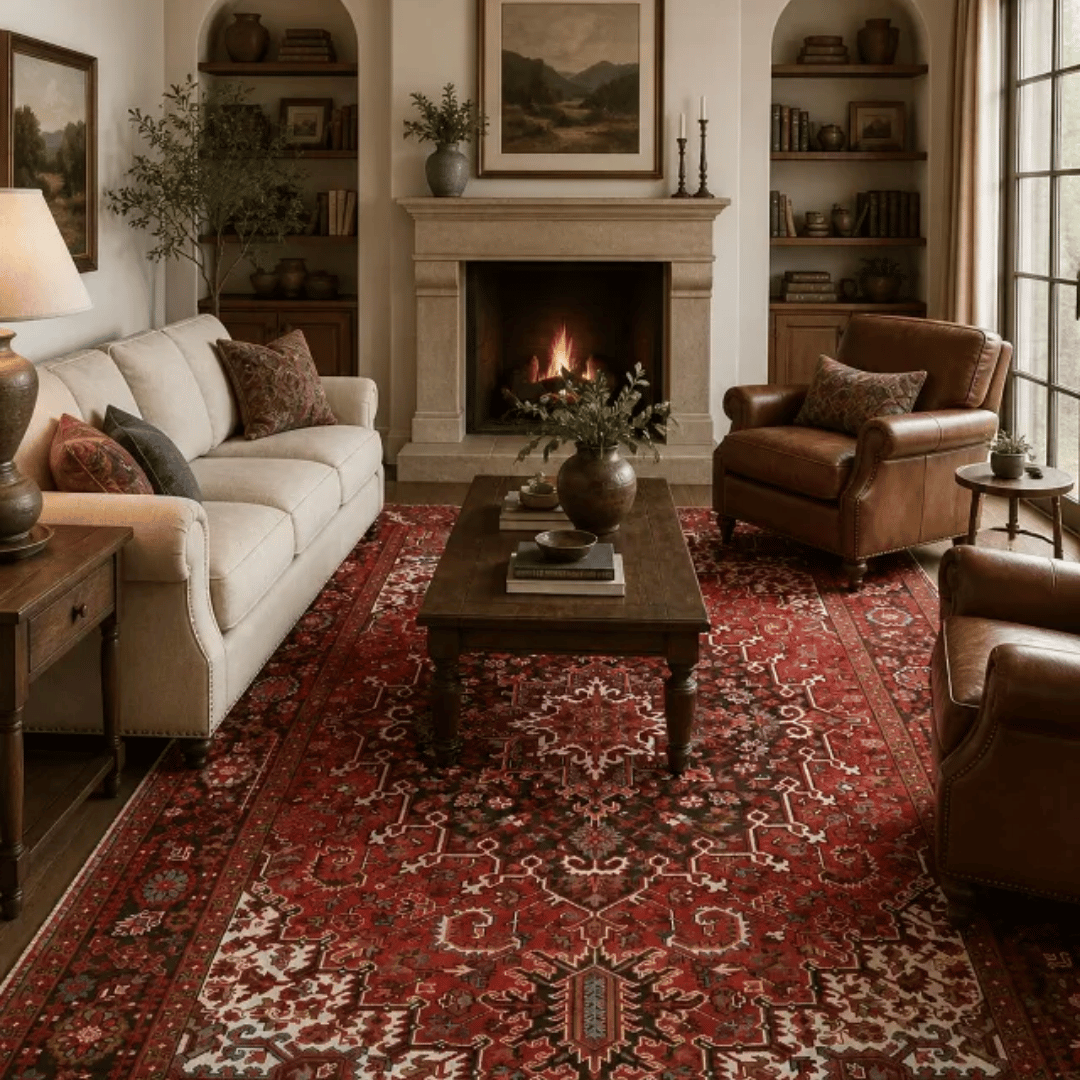
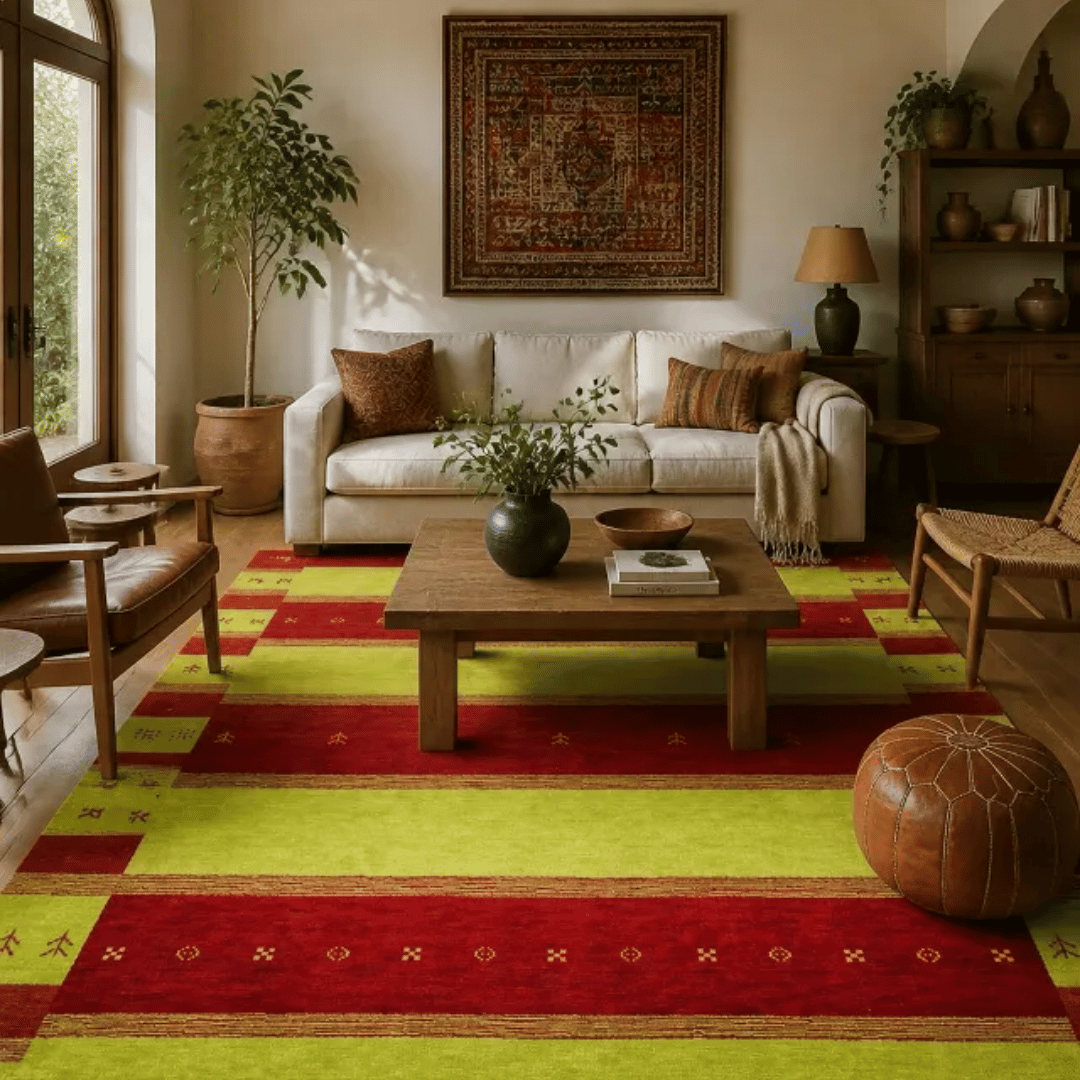
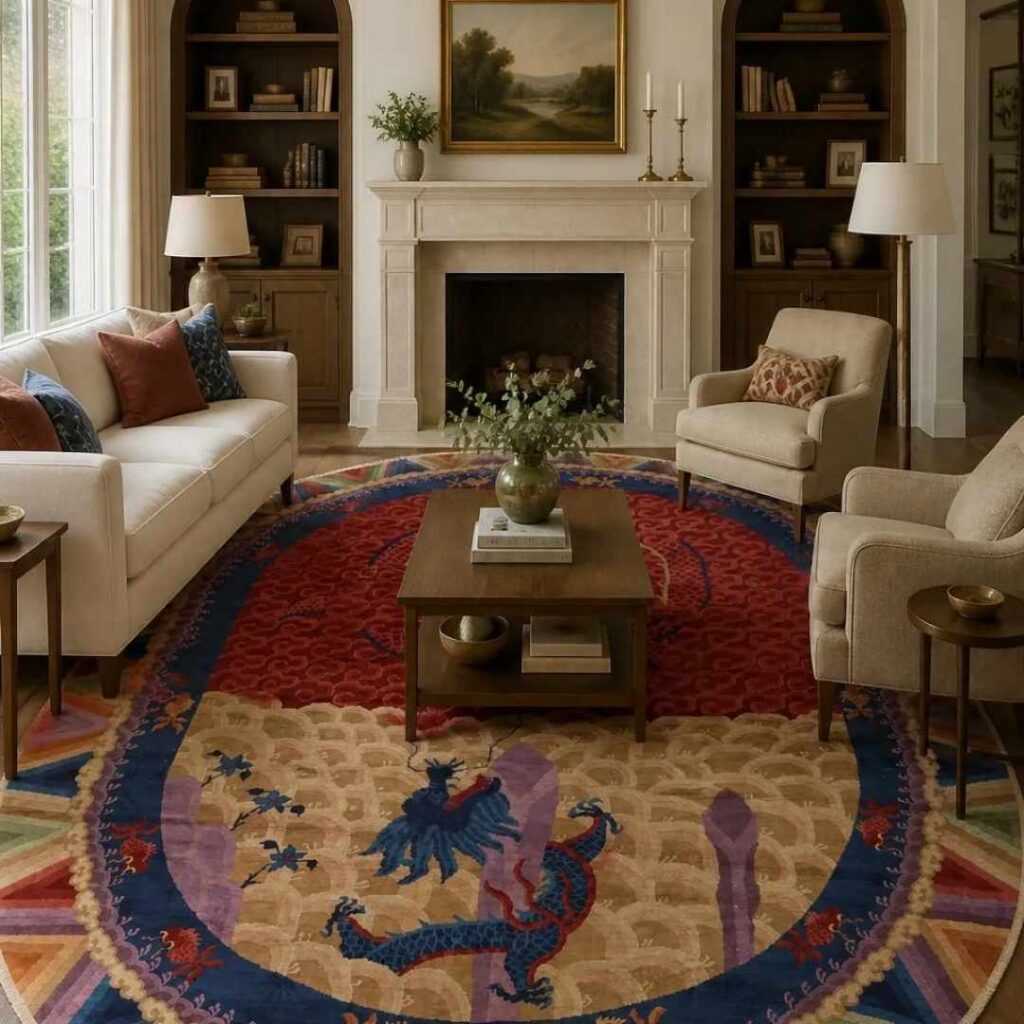
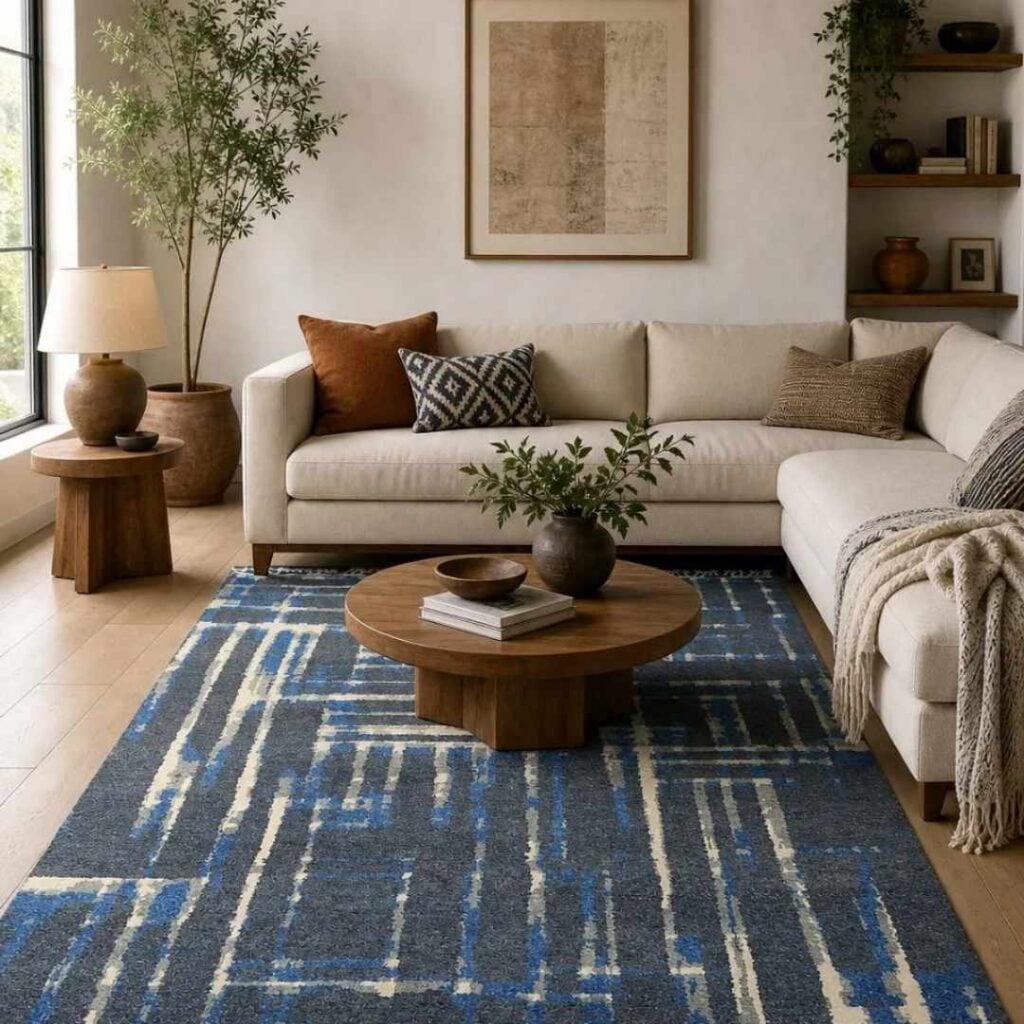
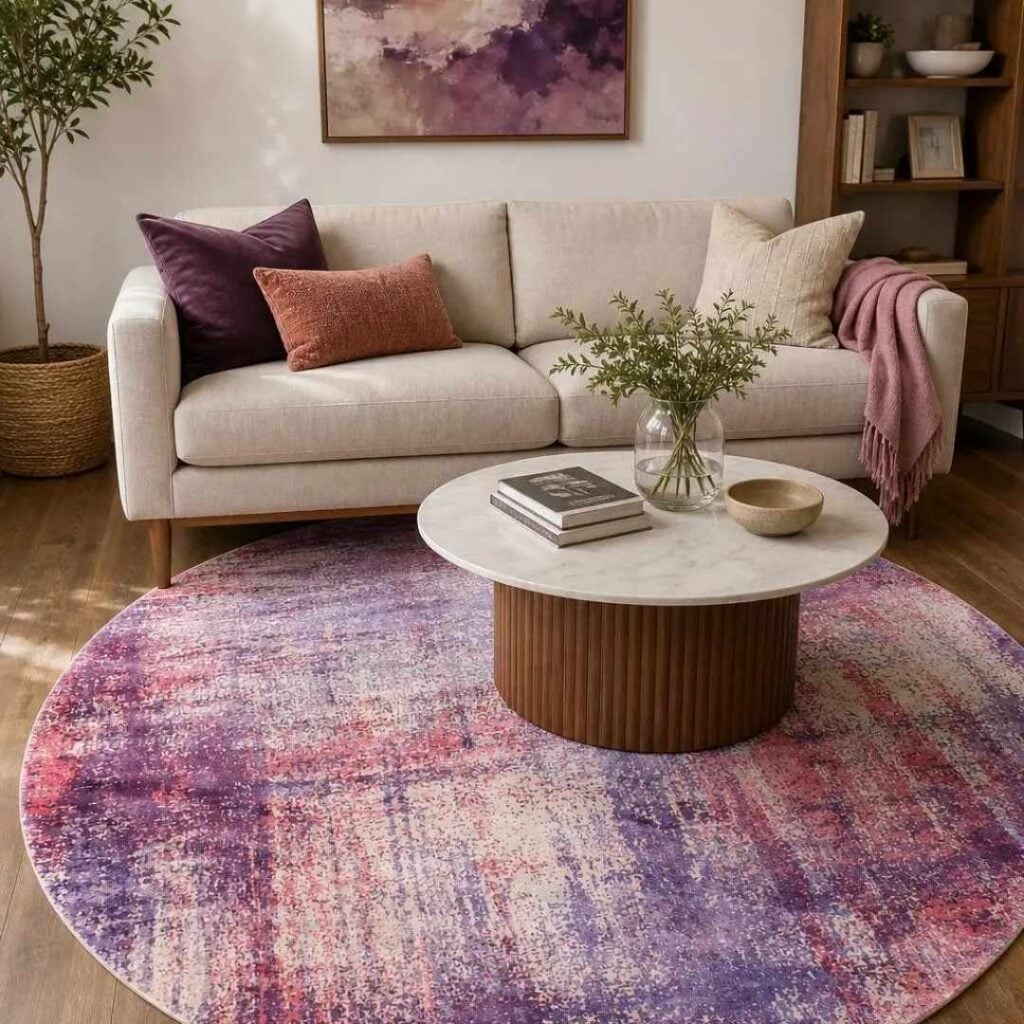
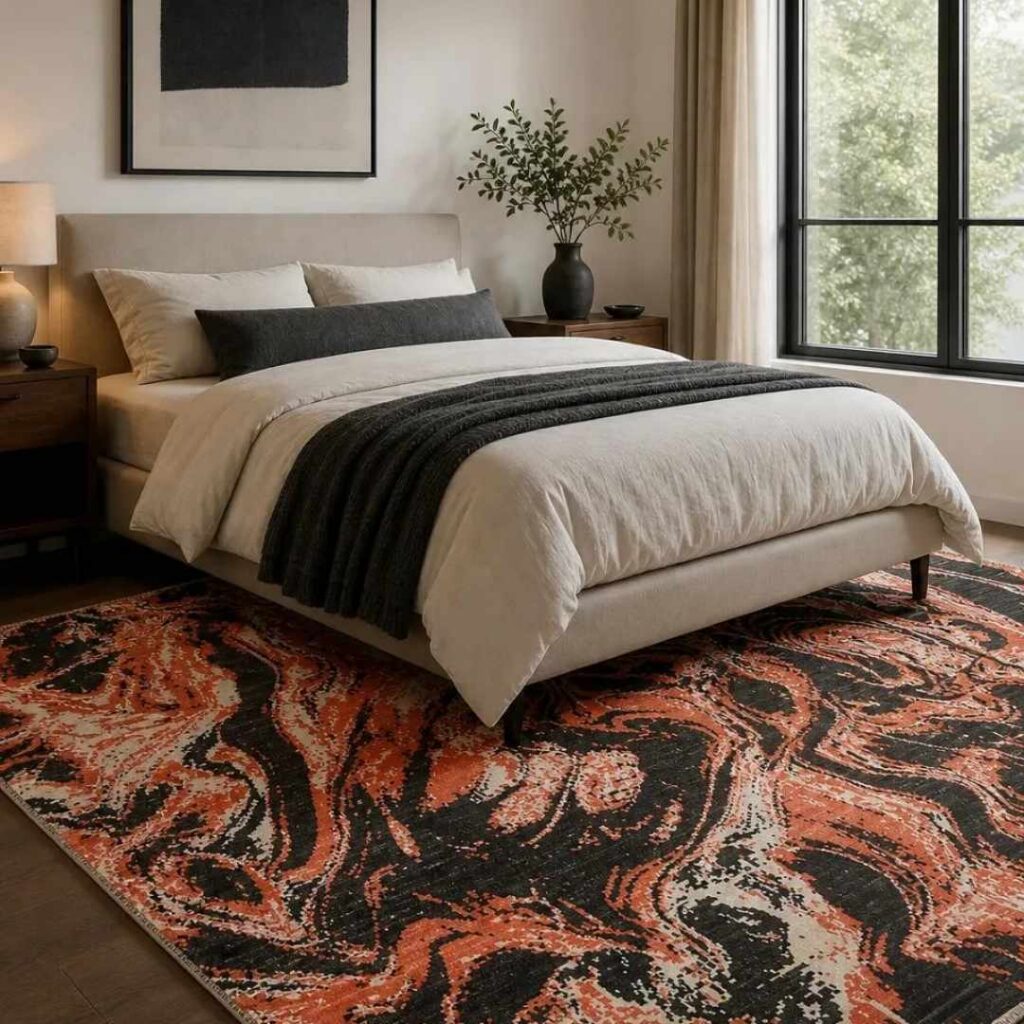
Modern minimalism is all about warm colors, natural textures, and spaces that feel comfortable instead of cold. To add depth and personality, many interior designers mix in antique pieces, helping soften the overall look while filling the space with character.
The Buy Less, Buy Better Philosophy
The “less is more” philosophy of minimalism has slowly transformed into a “less but better” approach during the last decade. The trends show people still appreciate the power of negative space in interior design and don’t wish to return to the busyness of the 1980s.
Today’s consumers, especially homeowners, want fewer, higher-quality items that offer authenticity, solid craftsmanship, and long-term value over disposable decor. This is backed by a 2025 Houzz survey that found queries for vintage bathroom vanities, china cabinets, and natural materials like solid white oak and hand-troweled plaster have surged.
The same survey found that 35% of homeowners who renovate don’t mind exceeding their initial budget to select higher-end, longer-lasting materials rather than lower-cost alternatives. All this goes to show that consumers want pieces with character, natural variation, and historic weight rather than mass-produced veneer.
This preference for high quality and authenticity extends to decorative items as well. Durable, high-craftsmanship pieces are on the rise in high-earners’ preferences.
They know that investing in a solid, artisan-made piece ensures the item anchors a room across multiple layout or aesthetic updates over 15 to 30 years.
The Rise of Maximalism as a Counter-Movement
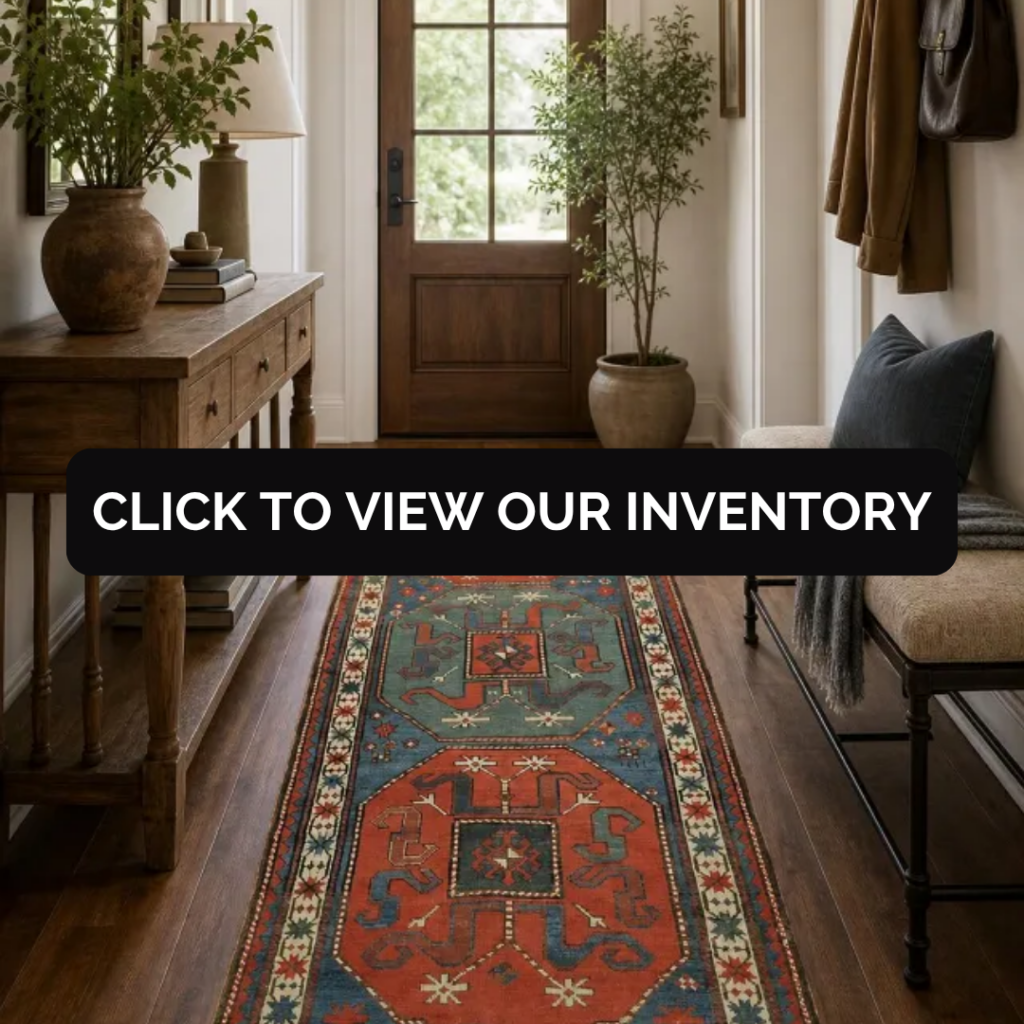
First, maximalism doesn’t mean clutter or sensory overload. Within the current context, maximalism is an intentional rebellion against the sterile, homogenizing effects of late-2010s corporate minimalism.
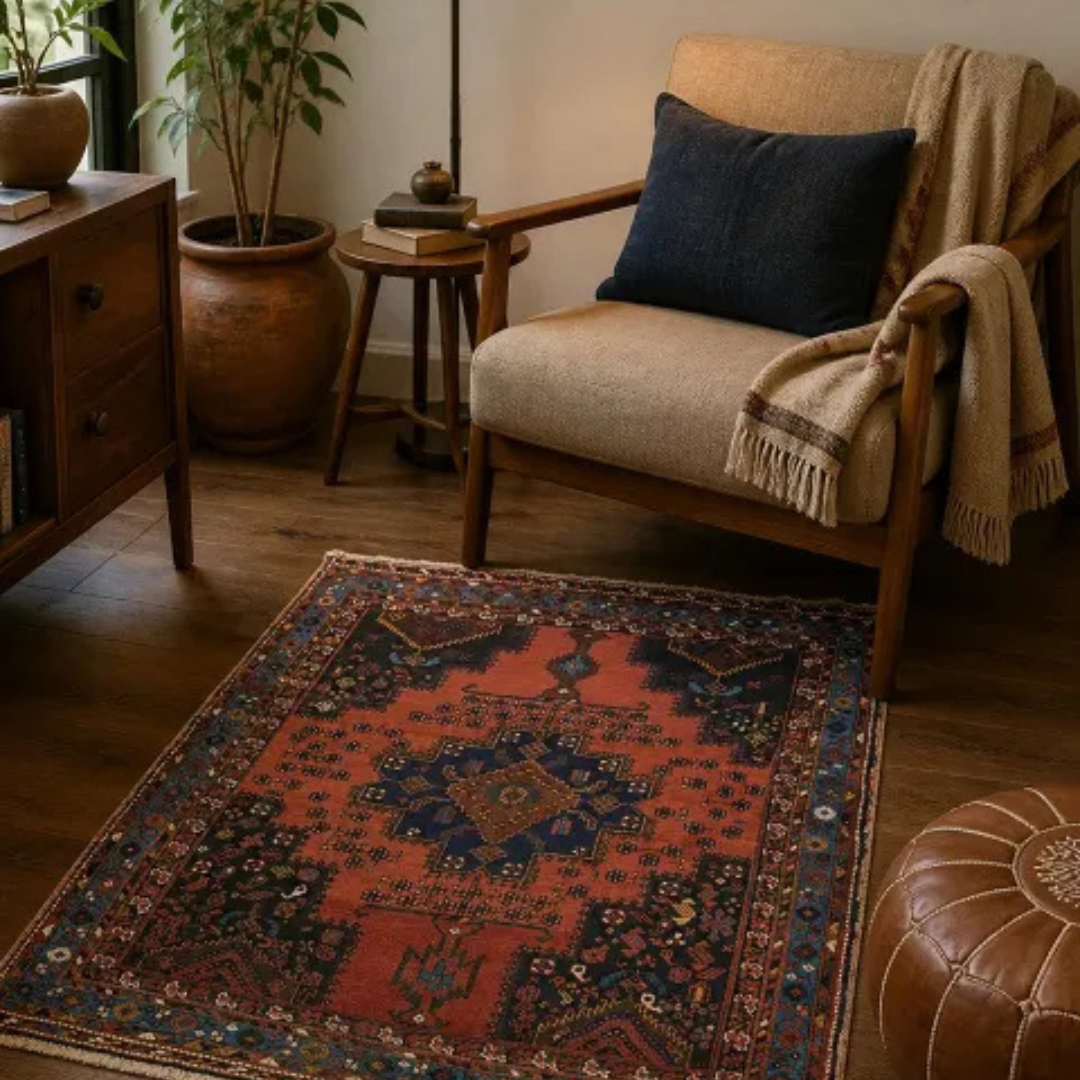
It’s a desire for personality, rich colors, quality, and history. A well-made vintage piece of furniture or decor lets you connect to its maker and former owners, but also tells a story about the current owner.
Why is maximalism seen as a counter-movement?
Interior designers see it as the natural response to decades of real estate staging and social media algorithms that forced a singular aesthetic onto viewers and customers: gray floors, white walls, and mass-market flat-pack furniture.
Maximalism emerged as a statement of individuality, rejecting the idea that a home should look like an Airbnb listing or a staged condo waiting for resale. People learned they enjoy looking at the objects and pieces they love. This is why floor-to-ceiling bookshelves and gallery walls are so popular right now.
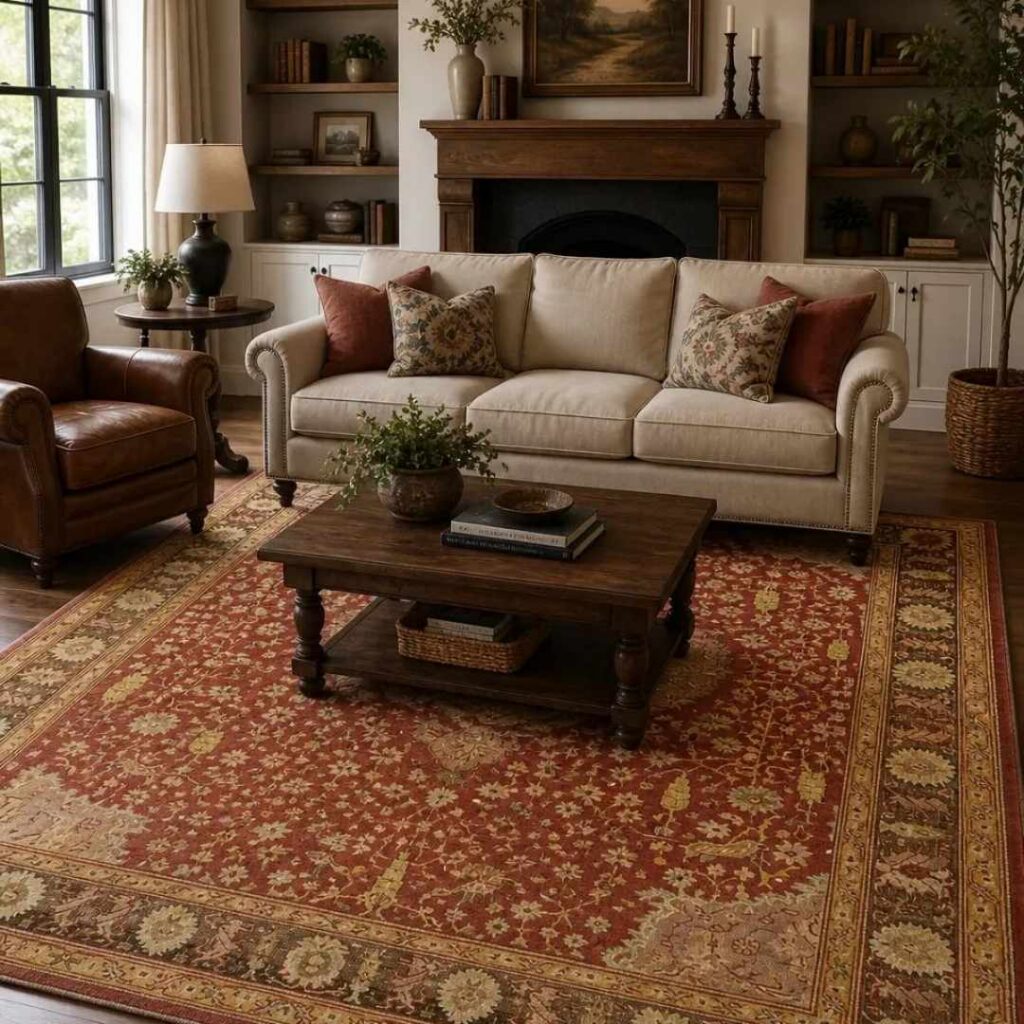
Furthermore, maximalism aligns quite neatly with the circular economy, which is also experiencing a renewal. Unlike minimalism, which needs brand new, immaculate, perfectly matching items, maximalism thrives on thrifting, antique sourcing, and heirlooms. It’s the trend that lets someone mix a 1920s mahogany chest with a modern Scandinavian sofa without regrets.
The Cyclical Nature of Trends
Cold minimalism was a direct response to the 1980s love for postmodern excess, or the “less is bore” movement, combined with the hardships of the 2008 financial crisis.
Neutral grays, clean lines, and uncluttered spaces offered a sense of order during uncertain times. After over a decade of ultra-minimal interiors, people began craving spaces with more warmth and personality. That gave rise to warm minimalism.
Now, the pendulum is swinging once again. Instead of chasing flawless aesthetics, interior designers propose meaningful objects, mixing old with new, and creating a home that reflects the owner’s personality and tells a story.