Why Handmade Rugs Still Outperform Mass-Produced Alternatives

In a world of fast furniture and disposable décor, handmade rugs continue to stand apart. While mass-produced rugs may offer convenience and lower upfront costs, they rarely deliver the longevity, character, or value that handmade rugs provide. For homeowners looking to invest in pieces that age beautifully and elevate a space, handmade rugs consistently outperform their factory-made counterparts.
At Rug Source, we work with handmade rugs every day, from traditional Oriental pieces to modern handwoven designs. The differences are not subtle. They are structural, visual, and experiential.
Craftsmanship You Can See and Feel
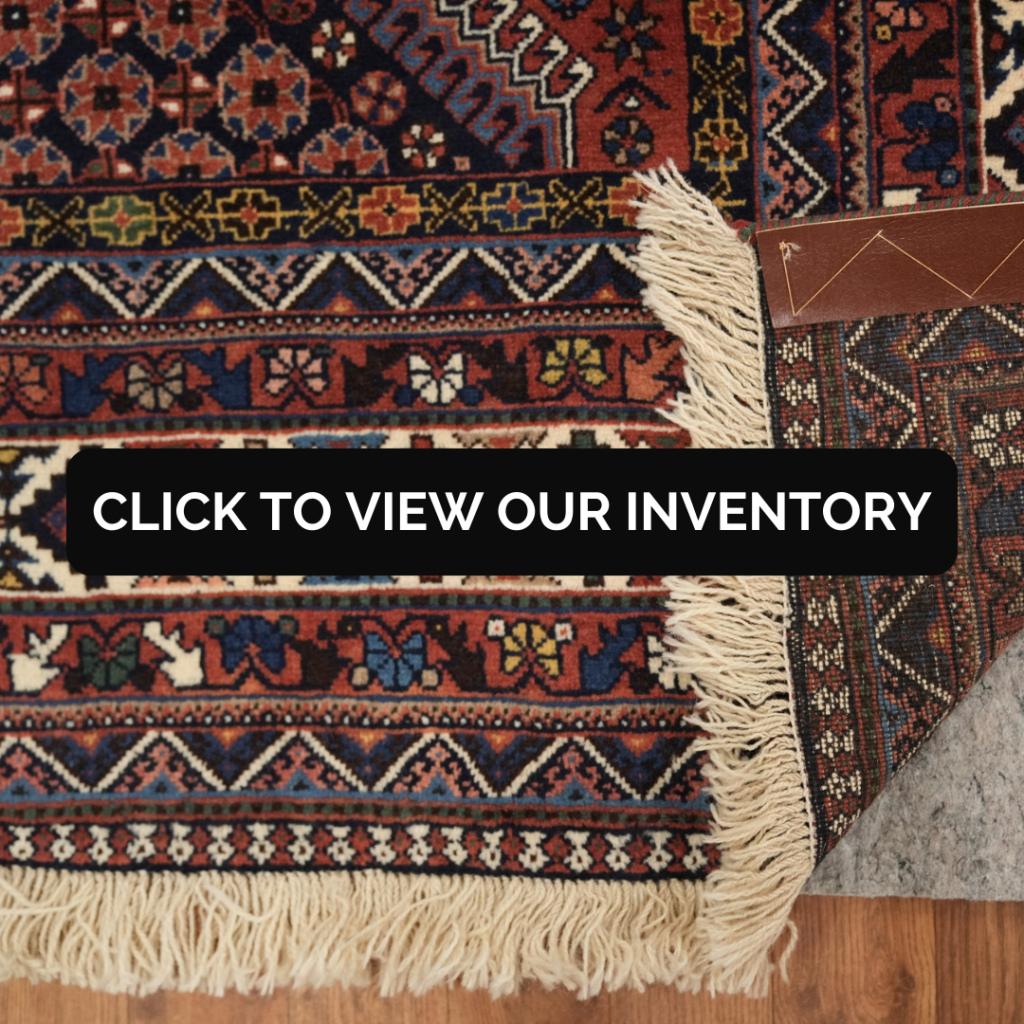
The most important distinction between handmade and mass-produced rugs is construction. Handmade rugs are created knot by knot or weave by weave by skilled artisans, often using techniques passed down through generations. Each rug reflects hours, sometimes months, of labor.
Mass-produced rugs, by contrast, are made using automated looms that prioritize speed and uniformity. While this allows for lower prices, it also results in rugs with less depth, weaker foundations, and shorter lifespans.
Handmade construction offers:
- Stronger structural integrity
- Better resistance to wear patterns
- A softer, more natural feel underfoot
- Subtle variations that give the rug personality
You can explore a wide range of these pieces in Rug Source’s Handmade Rugs and Hand-Knotted Rugs collections.
Materials Matter More Than You Think
Handmade rugs are typically crafted from natural fibers like wool, cotton, and sometimes silk. Wool, in particular, has been used for centuries because of its resilience, natural stain resistance, and ability to hold color beautifully.
Mass-produced rugs often rely on synthetic fibers such as polypropylene or polyester. While these materials can be practical in certain settings, they do not age the same way. Synthetic fibers tend to flatten, lose texture, and show wear more quickly, especially in high-traffic areas.
Natural fibers offer:
- Better temperature regulation
- Improved durability over time
- Richer color saturation
- A more comfortable, breathable surface
Rug Source’s Wool Rugs category highlights how natural materials continue to outperform synthetic alternatives in everyday living.
Longevity That Pays Off Over Time
One of the most overlooked advantages of handmade rugs is their lifespan. A well-made handmade rug can last decades, and in many cases, generations, with proper care. Mass-produced rugs are often treated as temporary décor, replaced every few years as fibers break down or styles fade.
When viewed as a long-term investment, handmade rugs often cost less per year of use than cheaper alternatives. They also maintain aesthetic value, developing patina rather than deterioration.
This is especially true for:
- Living room rugs
- Dining room rugs
- Large area rugs that anchor furniture
Rug Source offers handmade options across Area Rugs, Living Room Rugs, and Large Rugs, making it easy to invest where durability matters most.
Design Depth and Visual Interest
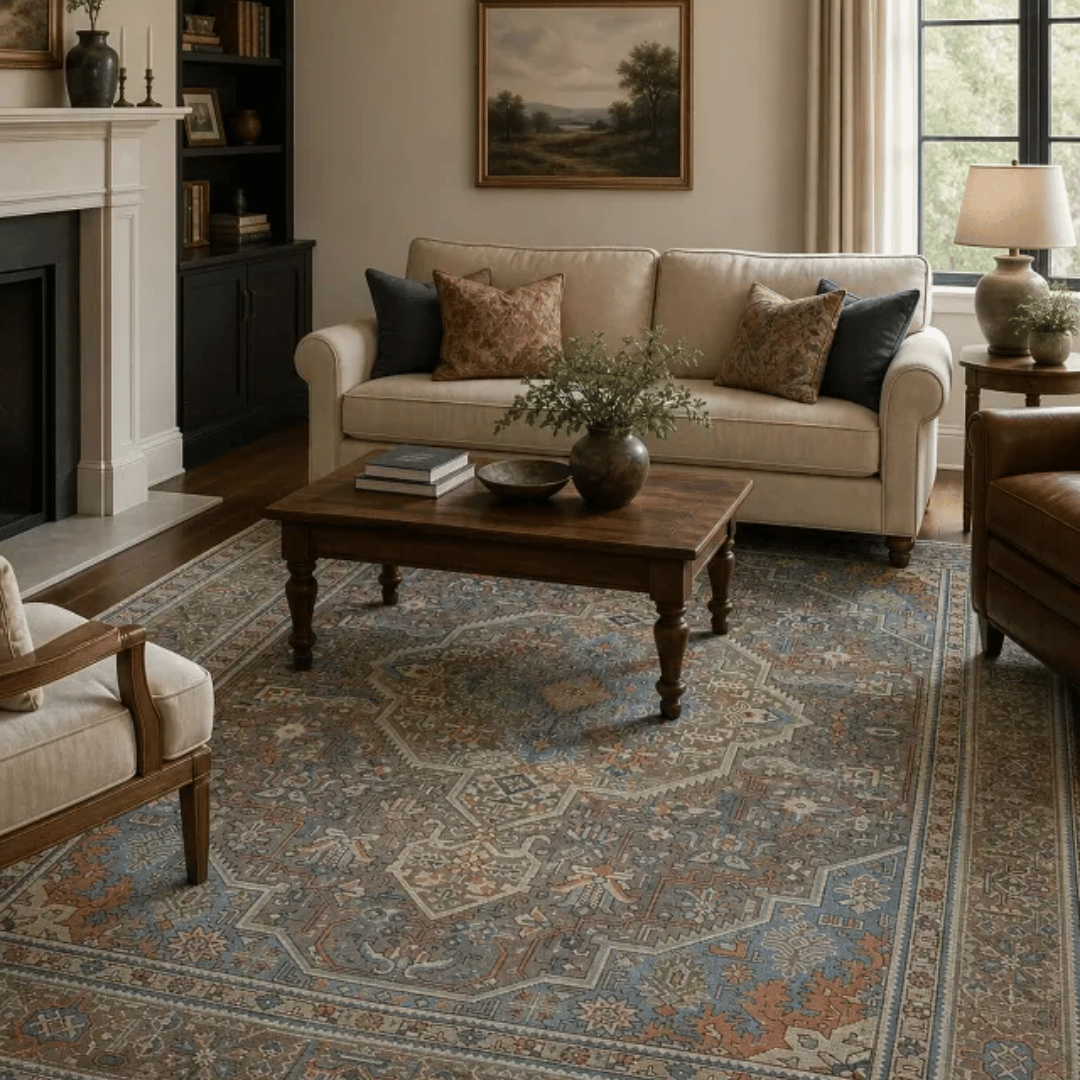
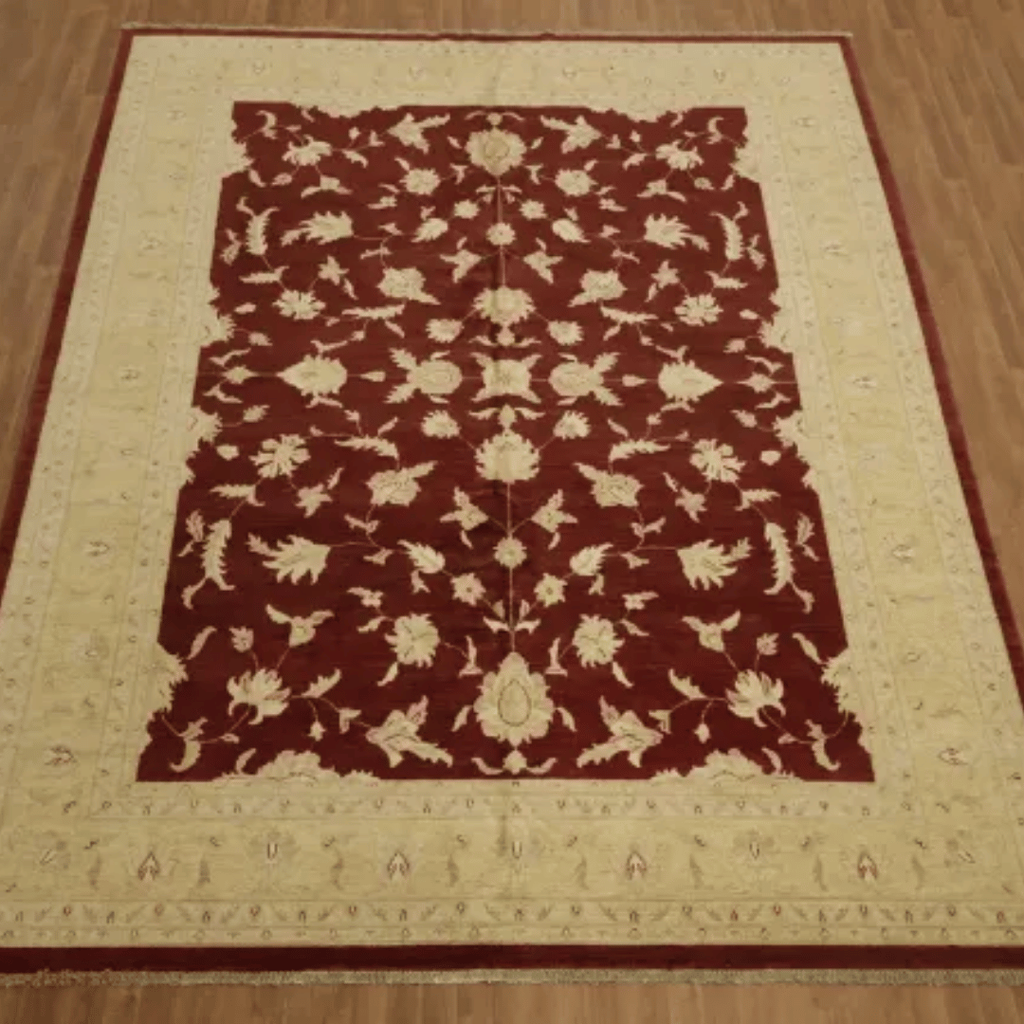
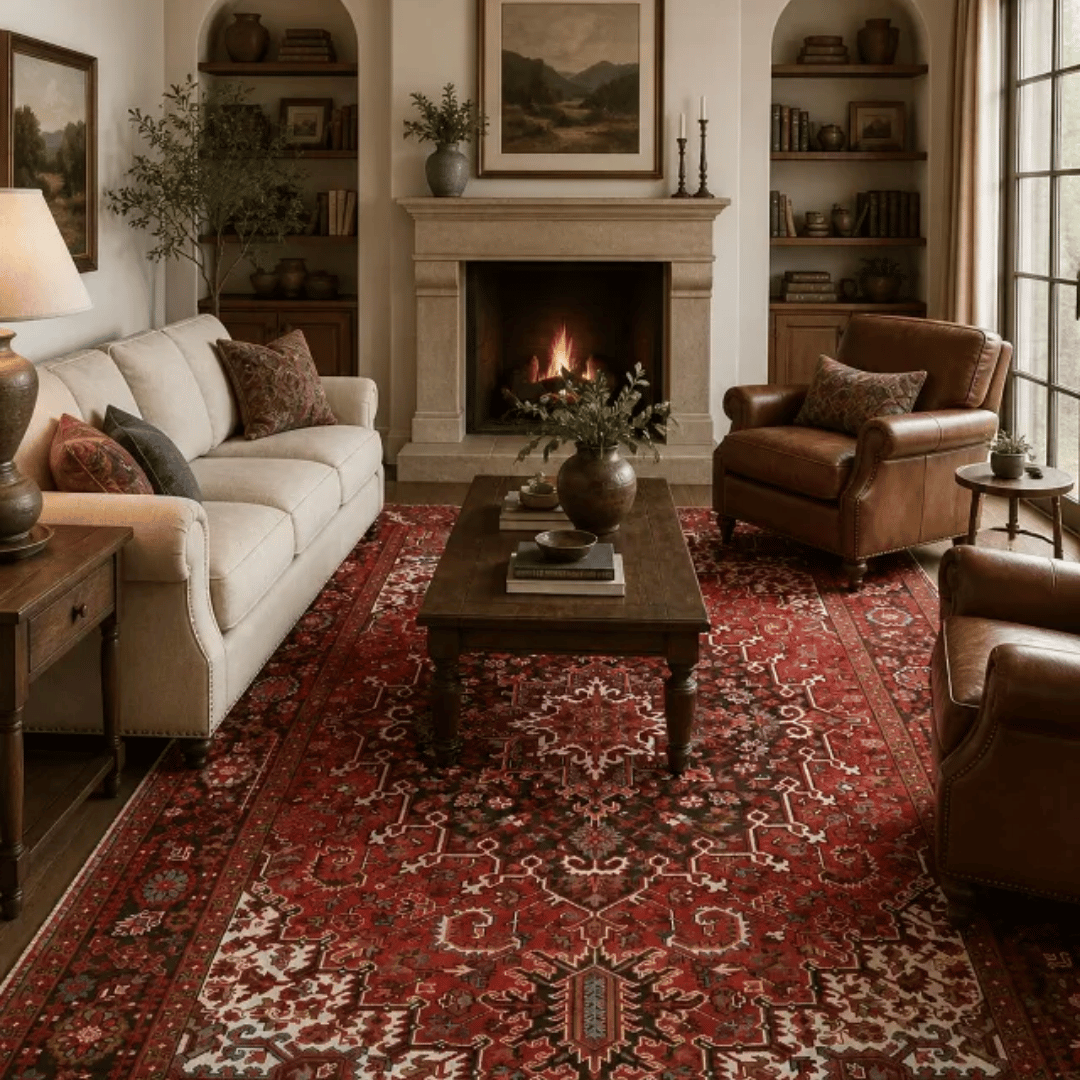
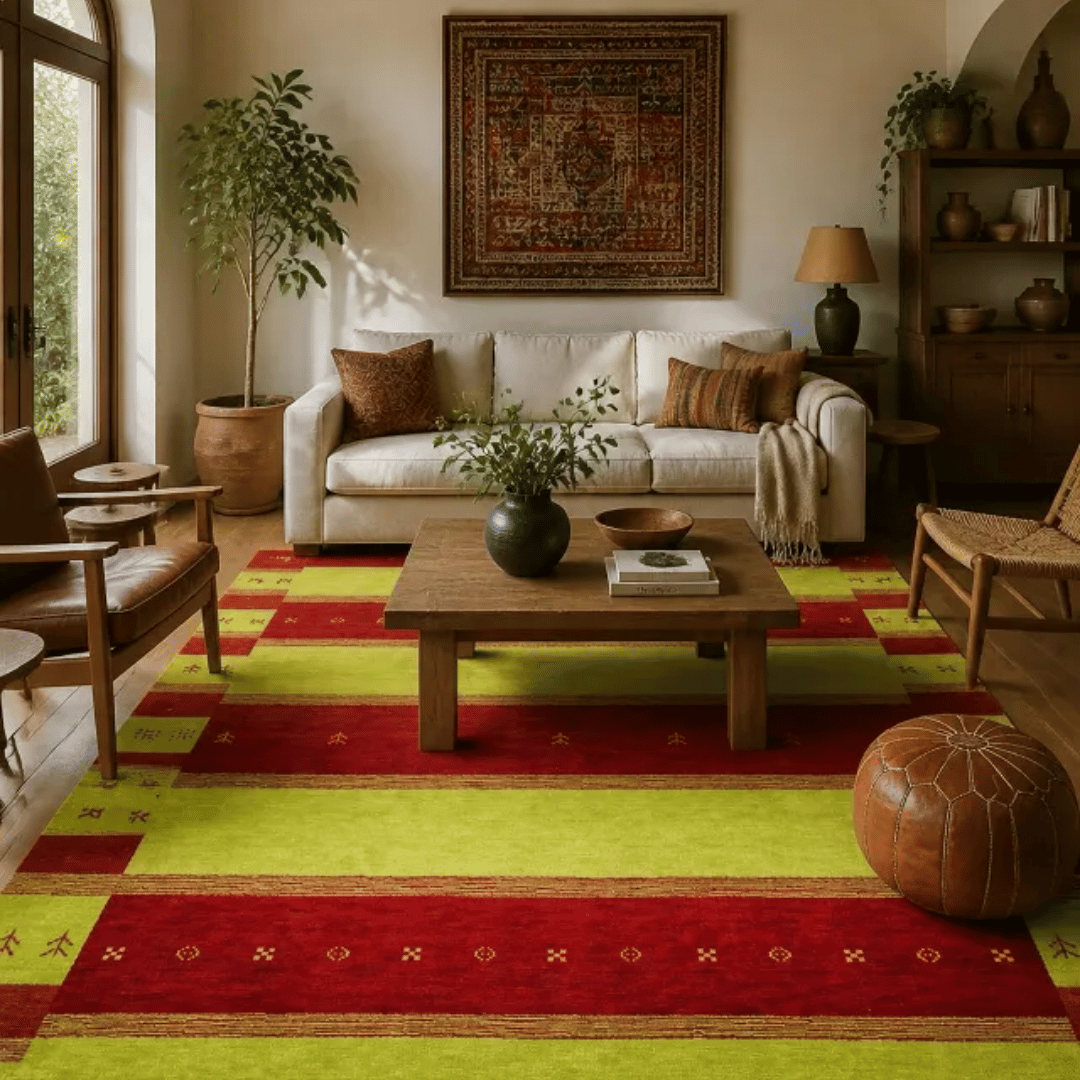
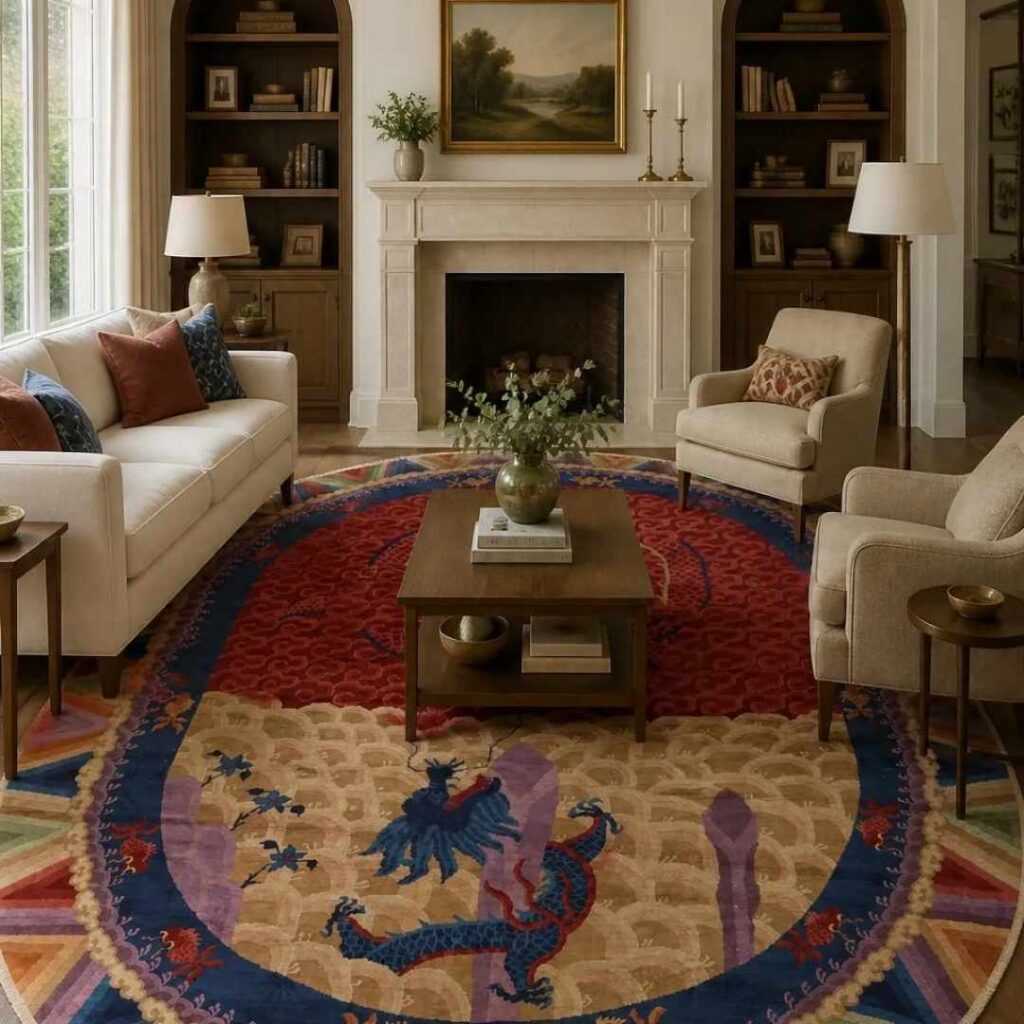
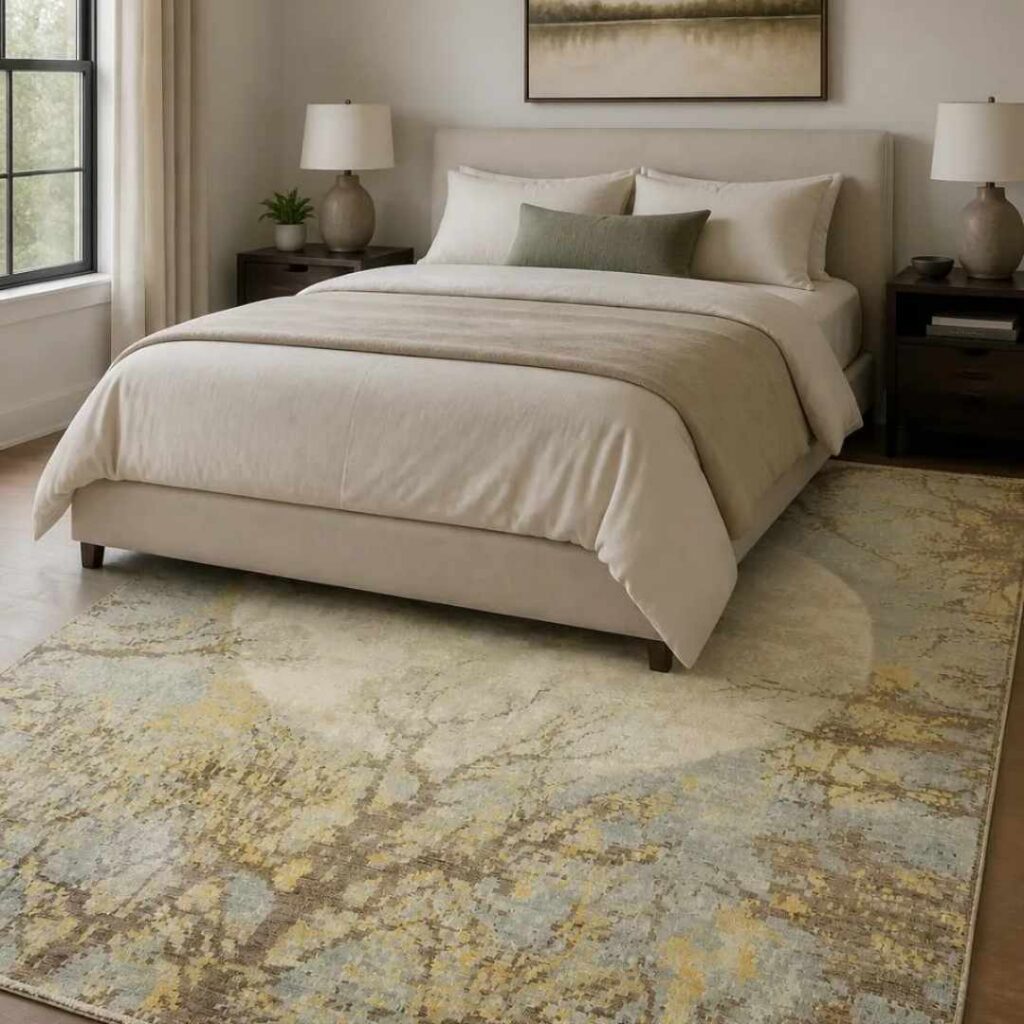
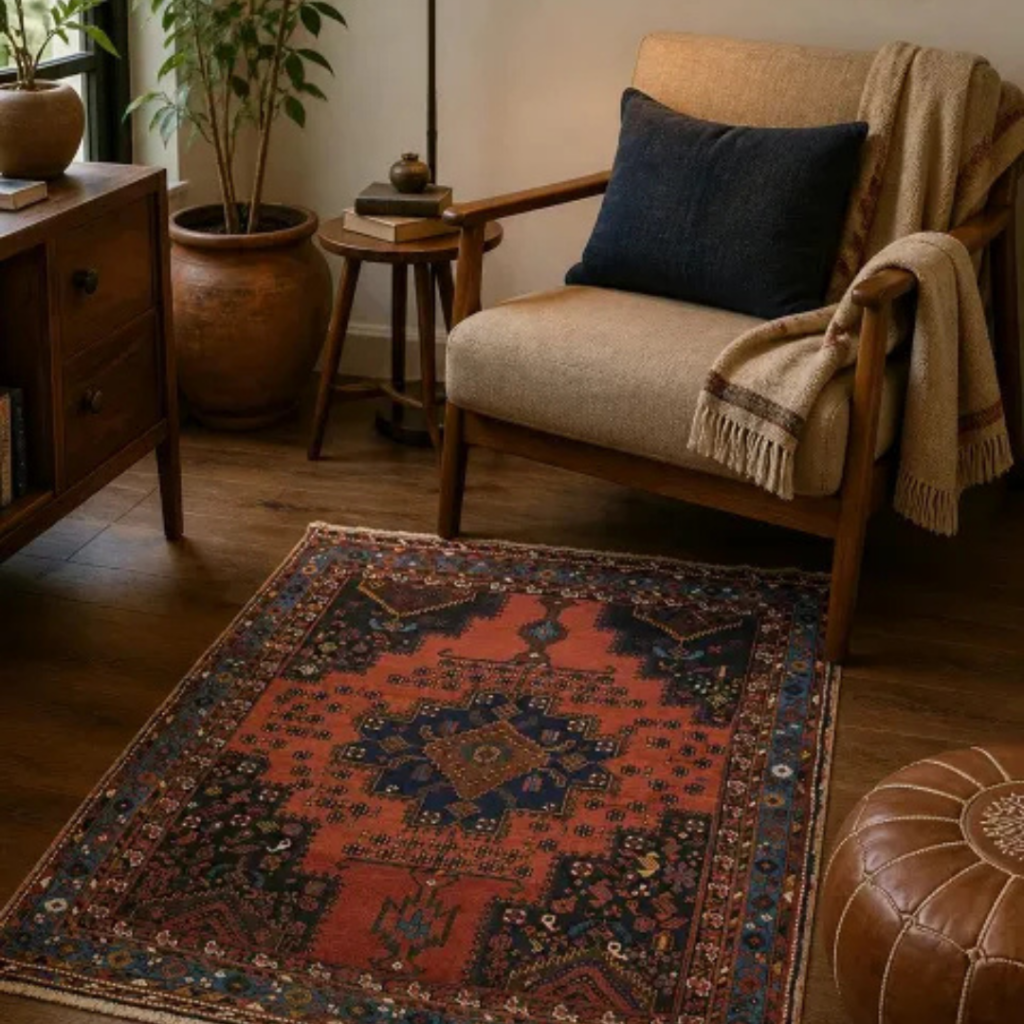
Handmade rugs have a visual richness that machines cannot replicate. Slight variations in knot tension, dye absorption, and weave create depth and movement across the surface of the rug. These subtle irregularities are not flaws but signatures of authenticity.
Mass-produced rugs tend to look flat by comparison. Patterns are printed or mechanically repeated, resulting in a uniform appearance that lacks warmth.
Handmade rugs provide:
- More dimensional patterns
- Softer transitions between colors
- A sense of history and craftsmanship
- Better compatibility with layered interiors
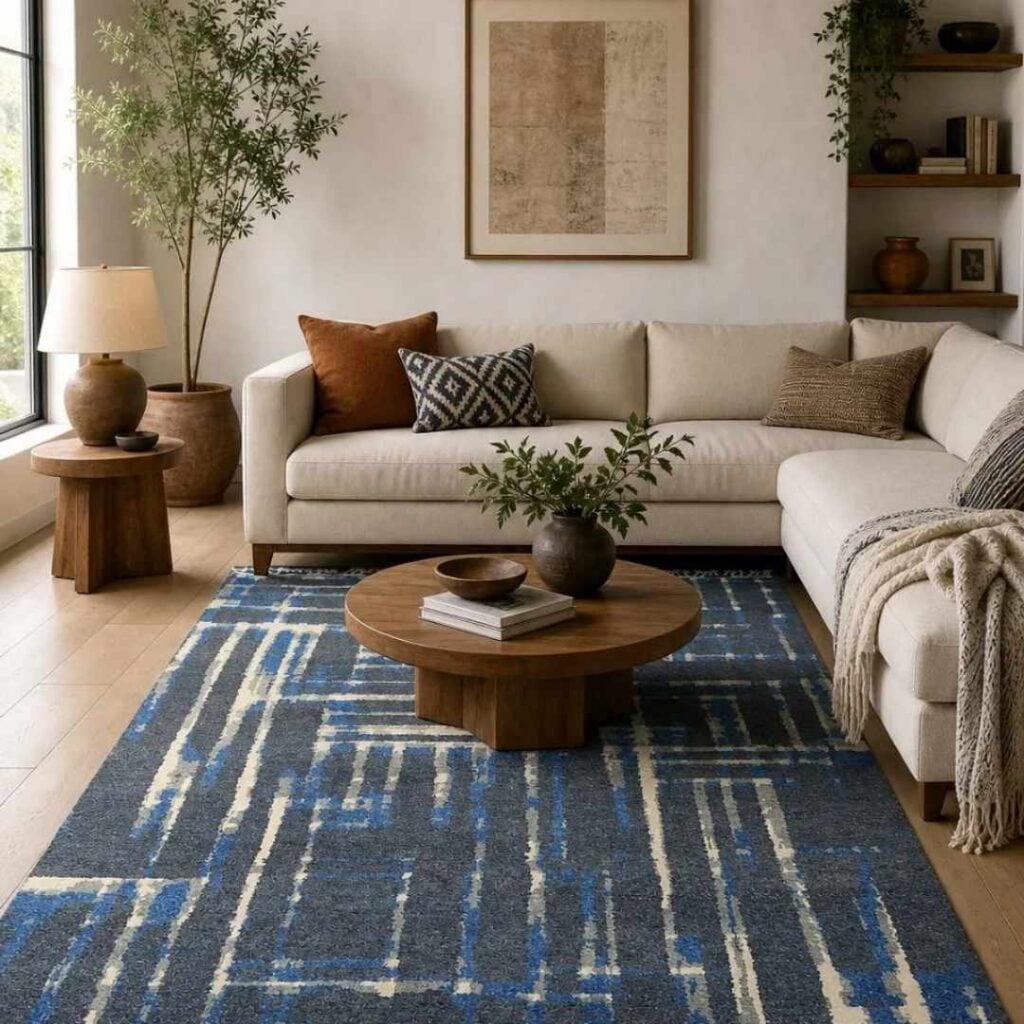
Whether your style leans traditional or modern, handmade rugs bring an organic balance that works across design aesthetics.

A More Sustainable Choice
Handmade rugs are also a more responsible option for environmentally conscious buyers. Natural fibers are biodegradable, and traditional dyeing and weaving methods often have a smaller environmental footprint than industrial manufacturing.
By choosing a handmade rug, you are supporting skilled artisans and preserving traditional craftsmanship while reducing reliance on disposable goods.
When Mass-Produced Rugs Still Make Sense
This does not mean mass-produced rugs have no place. For temporary spaces, rental properties, or areas exposed to extreme wear, a machine-made rug can be practical. The key is understanding the tradeoff.
For spaces where comfort, durability, and visual impact matter most, handmade rugs consistently deliver superior performance.
Why Rug Source Focuses on Handmade Quality
At Rug Source, handmade rugs are central to our collection because they offer lasting value, not just surface appeal. From classic Persian designs to contemporary handwoven styles, our selection reflects a commitment to craftsmanship, quality materials, and timeless design.
If you are looking for a rug that will not only anchor your space but also grow more beautiful with time, explore Rug Source’s curated handmade collections and experience the difference firsthand.