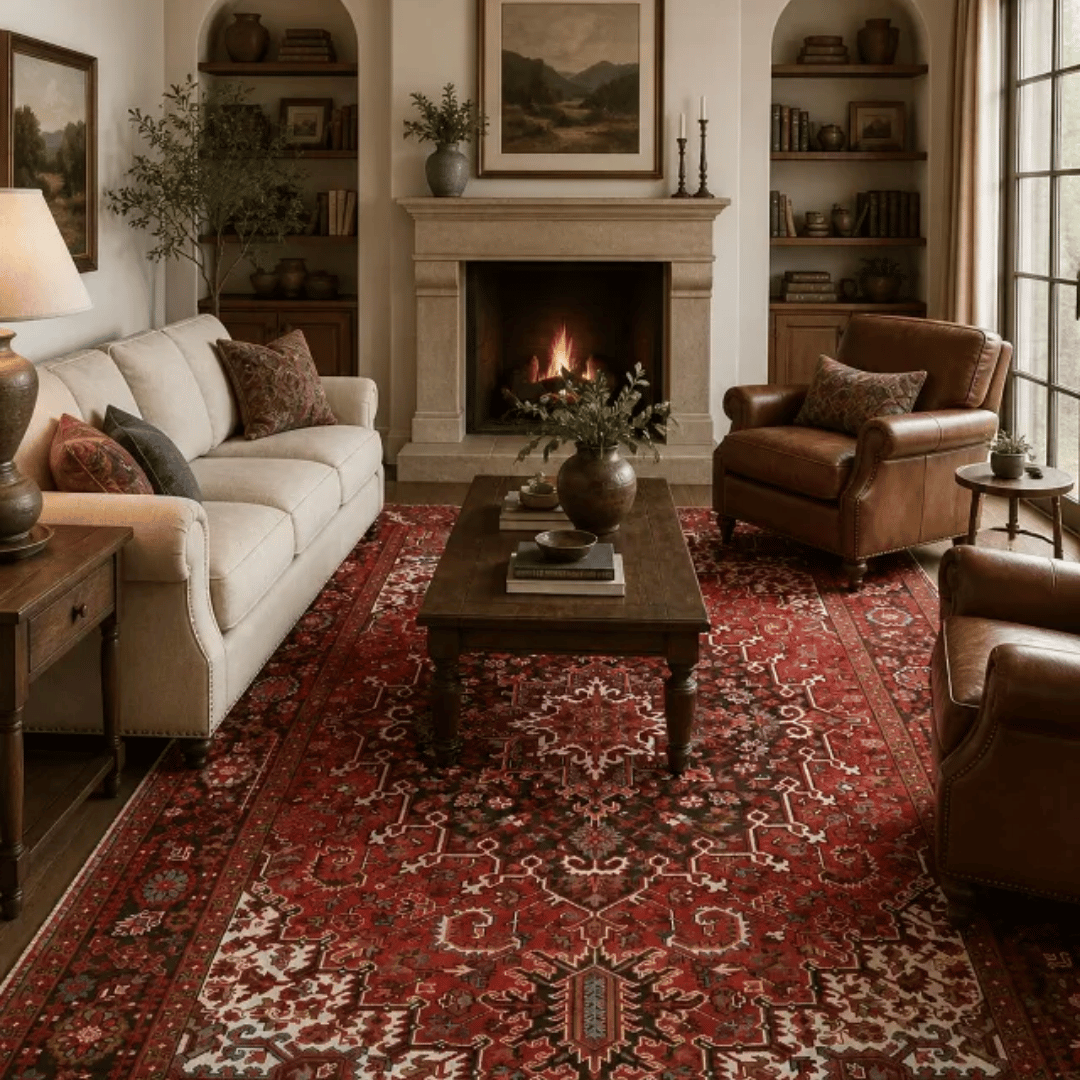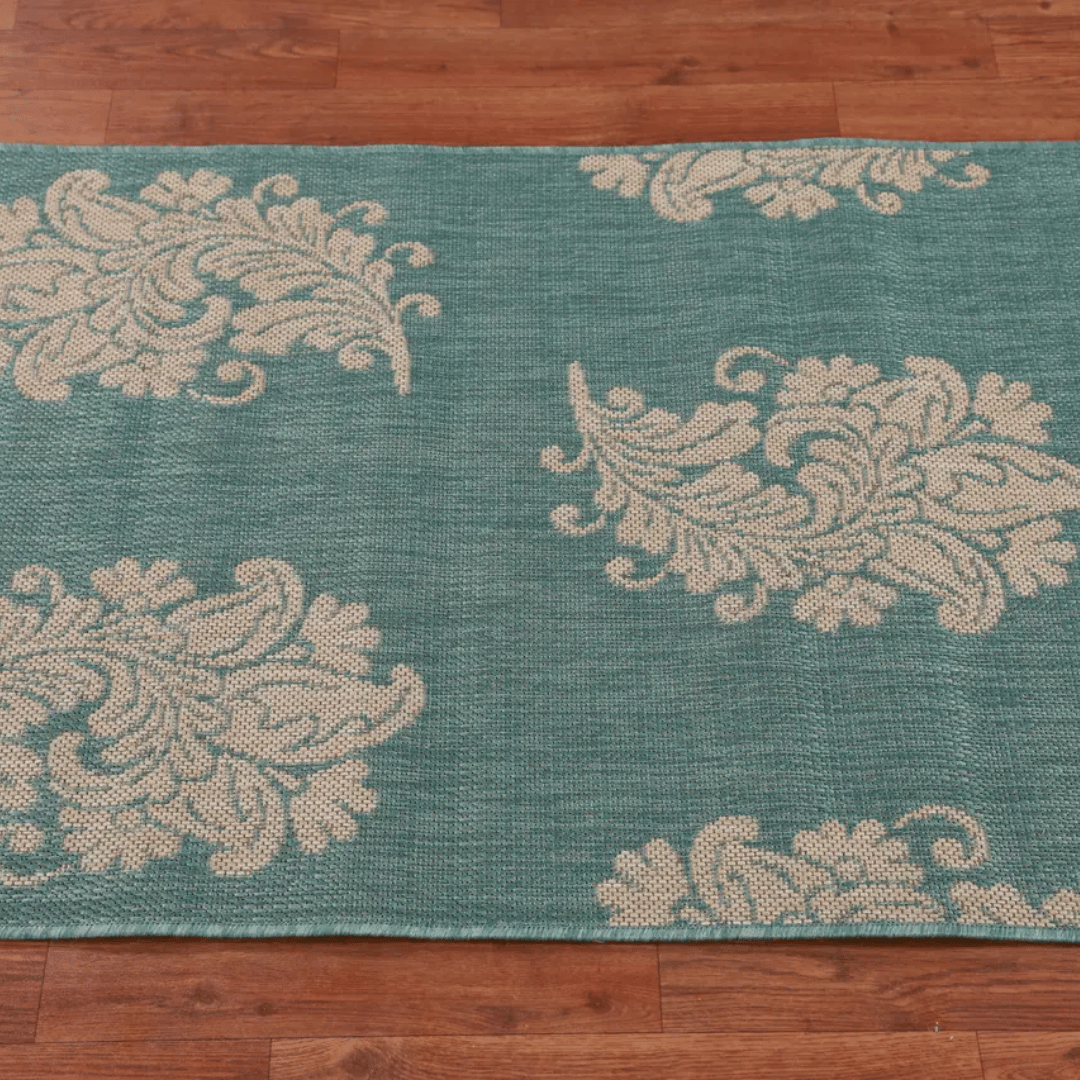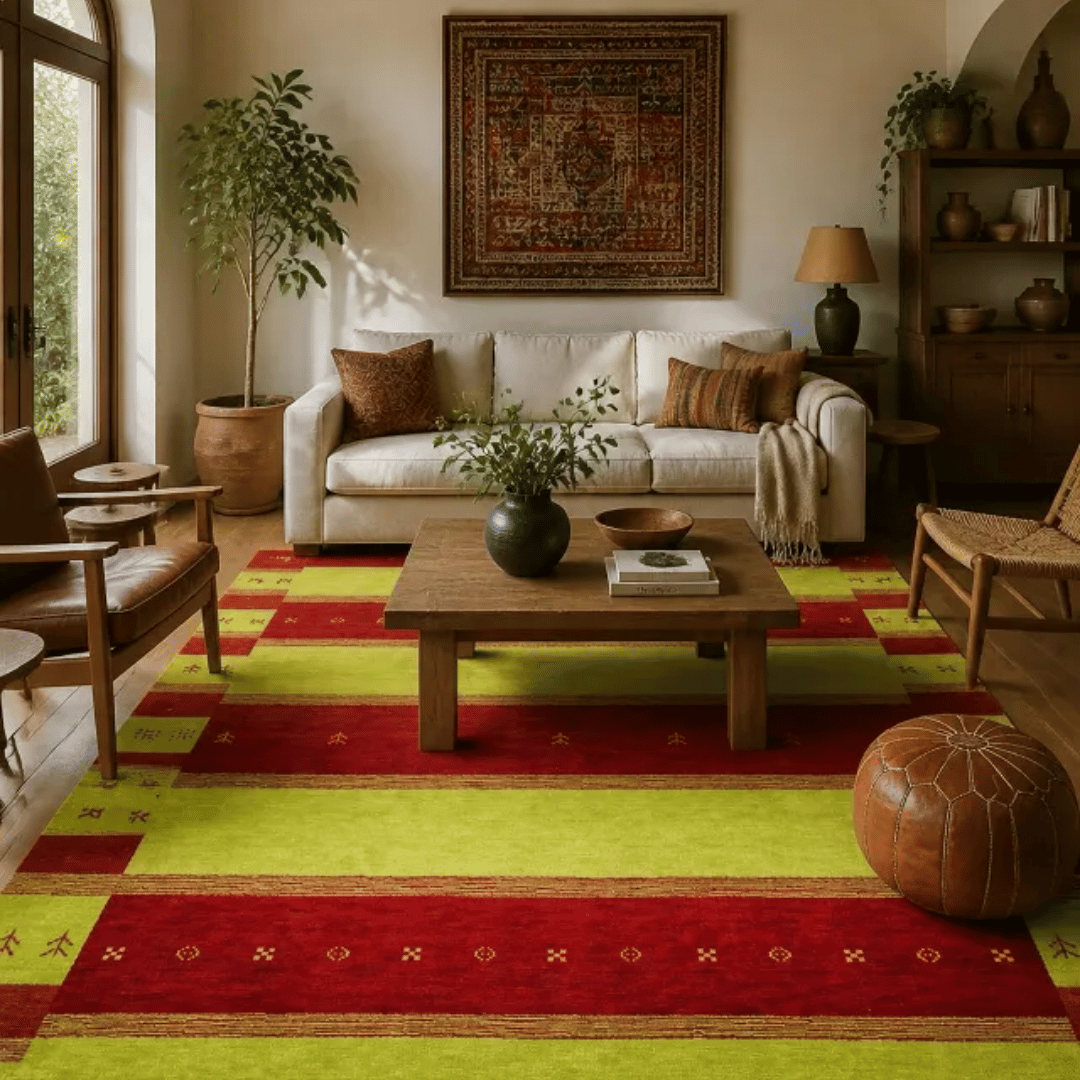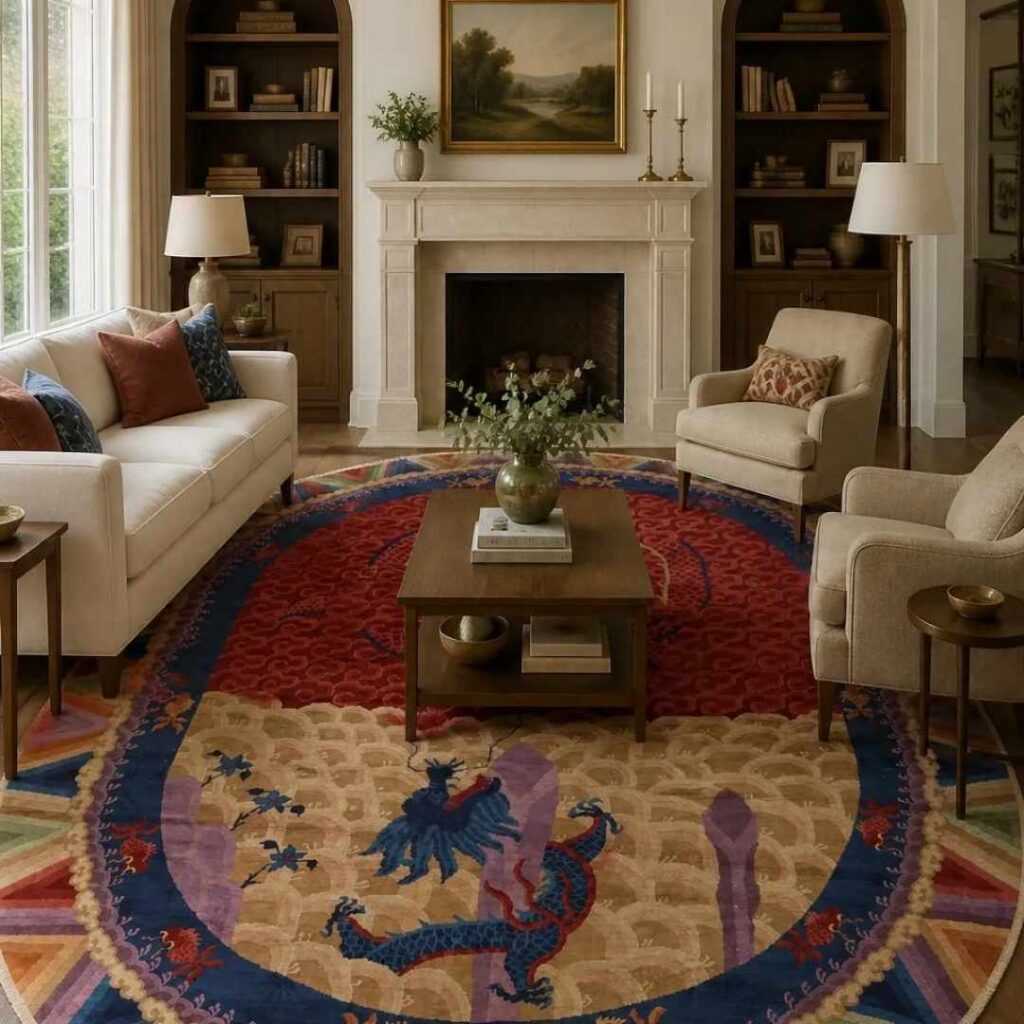

When choosing a rug, style is only half the story. The material underfoot plays a crucial role in comfort, durability, and long-term value. Two of the most common options, wool and synthetic rugs, offer very different benefits. Wool rugs have been prized for centuries for their softness and resilience, while synthetic rugs are modern alternatives valued for affordability and convenience.
So, which is the better option for your home? This guide explores the differences between wool and synthetic rugs in terms of durability, comfort, maintenance, cost, and sustainability, helping you make an informed decision.
What Are Wool Rugs?

Wool rugs are made from the fleece of sheep, a renewable natural fiber that has been used in rug-making for centuries. Traditionally, wool rugs are hand-knotted or handwoven by skilled artisans, though machine-made versions exist as well.
Key characteristics of wool rugs:
- Durability: Wool fibers are naturally resilient and spring back under pressure.
- Texture: Soft, plush feel that adds warmth to any space.
- Moisture and Soil Resistance: Natural lanolin coating repels dirt and liquids.
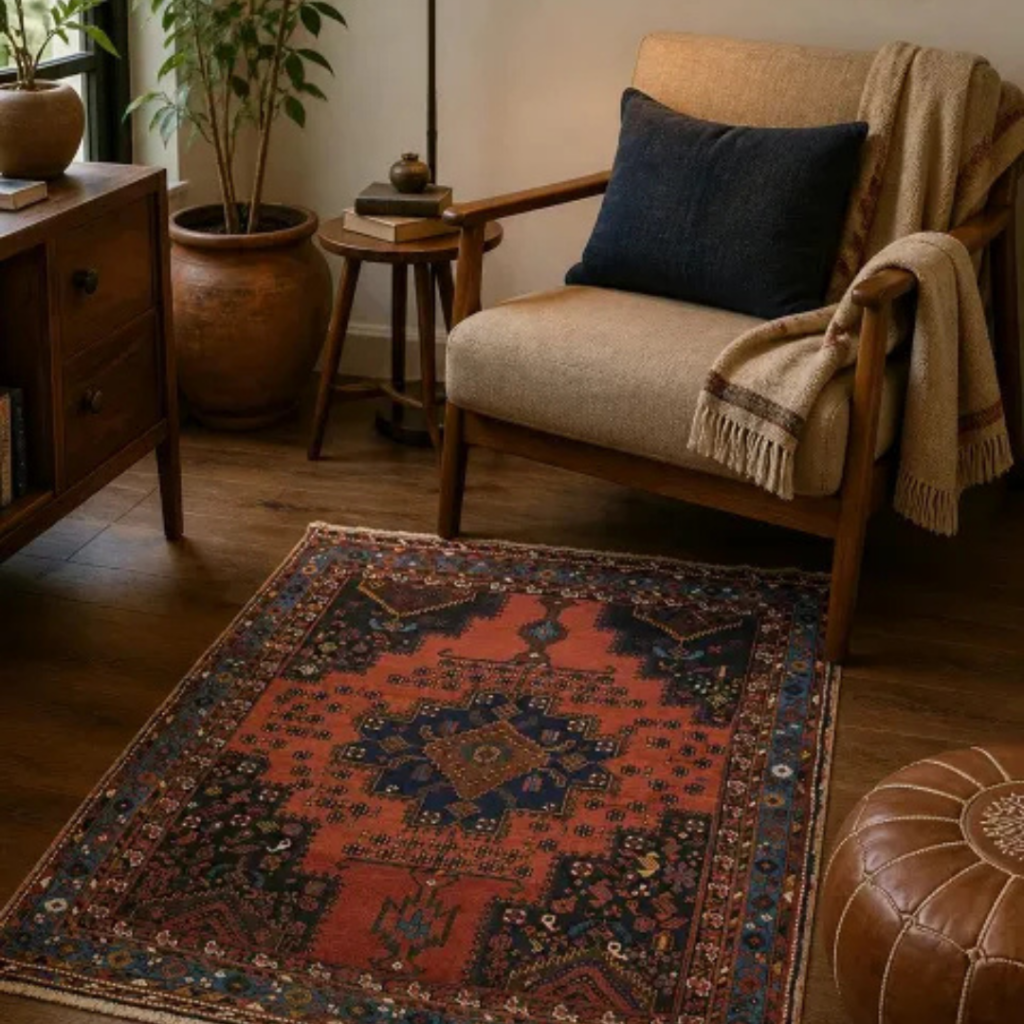
- Cultural Significance: Integral to Persian, Oriental, and European rug traditions.
According to The Woolmark Company, wool is one of the most sustainable and versatile natural fibers in the world, known for its strength and ability to retain vibrant dyes.
What Are Synthetic Rugs?
Synthetic rugs are made from man-made fibers such as nylon, polyester, polypropylene, or acrylic. These rugs are typically machine-produced, making them more accessible in terms of cost and availability.
Key characteristics of synthetic rugs:
- Affordability: Budget-friendly compared to natural fibers.
- Stain Resistance: Many synthetic fibers are treated to repel stains.
- Lightweight: Easy to move and reposition.
- Mass-Produced: Widely available in countless colors, styles, and patterns.
While synthetic rugs can mimic the appearance of wool, they typically lack the same depth of texture or long-lasting durability.
Durability and Longevity
One of the most important considerations when choosing a rug is how well it will hold up over time.
- Wool Rugs: High-quality wool rugs can last 20–50 years or more with proper care. Their fibers naturally resist crushing and wear, even in high-traffic areas. Wool is also flame-resistant and less prone to static buildup.
- Synthetic Rugs: Most synthetic rugs last between 3 and 10 years. While they can perform well in lower-traffic spaces, the fibers tend to flatten over time and may fray or pill with heavy use. Heat and friction also break down synthetic fibers more quickly than natural wool.
If longevity is your priority, wool clearly outperforms synthetic alternatives.
Comfort and Aesthetic Appeal
A rug’s feel and look are just as important as its durability.
- Wool Rugs: Known for their luxurious softness, wool rugs provide warmth underfoot and even help insulate a room by regulating temperature. Wool absorbs dyes deeply, resulting in rich, lasting colors that do not easily fade.
- Synthetic Rugs: Typically lighter and thinner, synthetic rugs can still be soft but often lack the plush, layered texture of wool. While colors are vibrant at first, they may fade more quickly in direct sunlight.
For homeowners seeking a cozy, elevated aesthetic, wool rugs deliver a level of comfort and beauty that synthetic rugs rarely match.
Cost Considerations
Price is often a deciding factor when buying a rug.
- Wool Rugs: Generally come with a higher initial investment because they use natural fibers and often involve hand-weaving techniques. However, their longevity makes them cost-effective over time. A wool rug may serve a home for decades, eliminating the need for frequent replacements.
- Synthetic Rugs: Far more affordable upfront, synthetic rugs are ideal for those furnishing rentals, dorms, or temporary living spaces. That said, they often need to be replaced more frequently, which can add up over time.
From a long-term perspective, wool offers better value, while synthetic is better for quick or budget-conscious purchases.
Maintenance and Cleaning
Both wool and synthetic rugs require care, but their maintenance needs differ.
- Wool Rugs: Naturally stain-resistant, wool rugs are easier to keep clean than many assume. Regular vacuuming with a suction-only vacuum removes dirt, while spot cleaning with mild solutions handles most spills. Professional cleaning every 1–3 years is recommended to preserve fibers. Wool also resists dirt buildup thanks to its natural oils.
- Synthetic Rugs: Often easier for small, day-to-day cleaning, and some synthetic rugs can even be machine-washed, depending on size. However, they can trap odors and degrade more quickly if exposed to repeated washing or harsh cleaners.
The Spruce notes that wool’s natural lanolin helps resist stains and spills, while synthetic rugs may stain less initially but show wear sooner when heavily cleaned.
Environmental and Health Impact
Sustainability is another factor in the wool vs. synthetic debate.
- Wool Rugs: Wool is a renewable, biodegradable resource. Wool rugs naturally decompose without leaving harmful waste behind. They are also hypoallergenic, repelling dust mites and reducing allergens in the home.
- Synthetic Rugs: Made from petroleum-based materials, synthetics are not biodegradable and have a larger carbon footprint. Some may also emit VOCs (volatile organic compounds), particularly when new.
For eco-conscious homeowners, wool is the clear winner.
Which Is Right for You?
Ultimately, the choice between wool and synthetic rugs depends on your lifestyle, budget, and priorities.
Choose wool rugs if:
- You value durability and want a rug that lasts for decades.
- You’re furnishing a permanent home or looking for a long-term investment.
- Sustainability and authenticity matter to you.
Choose synthetic rugs if:
- You need a short-term, budget-friendly option.
- You’re furnishing a rental, dorm, or child/pet-heavy household where spills are frequent.
- You want lightweight, easily replaceable décor.
Rug Source’s Expertise and Selection

At Rug Source, we specialize in authentic wool rugs that combine quality craftsmanship with timeless design. Our collection includes everything from Persian and Oriental rugs to Moroccan and modern wool styles, each carefully selected for authenticity and durability.
Whether you’re looking for a small accent piece or a statement rug, our wool rugs are made to last and elevate your home for years to come. For larger spaces, explore our range of room-size rugs, which showcase the enduring appeal of natural wool in every design style.
Conclusion
When comparing wool rugs and synthetic rugs, the differences are clear. Wool rugs offer unparalleled durability, comfort, and eco-friendliness, making them a true investment for homeowners. Synthetic rugs, while affordable and practical for short-term use, simply don’t carry the same longevity or depth of beauty.
At Rug Source, we believe every rug should combine functionality with artistry. Our curated collection of wool rugs ensures you’ll find a piece that not only enhances your home’s style but also stands the test of time.
Ready to invest in long-lasting quality? Explore Rug Source’s collection of wool rugs today and discover the perfect balance of beauty, comfort, and value.