

Minor animal accidents happen, but it’s important to clean them up as soon as possible. One of the most problematic messes to tackle is when your furry pet urinates on a wool rug. If the stain soaks through to the pad, you may have to replace it. Before deciding on your next steps, here’s how to clean wool rugs after an animal peed on them.
Getting Rid of the Odor
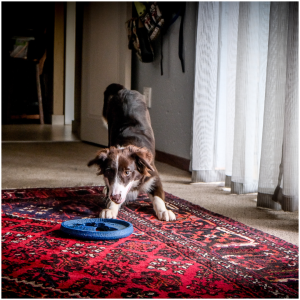
Your first priority should be to remove the urine odor. If the urine is still wet and fresh, you should begin by blotting the area with paper towels or a cotton cloth. Don’t rub the rug, as it will only work the urine further into the fibers.
Once all of the liquid has been removed, mix together equal parts of white vinegar and cold water, or a teaspoon of a fabric-safe enzyme cleaner and cold water. Spray the area generously with your solution and leave it to dry, and the odor should be gone.
If the urine has dried, it’s best to use a fabric-safe enzyme cleaner to break down the uric acid in the urine. Spray the cleaner directly on the area and let it sit for around 10 minutes.
After that, you can use a soft brush to scrub the rug. Rinse the area with clean water and blot dry with paper towels or a cotton cloth again.
Dealing with the Pad
If the urine has gone through the top fibers of your rug to the pad underneath, you may have to replace it. However, you can try to save it in the following way. Lift the rug and blot any excess liquid with towels. Place spoonfuls of absorbent material, such as cat litter or baking soda, on the pad and allow it to sit for 30 minutes. Vacuum away the material and any remaining urine. Disinfect the area treated with an enzyme cleaner, rinse with clear water, and dry.
Protection
The best way to protect your wool rug from accidents is to use a protective polish. Look for a non-toxic and odorless product that is formulated specifically for wool. Place the polish on top of the rug and it will provide a protective barrier against stains and odors.
Causes of Animal Accidents on Wool Rugs
There are several factors that can cause animal accidents on wool rugs, including:
- Inappropriate training. If pets are not properly trained to use designated areas for toileting, they may have accidents on wool rugs.
- Medical issues. Pets with medical issues, such as urinary tract infections or digestive problems, may have accidents on wool rugs. Better call or bring it to a veterinarian immediately.
- Stress or anxiety. Pets who are stressed or anxious may have accidents on wool rugs as a result of their emotional state.
- Inadequate access to outdoor spaces. Pets who do not have adequate access to outdoor spaces may be more likely to have accidents on wool rugs.
- Lack of routine. Pets who do not have a consistent routine for eating and toileting may be more likely to have accidents on wool rugs.
- Aging. Older pets may have accidents on wool rugs as a result of age-related health issues or mobility problems.
- Poor cleaning. If a rug is not properly cleaned, it may retain smells that attract animals to urinate on it.
To prevent animal accidents on wool rugs, it is important to provide appropriate training, address any medical issues, create a consistent routine, provide adequate outdoor access, and ensure that pets have a comfortable and stress-free environment. Additionally, using protective covers or limiting access to certain areas of the home may help to prevent accidents on wool rugs.
Types of Damage Caused by Animals
Animals can cause various types of damage to wool rugs, including:
- Pet Urine Stains. If a pet urinates on a wool rug, it can leave a yellow or brown stain that can be difficult to remove. The urine can also cause damage to the fibers of the rug.
- Chewing. Chewing is a very common problem that occurs when cats or dogs bite and tear away at the rug fibers, leaving behind an unsightly mess. This type of damage can be especially difficult to repair, since it often requires replacing entire sections of the rug.
- Scratches. Cats and dogs can scratch wool rugs, causing damage to the fibers. This can result in frayed edges or pulled loops, which can be difficult to repair.
- Foul Odors. Pets can cause foul odors in wool rugs if they have accidents or mark their territory on the rug. This can be difficult to remove and may require professional cleaning.
- Fading. Pets that spend a lot of time on wool rugs can cause fading over time due to the natural oils in their fur or hair. This can result in uneven color or shading.
- Soil and Dirt. Animals can track soil, dirt, and debris from outside onto wool rugs. Over time, this can cause the rug to look dirty and can also damage the fibers.
- Dye Bleeding. If a pet has an accident on a wool rug, the dye on the rug can bleed, causing discoloration or staining. This can be difficult to remove and may require professional cleaning.
Overall, it’s important to take preventative measures to protect wool rugs from animal damage. This can include keeping pets off the rug, regular vacuuming to remove pet hair and debris, and prompt cleaning of any accidents or spills.
How to prevent future animal accidents on wool rugs
When it comes to wool rugs, you want to keep them looking as beautiful as the day they arrived. Unfortunately, furry family members can have accidents that can stain and damage your rug inside your home. To help you prevent such accidents from happening, we’ve put together a few tips to reassure you on how best to keep your wool rug safe and clean.
1. Vacuum regularly – Vacuuming your rug on a regular basis is a great way to keep it free of dirt and debris. This will reduce the chances of dirt attracting animals that may accidentally soil the rug. Additionally, vacuuming helps to keep the fibers of the rug strong and prevent matting or fraying over time.
2. Use natural cleaning products – When it comes to cleaning up any accidents on your wool rug, it’s important to use natural cleaning products that won’t damage the fibers or discolor the fabric. Natural enzymes are your best bet as they will break down any organic matter without leaving behind any chemical residue that could harm your pet or family members.
3. Move furniture regularly – If you own furniture that sits atop your wool rug, be sure to move it around every so often in order to give all areas of the rug exposure to air and light. This will help prevent mold or mildew from forming, which can attract animals looking for a place to go potty!
4. Cover exposed areas – If you have an area rug made of wool, make sure to cover any exposed areas with plastic sheeting or another protective material. This will help keep your pet away from the rug and reduce the chances of them having an accident on it.
5. Avoid certain fabrics – Certain fabrics like silk or velvet are not suitable for pet owners as they are easily stained by animal accidents and very difficult to clean afterwards. It’s best to avoid these materials when selecting a rug for your home if you have pets that may have accidents on it.
6. Supervise pets when necessary – Depending on the breed of pet you have, you may need to supervise them while they’re in the same room as your wool rug. This will help ensure that they don’t get too close and potentially soil the rug with an accident before you can intervene.
Preventing animal accidents from happening on your wool rug doesn’t have to be difficult! By following these simple tips, you can enjoy beautiful rugs for years without having to worry about pet messes ruining them and have a calm and quiet mind!
Conclusion
Accidents happen and a rug treated with animal pee can be a difficult thing to clean. If the urine is still wet, you should blot the area and use white vinegar or enzyme cleaner to remove the odor. If it’s dried, you should use a fabric-safe enzyme cleaner and light scrubbing. If the urine soaks through to the pad, you can try to save it by placing absorbent material and then vacuuming it away. Finally, you should apply a protective polish, which will form a barrier against accidental spills and messes. Following these steps should have your wool rug looking and smelling fresh.