
Blog
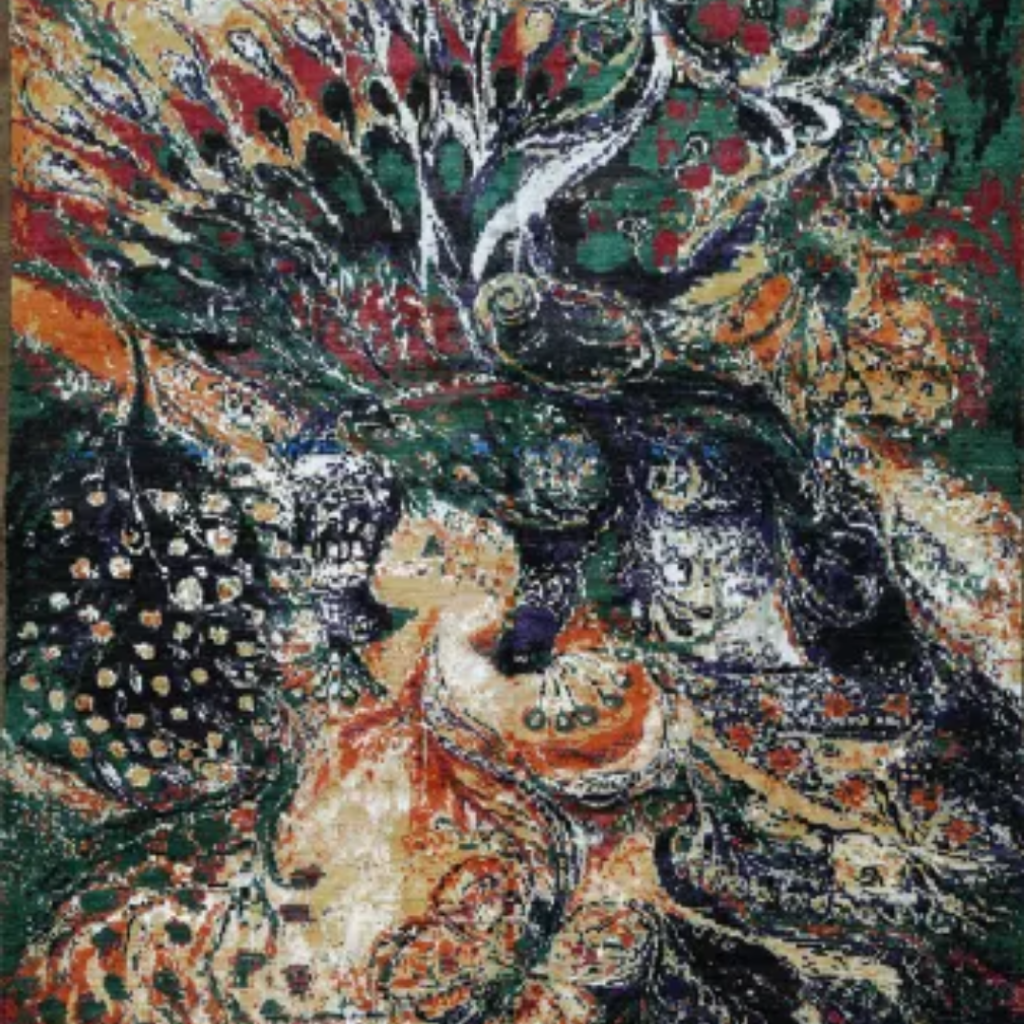
Persian Rugs vs. Modern Rugs: Which Is Better For Summer Decorating?

Summer décor can sometimes be tricky with area rugs, so here’s a comparison between modern and Persian rugs!
Key Takeaways
Both...
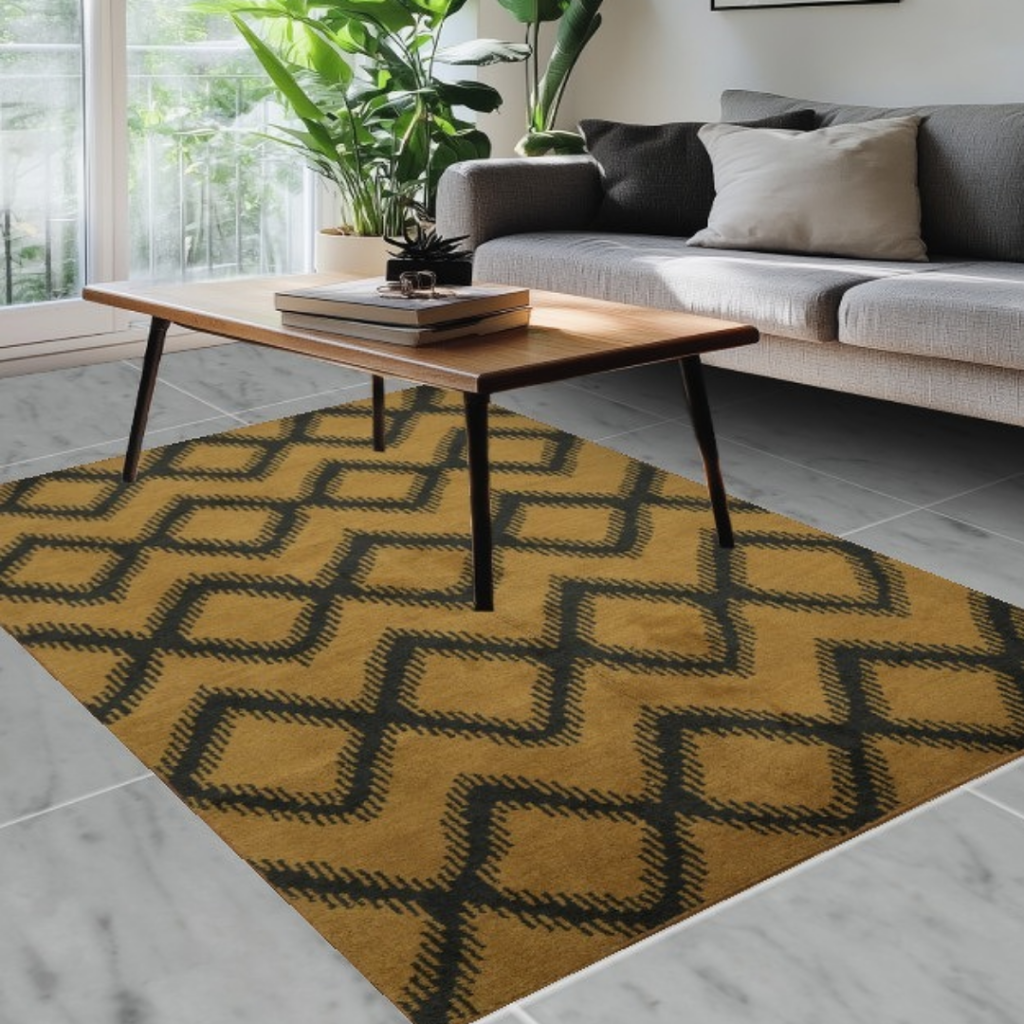
Summer Home Decorating Ideas Using Handmade Indian Rugs
Refresh your home this summer with the ageless beauty of Rug Source’s handmade Indian rugs!
Key Takeaways
All of our handmade I...
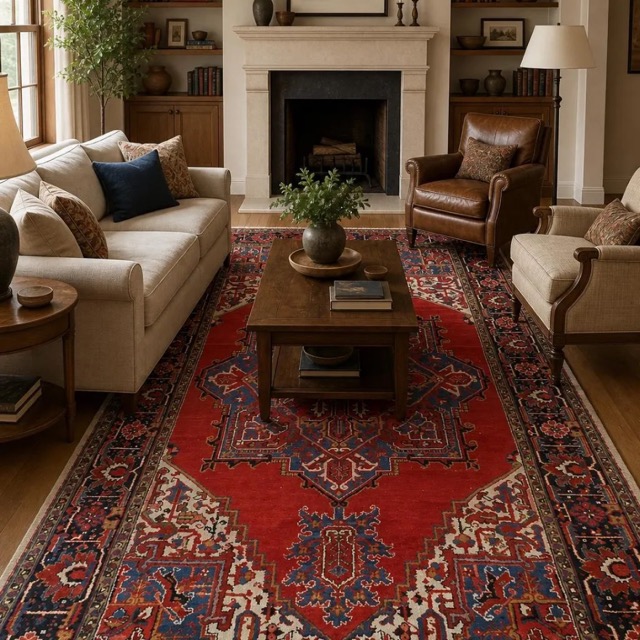
Why Heriz Rugs Are Great For High-Traffic Areas
Here are some of the top reasons why handcrafted Heriz rugs have been trusted by busy households for generations!
Key Takeaways
...
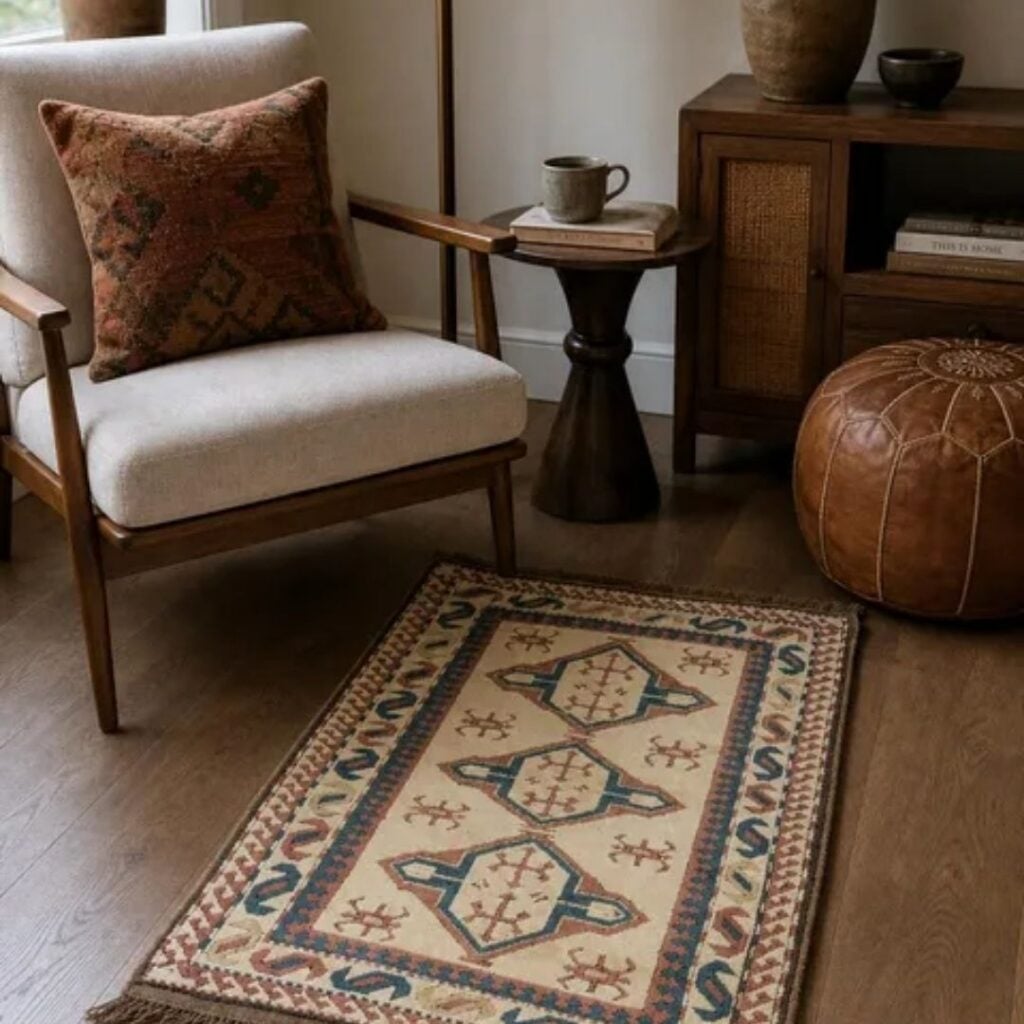
Summer Entryway Design Ideas Featuring 3×5 Rugs

Here are some tips to create a warm and welcoming style at your home using 3x5 rugs!
Key Takeaways
3x5 rugs are one of the ...
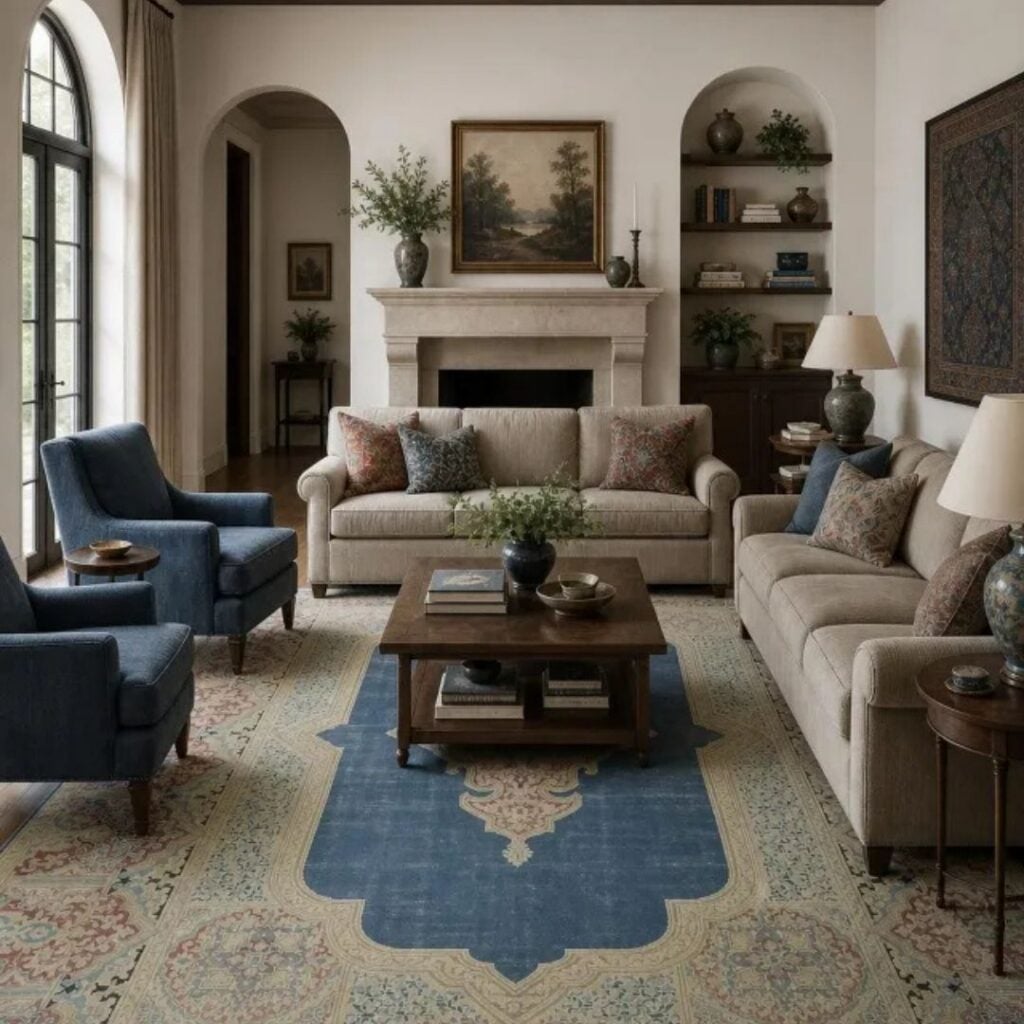
The Most Popular Vintage Rug Colors For Summer 2026
Here are some of the common color choices we’re seeing this season from our vintage rug purchases!
Key Takeaways
Faded terr...
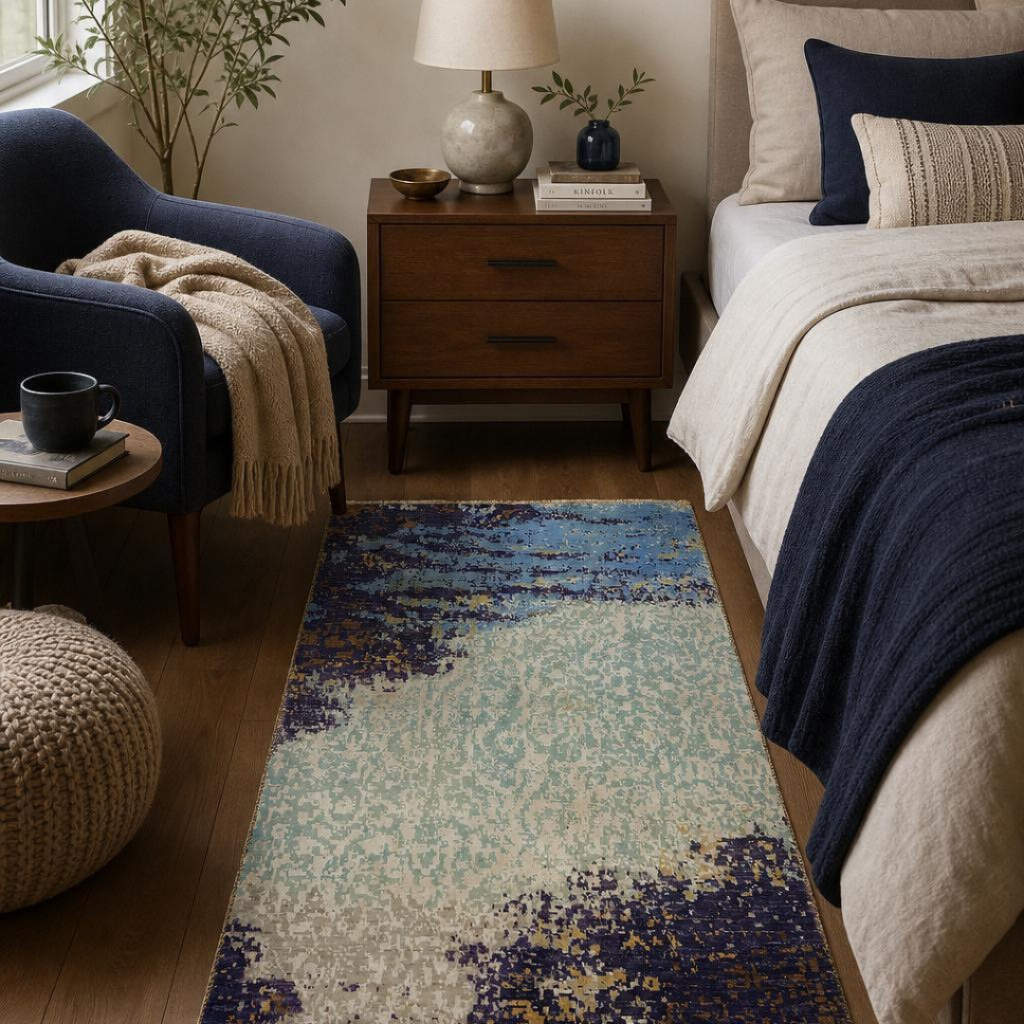
Summer Home Makeover Tips Featuring Wool Rugs
A lot of people assume wool rugs are better in the winter, but there are many great ways to utilize them during the summer season!
...
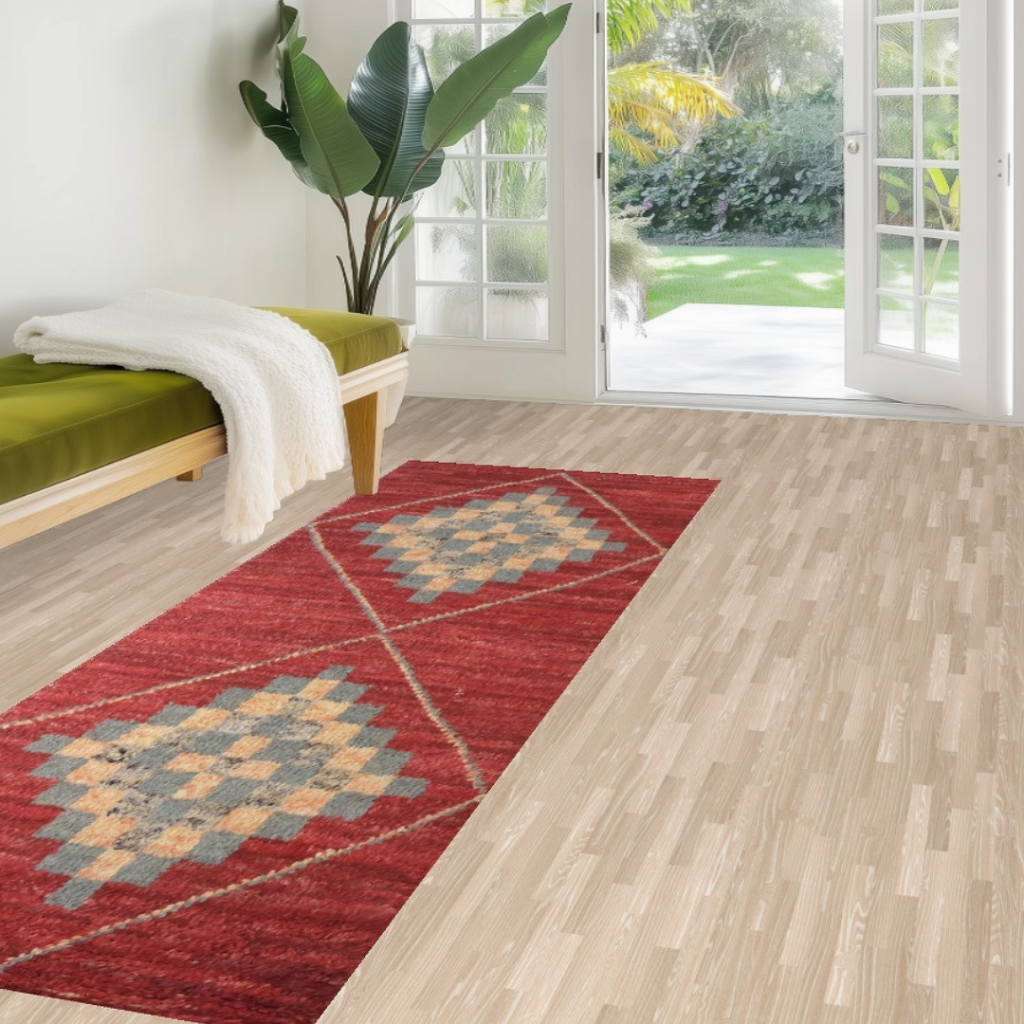
Summer 2026 Interior Design Trends Featuring Moroccan Rugs
This summer has featured a lot of fun interior design trends, and here are some of this season’s Moroccan rug trends!
Key Takeaw...
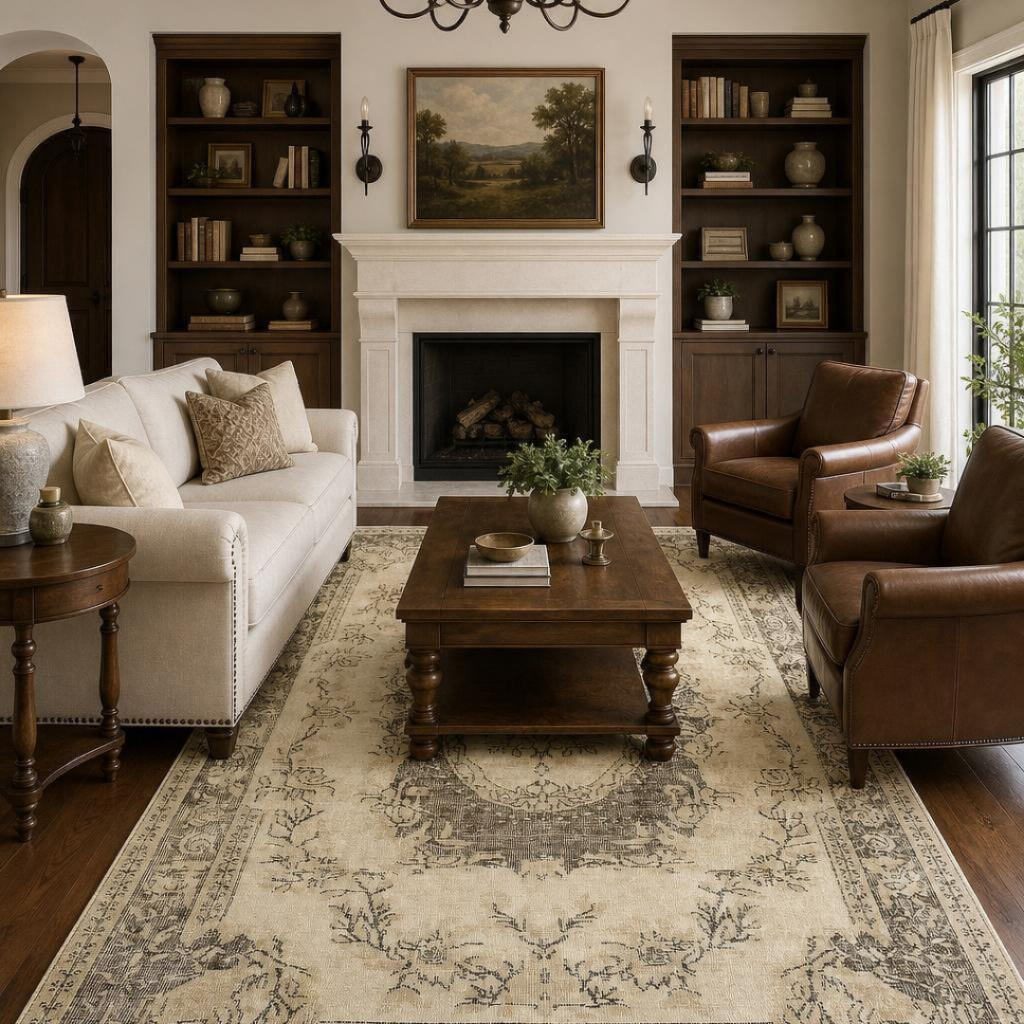
Creating A Relaxed Summer Aesthetic With Turkish Rugs
Many households are starting to slow down, and Turkish rugs are perfect for creating a relaxed summer aesthetic!
Key Takeaways&n...
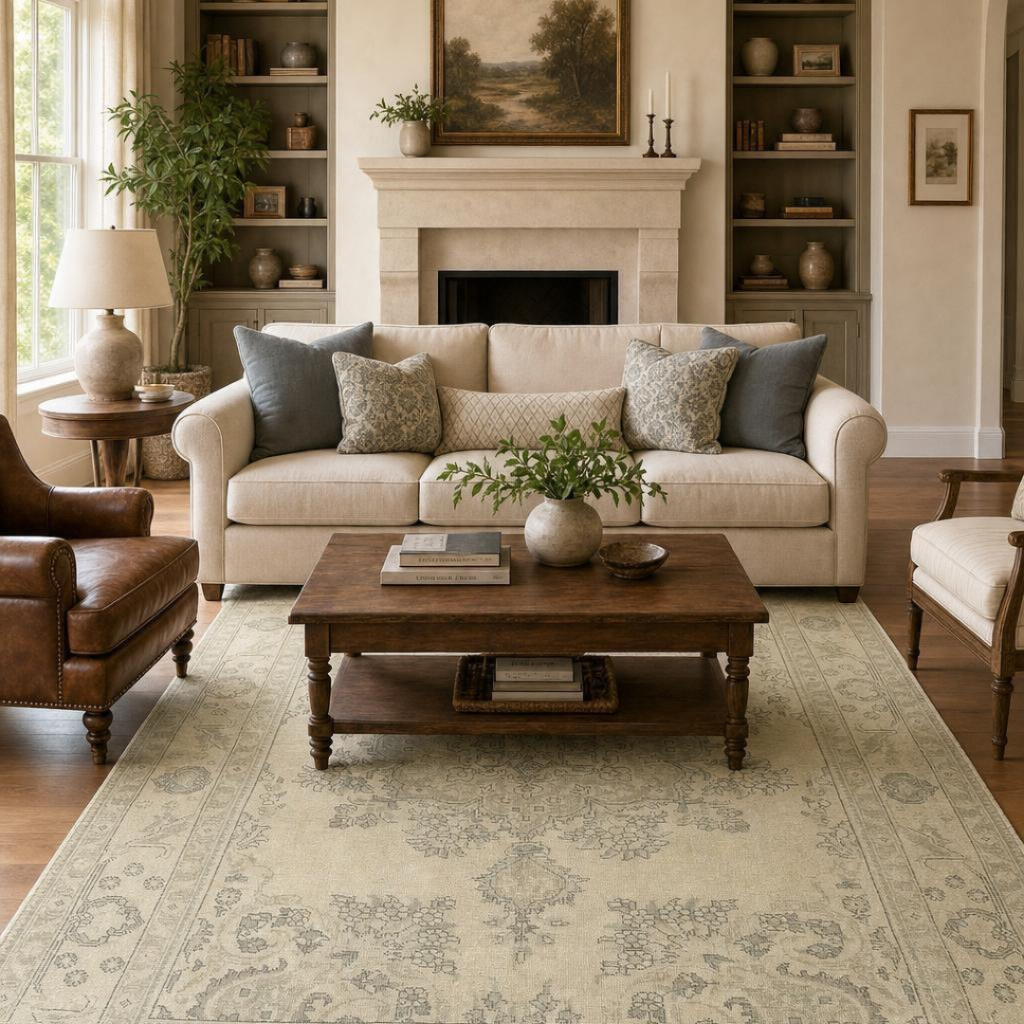
What Spring 2026 Sales Data Reveals About Consumer Area Rug Preferences This Summer
The Rug Source experts showcase our latest sales data and Summer ‘26 area rug industry insights!
Key Takeaways
America...
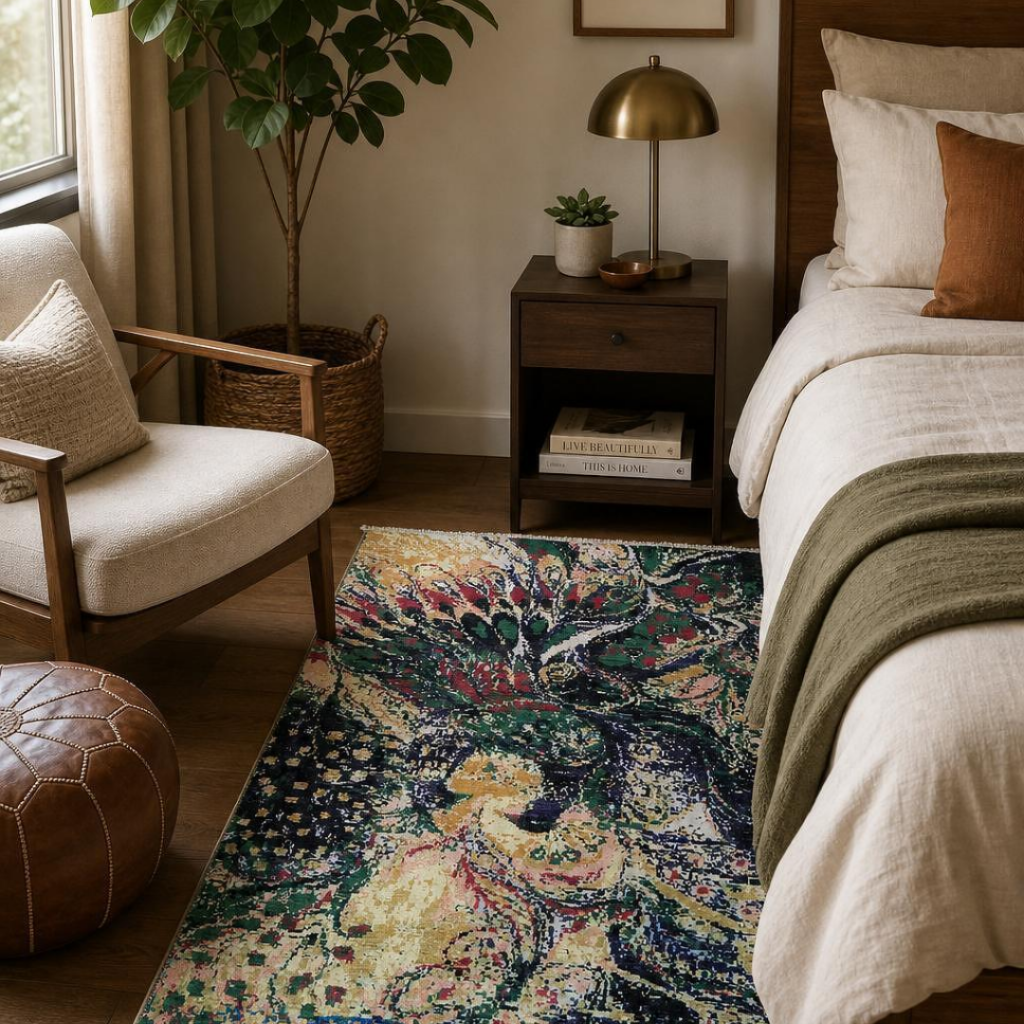
Creating Stylish Summer Gathering Spaces With Modern Rugs
Our modern rugs are here for your stylish entertaining and effortless hosting this summer!
Key Takeaways
Modern rugs d...