Why Wool Rugs Are the Best Investment for Your Home (And How to Choose One)

When it comes to choosing a rug that delivers beauty, durability, and long-term value, few materials come close to wool. For thousands of years, wool has been the material of choice for the world’s finest rugs, from the legendary Persian workshops of Iran to the tribal weavers of the Caucasus and the skilled artisans of India and Turkey. There’s a reason that tradition has endured.
Why Wool Is the Gold Standard in Rug Materials
Not all rug materials are created equal. Wool sits at the top of the hierarchy for good reason. Here is what makes it exceptional:
- Natural durability: Wool fibers are naturally crimped, giving them a resilience that allows them to bounce back from compression and foot traffic. A high-quality wool rug can last 50 to 100 years with proper care.
- Stain resistance: Wool fibers have a natural protective coating called lanolin that repels liquids and resists staining. Spills bead up rather than absorbing immediately, giving you time to blot them away.
- Softness underfoot: Few materials match the warmth and cushion of a thick wool pile. Wool rugs are genuinely comfortable to walk and sit on.
- Color retention: Wool accepts dye deeply, producing rich, vibrant colors that resist fading far better than synthetic fibers.
- Flame resistance: Wool is naturally flame-resistant and self-extinguishing, making it one of the safest flooring choices available.
- Eco-friendly: Wool is a renewable, biodegradable natural fiber. It requires far less energy to produce than synthetic alternatives and leaves a much smaller environmental footprint.
Wool Rug Construction: Hand-Knotted vs. Hand-Tufted vs. Flatweave
The way a wool rug is made has a significant impact on its quality, longevity, and price. Here are the three main construction types you’ll encounter:
Hand-Knotted Wool Rugs
The pinnacle of rug craftsmanship. Every knot is individually tied by hand around the warp threads by a skilled artisan. A single 9×12 hand-knotted rug can contain anywhere from one million to over ten million individual knots. The process can take months or years to complete. The result is a rug of extraordinary durability, detail, and beauty that can be passed down through generations. Hand-knotted wool rugs are the closest thing to functional art available in home decor.
Hand-Tufted Wool Rugs
Made using a tufting gun to push wool loops through a canvas backing, hand-tufted rugs offer the look and feel of a handmade rug at a more accessible price point. They are not as durable as hand-knotted rugs and typically last 20 to 30 years, but they are an excellent option for those seeking quality wool construction without the investment of a hand-knotted piece.
Flatweave Wool Rugs
Kilim and other flatweave styles are woven on a loom without a pile. They are thin, lightweight, and reversible, making them highly practical for high-traffic areas. Flatweave wool rugs are incredibly durable, easy to clean, and often more affordable than pile rugs. They add texture and pattern without bulk.
Popular Wool Rug Styles
Wool is used across virtually every rug style and tradition. Here are some of the most popular:
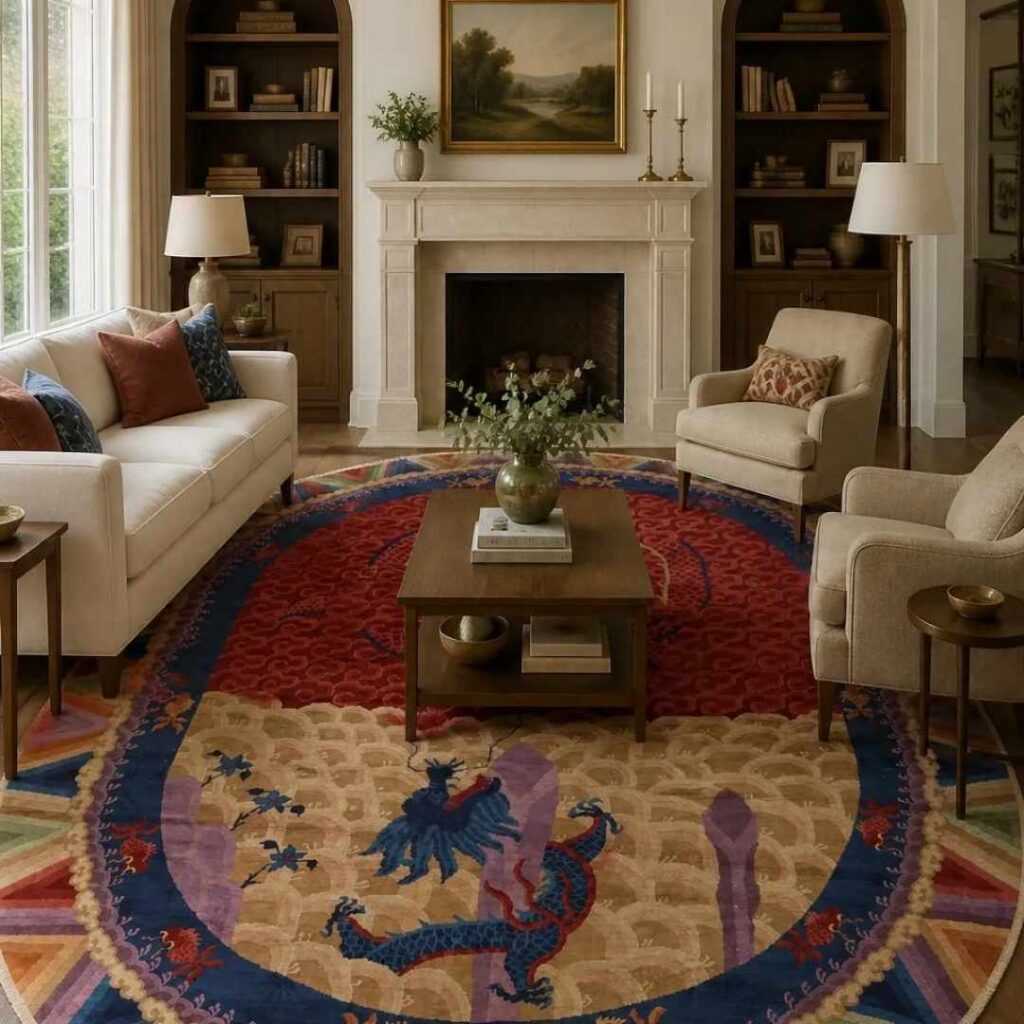
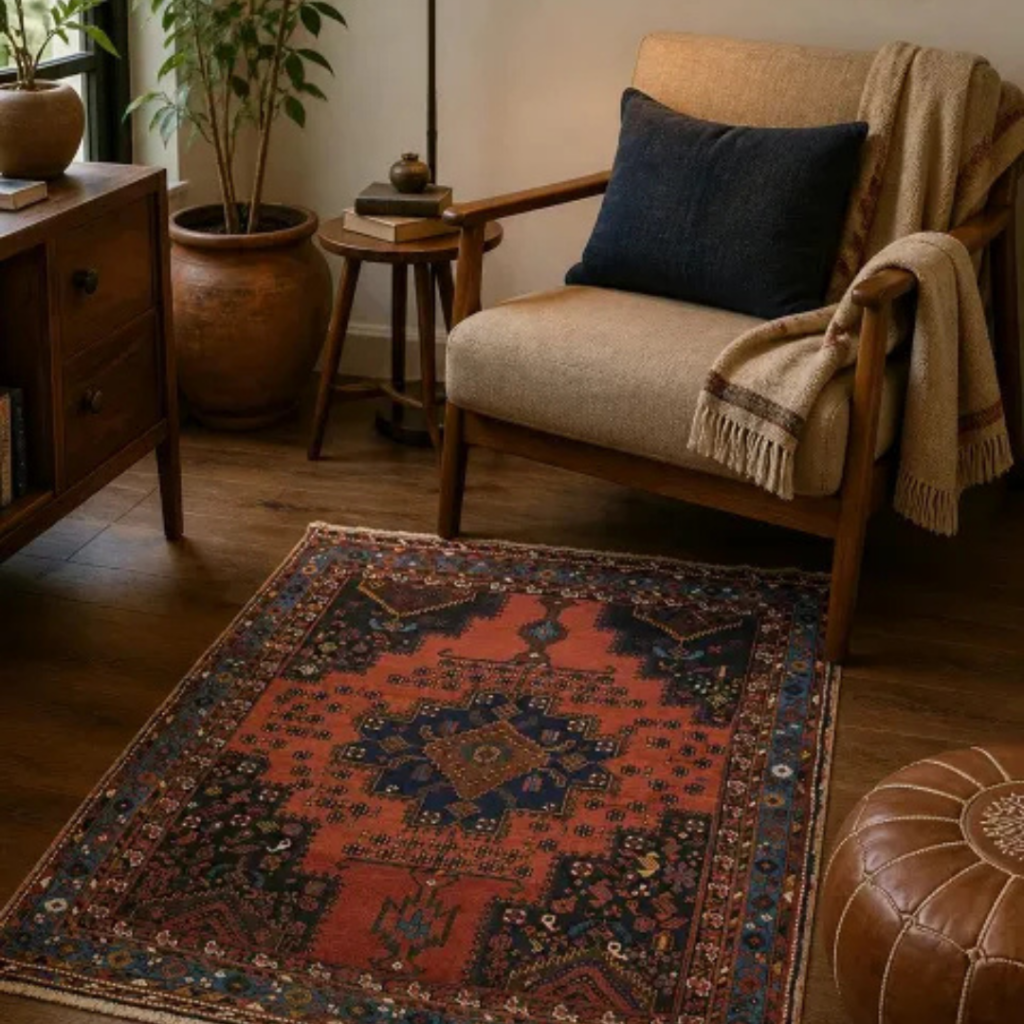
- Persian and Oriental: Intricate medallion and floral patterns in rich jewel tones. The most celebrated wool rugs in the world come from this tradition.
- Traditional: Timeless patterns inspired by historic weaving traditions from Turkey, the Caucasus, and Central Asia. Ideal for formal and transitional interiors.
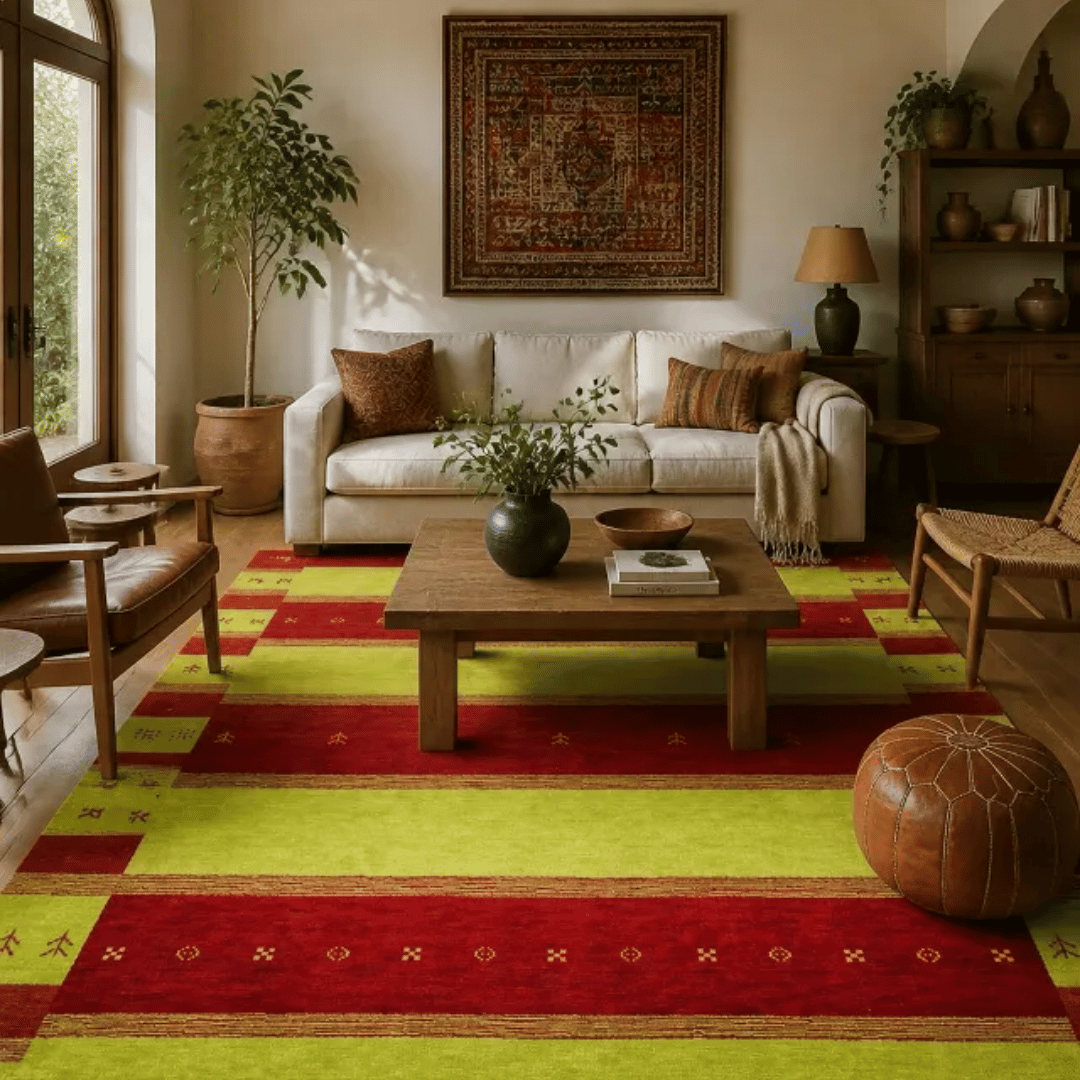
- Tribal and Gabbeh: Bold, naive patterns woven by nomadic and semi-nomadic tribes. Chunky pile, expressive designs, and exceptional durability.
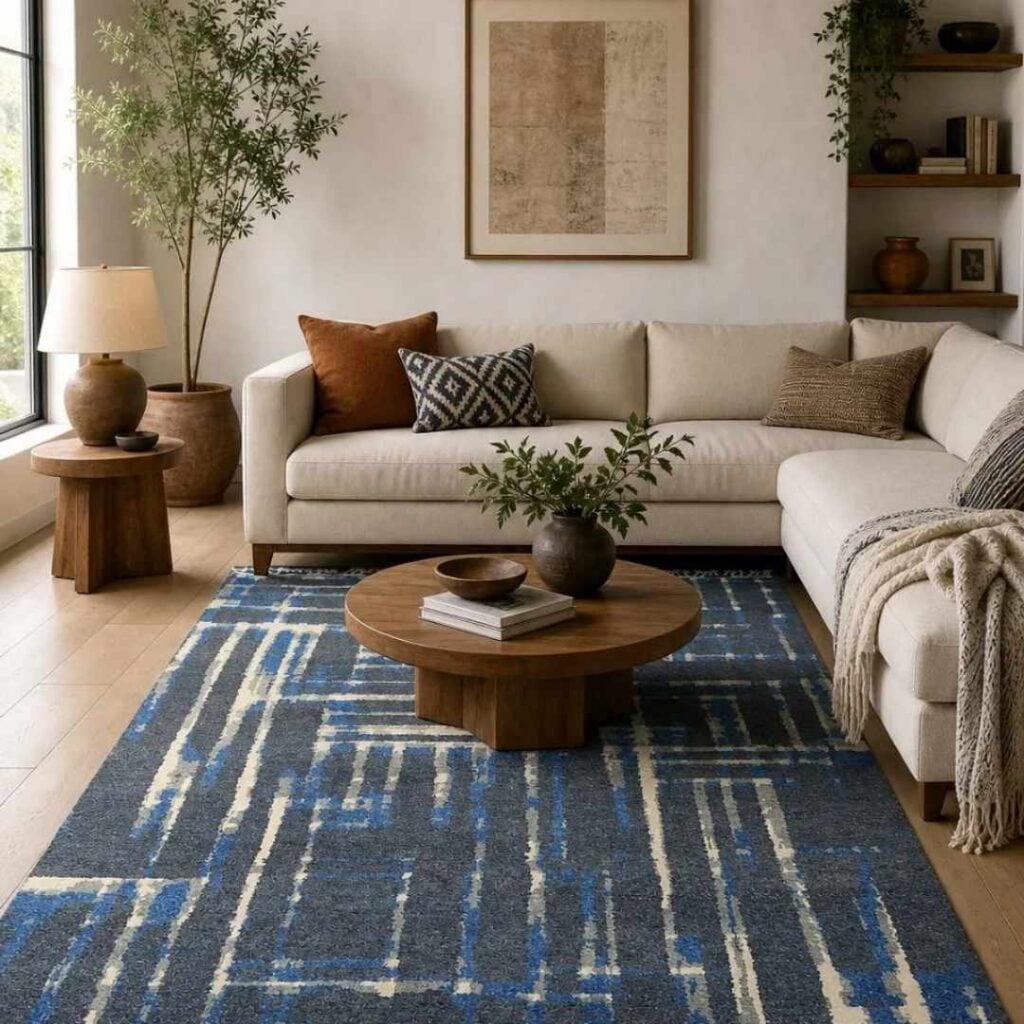
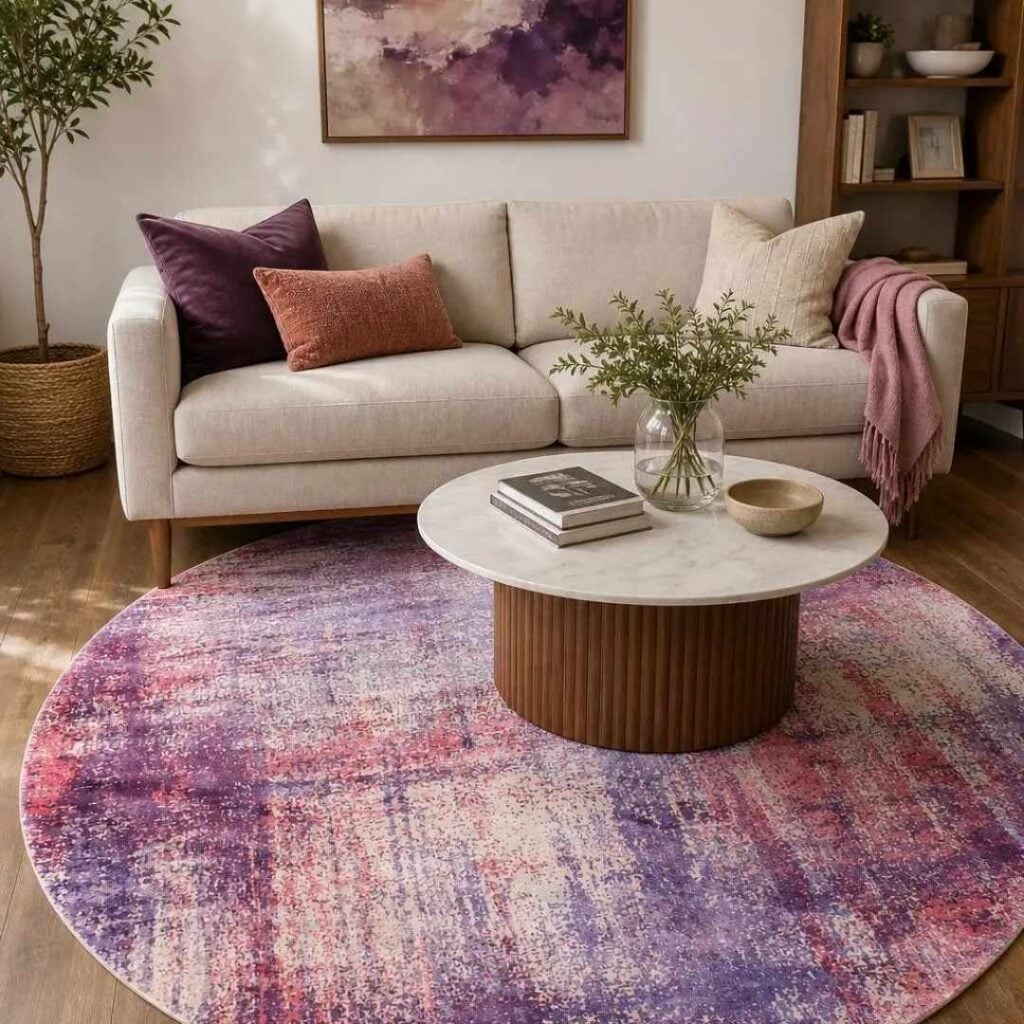
- Modern and contemporary: Geometric patterns, abstract designs, and neutral palettes woven in wool for a durable, stylish take on modern aesthetics.
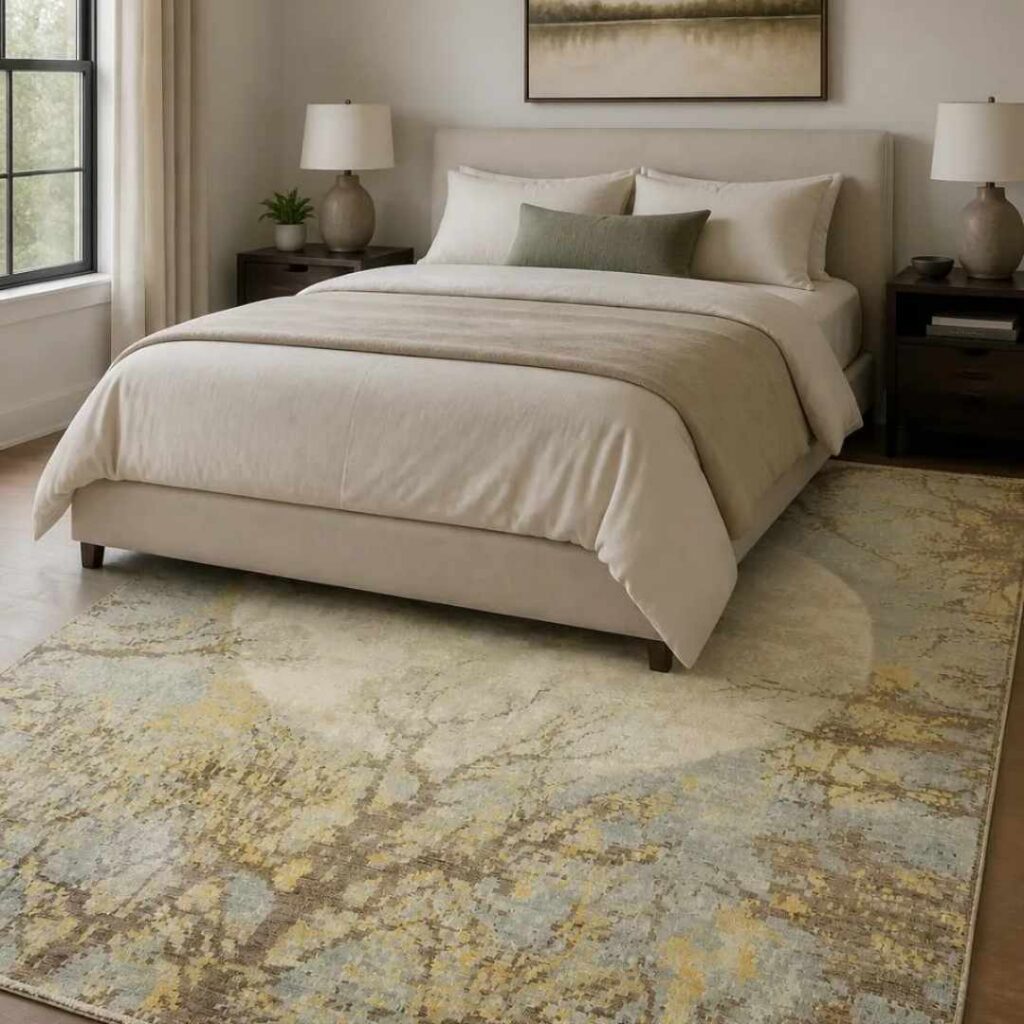
- Distressed and vintage: Wool rugs finished with a wash or distressing process to achieve a faded, antique look. Perfect for relaxed, layered interiors.
Wool Rug Size Guide

Wool rugs are available in every standard size. Here is a quick reference for the most common rooms:
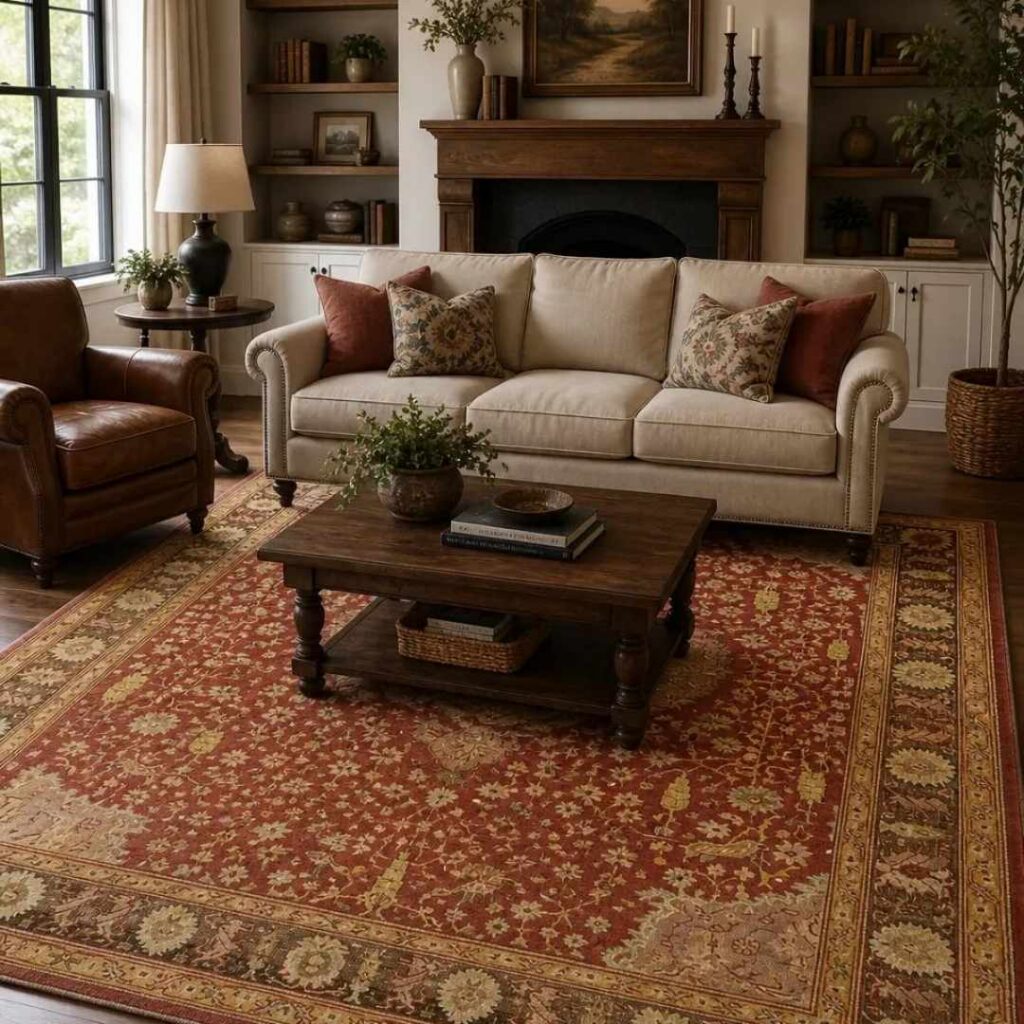
- Living room: 8×10 or 9×12. At a minimum, the front legs of all furniture should rest on the rug.
- Dining room: 8×10 or 9×12. The rug should extend 24 to 30 inches beyond the table on all sides.
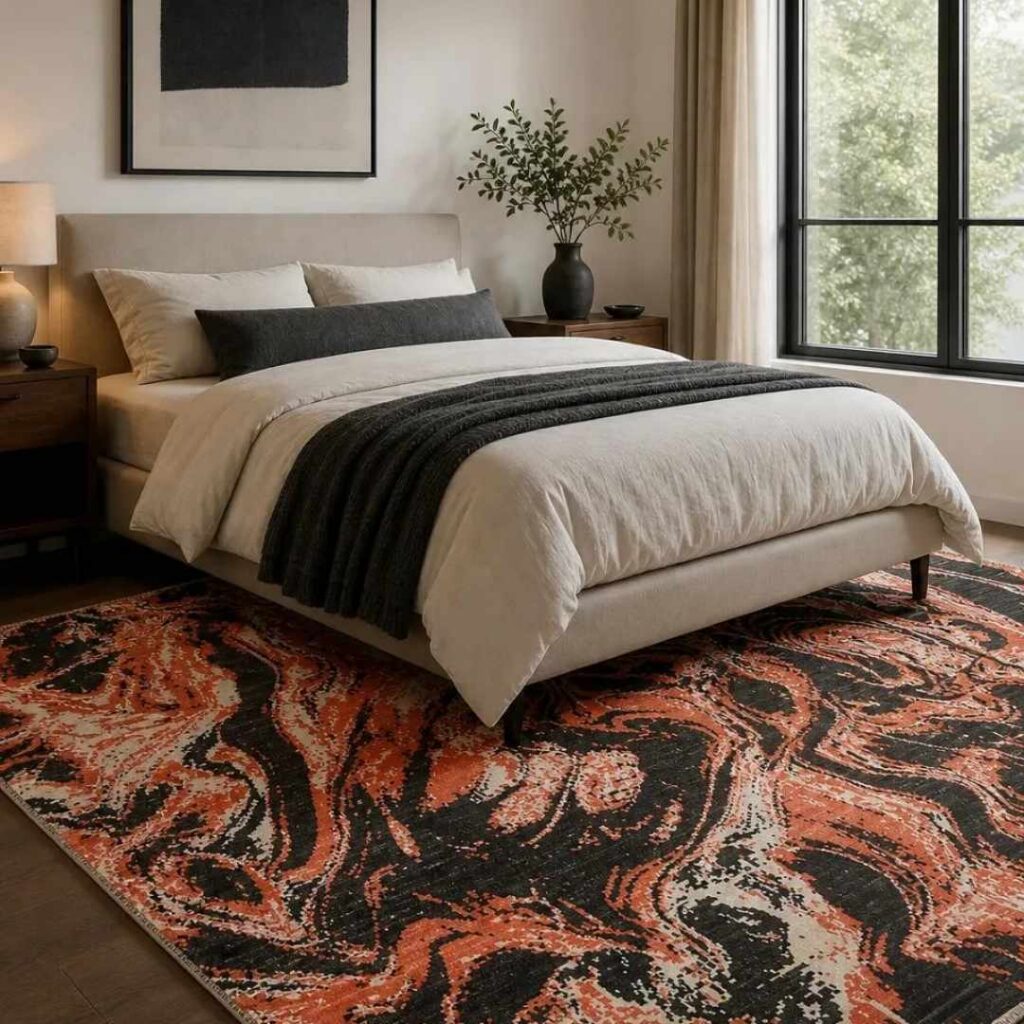
- Bedroom: 8×10 placed under the bed with 18 to 24 inches extending on the sides and foot.
- Smaller rooms and accents: 5×7 or 5×8 for bedrooms, reading nooks, and accent areas.
How to Care for a Wool Rug
Wool rugs are remarkably low-maintenance given their longevity, but a few simple habits will keep yours looking its best:
- Vacuum regularly: Use a suction-only setting without a beater bar. Beater bars can damage wool fibers over time.
- Rotate every 6 to 12 months: This ensures even wear and prevents one area from fading faster than others.
- Blot spills immediately: Blot, don’t rub. The lanolin in wool gives you a window of time before a spill sets, but act quickly.
- Professional cleaning every 1 to 3 years: Wool rugs respond well to professional hand-washing, which refreshes the fibers and restores luster.
- Use a rug pad: A quality pad prevents slipping, adds cushion, and protects both the rug and your floor.
Find Your Perfect Wool Rug at Rug Source
A wool rug is one of the most rewarding investments you can make in your home. It brings warmth, character, and lasting beauty to any room, and with proper care, it will outlast virtually any other furnishing you own.
At Rug Source, we carry an extensive selection of authentic wool rugs, from hand-knotted Persian masterpieces to handmade tribal rugs and everything in between. Every rug in our collection is chosen for quality, craftsmanship, and beauty, with free shipping on every order.