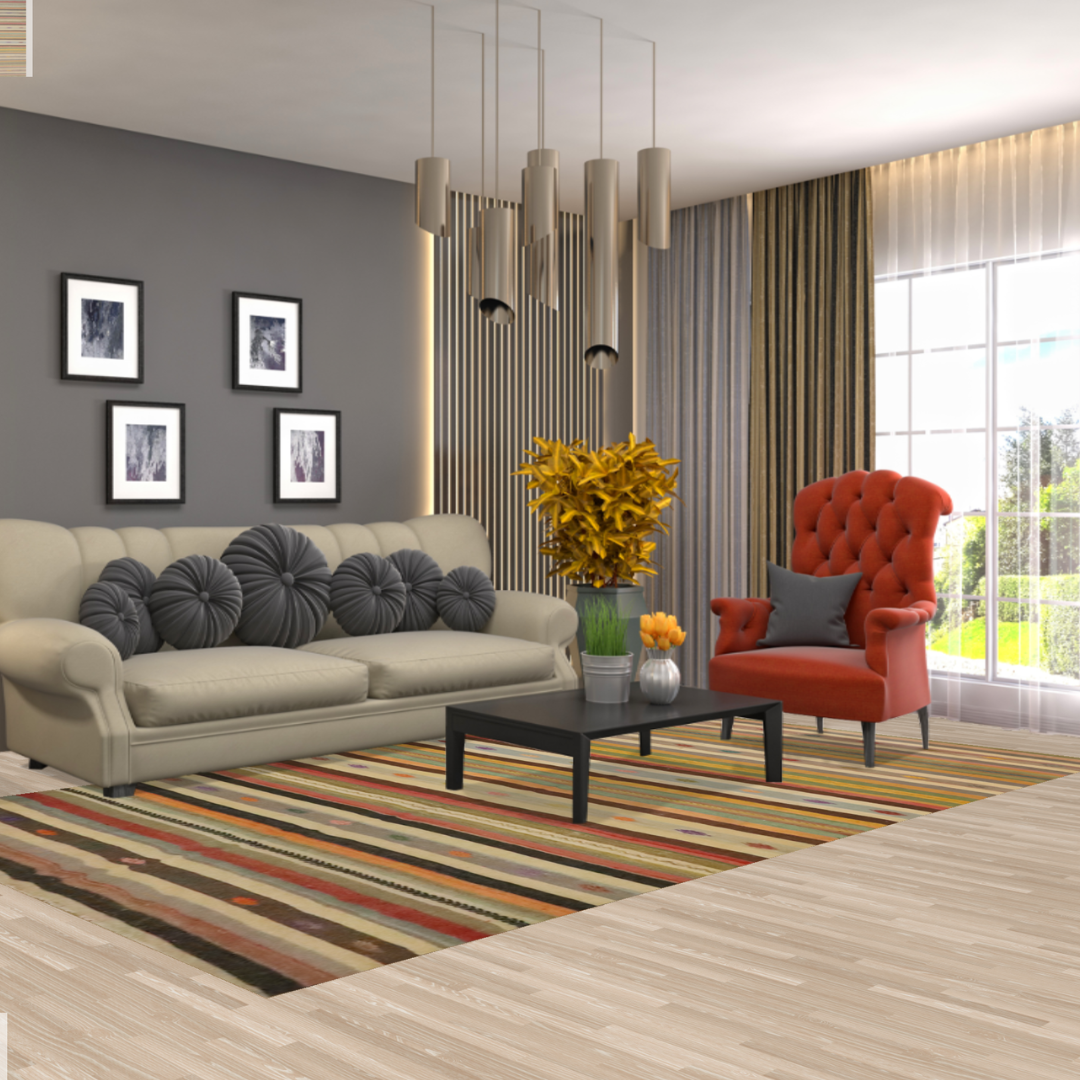
Are Area Rugs Necessary on Hardwood Floors? A Practical Guide for Homeowners

Hardwood floors are a timeless and beautiful foundation for any home. Their natural warmth, durability, and style versatility make them a favorite among homeowners and interior designers alike. But one question often arises: Should you cover your hardwood floors with an area rug?
The answer depends on several factors, including lifestyle, home design, and practical needs. While hardwood floors look clean and polished on their own, area rugs offer distinct advantages in comfort, function, and style. In this blog, we’ll break down the benefits of using area rugs on hardwood floors and help you decide whether it’s the right choice for your home.
The Functional Benefits of Area Rugs on Hardwood Floors
Protection from Wear and Tear

One of the most compelling reasons to place an area rug on a hardwood floor is protection. While hardwood is durable, it isn’t immune to damage. Over time, daily foot traffic can wear down finishes, furniture can leave dents, and accidents—like dropped items or pet claws—can leave permanent marks.
An area rug serves as a protective buffer between the hardwood and these everyday hazards. Strategic placement in high-traffic zones like hallways, entryways, and living rooms can help extend the life of your hardwood flooring significantly.
Noise Reduction
Hardwood floors, especially in large or open-concept spaces, tend to amplify sound. If you’ve ever heard your own footsteps echo through your living room, you’re not alone. Rugs help dampen this sound and can make your space feel quieter and more serene.
The acoustical benefits of rugs are especially noticeable in homes with children, pets, or multi-level layouts. Area rugs paired with a quality rug pad can reduce impact noise, such as footsteps or moving furniture, making your home feel more peaceful and insulated.
Increased Safety
Smooth, uncovered hardwood can be slippery, especially for young children, older adults, or pets. Area rugs provide additional traction and can help reduce the risk of slips and falls. When paired with a non-slip rug pad, they become an added layer of safety without sacrificing design.
This is especially important in spaces where moisture or spills may occur, such as under dining tables or near entryways. In those cases, choosing a low-pile rug that’s easy to clean and dries quickly can provide both safety and practicality.
Enhancing Comfort and Warmth
A Softer Surface Underfoot
While hardwood flooring is often admired for its clean, solid surface, it can sometimes feel cold or rigid, especially in rooms where people spend a lot of time standing or walking. Area rugs introduce a layer of plush comfort that enhances the overall feel of the room.
For households with children who play on the floor or family members who prefer walking barefoot, rugs provide a soft, inviting surface that’s both functional and cozy.
Seasonal Insulation
Rugs also play a key role in thermal comfort. During colder months, hardwood floors can retain chill, making rooms feel less welcoming. Area rugs help trap heat and provide added insulation underfoot, which can contribute to energy savings as well.
Style and Design Impact
Defining Spaces in Open-Concept Homes
Today’s homes often feature open-concept designs that blur the lines between living, dining, and kitchen areas. Area rugs help define these spaces without the need for walls or dividers.
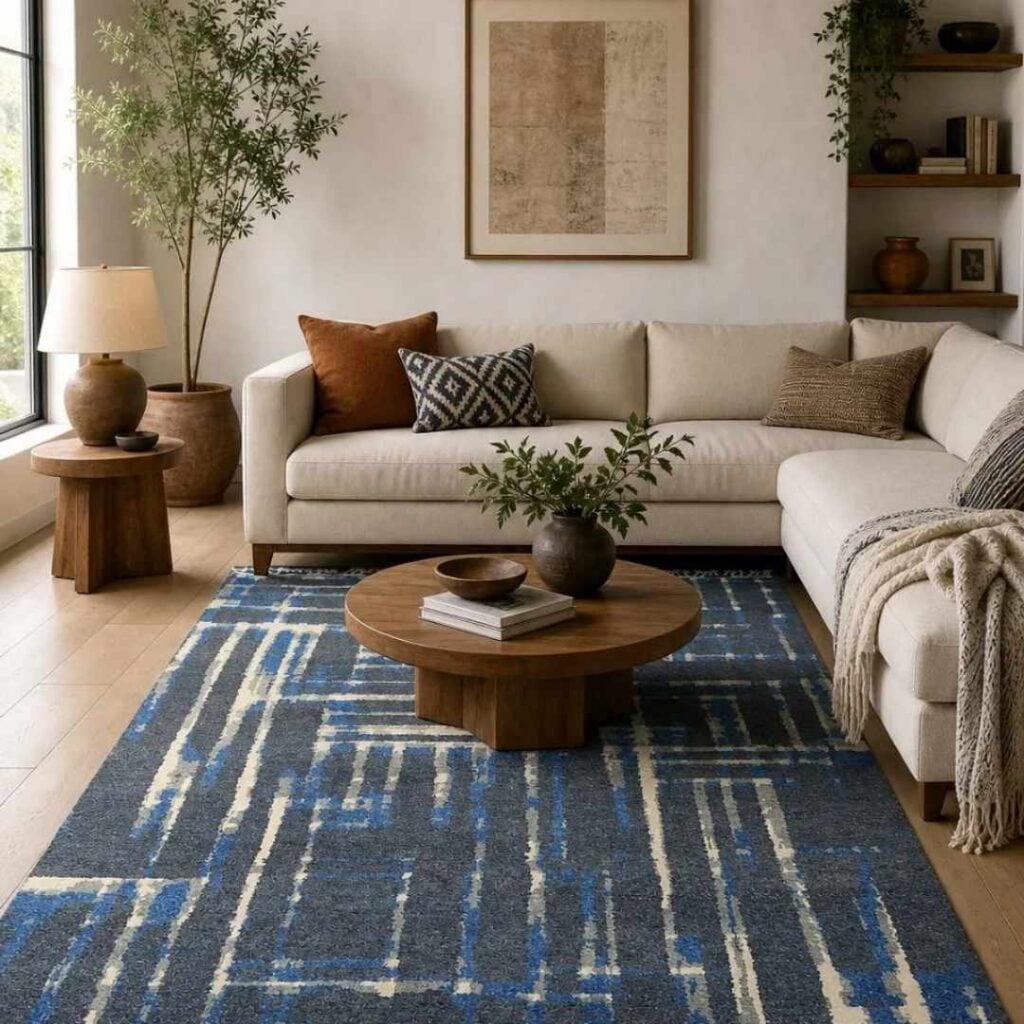
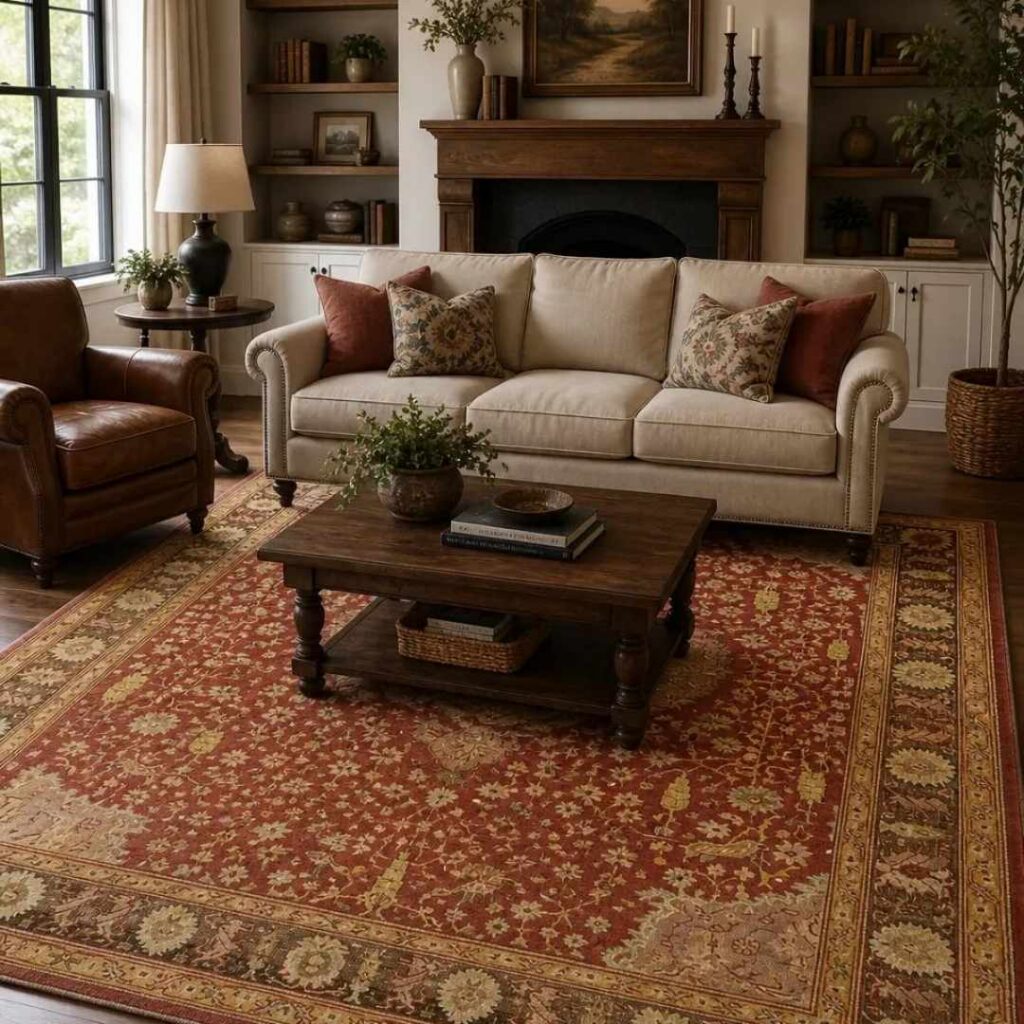
A well-placed rug under a dining table or in a living room seating area can create a sense of structure, anchoring the furniture and establishing distinct zones within a larger space. This is especially helpful in studio apartments or multipurpose rooms.
Adding Color, Texture, and Personality
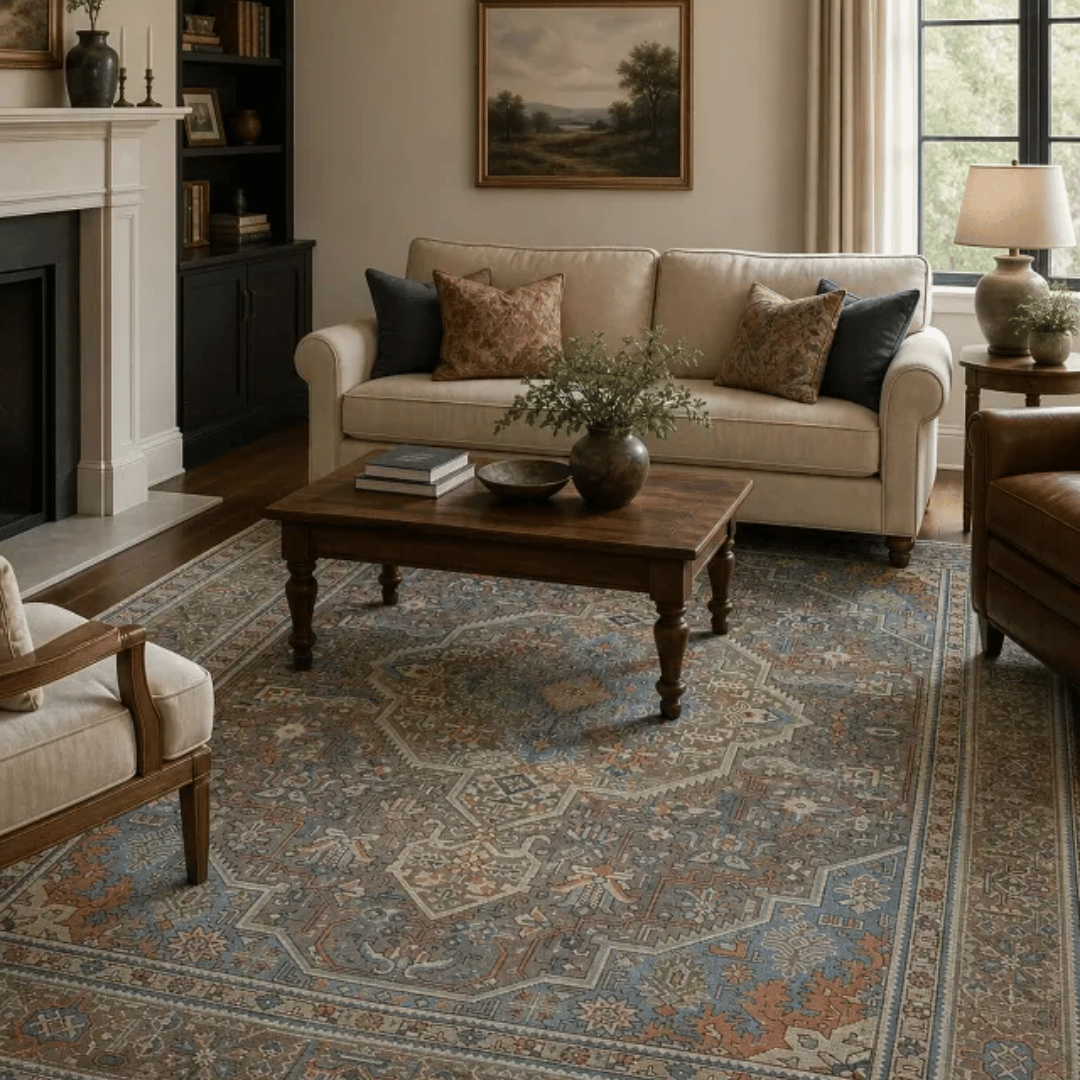
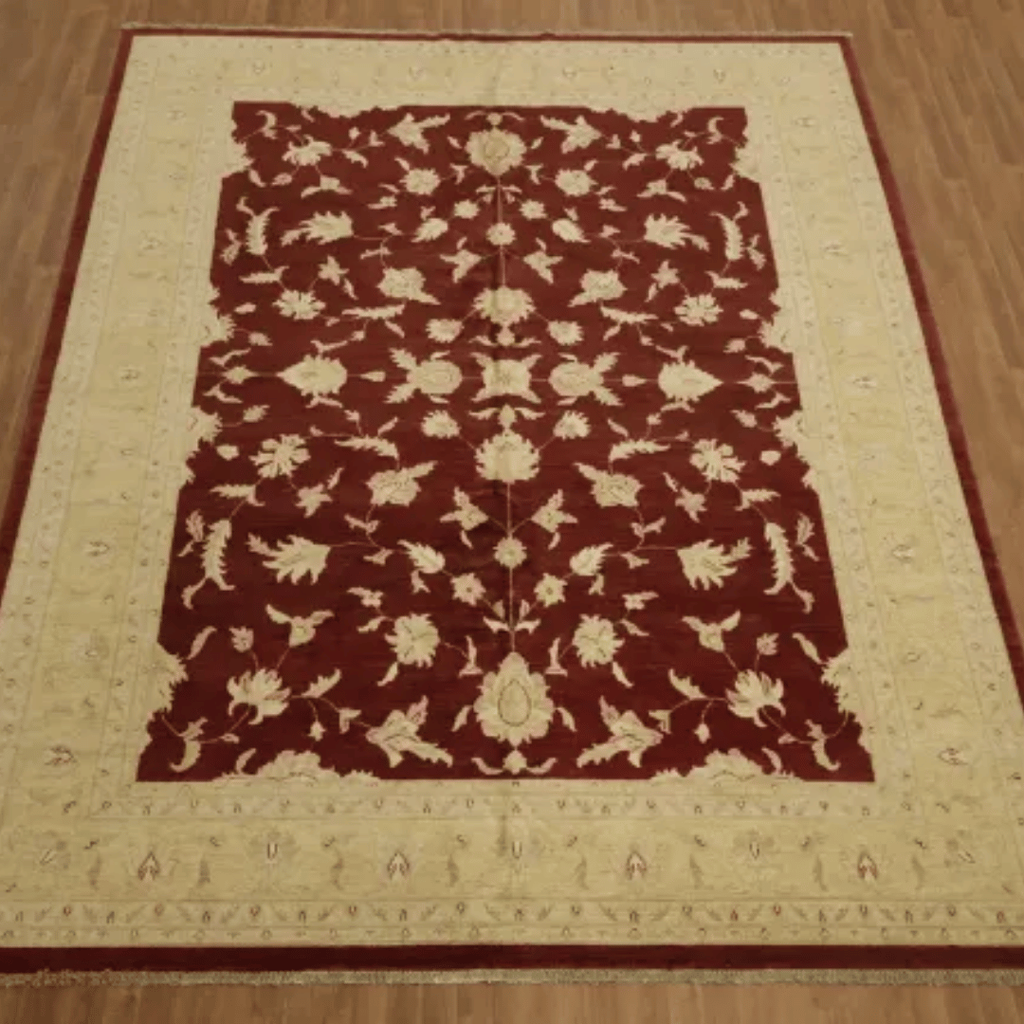
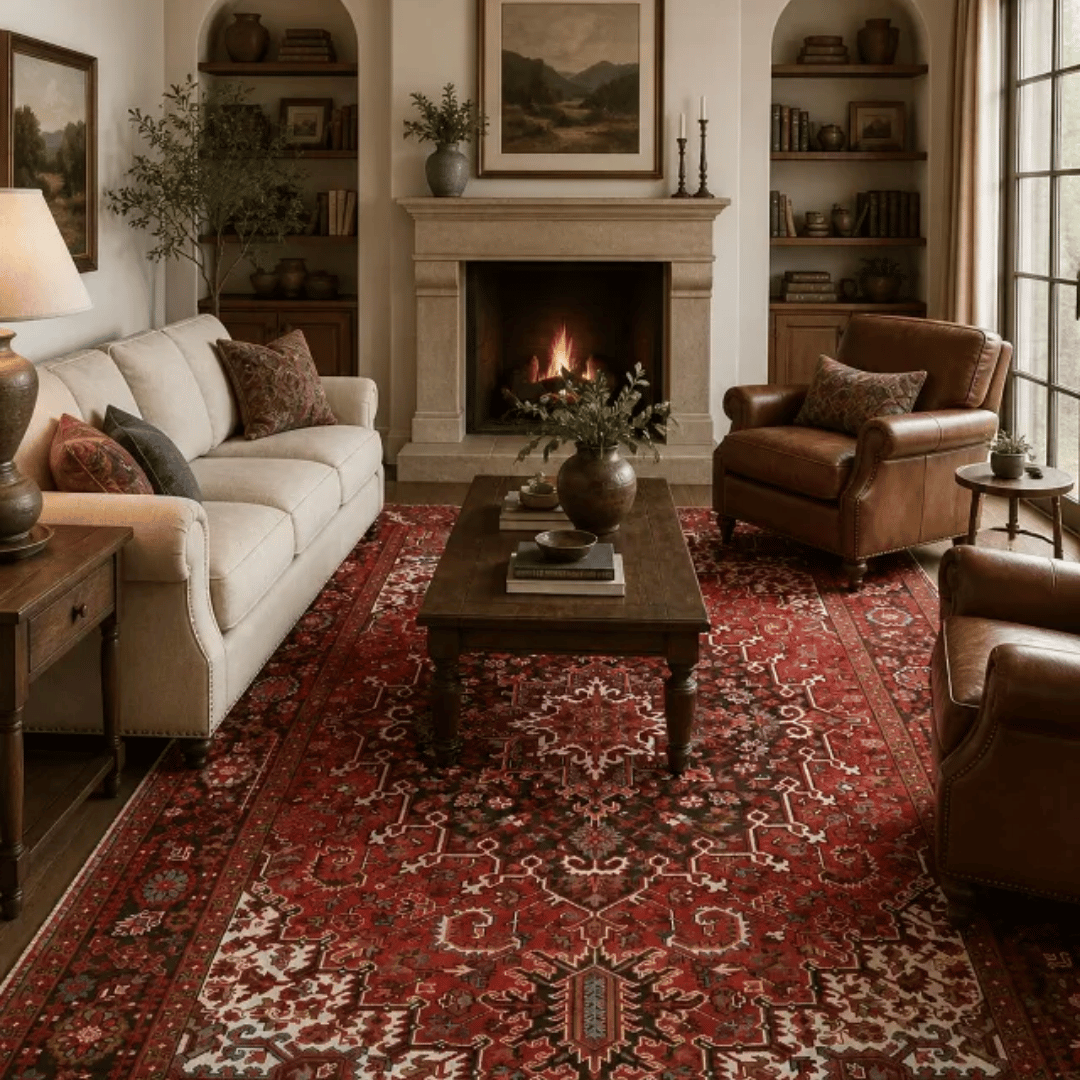
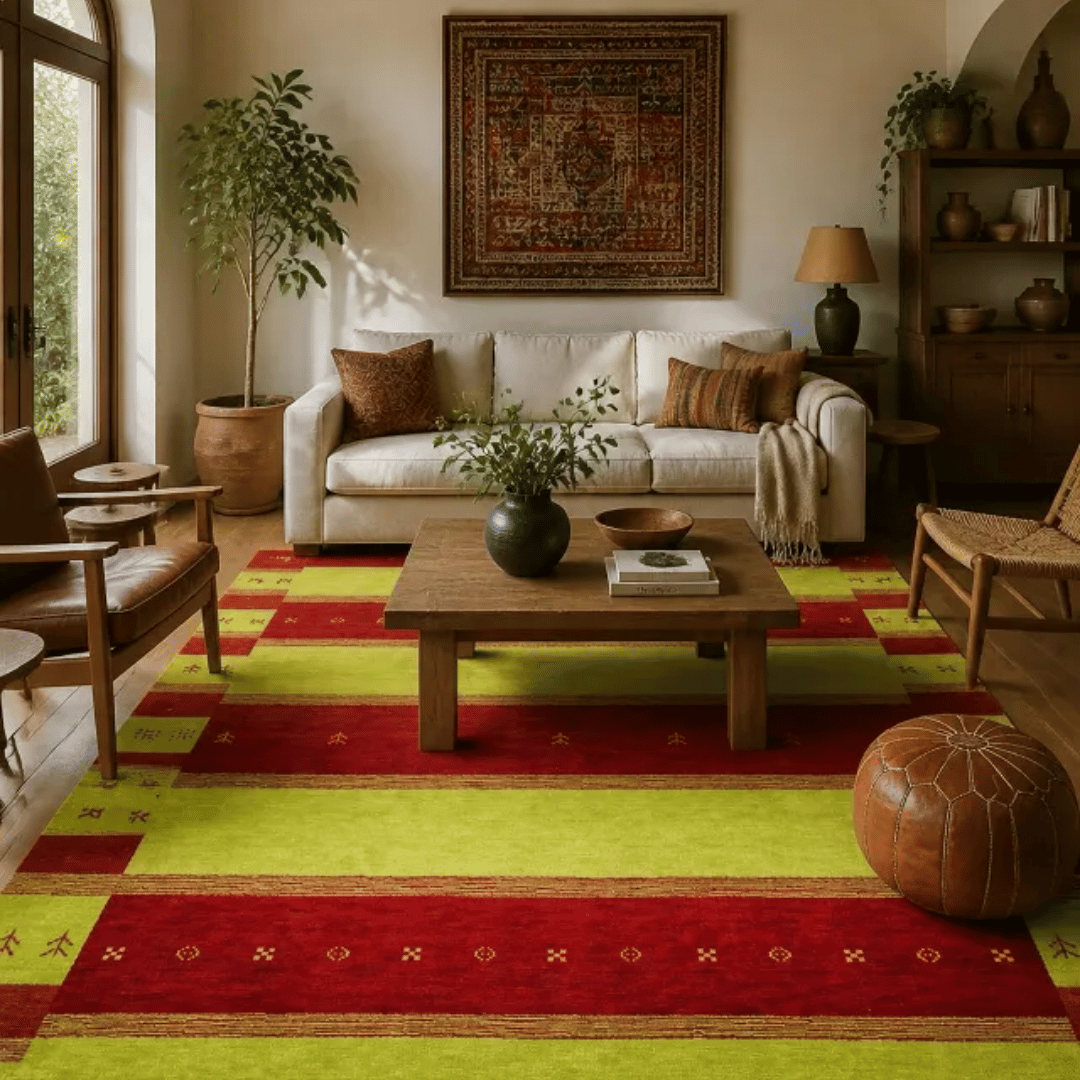
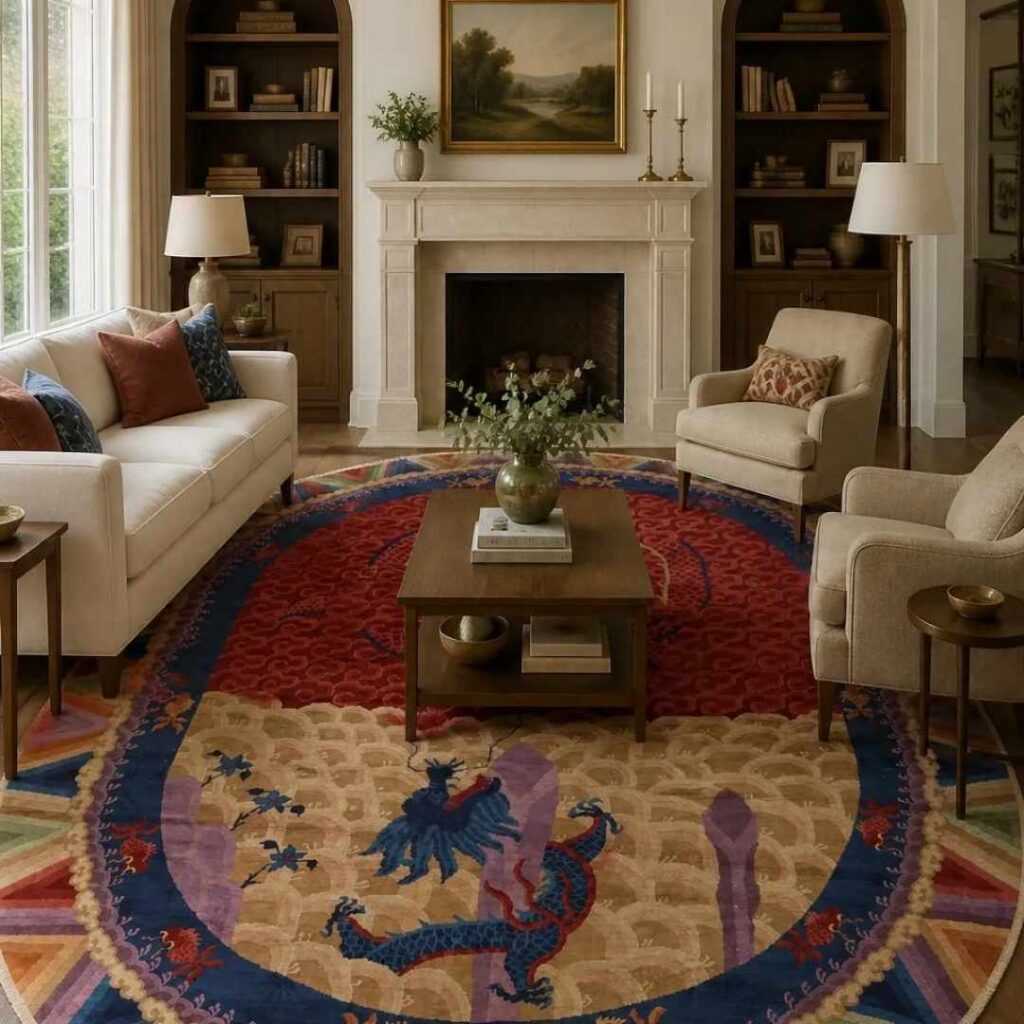
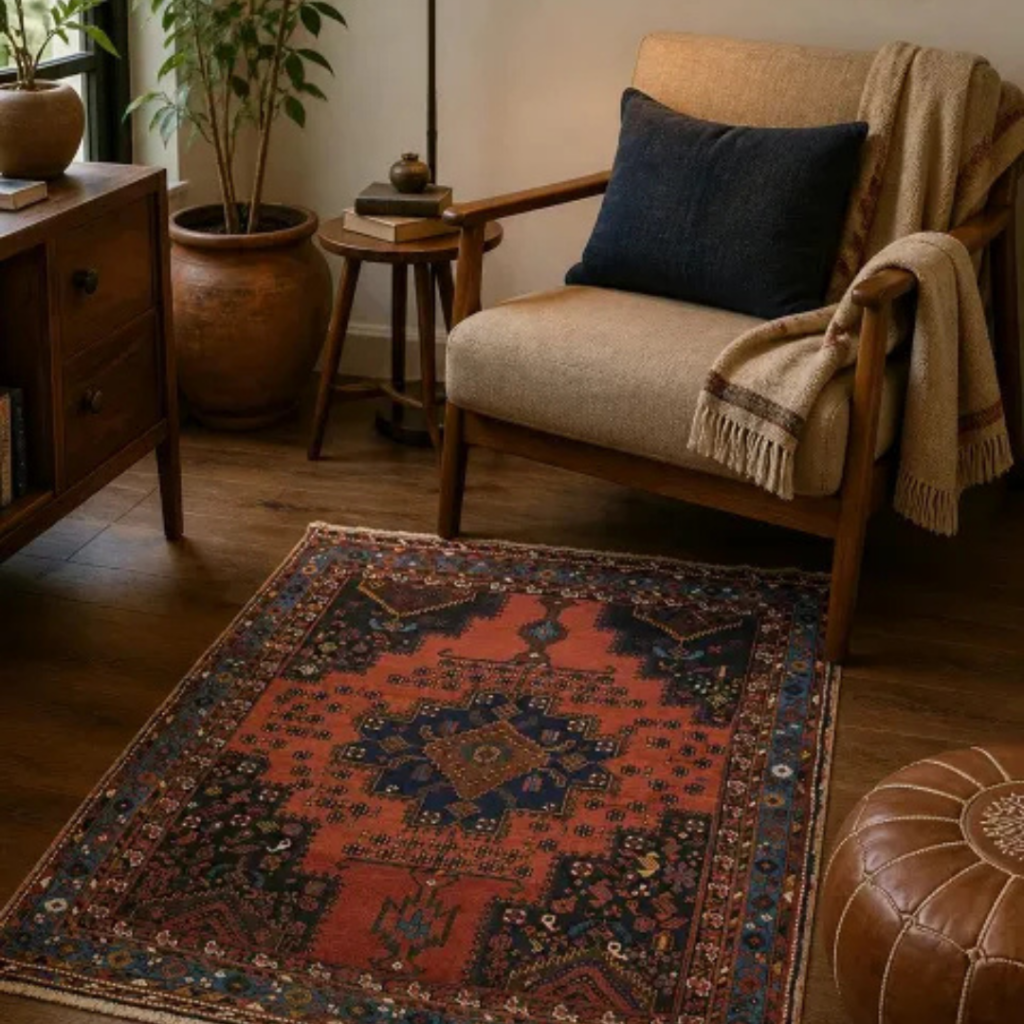
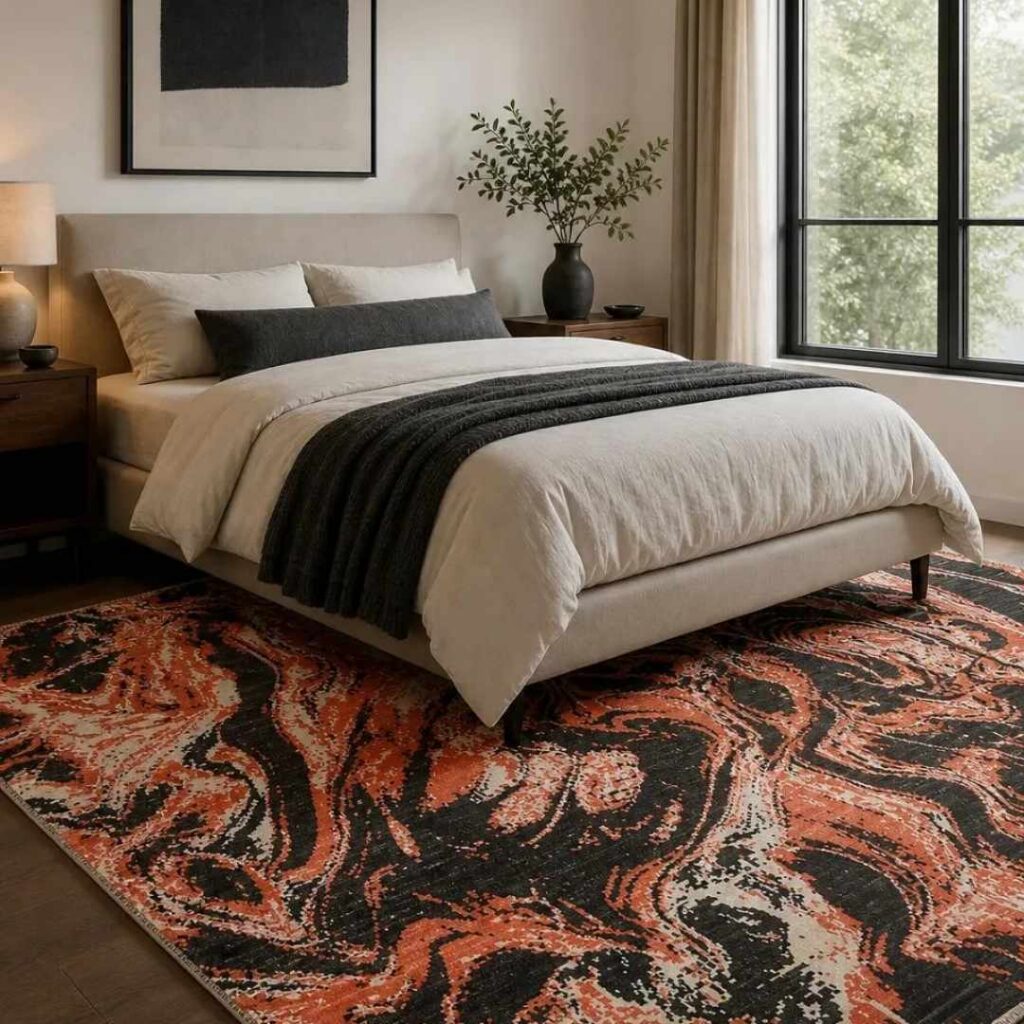
From traditional Persian designs to bold geometric patterns, area rugs offer an easy and reversible way to introduce color, texture, and character into your space. Unlike permanent features such as tile or cabinetry, rugs are flexible design elements that can be swapped out with the seasons or as your style evolves.
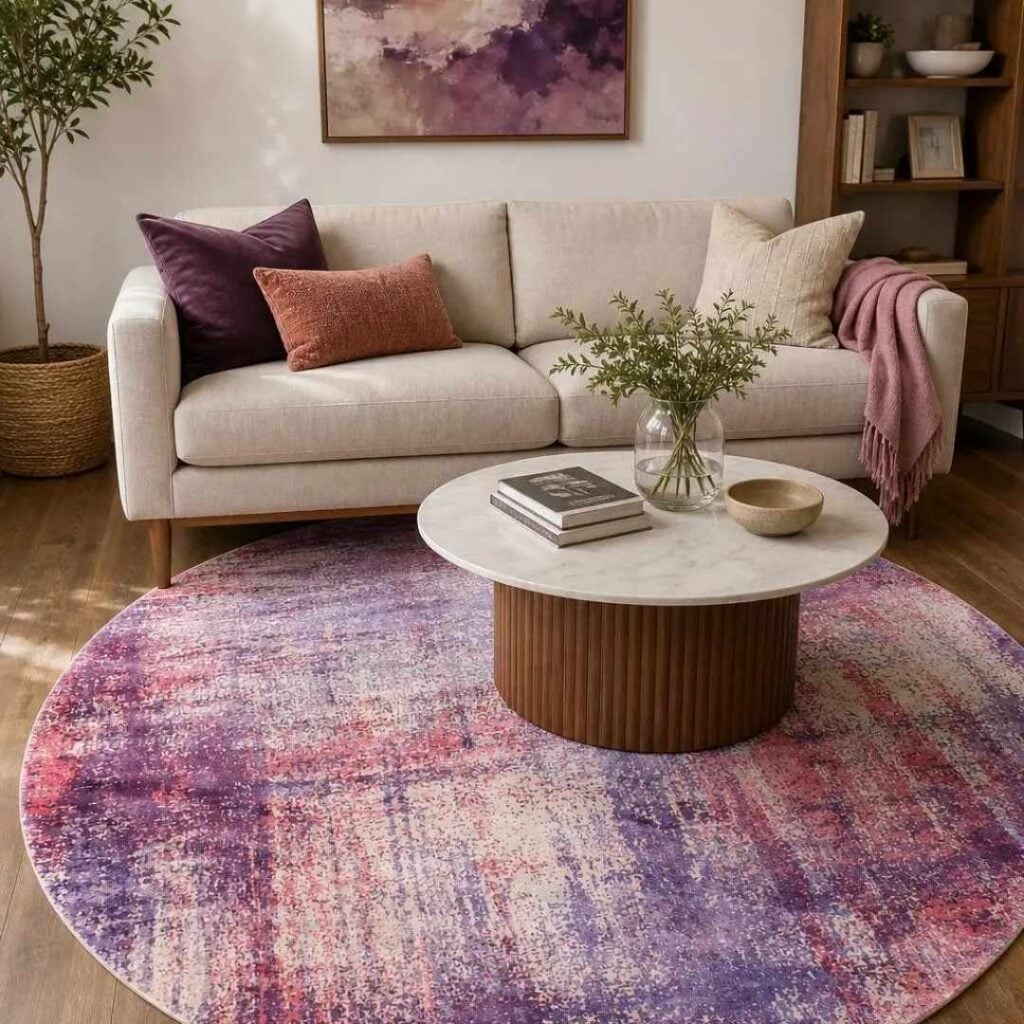
If your hardwood floors are neutral-toned, a rug can bring warmth or contrast. If your walls or furniture are already vibrant, a muted or textured rug can create balance. It’s one of the most dynamic tools in a decorator’s toolkit.
When to Consider Going Rug-Free
Minimalist or Scandinavian Interiors
While area rugs offer many advantages, there are certain design aesthetics where bare hardwood floors shine. Minimalist or Scandinavian interiors, for example, often embrace simplicity, natural materials, and clean lines. In such cases, going rug-free can enhance the open, airy atmosphere of the room.
That said, even in these styles, a simple or neutral-toned rug can still contribute warmth and definition without disrupting the minimalist feel.

Allergy Considerations
Some homeowners with allergies may worry that area rugs trap dust or allergens. While this can be true, it’s also manageable. Regular vacuuming, choosing low-pile rugs, and using rug pads that allow airflow can all help keep your home healthy.
The American Lung Association notes that proper cleaning of rugs and carpets plays a crucial role in maintaining good indoor air quality. Opting for natural fiber rugs like wool or cotton, which resist dust mites and are easier to clean, is another smart strategy.
So, are area rugs necessary on hardwood floors?
While not essential in every setting, they offer significant benefits in terms of protection, comfort, acoustics, and style. For most homeowners, using area rugs is a practical and beautiful way to enhance the functionality and appearance of hardwood flooring.
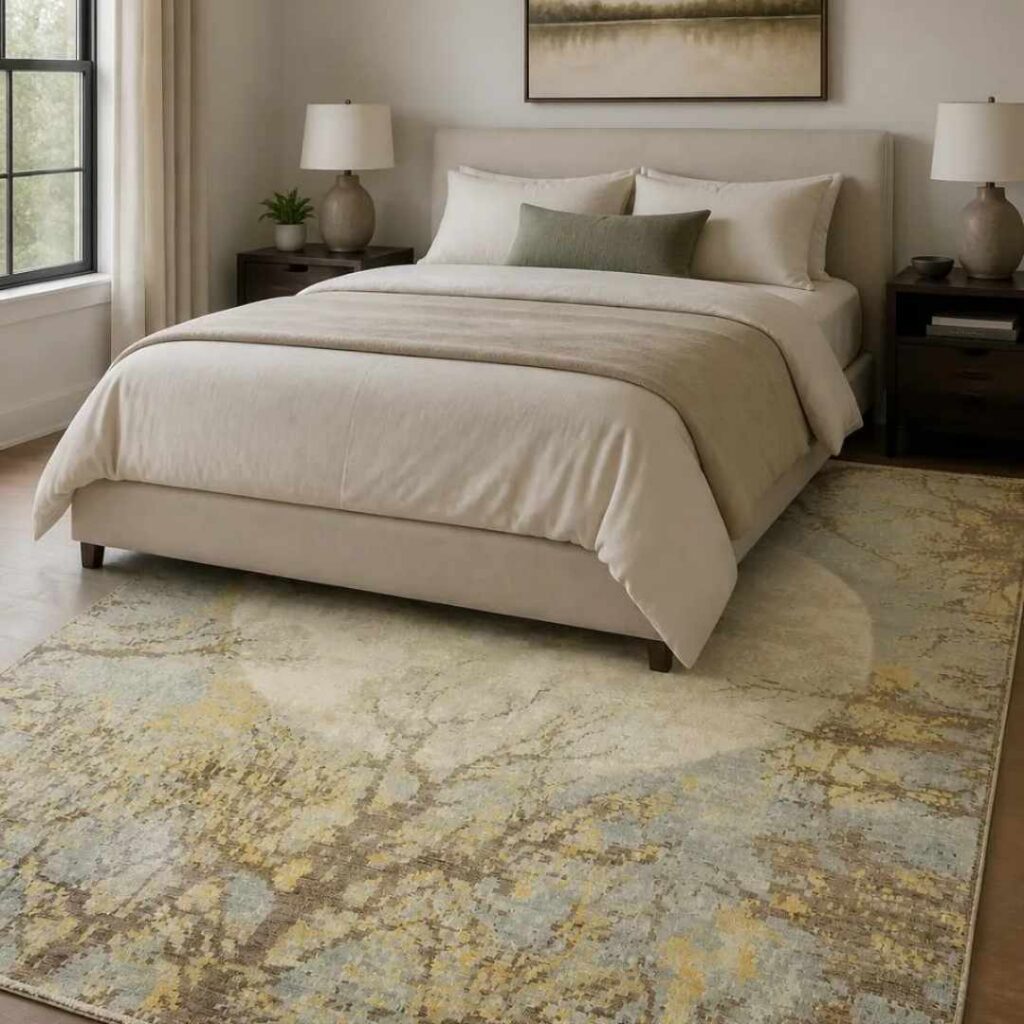
Whether you’re looking to soften a high-traffic hallway, define your living room, or simply add a splash of texture to your bedroom, area rugs are a smart, flexible investment.
Browse Rug Source’s wide selection of area rugs in a variety of styles, sizes, and materials to find the perfect addition to your hardwood-floored space. From traditional to modern, muted to bold, there’s something to match every aesthetic and functional need.