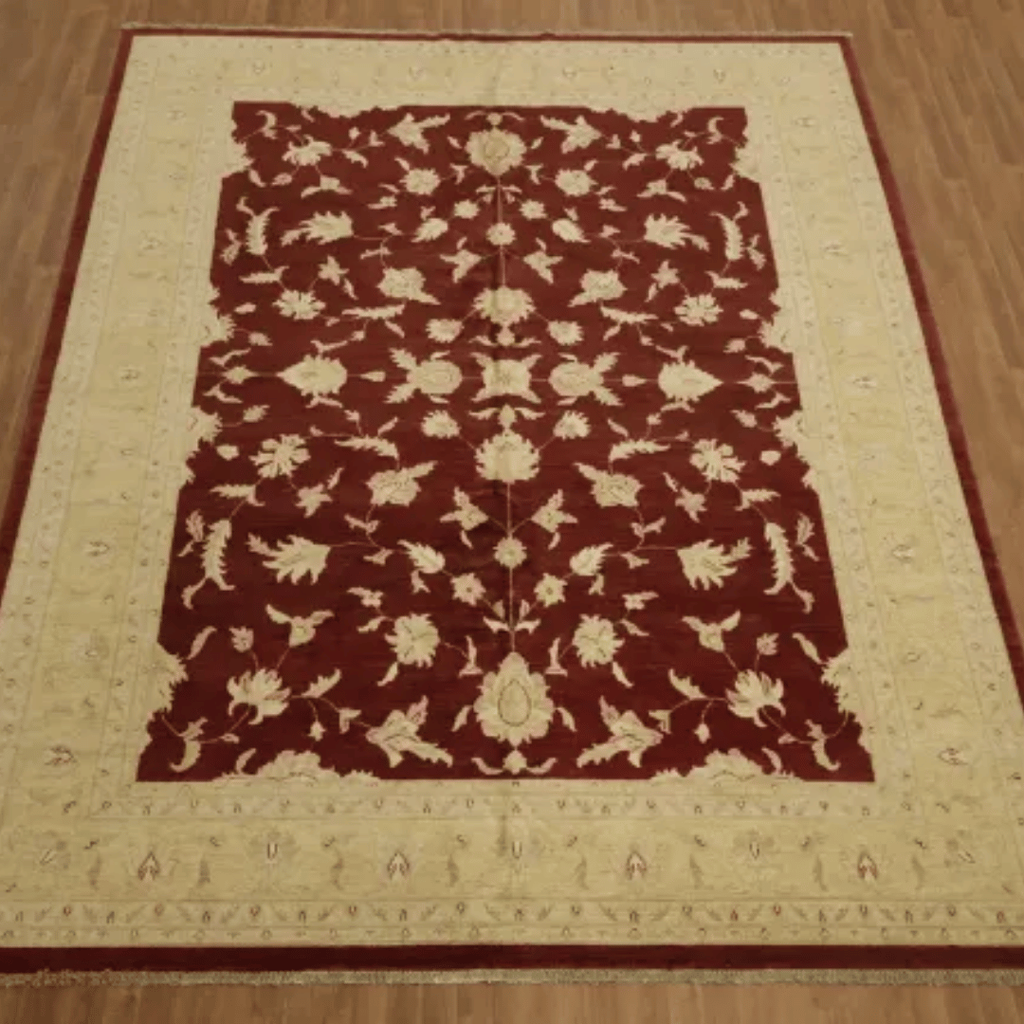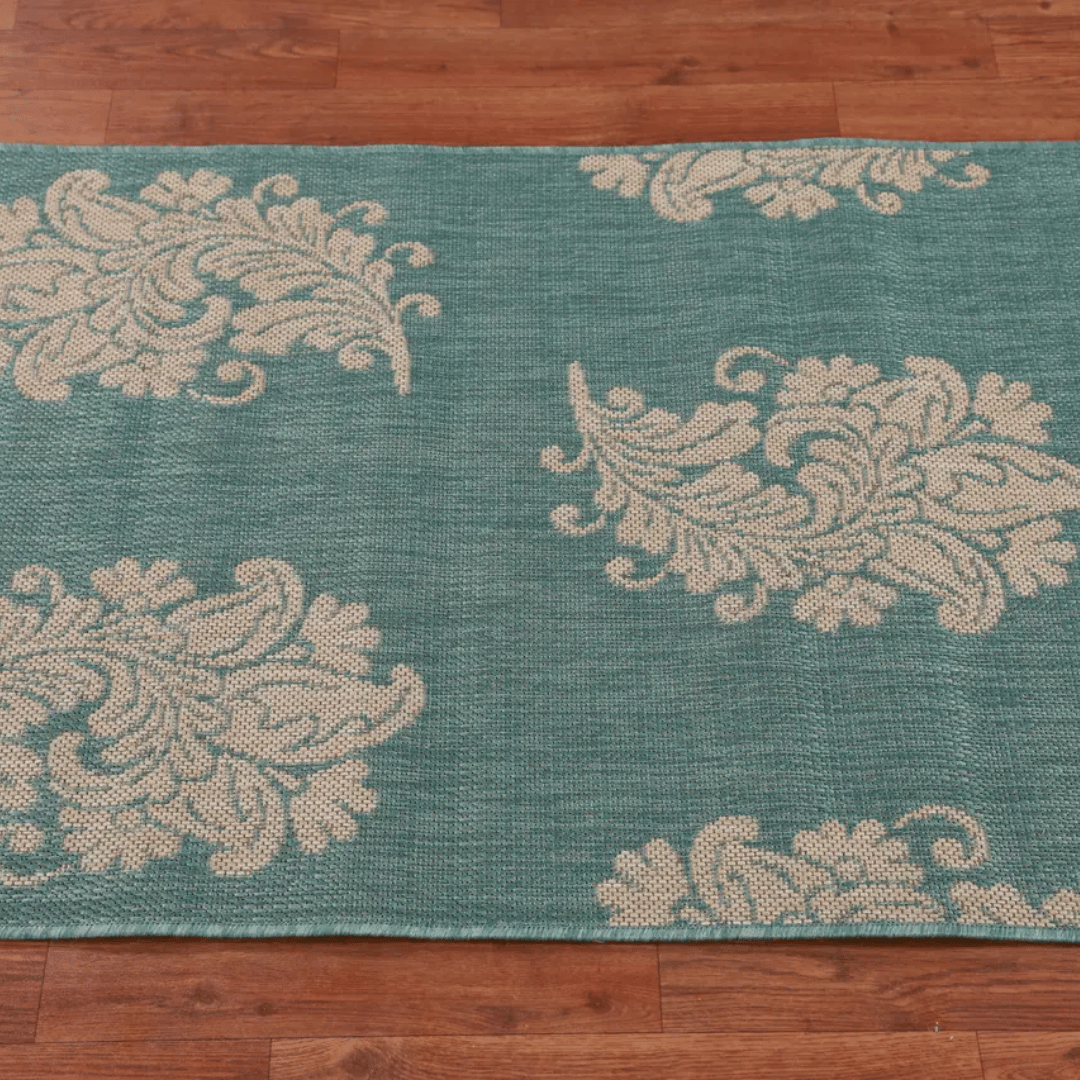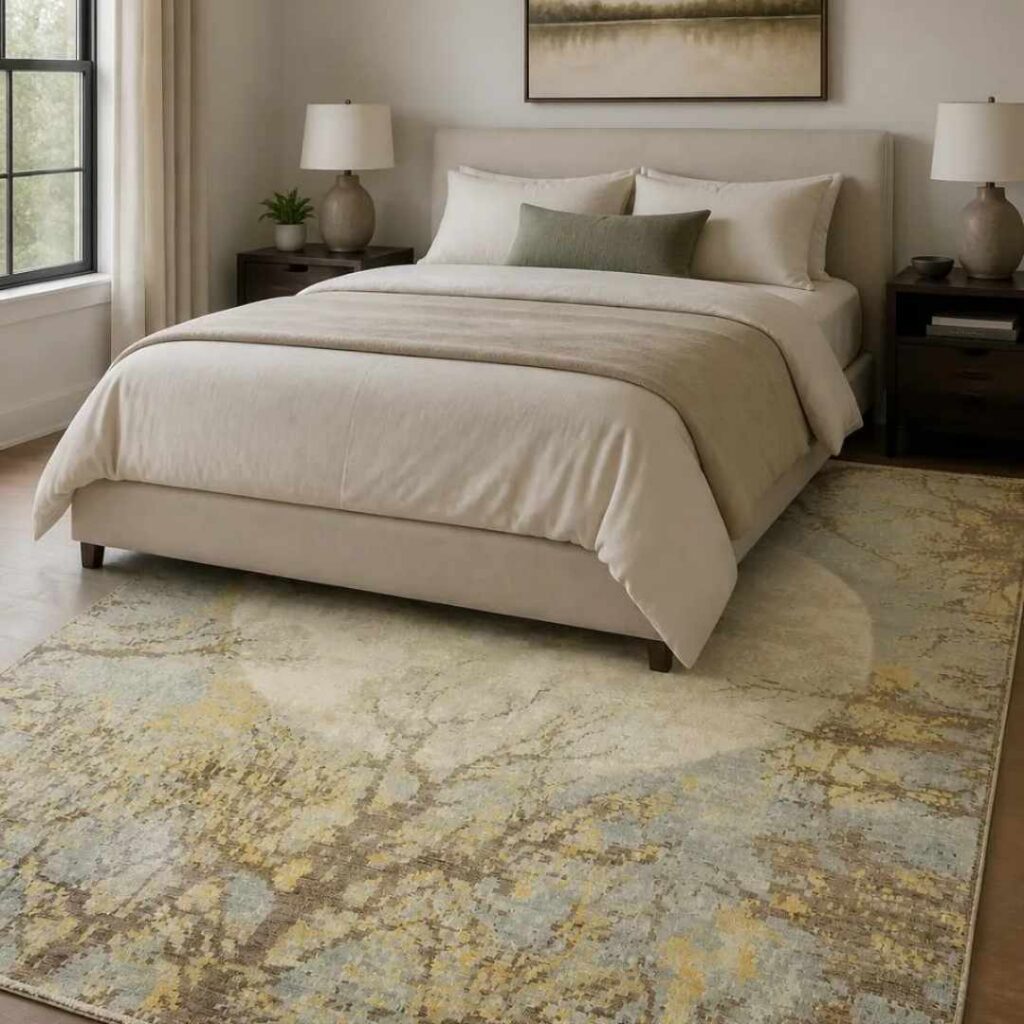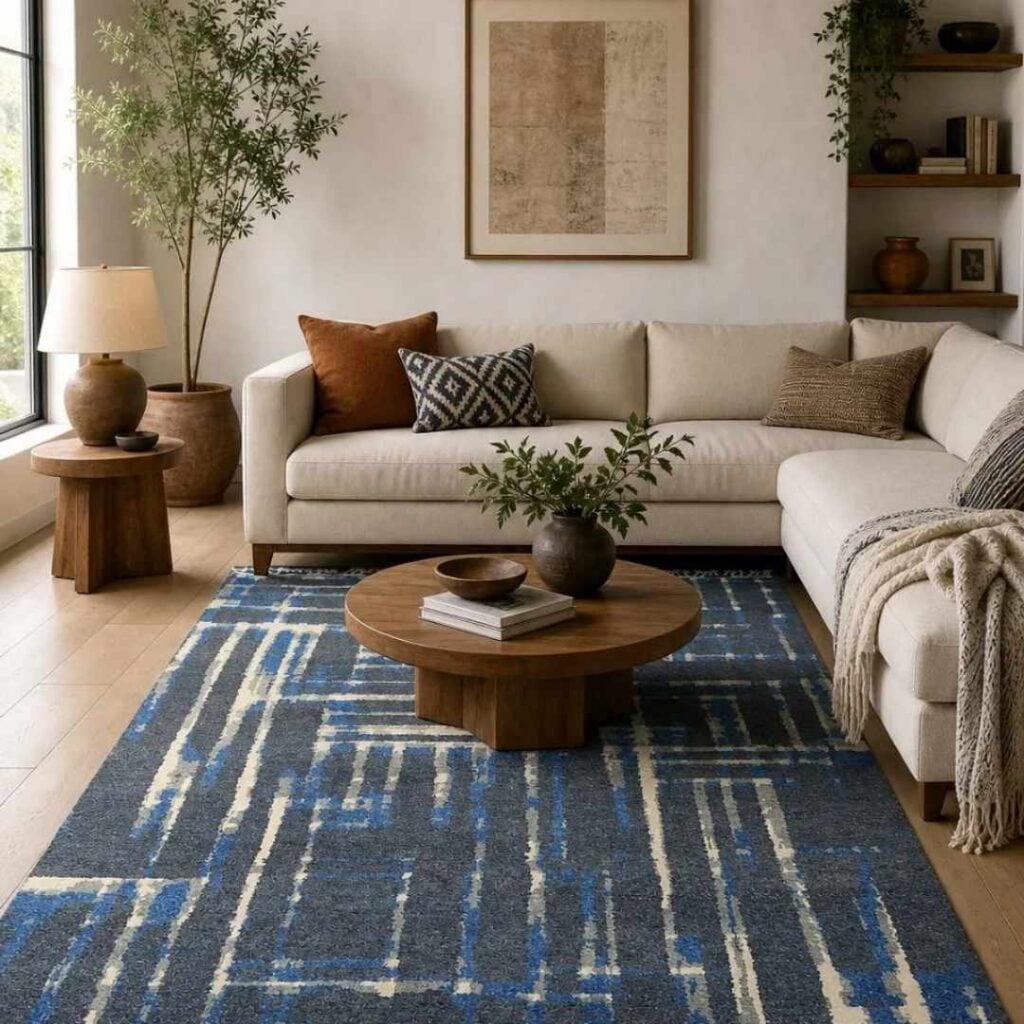
Can Oriental Rugs Be Used in High-Traffic Areas? Durability Tips and Best Practices


Oriental rugs are often seen as luxurious art pieces underfoot—beautiful, intricate, and steeped in tradition. But for many shoppers, there’s an underlying hesitation: “Aren’t they too delicate for everyday use?” The truth may surprise you. While these rugs are prized for their aesthetic appeal, their craftsmanship and materials often make them highly durable and perfectly suitable for high-traffic areas in the home.
At Rug Source, we believe beauty shouldn’t be reserved for rarely used rooms. If you’re wondering whether your Oriental rug can withstand daily wear, this guide will help you understand why the answer is often yes, and how to make sure your rug stays beautiful for years to come.
The Hidden Strength of Oriental Rugs
Oriental rugs are typically hand-knotted, a technique that has been refined for centuries across regions such as Persia (modern-day Iran), Turkey, India, and Central Asia. This labor-intensive method results in exceptionally sturdy rugs that often last generations.
Many Oriental rugs are made from wool, a fiber known for its resilience, elasticity, and natural resistance to dirt. Wool can absorb and release moisture without compromising its structure, making it a top choice for homes that experience both dry and humid conditions. Additionally, the high knot density of hand-knotted rugs contributes significantly to their longevity. A rug with a higher knot count can resist foot traffic better and maintain its structure over time.
Silk is also used in some Oriental rugs, particularly in highlights or intricate detailing. While silk is softer and more delicate than wool, it’s usually used sparingly, and many silk-wool blends are still surprisingly tough.
Best Places to Use Oriental Rugs in the Home
If you’re considering adding an Oriental rug to your space but are unsure of where it will perform best, here are several areas where these rugs can shine—literally and figuratively.
Entryways and Hallways
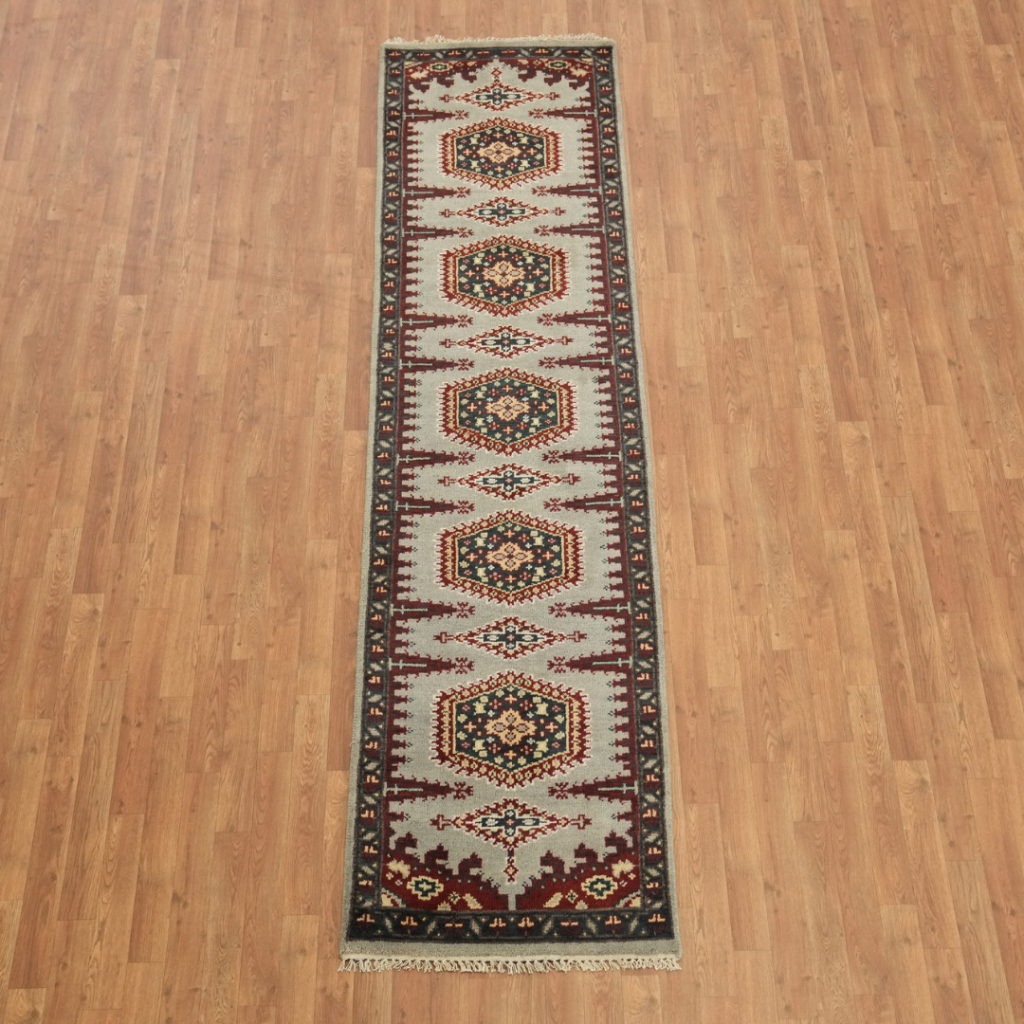
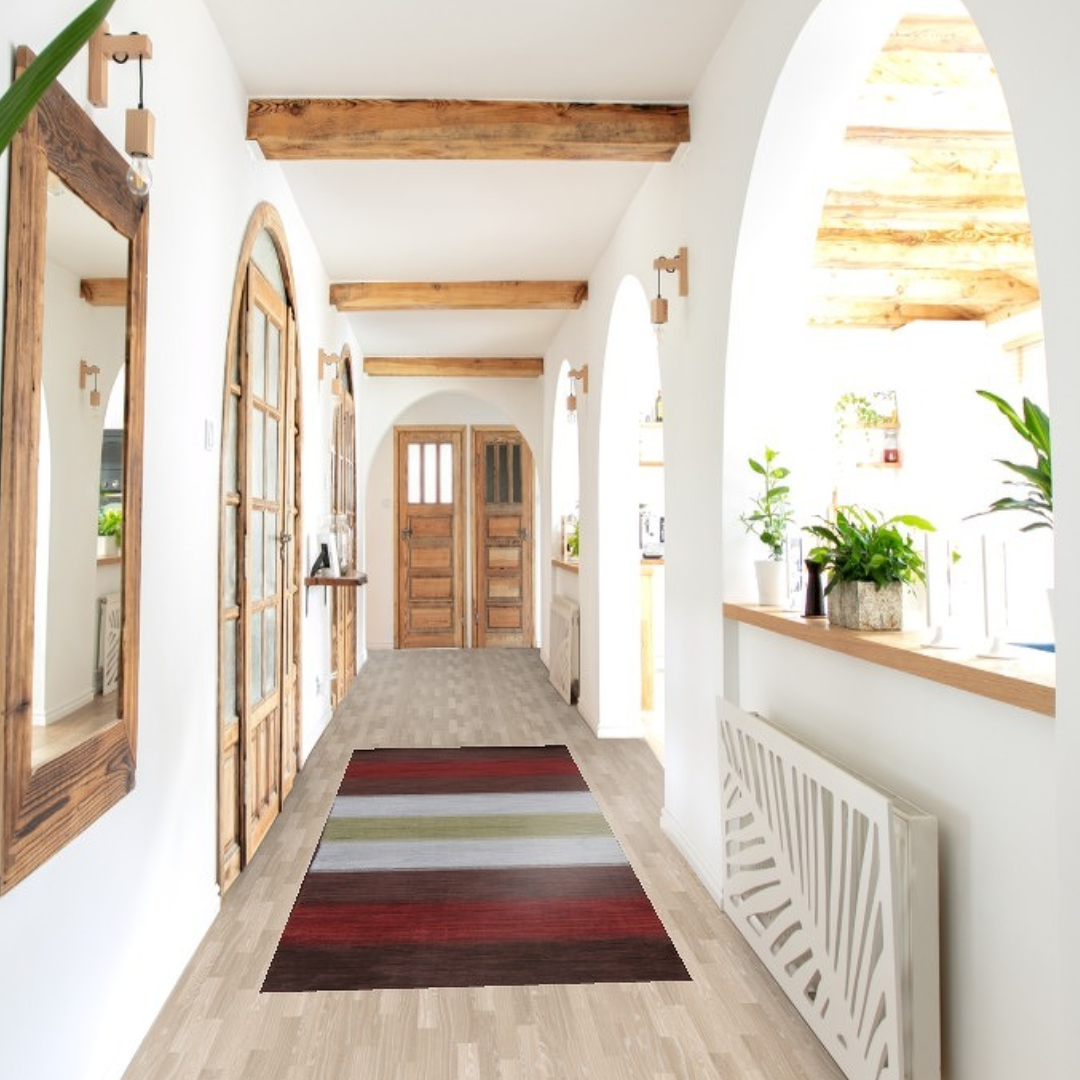
These areas see consistent foot traffic, but a well-made Oriental rug can handle the wear. Choose a wool rug with a rich pattern that will disguise dirt and shoe marks until the next cleaning. A narrow runner or smaller rectangular rug is often ideal here.
Living Rooms
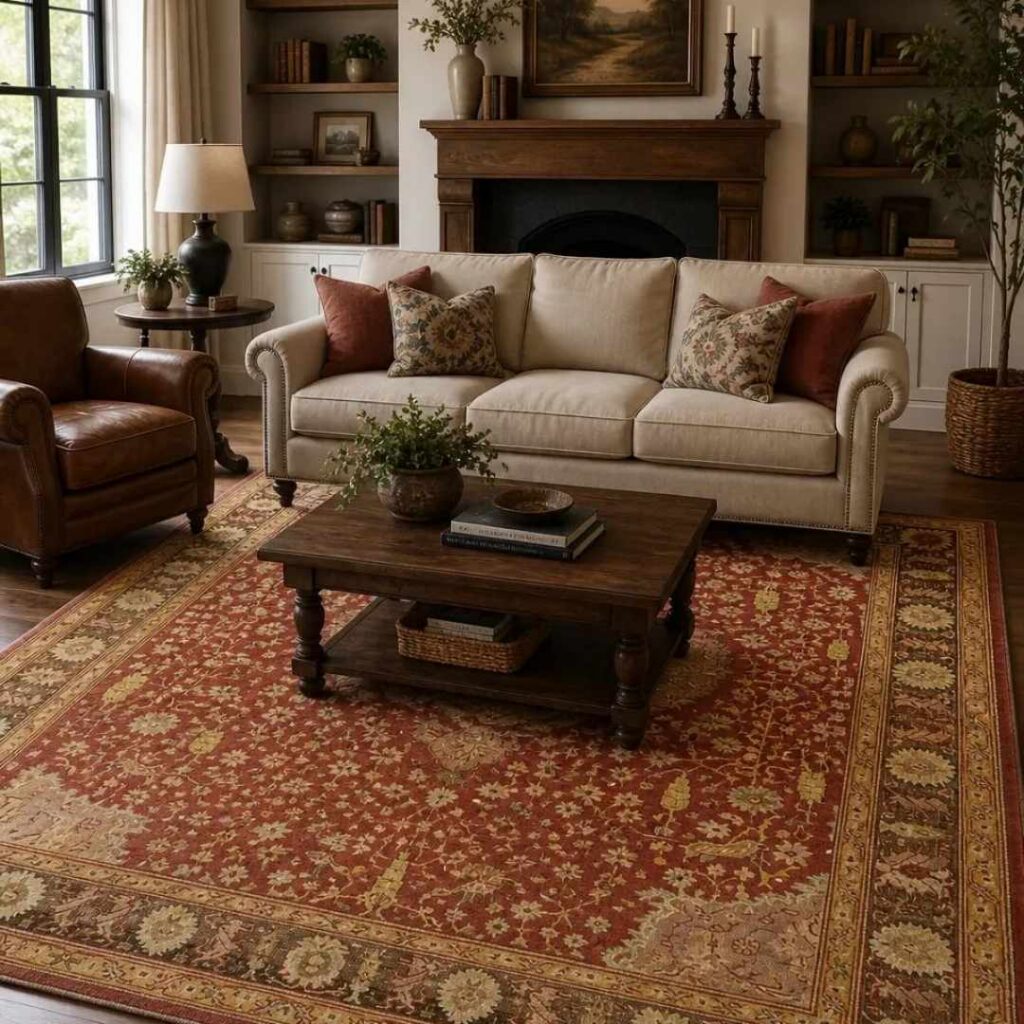
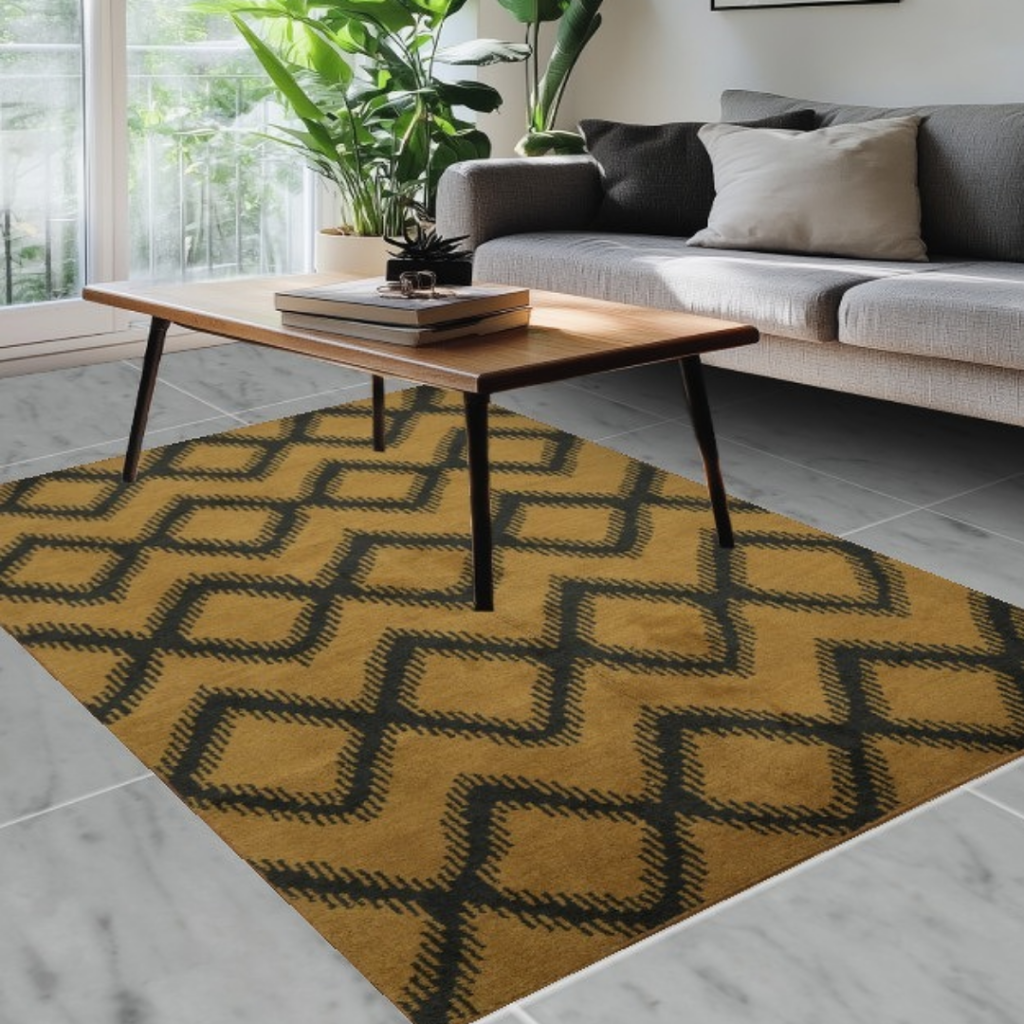
The living room is one of the best places to display a large Oriental rug. Not only does it ground your furniture and pull the room together, but it also adds warmth and comfort underfoot. Wool rugs are a great option in this space, especially if you frequently host guests.
Dining Rooms
It may seem counterintuitive to place a fine rug where food and drink are present, but a tightly woven Oriental rug can manage the occasional spill. Just make sure the rug is large enough for chairs to move in and out without catching the edges, and attend to accidents promptly.
Home Offices
Adding an Oriental rug to a home office can make the space feel more polished and inspiring. Opt for a low-pile option if you use a rolling chair, as high-pile rugs can make movement difficult and wear unevenly.
Practical Tips to Prolong Your Rug’s Life
Even the most durable rugs need a little help to maintain their beauty. Here are a few care tips that will ensure your Oriental rug stays vibrant and strong, even in high-traffic areas.
1. Use a Rug Pad
A quality rug pad is essential. It reduces slippage, provides cushioning, and protects both your rug and your flooring. Pads also absorb some of the pressure from footsteps, extending the life of the rug’s fibers.
2. Rotate Your Rug Regularly
Foot traffic tends to be uneven, so rotating your rug every few months can help ensure consistent wear and prevent fading or matting in specific spots.
3. Vacuum with Care
Vacuuming your rug once a week will keep it free from dirt and debris that can wear down the fibers. Use a suction-only vacuum or a vacuum with the beater bar turned off, especially if your rug has fringe or delicate detailing.
4. Spot Clean Immediately
Accidents happen, especially in busy households. Blot—not rub—spills with a clean, dry cloth. If necessary, use a mild solution of water and white vinegar. Avoid harsh chemicals that can damage natural fibers or dyes.
5. Schedule Professional Cleanings
Every few years, have your Oriental rug professionally cleaned by a trusted expert who understands the materials and construction methods. This will refresh the rug’s appearance and remove deep-set dust and allergens.
Choosing the Right Rug for High-Traffic Zones

While most hand-knotted Oriental rugs can handle everyday use, some are better suited for high-traffic areas than others. Here’s what to look for when shopping:
- Pile Height: Low to medium-pile rugs are easier to clean and more resistant to compression from frequent foot traffic.
- Pattern & Color: Darker hues and busy patterns can disguise dirt and wear, making them ideal for busier spaces.
- Fiber Content: Wool remains the gold standard for durability and ease of maintenance.
- Size: A rug that fully fits under furniture distributes weight more evenly and prevents bunching or curling.
Antique Rugs: Beauty with a Bit More Caution
It’s worth noting that not all Oriental rugs are created equal when it comes to traffic tolerance. Antique rugs—typically those over 100 years old—can still be very durable, but their condition and materials may require more careful consideration. If you own a particularly delicate piece, consider displaying it in a less-used room or layering it over a sturdier rug for protection and support.
Tough Enough for Real Life
Oriental rugs are more than decorative accents; they’re heirloom-quality pieces that are surprisingly well-suited to everyday life. With a little attention and care, these timeless textiles can thrive in busy homes, adding richness, warmth, and personality without sacrificing practicality.
Whether you’re furnishing a grand entryway or cozy family room, a high-quality Oriental rug can stand up to the challenge. Explore the extensive collection at Rug Source and discover a rug that’s not only beautiful but ready to live life with you.