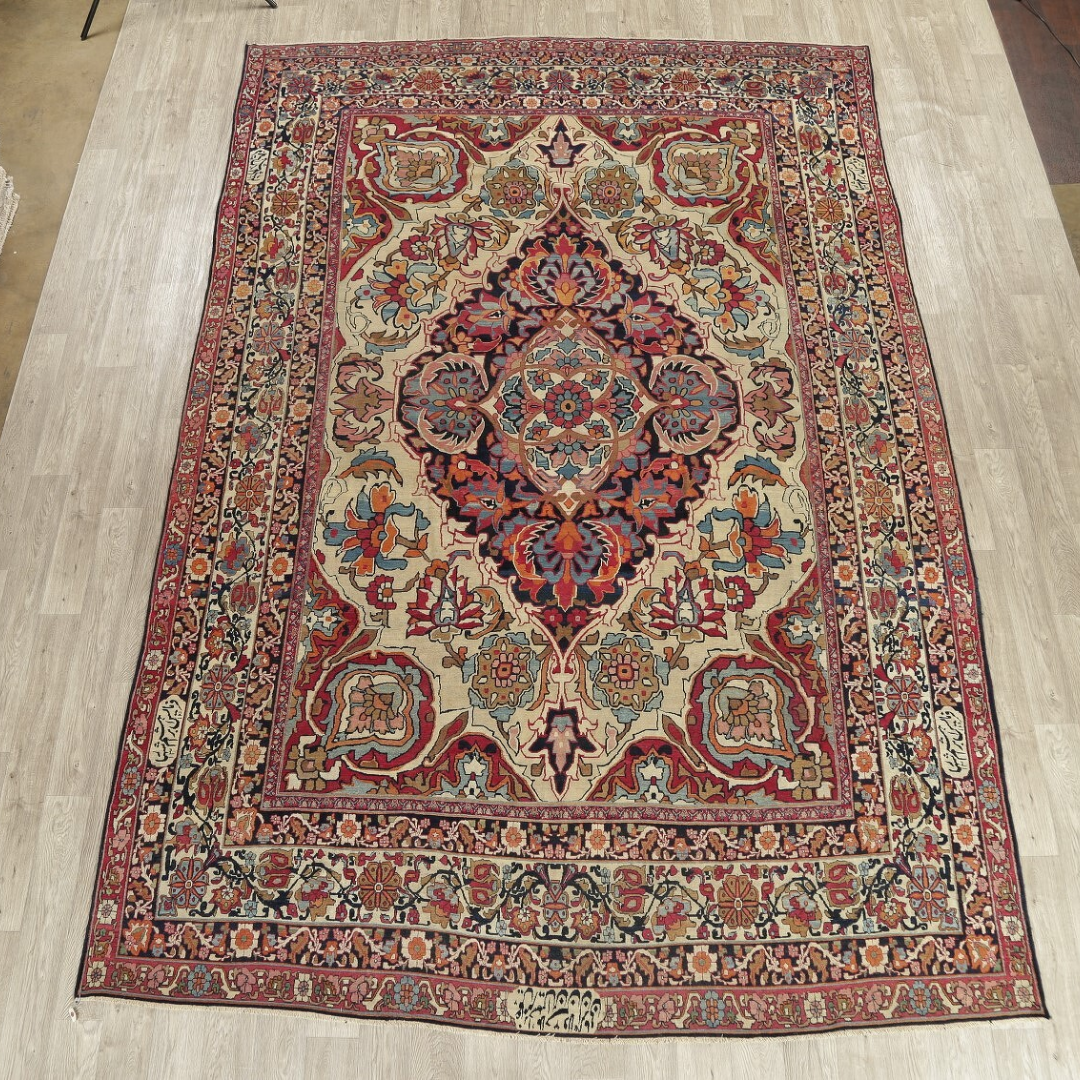
What Makes a Rug Truly Luxury? A Guide to High-End Rugs Worth the Investment

Not all rugs are created equal, and the gap between an ordinary rug and a truly luxurious piece is vast. A luxury rug is not simply expensive. It is a work of art with a story, a lineage of craftsmanship, and a construction standard that allows it to improve with age. It is one of the few home furnishings that can genuinely become more valuable over time.
At Rug Source, we work directly with master weavers and established workshops to bring genuinely exceptional rugs to our customers at accessible prices. This guide will help you understand what separates a luxury rug from everything else and how to choose one that will serve as a lasting centerpiece in your home.
What Makes a Rug a Luxury Rug?
The term luxury is used loosely in the rug market. Here are the concrete attributes that define a genuinely high-end rug:
- Hand-knotted construction: Every luxury rug is made entirely by hand. A single artisan or team of weavers ties individual knots around warp threads, one at a time. This process is extraordinarily labor-intensive and can take months or years to complete. No machine can replicate it.
- High knot density: Measured in knots per square inch (KPSI), knot density determines the fineness of detail achievable in a rug’s pattern. Luxury rugs often feature 200 to 800+ KPSI. High-end silk Persian rugs can exceed 1,000 KPSI.
- Premium materials: Luxury rugs use the finest available fibers: hand-spun wool from New Zealand or Afghan highland sheep, pure silk, or wool and silk blends. The material quality determines how the rug looks, feels, and ages.
- Natural dyes: Authentic luxury rugs use vegetable and plant-based dyes derived from pomegranate skin, indigo, madder root, and other natural sources. These dyes develop a patina over time rather than fading, giving antique rugs their characteristic beauty.
- Master craftsmanship and origin: Rugs from established weaving regions such as Isfahan, Tabriz, Kashan, Qom, and Heriz in Iran, or Agra and Jaipur in India, carry the weight of centuries of tradition and command significant value.
Luxury Rug Materials: Wool, Silk, and Beyond
Fine Wool
The foundation of most luxury rugs. The finest wool comes from the underbelly of highland sheep raised in cooler climates, producing fiber that is soft, lustrous, and incredibly durable. Kork wool, used in high-end Persian rugs, is considered the gold standard: it is hand-spun, naturally lanolin-rich, and develops a beautiful sheen over time.
Silk
Pure silk rugs are among the most opulent objects in interior design. Silk fibers are extraordinarily fine, allowing weavers to achieve breathtaking detail and a luminous sheen that shifts with the light. Silk rugs are best used in low-traffic areas or as display pieces, as silk is more delicate than wool. A 9×12 silk rug from Qom, Iran, can contain tens of millions of knots.
Wool and Silk Blend
Blending wool with silk gives weavers access to silk’s reflective quality and fine detail while maintaining the structural durability of wool. These rugs feature silk highlights that shimmer against a wool ground, creating a visual depth that is impossible to achieve with a single fiber. This is one of the most popular constructions in fine rug collecting.
The Most Prestigious Luxury Rug Origins
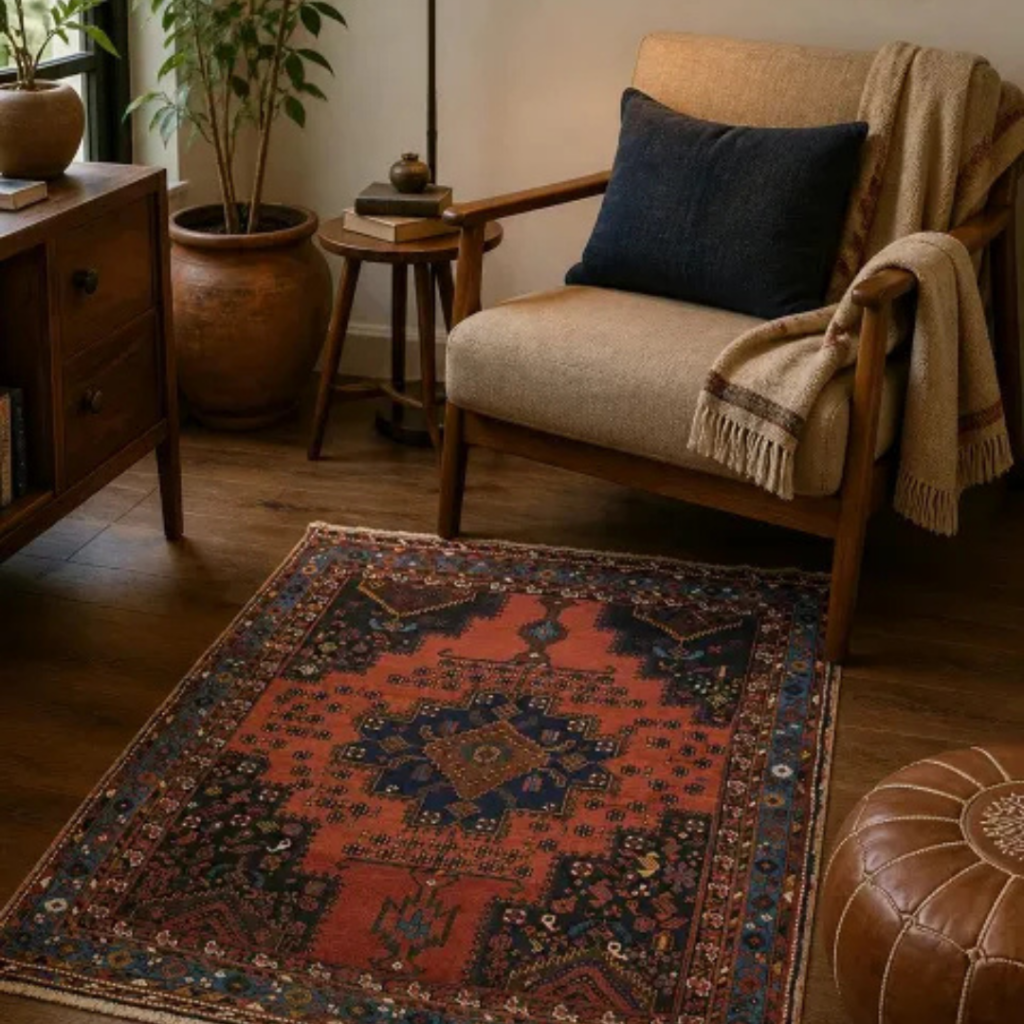
- Persian rugs (Iran): Considered the pinnacle of rug weaving. Rugs from Isfahan, Tabriz, Kashan, and Qom are among the most collectible in the world. Persian rugs are characterized by intricate medallion designs, exceptional knot density, and natural dye traditions going back centuries.
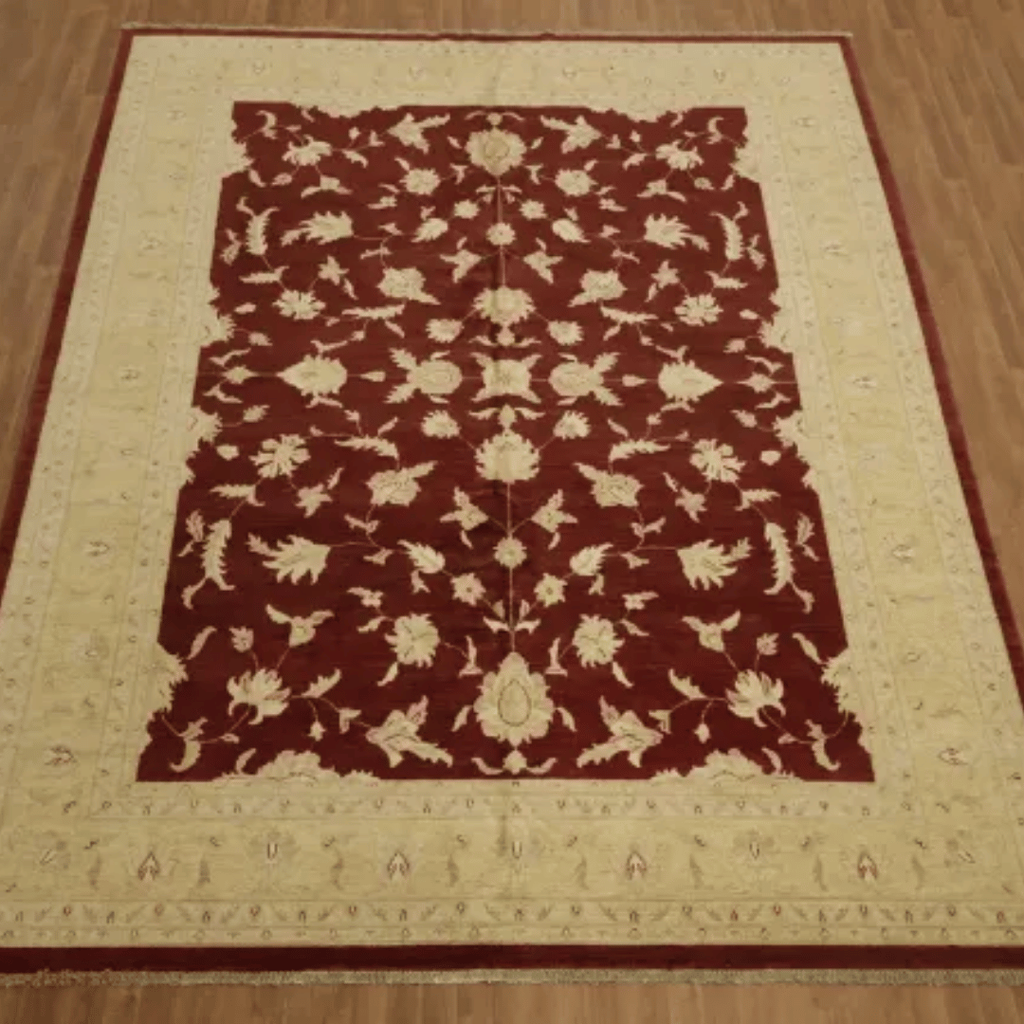
- Indian luxury rugs: Agra and Jaipur have produced fine hand-knotted rugs since the Mughal era. Indian luxury rugs often feature bold floral and geometric patterns in rich color palettes, made with fine wool or wool-silk blends.
- Turkish rugs: Hereke, Turkey, produces some of the finest silk rugs in the world. Turkish luxury rugs are known for geometric precision and exceptional craftsmanship.
- Palace rugs: Oversized rugs, often 12×18 feet and larger, commissioned for palaces and grand spaces. Palace rugs represent the absolute pinnacle of rug weaving, featuring the most complex patterns and finest materials available.
How to Style a Luxury Rug
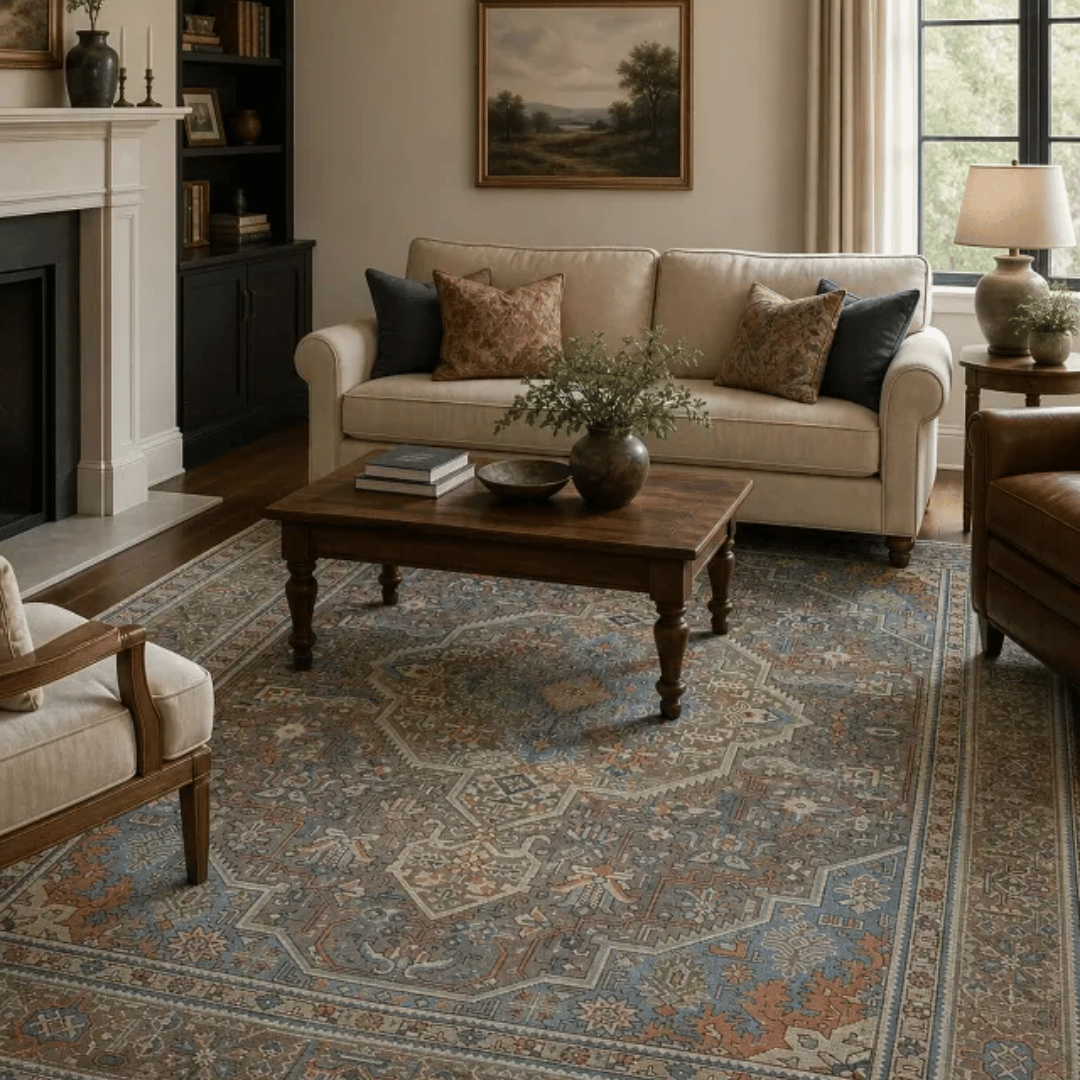
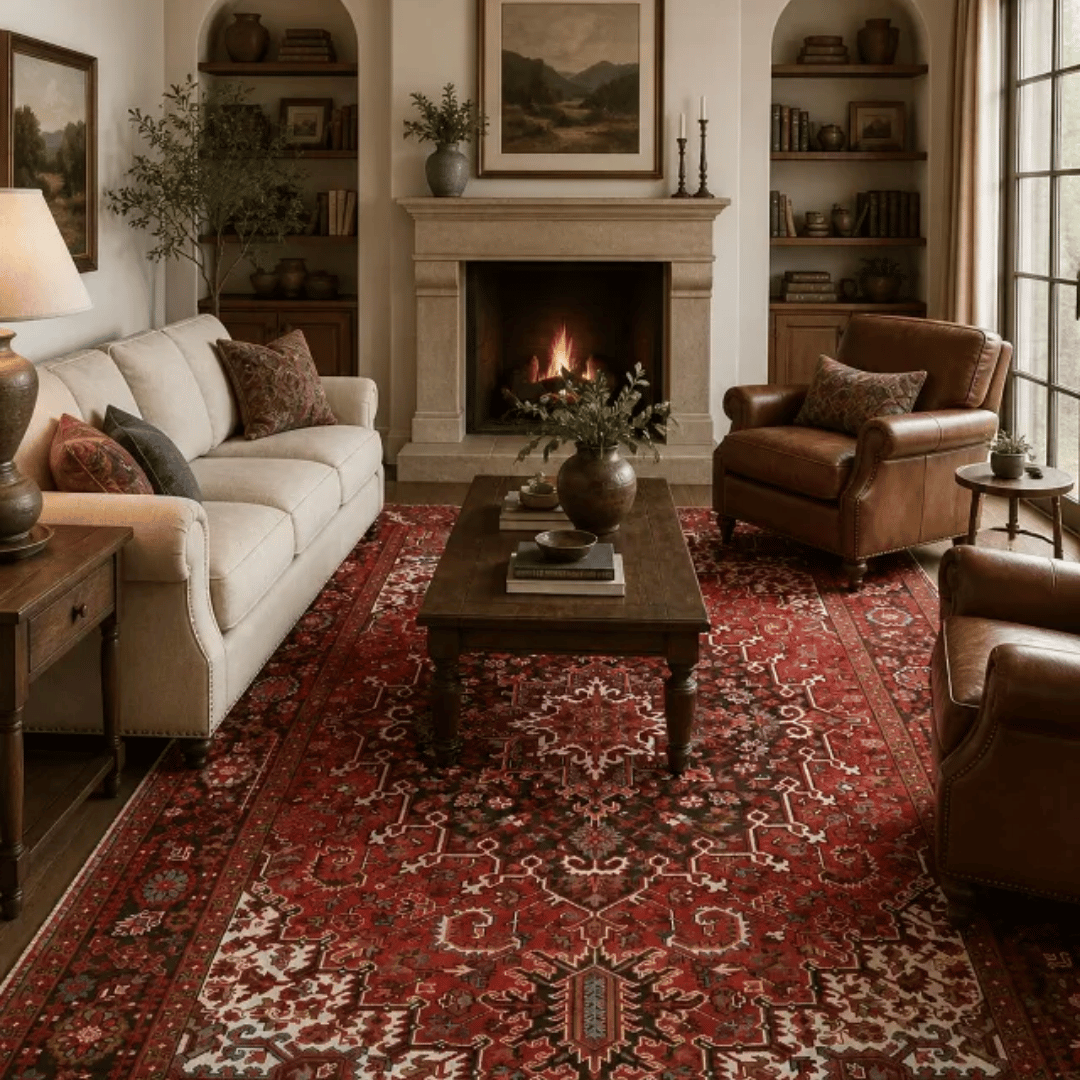
A luxury rug is the centerpiece of a room, not a background element. Here’s how to give it the prominence it deserves:
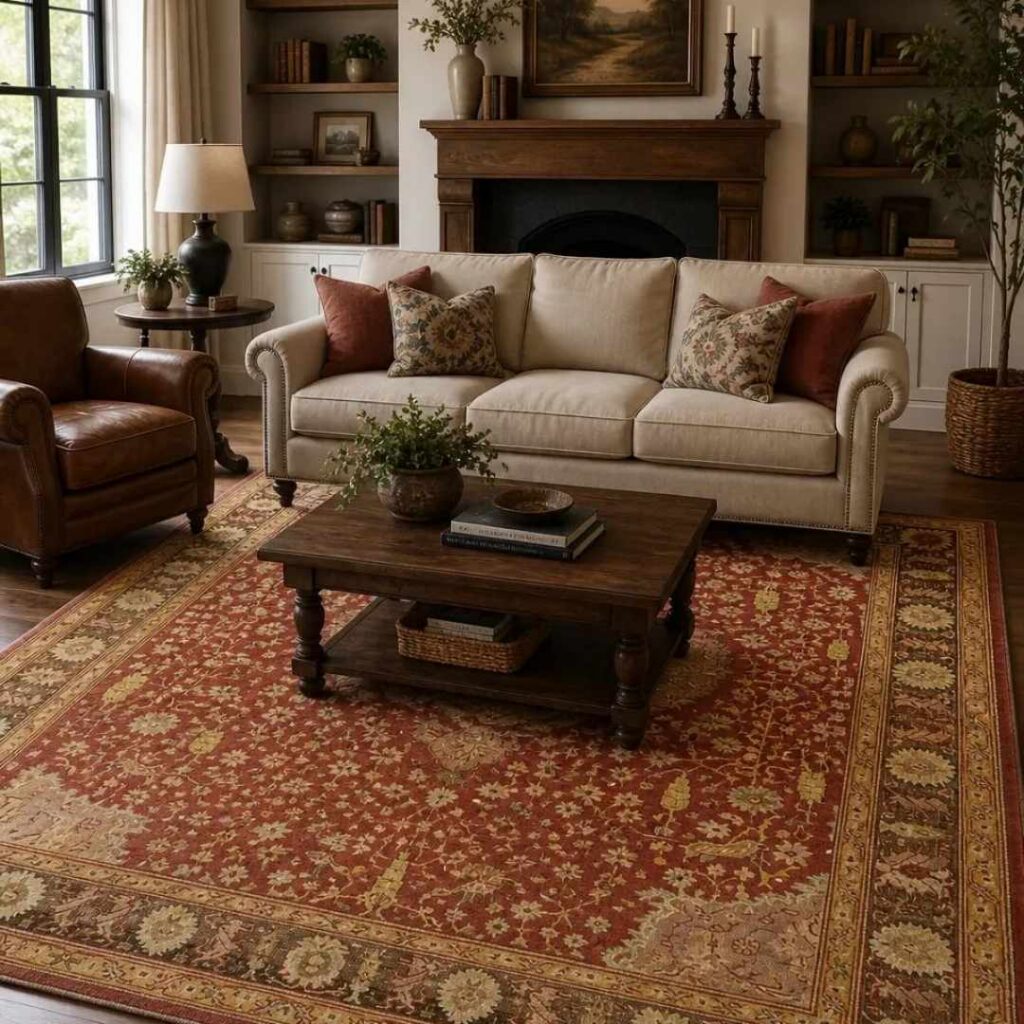
- Let it anchor the room: Choose furniture and decor that complements the rug rather than competing with it. If the rug has a complex pattern, keep surrounding pieces relatively simple.
- Size up: Luxury rugs have more visual presence than ordinary rugs. A 9×12 or larger is appropriate for most formal living and dining rooms.
- Control the light: Silk rugs in particular benefit from indirect, diffused light that allows their sheen to shift and glow. Avoid harsh direct sunlight, which can fade even natural dyes over time.
- Use a quality rug pad: A premium rug pad protects the investment, prevents slipping, and adds cushion that allows the rug’s pile to stand upright fully.
Caring for a Luxury Rug
- Vacuum gently: Use a suction-only attachment, never a beater bar, on wool or silk rugs. Vacuum in the direction of the pile.
- Rotate every 6 to 12 months: Even indirect sunlight causes gradual fading. Rotation ensures even aging and prevents one area from deteriorating faster.
- Professional cleaning only: Luxury rugs should be hand-washed by a professional rug cleaner every 3 to 5 years. Never steam clean or machine wash.
- Blot spills immediately: Use a clean white cloth and blot gently from the outside in. For silk rugs, especially, call a professional for any serious spill.
Find Your Luxury Rug at Rug Source
A luxury rug is one of the most meaningful investments you can make in your home. It brings beauty, history, and craftsmanship to your space and gains character with every passing year. Whether you are drawn to the intricate grandeur of a Persian silk rug, the rich warmth of a hand-knotted Indian wool masterpiece, or the commanding presence of a palace-sized floor covering, Rug Source has the selection to match your vision.