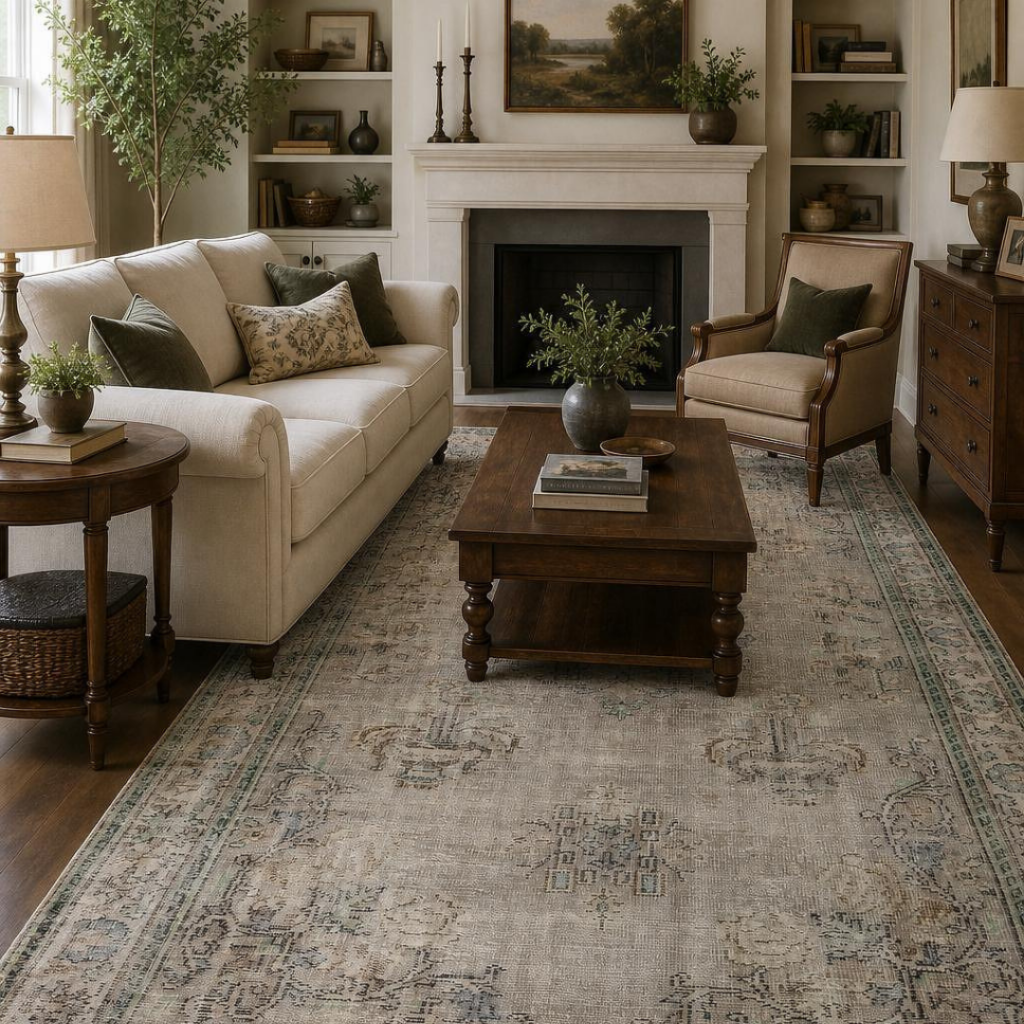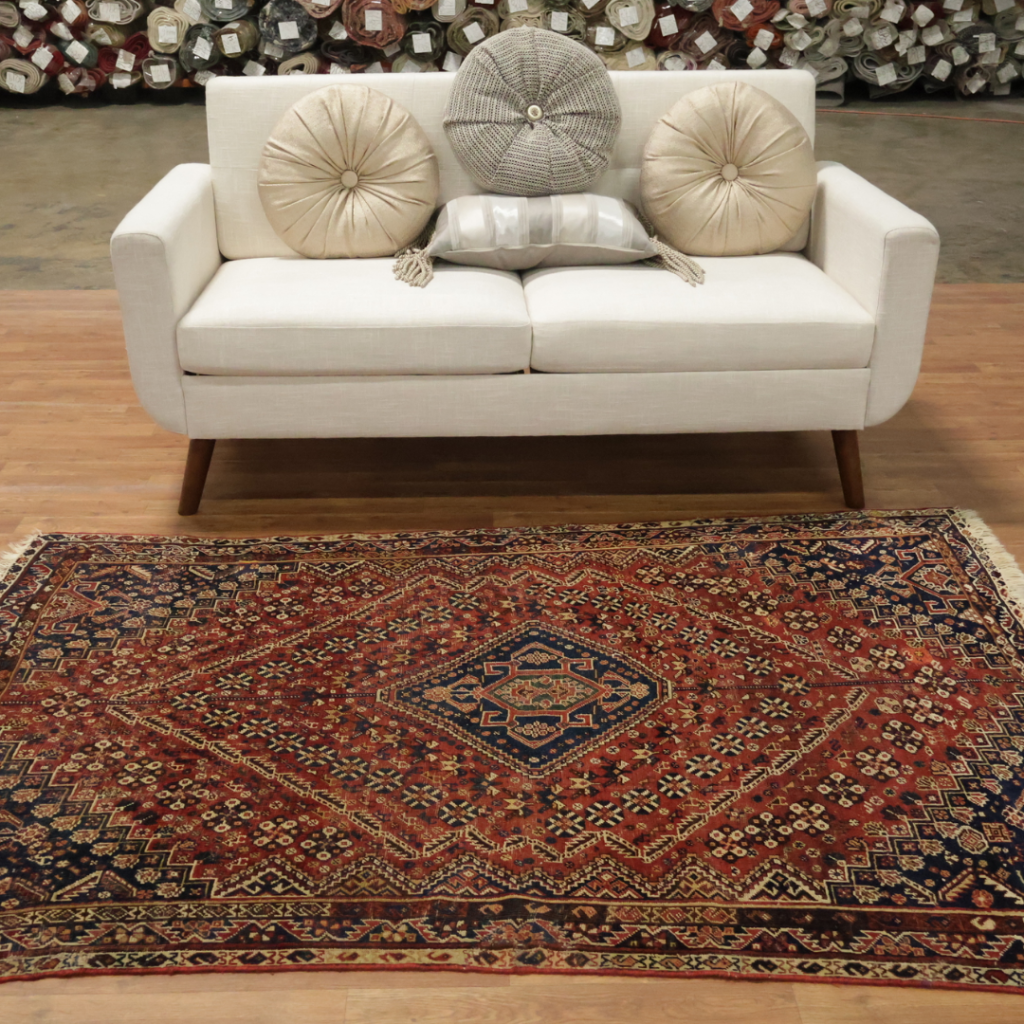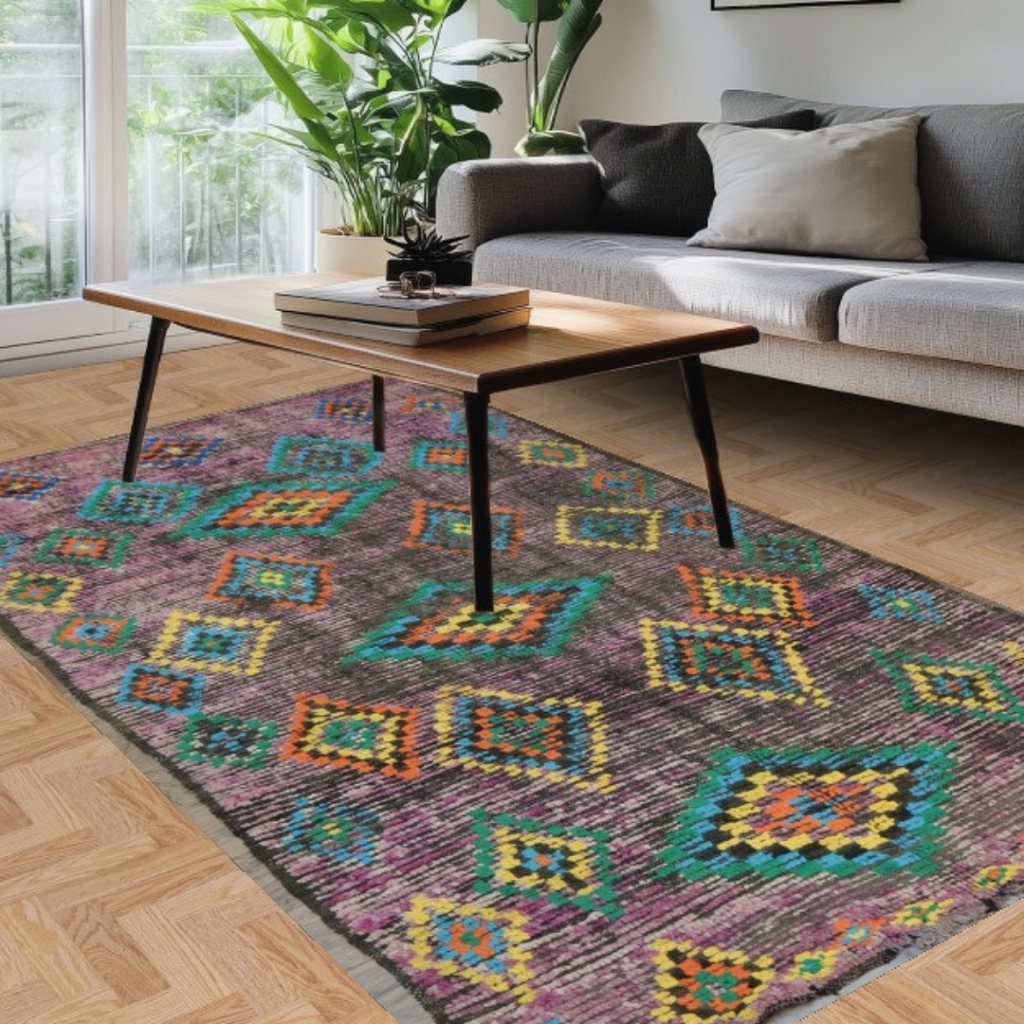

Vintage Vibes Underfoot: Shop Stunning Antique Rugs Today

Why Antique Rugs Turn Any Space Into a Timeless Haven
Antique rugs bring centuries of artistry, culture, and craftsmanship into the heart of your home. Defined as rugs that are over 100 years old, these hand-knotted masterpieces serve as both functional décor and collectible investments. No two are exactly alike—each rug reflects the techniques, materials, and spirit of the region where it was woven.
Quick Antique Rug Shopping Guide:

- Persian Rugs – Known for floral medallions, rich jewel tones, and detailed borders
- Turkish Rugs – Geometric motifs, flat-woven kilims, and softer color palettes
- Caucasian Rugs – Bold tribal patterns and symbolic design language
- Authenticity Checklist – Hand-knotted construction, natural dyes, integral fringe
- Price Range – Entry-level tribal pieces to rare Persian antiques exceeding $40,000
At Rug Source, we believe antique rugs are more than floor coverings—they’re pieces of living history. Woven by artisans using traditional techniques passed down for generations, these rugs have a story to tell. Their naturally dyed wool, unique imperfections, and aged patina give every room warmth, character, and soul.
Antique vs. Vintage Rugs: What’s the Difference?
The distinction between antique and vintage rugs isn’t just about age—it affects pricing, collectability, and resale value.
- Antique Rugs: Over 100 years old, often from the 19th or early 20th century
- Vintage Rugs: 25–100 years old, usually mid-20th-century pieces
- Modern Rugs: Less than 25 years old, typically mass-produced
That 100-year mark holds legal weight under U.S. Customs and trade definitions and often influences auction prices and import duties. More importantly, it signals that a rug has survived generations of use, retaining both its beauty and structural integrity.
Vintage rugs can still be excellent investments. Many feature the same traditional hand-knotting and natural materials as antique pieces, but are more accessible in price. With care, they can cross into the antique category over time, appreciating in both historical and market value.
Explore Rugs by Origin
Each weaving region has its own unique history, color palette, and motifs:
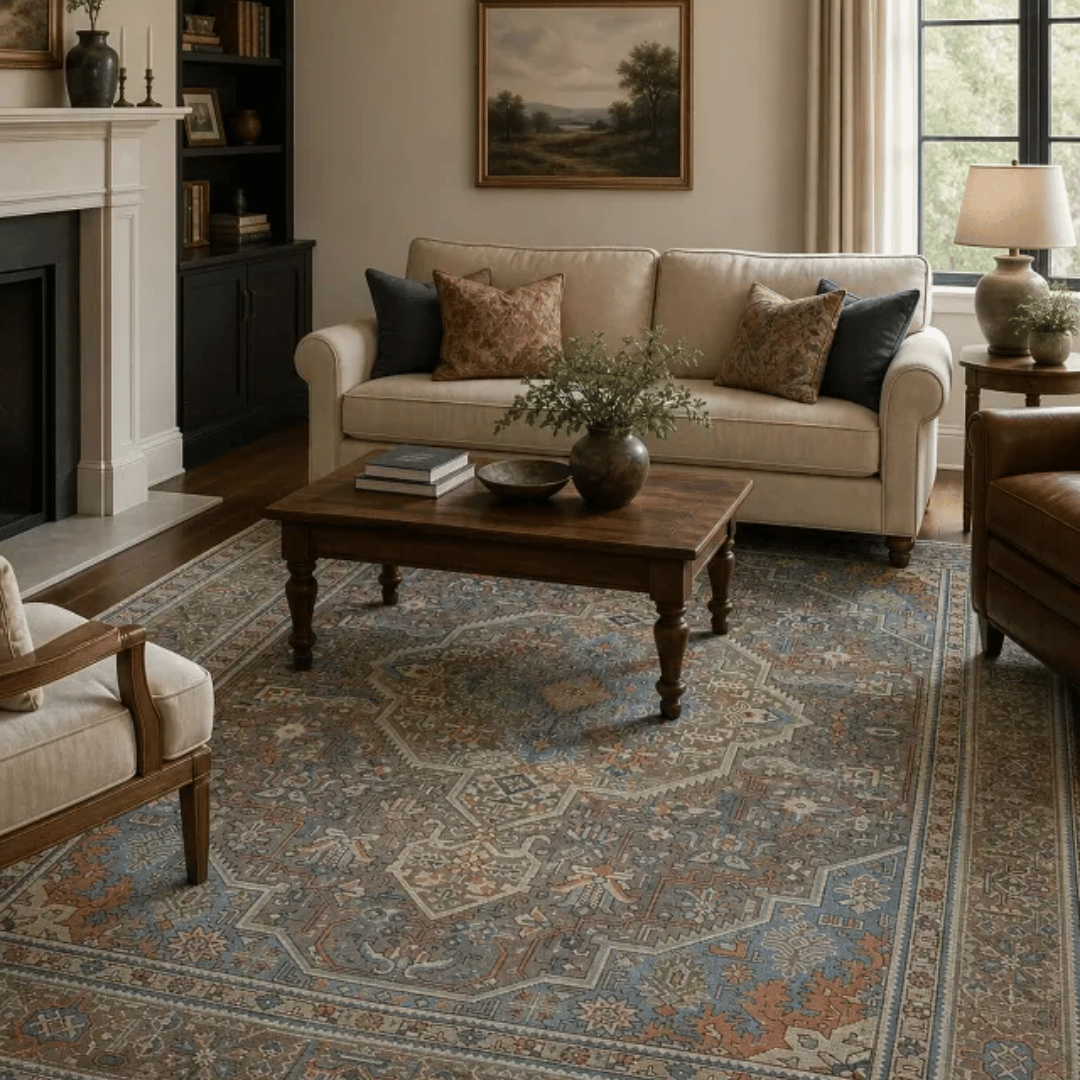
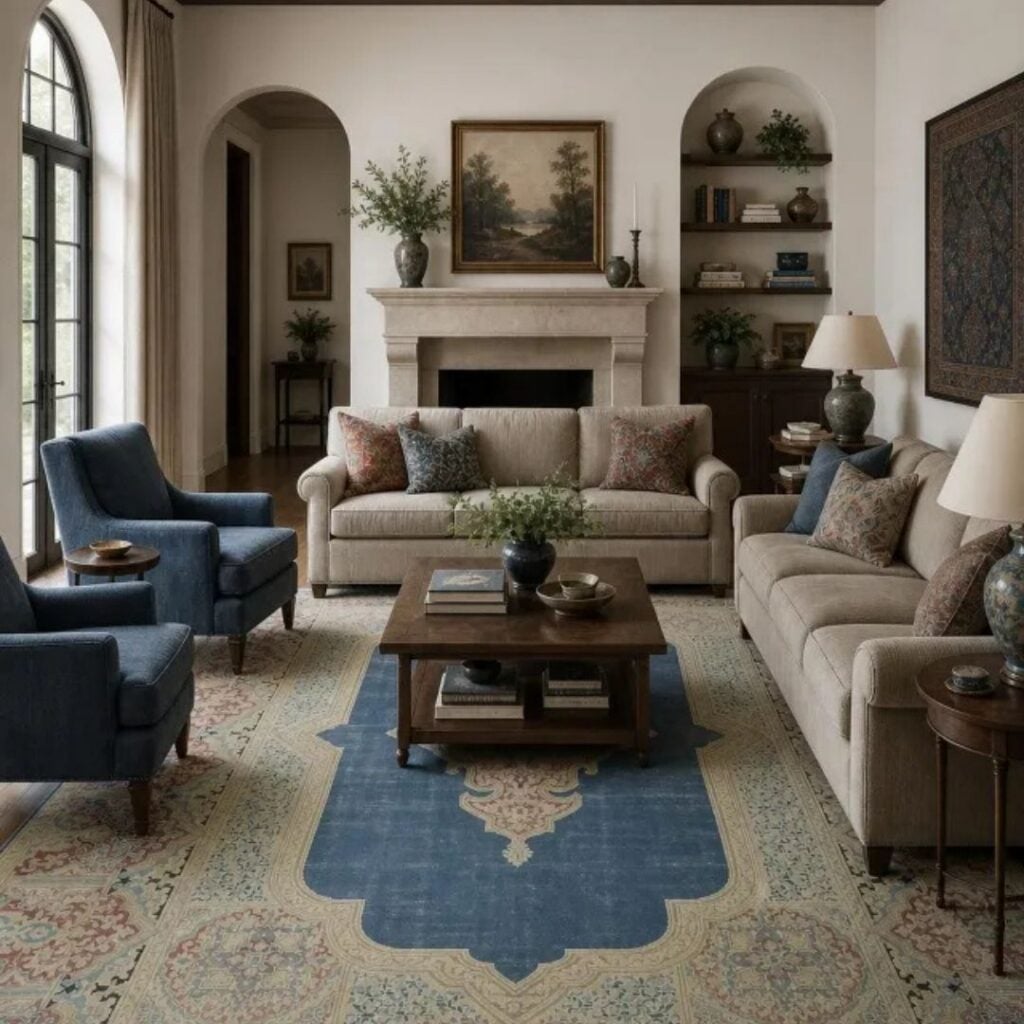
- Persian Rugs (Iran): Known for floral Tabriz, bold Heriz, and refined Kashan styles. Rich reds, blues, and creams dominate these intricate designs.
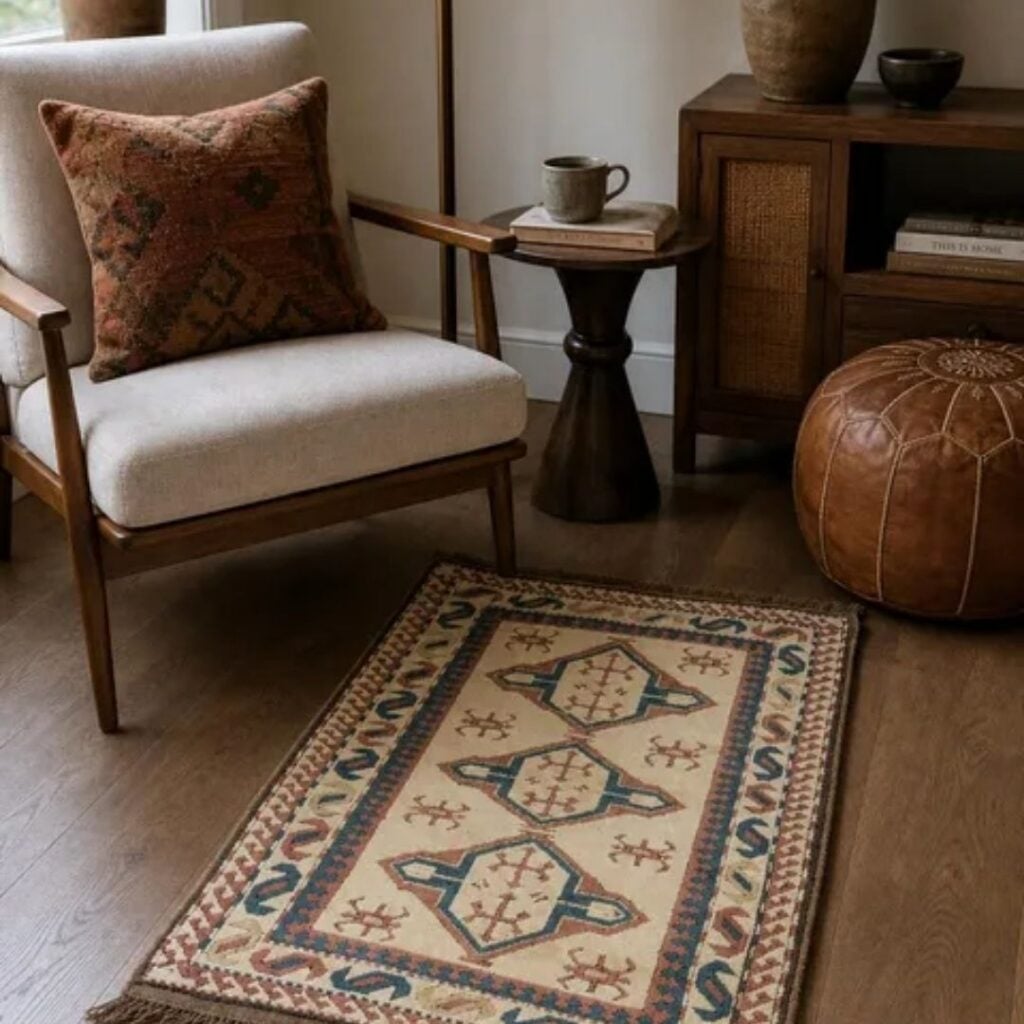
- Turkish Rugs (Anatolia): Oushak and kilim rugs blend geometric precision with earth-toned dyes. Their understated elegance suits modern interiors.
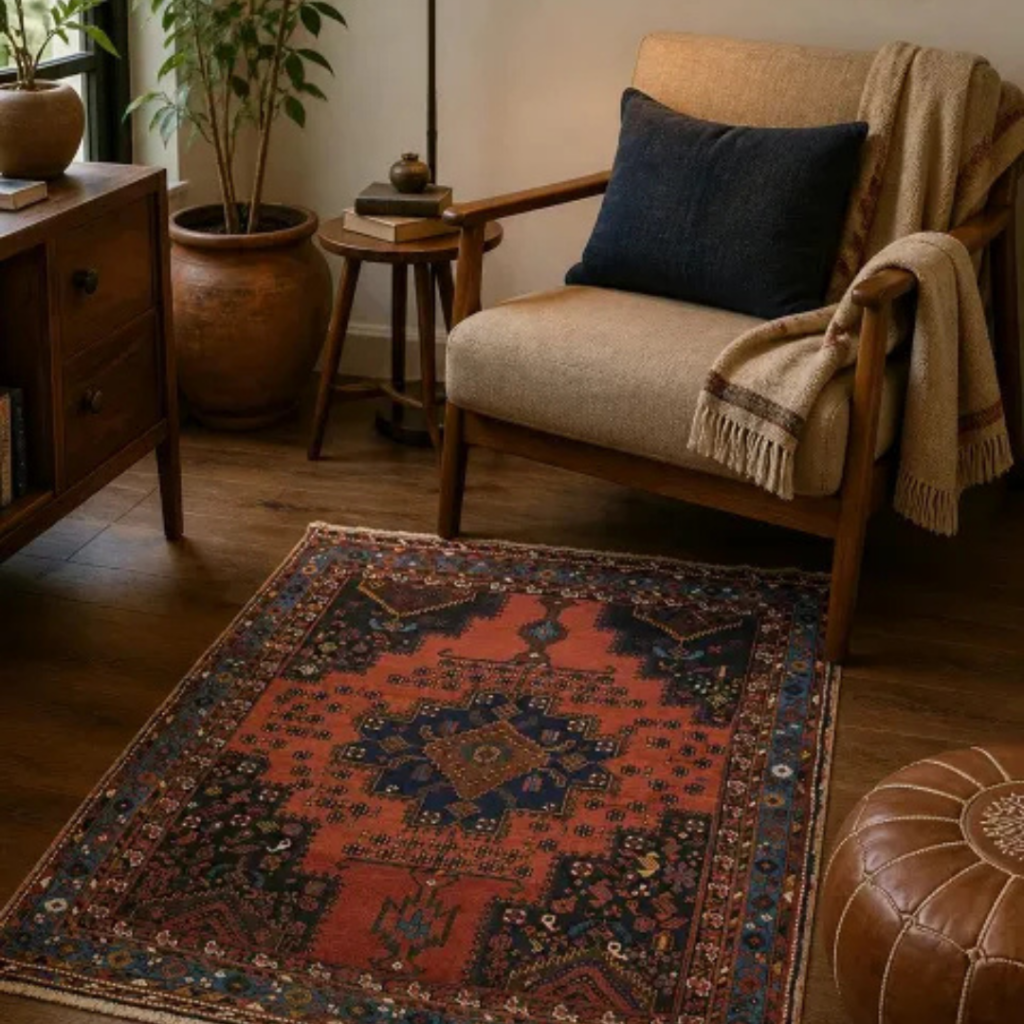
- Caucasian Rugs (South Caucasus): Kazak and Shirvan rugs feature bold, tribal symbolism, with saturated hues and graphic compositions.
These rugs were made using hand-spun wool, vegetable dyes, and tightly knotted craftsmanship, making each piece not only beautiful but built to last.
Authenticating Antique Rugs
Here are key markers of authenticity when shopping for antique rugs:
- Knot Density: Genuine pieces range from 50 to 400+ knots per square inch
- Abrash: Subtle shifts in color due to hand-dyeing with natural plant materials
- Hand-Spun Wool: Slight texture and thickness variations add depth and character
- Integral Fringe: True hand-knotted rugs have fringe that is part of the foundation
- Back of Rug: Knot structure is visible and irregular—no backing or machine-stitching
Unlike synthetic reproductions, antique rugs show gentle aging—areas of worn pile, soft color fading, and uneven wear—all considered part of their charm and authenticity.
Persian Masterpieces: A Lasting Legacy
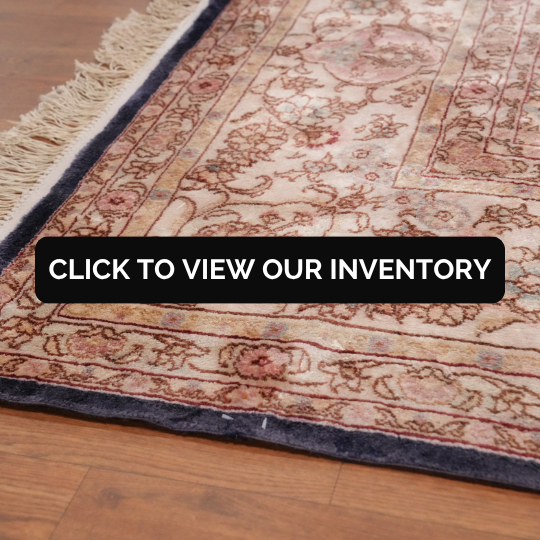
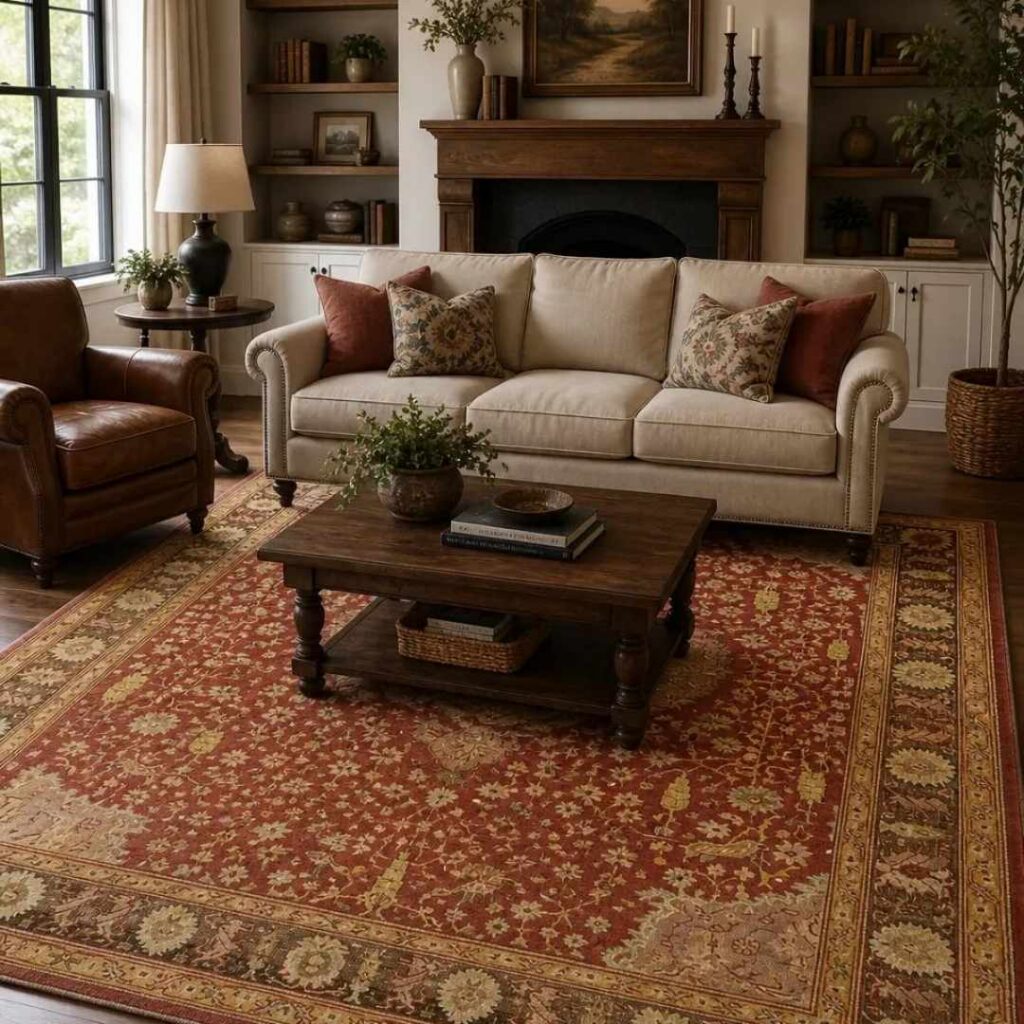
Persian antique rugs are widely considered the gold standard for fine hand-knotted rugs. Whether it’s a silk-and-wool Isfahan, a rich red Sarouk, or a floral Kerman, Persian rugs showcase superior craftsmanship and artistic expression.
Expect high knot counts, precise patterning, and naturally luminous colors derived from centuries-old dye recipes. Rugs from regions like Tabriz, Kashan, and Nain are especially valued in collector circles.
Turkish & Kilim Rugs: Bold and Versatile
Antique Turkish rugs, especially Oushak and Konya pieces, offer a softer aesthetic that pairs beautifully with contemporary interiors. These rugs often feature large-scale patterns, muted tones, and a plush, roomy feel.
Kilim rugs—flat-woven rather than knotted—represent a different style altogether. Their bold geometric designs, reversible construction, and rich tribal symbolism make them versatile statement pieces that fit in anywhere from living rooms to studios.
Caucasian & Tribal Rugs: Woven Stories
Caucasian rugs are rich with nomadic tradition and visual storytelling. From the bold medallions of Kazak rugs to the tight, crisp motifs of Shirvan pieces, these rugs are prized for their graphic simplicity and cultural symbolism.
Tribal antique rugs often feature protective motifs, fertility symbols, or maps of seasonal migration. Their raw artistry and saturated colors lend depth and personality to modern homes.
Care and Maintenance Tips
Antique rugs are remarkably durable but require thoughtful care:
- Vacuum Gently: No beater bars—just suction. Always vacuum with the nap.
- Rotate Periodically: Every 3–6 months to avoid uneven fading and wear.
- Blot Spills Immediately: Use clean white cloths—never rub or scrub.
- Avoid Harsh Sunlight: Indirect light is fine, but intense UV exposure can fade dyes.
- Use Rug Pads: Prevents slipping and adds a layer of protection underneath.
- Professional Cleaning: Every 3–5 years, using specialists who understand natural dyes and antique fibers.
If storing a rug, roll it with acid-free paper or cotton fabric, and keep it in a dry, well-ventilated space. Never fold antique rugs, and never use plastic for long-term storage.
Frequently Asked Questions
How can I tell if a rug is truly antique?
Age is verified through construction techniques, material analysis, and dye methods. Knot irregularities, wear patterns, and abrash also help indicate authenticity. When in doubt, seek a professional appraisal.
Are antique rugs really a good investment?
Yes. Well-maintained antique rugs often appreciate in value over time, especially pieces from renowned weaving regions. Unlike modern décor, these rugs combine functionality with lasting market demand.
Do antique rugs need special cleaning?
Absolutely. Avoid steam cleaning or harsh chemicals. Use experienced professionals for cleaning, and maintain at home with light vacuuming and quick spill response.
Why It Matters
Antique rugs offer something uniquely valuable in today’s fast-paced world: permanence, heritage, and handcrafted artistry. Every piece carries the touch of a weaver, the echo of a village tradition, and the elegance that only time can bring.
At Rug Source, we carefully curate a selection of antique rugs for collectors and first-time buyers alike. Each rug is authenticated, evaluated for condition, and priced to reflect its artistic and historical merit.
Ready to bring a piece of history into your home? Explore our Antique Rugs collection and discover rugs that have already stood the test of time—and are ready to enrich your space for generations to come.