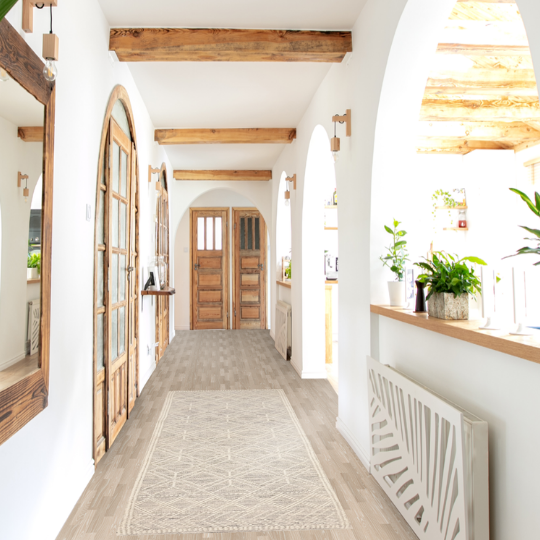
Why Antique Oriental Runner Rugs Are the Ultimate Decor Investment

An antique oriental runner is more than just a narrow rug. It’s a piece of cultural history that turns hallways, kitchens, or staircases into unforgettable design elements. Each rug was hand-knotted more than a century ago, making it a one-of-a-kind work of art—something modern, machine-made rugs simply can’t replicate.
Quick Guide to Antique Oriental Runners
- Age: 100+ years (25–100 years is “vintage”)
- Typical Size: 2–4 ft wide × 6–14 ft long
- Materials: Hand-spun wool pile with cotton or wool foundation; dyed with natural colorants
- Price Range: $390 to $2,000+, based on design, region, and condition
- Best Uses: Hallways, galley kitchens, foyers, staircases
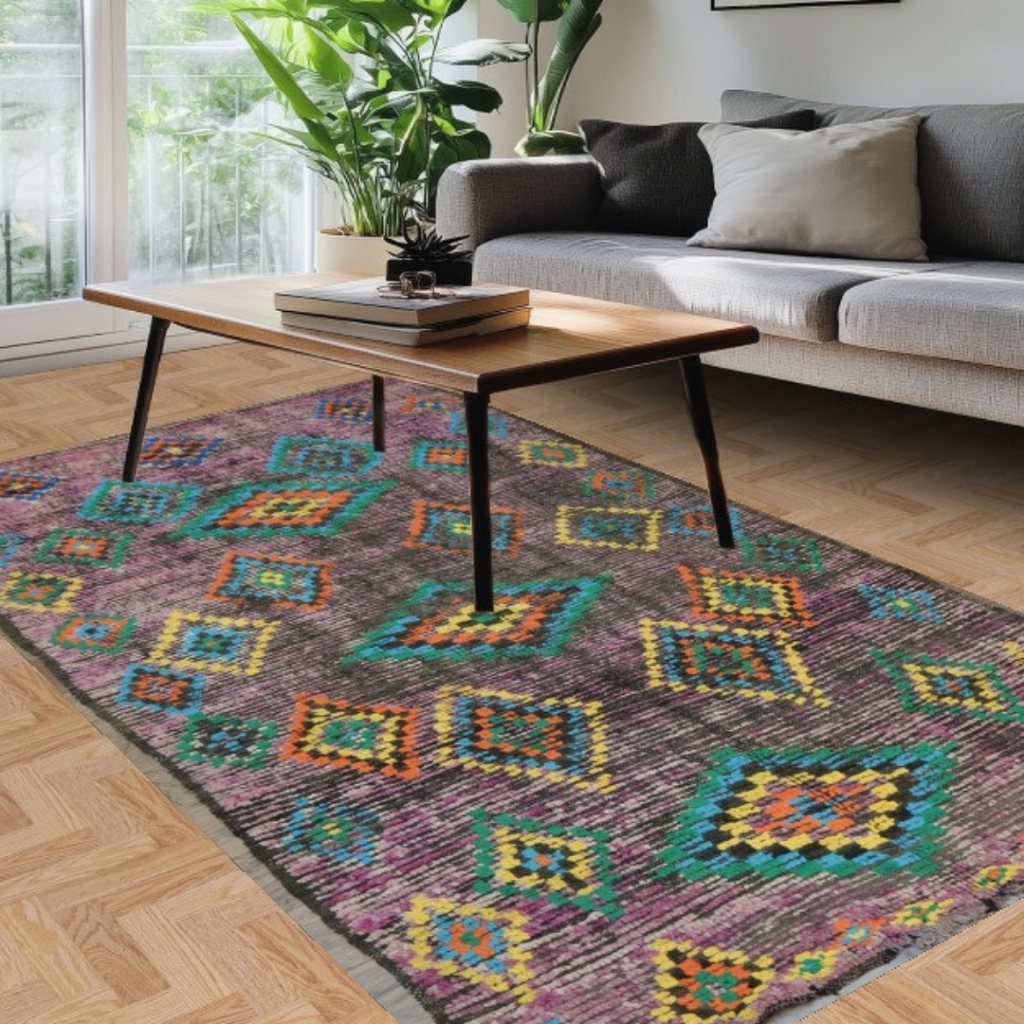
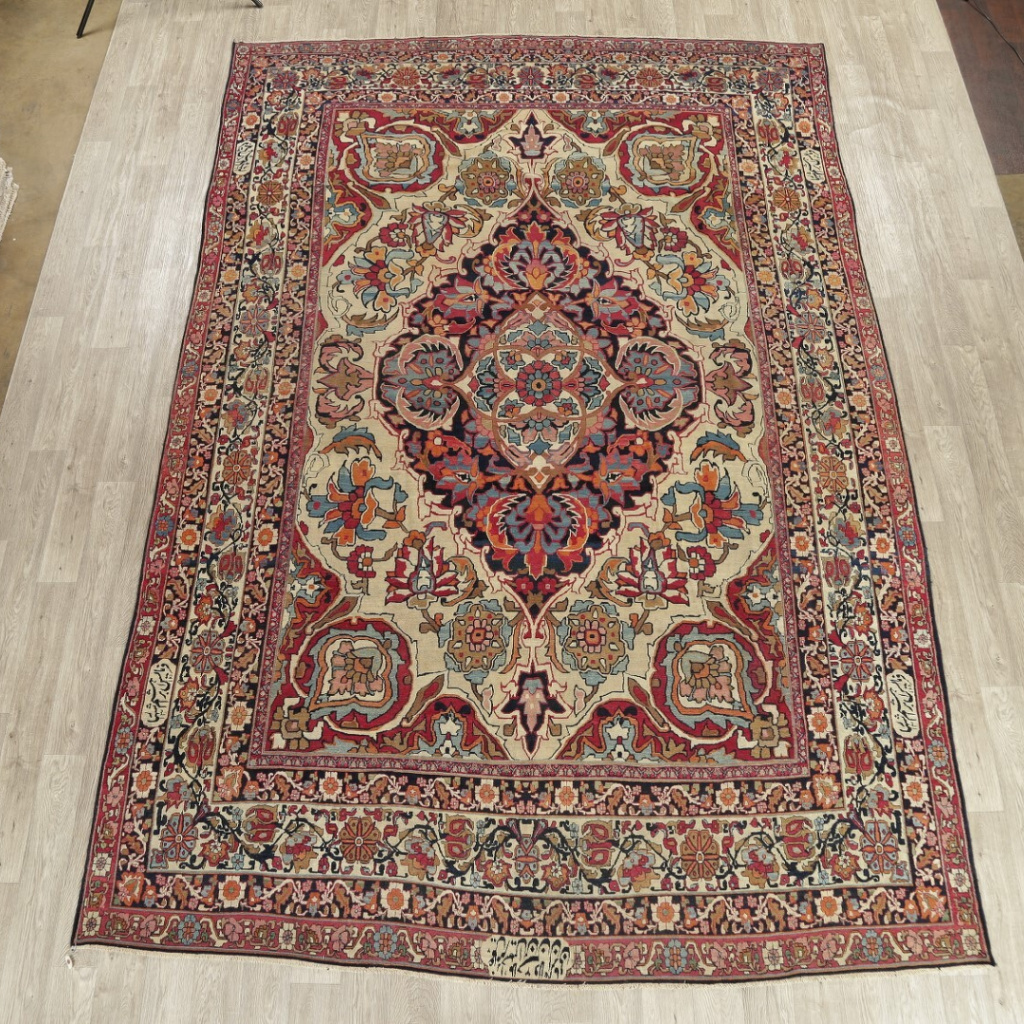
These rugs are valued for their abrash (subtle color shifts from natural dyes) and distinctive design traditions from regions like Persia, Kurdistan, and the Caucasus. Persian runners often showcase curving floral medallions. Kurdish runners favor strong hooked diamonds, while Caucasian styles lean into bold tribal geometry.
Built for durability, antique runners withstand daily life remarkably well. Their dense wool pile hides dirt, cushions foot traffic, and only grows softer with age. They offer not only aesthetic charm but long-term functionality and potential investment value.
What Makes an Oriental Runner “Antique”
To qualify as truly antique, a rug must be over 100 years old. That century milestone isn’t just about age—it signals deep cultural and historical value. If a runner was woven in 1924 or earlier, it has already lived through major global events and changing design eras.
Key Identifiers of Antique Runners:
- Hand-knotted construction with minor irregularities
- Hand-spun wool that ages beautifully over time
- Natural dyes derived from madder root, indigo, pomegranate rind, and other plant sources
- Abrash and patina that form naturally with age
Materials & Techniques
Creating an antique oriental runner was a months-long process involving:
- Hand-spun wool from specific sheep breeds
- Cotton or wool foundations, depending on the region
- Knotting methods: Persian (Senneh) knots for detail, Turkish (Ghiordes) knots for durability
- Knot density: 80–150 KPSI for tribal pieces; up to 400 KPSI for fine city rugs
Each step, from wool preparation to dyeing and weaving, required skilled labor and generational knowledge. The result? A rug that balances structure, softness, and visual impact.
The Lasting Impact of an Antique Oriental Runner
Bringing an antique oriental runner into your home isn’t just a design choice—it’s a statement of appreciation for artistry, history, and craftsmanship. These narrow yet powerful pieces were made to endure, both physically and stylistically. With their rich natural dyes, hand-knotted construction, and regional storytelling, each runner carries a legacy underfoot. Whether you place one in a hallway, kitchen, or stairwell, you’re not just filling a space—you’re adding depth, texture, and heritage that will enrich your home for generations.