Hand Knotted Rugs: What Makes Them the Gold Standard of Quality

When it comes to rugs, not all are created equal. From machine-made to tufted, woven, or knotted, the construction method dramatically affects a rug’s beauty, durability, and value. Among these options, hand-knotted rugs stand out as the gold standard.
These rugs are admired by collectors, designers, and homeowners alike for their exceptional craftsmanship, longevity, and cultural significance. At Rug Source, we’ve helped thousands of clients discover the lasting beauty of hand-knotted rugs. In this guide, we’ll explore what makes them unique, how they’re created, and why they remain the pinnacle of rug-making traditions.
What Is a Knotted Rug?
A hand-knotted rug is exactly what the name suggests: a rug made by tying individual knots, one by one, onto a foundation of vertical (warp) and horizontal (weft) threads. This time-intensive process creates dense, durable textiles that can take months or even years to complete, depending on the size and intricacy of the design.

Unlike tufted or machine-made rugs, which are often mass-produced, each hand-knotted rug is unique. Slight variations in color or knotting reflect the artisan’s touch, giving each piece its own character and authenticity.
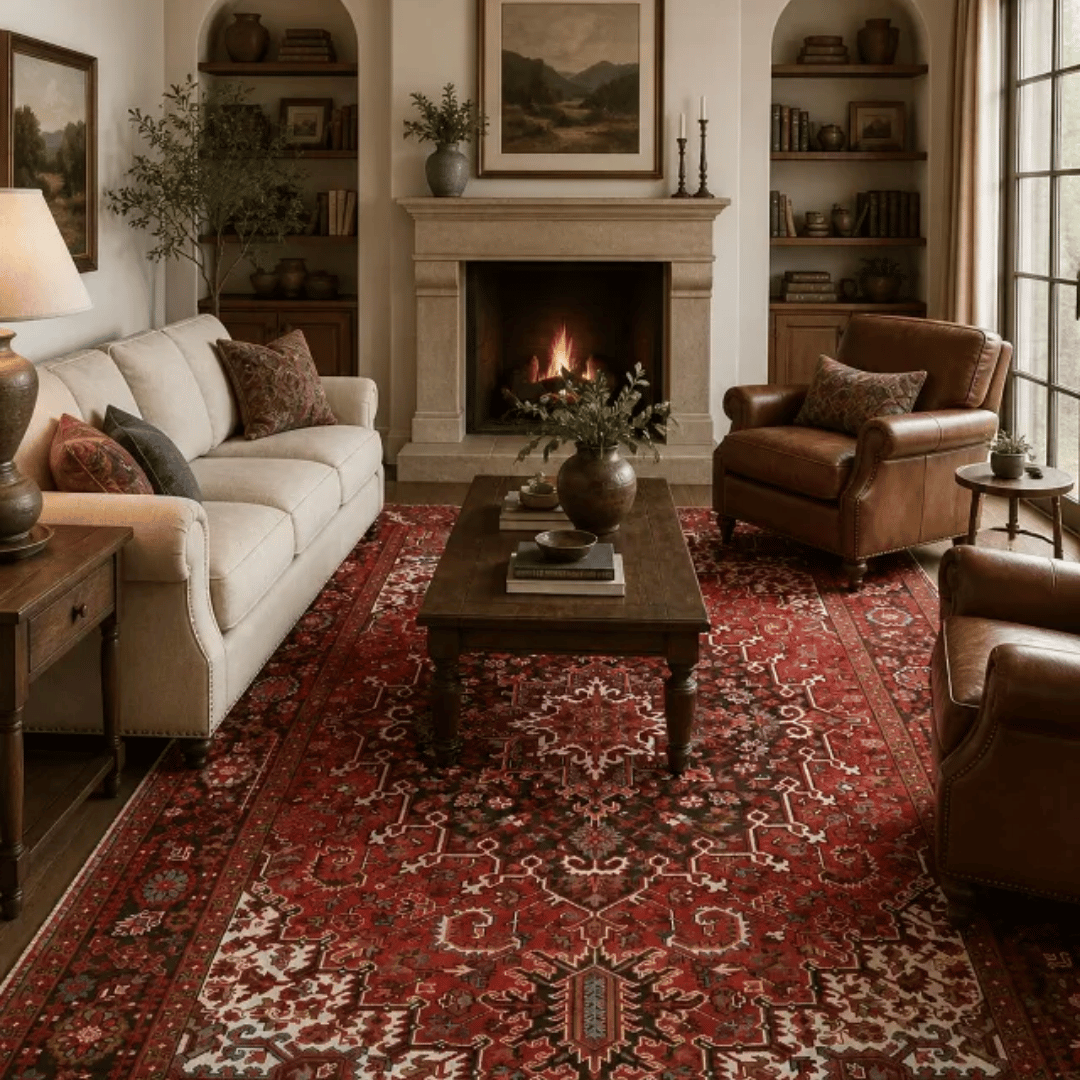
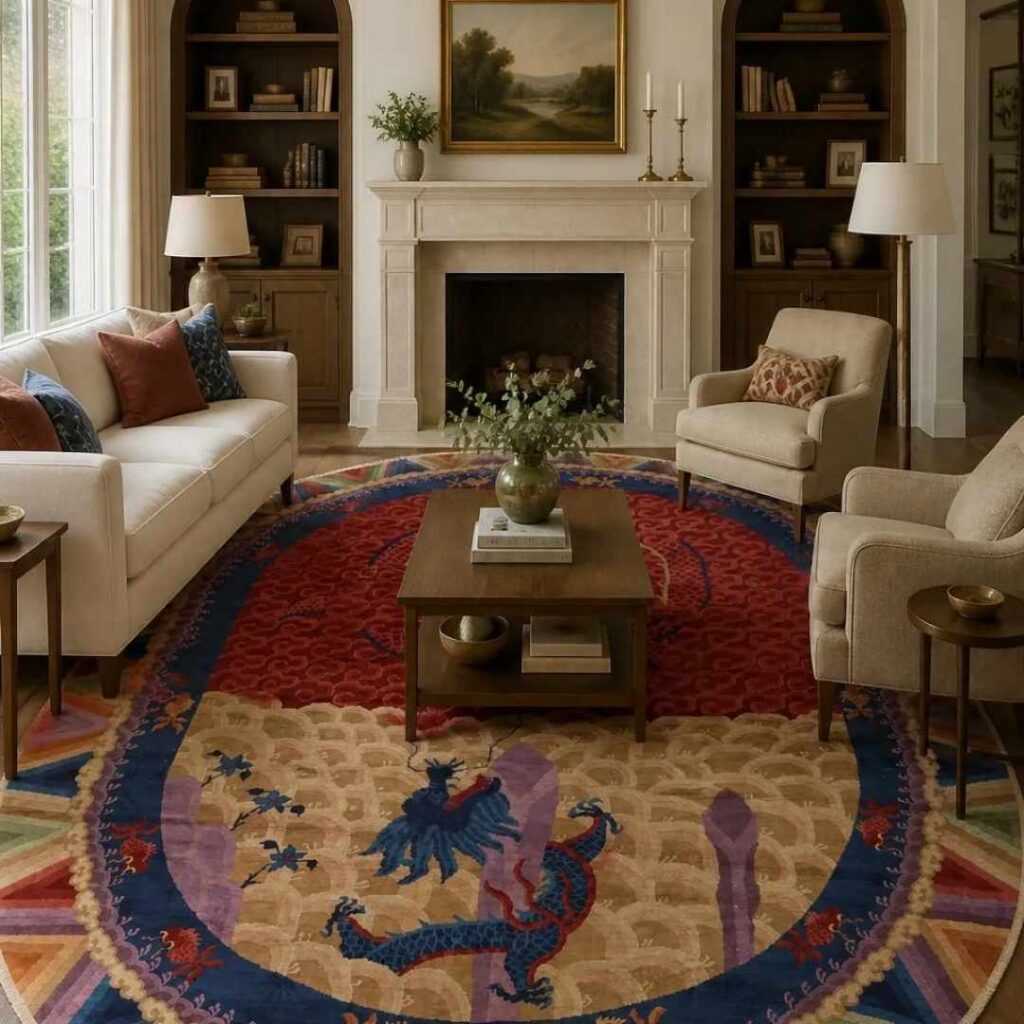
This craftsmanship has roots in some of the world’s richest weaving traditions, particularly in Persia (modern-day Iran), Turkey, Morocco, India, and parts of Central Asia. These cultural influences remain evident in the motifs and patterns woven into rugs today.
The Craftsmanship Behind Hand-Knotted Rugs
Creating a hand-knotted rug requires a combination of technical skill, patience, and artistry. The process begins with a carefully planned design, often drawn on graph paper (called a “cartoon”), which the weaver follows knot by knot.
Key elements of craftsmanship include:
- Knot density: Measured in knots per square inch (KPSI). A higher knot count means more detail and durability. Fine Persian rugs may exceed 1,000 KPSI.
- Materials: High-quality wool, silk, or blends. Natural dyes are often used to produce rich, lasting colors.
- Tools and technique: Weavers use looms to hold the rug’s foundation taut as they tie each knot by hand.
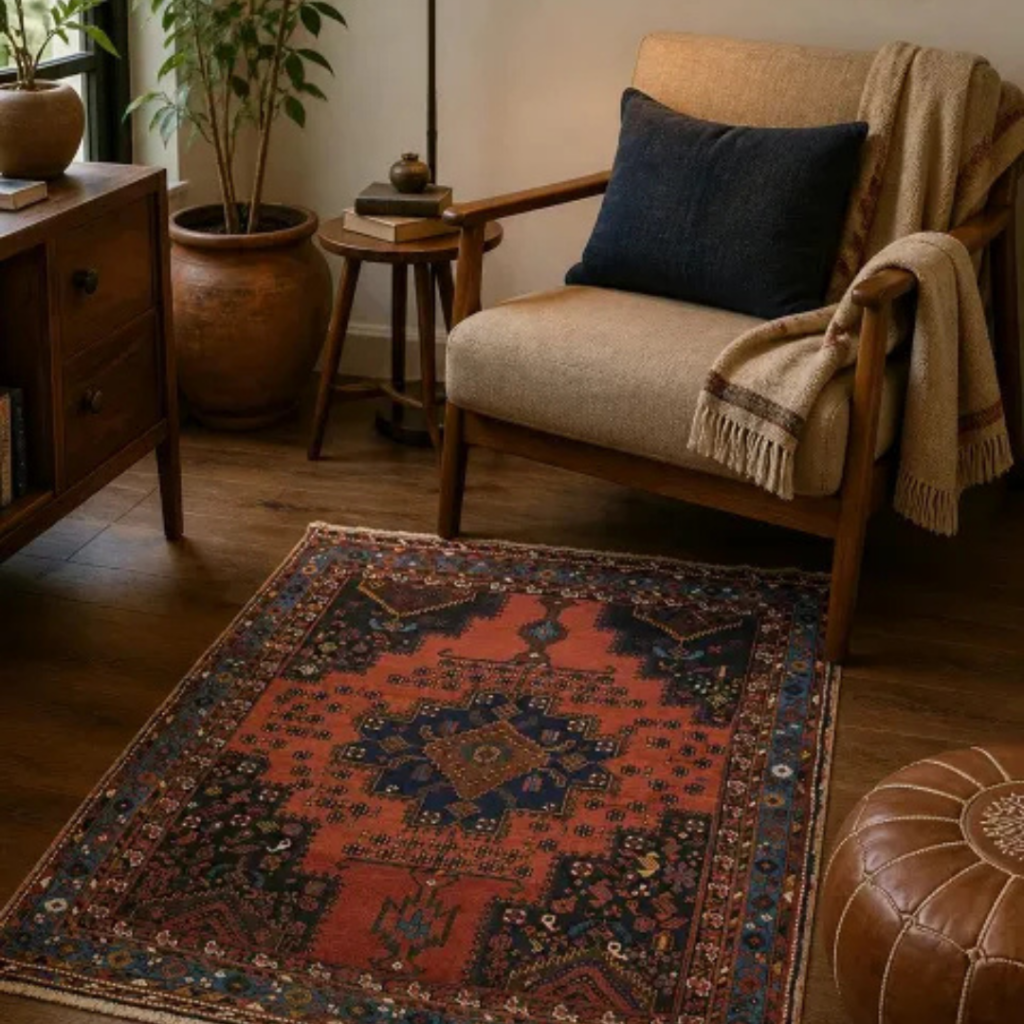
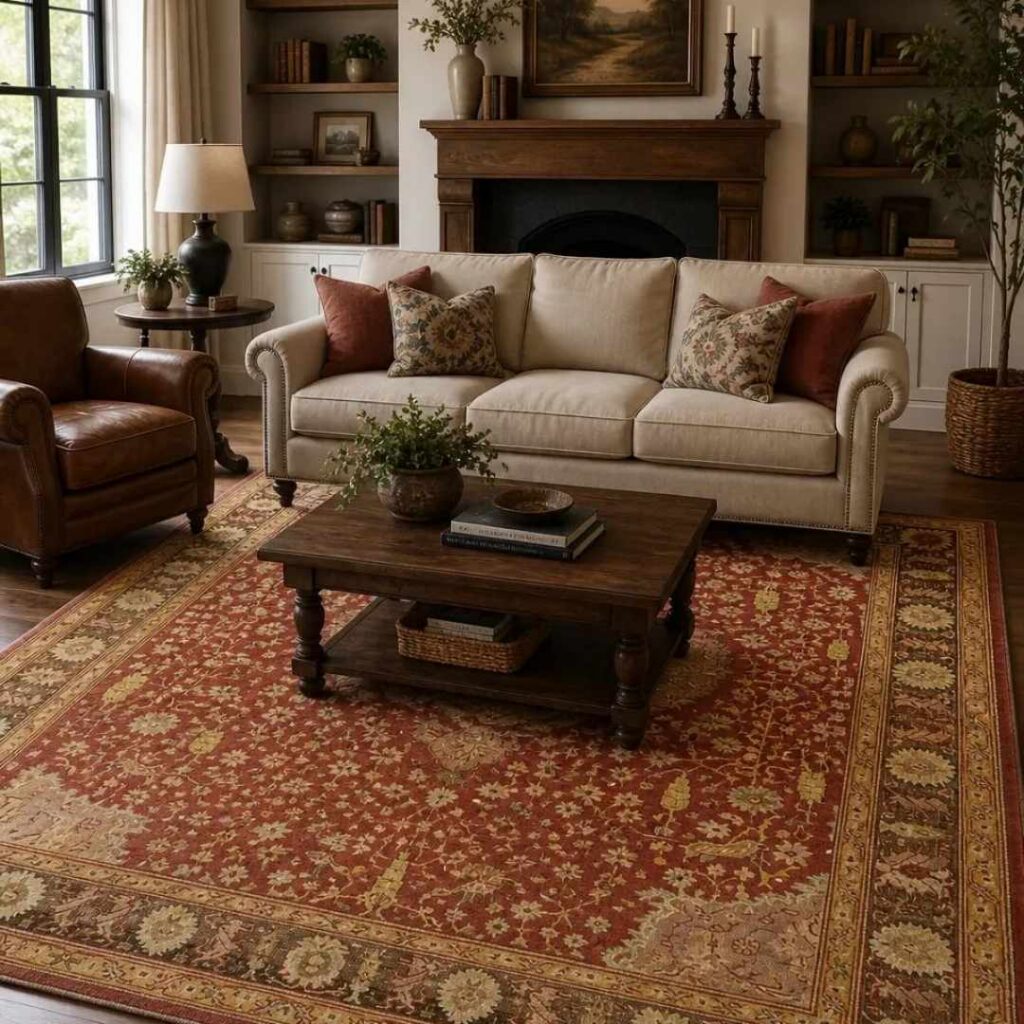
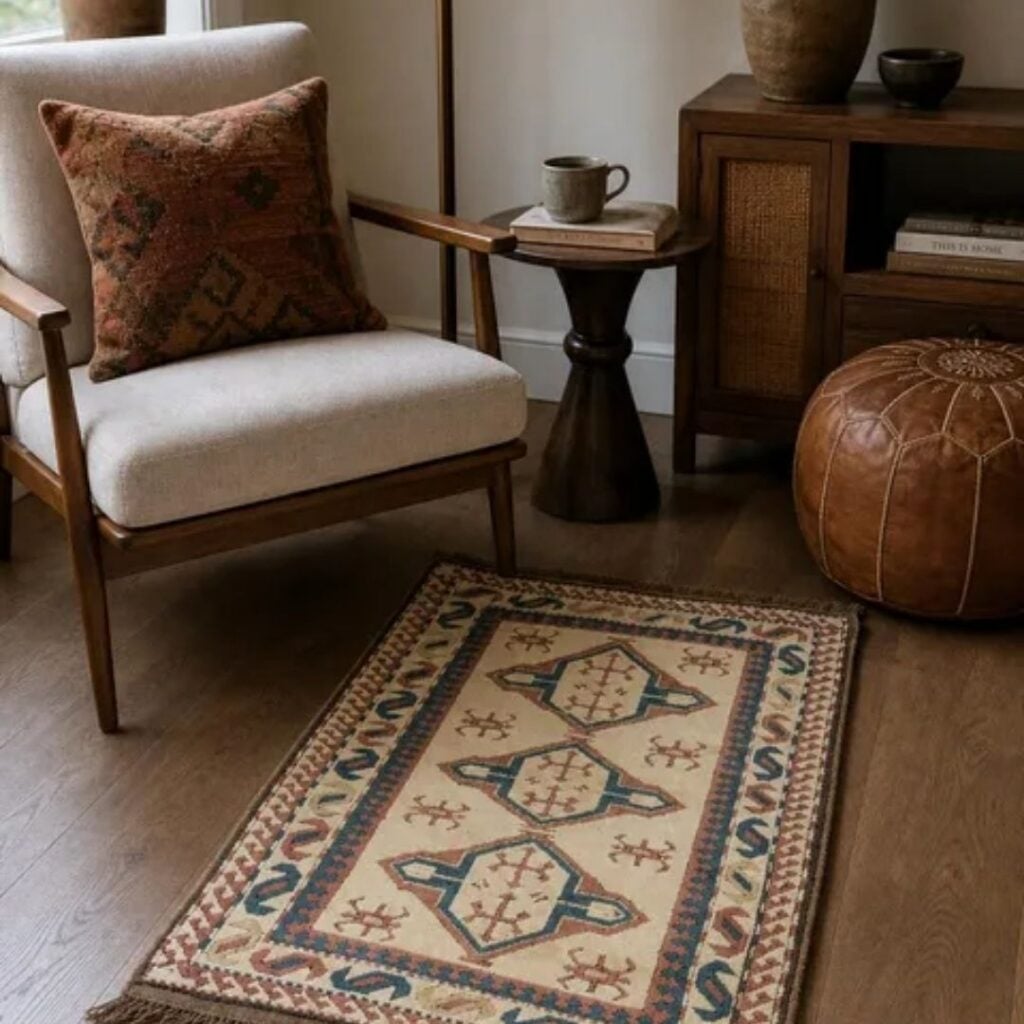
- Cultural traditions: Persian floral motifs, Turkish geometric patterns, and Moroccan tribal designs all reflect centuries-old heritage.
This labor-intensive artistry makes every hand-knotted rug a functional work of art.
Why Hand-Knotted Rugs Are Considered the Best
1. Durability and Longevity
Hand-knotted rugs are built to last. When made from wool or silk, their tightly packed knots resist wear even in high-traffic areas. With proper care, a hand-knotted rug can last 50 to 100 years or longer, often becoming a family heirloom.
2. Artistic Value
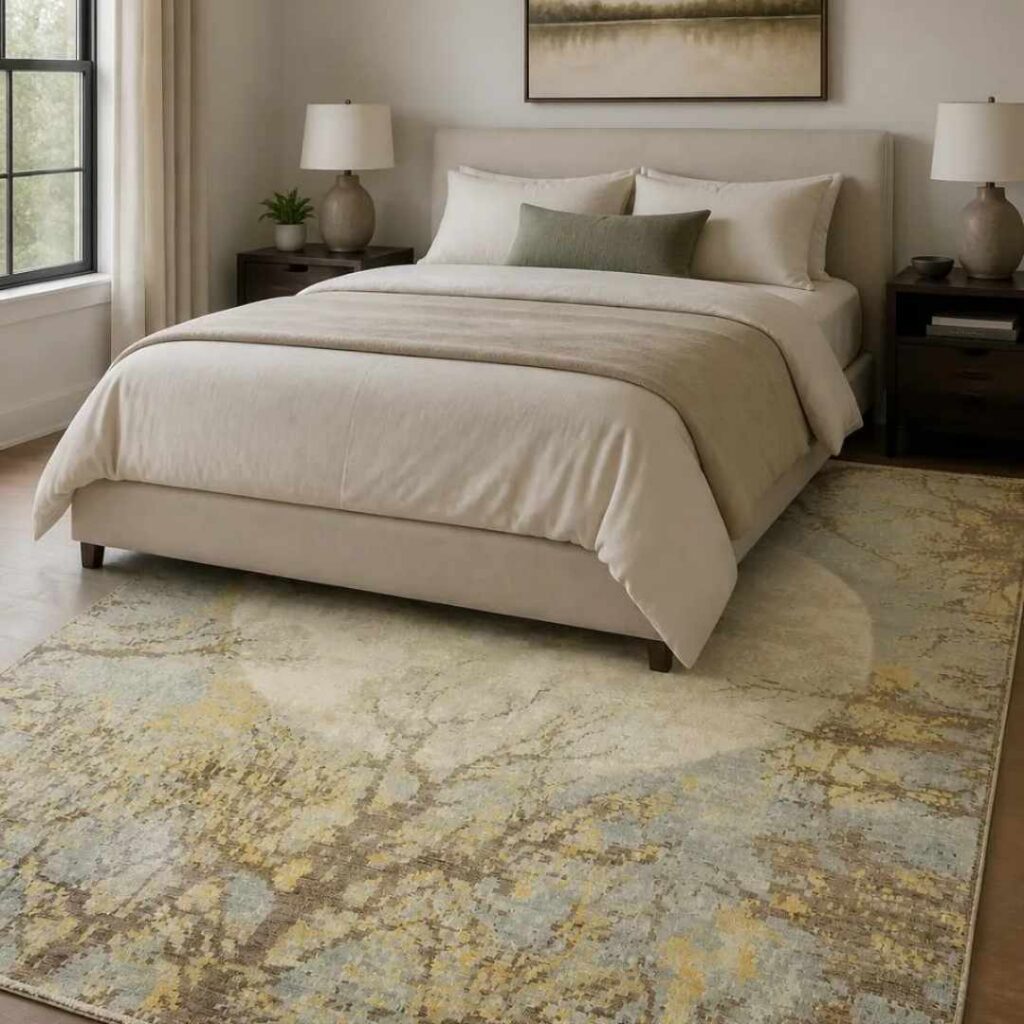
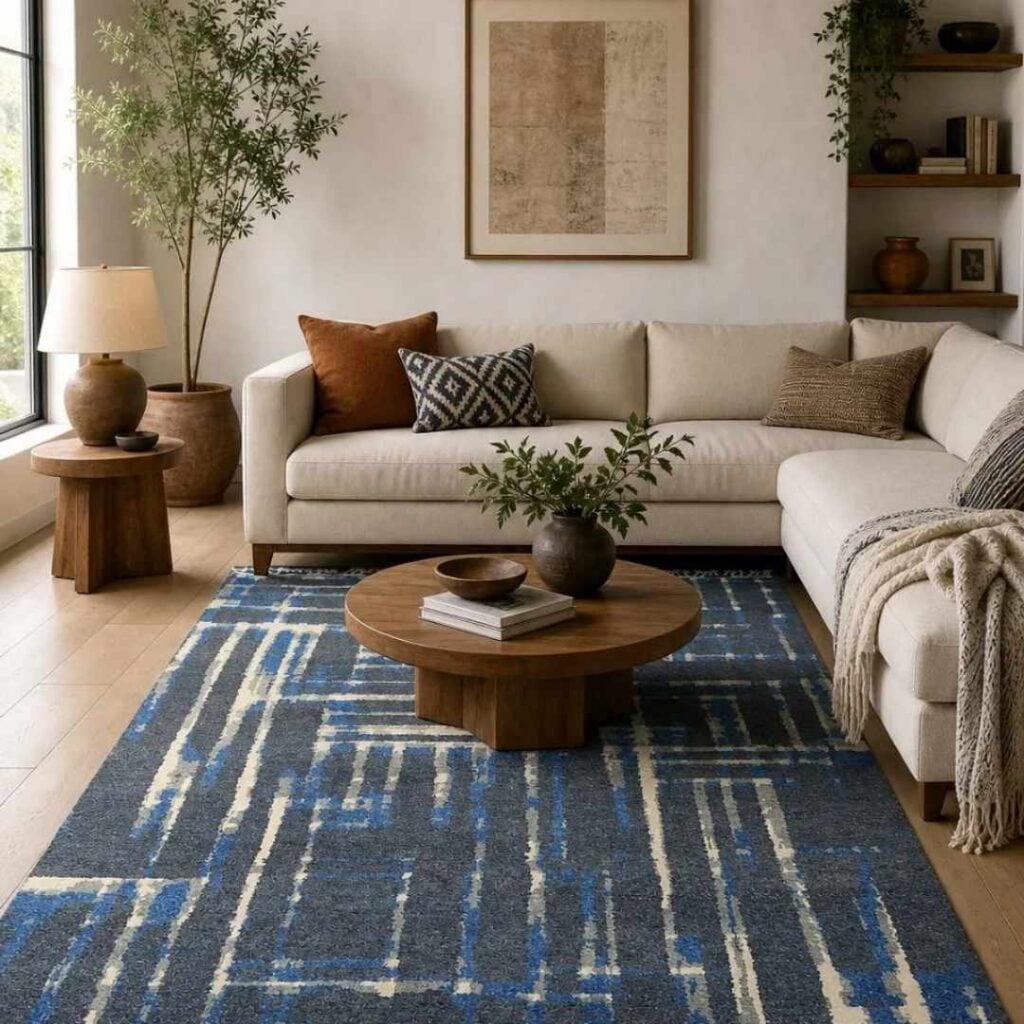
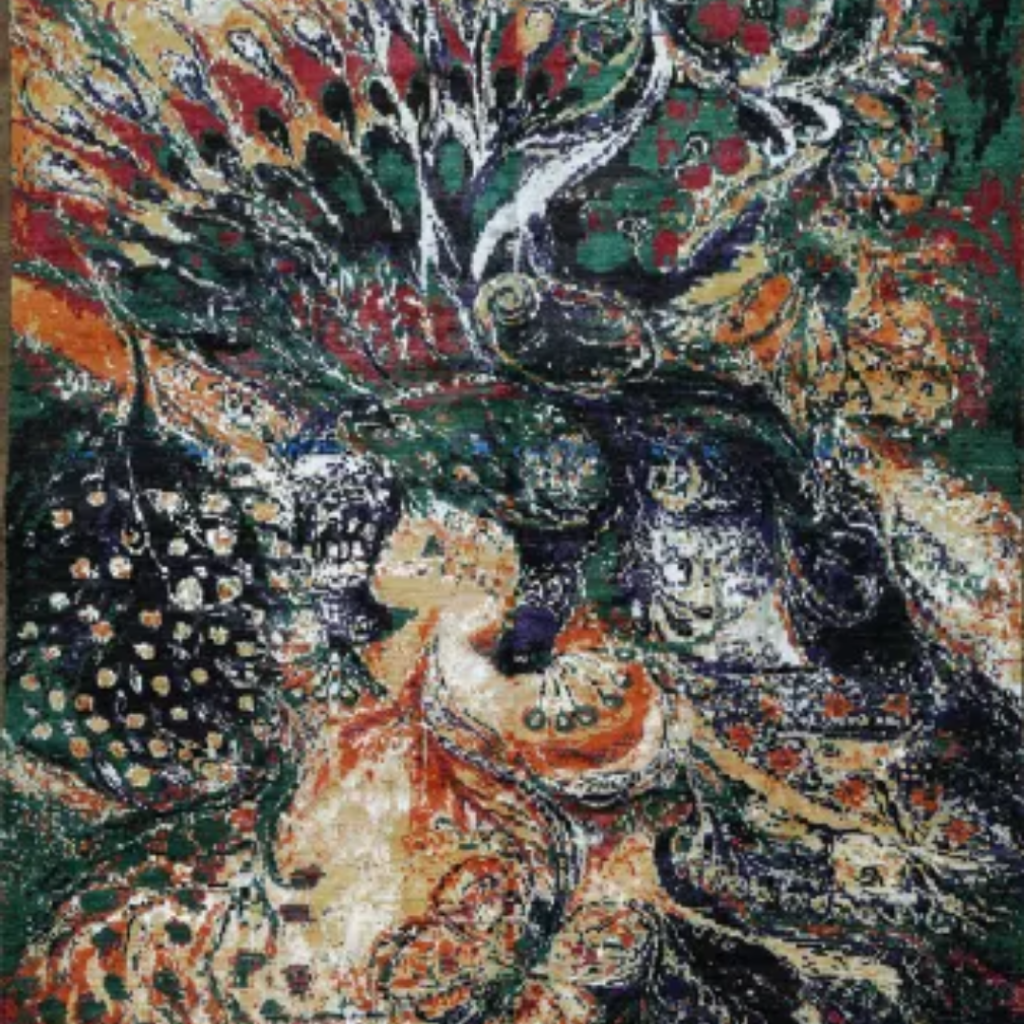
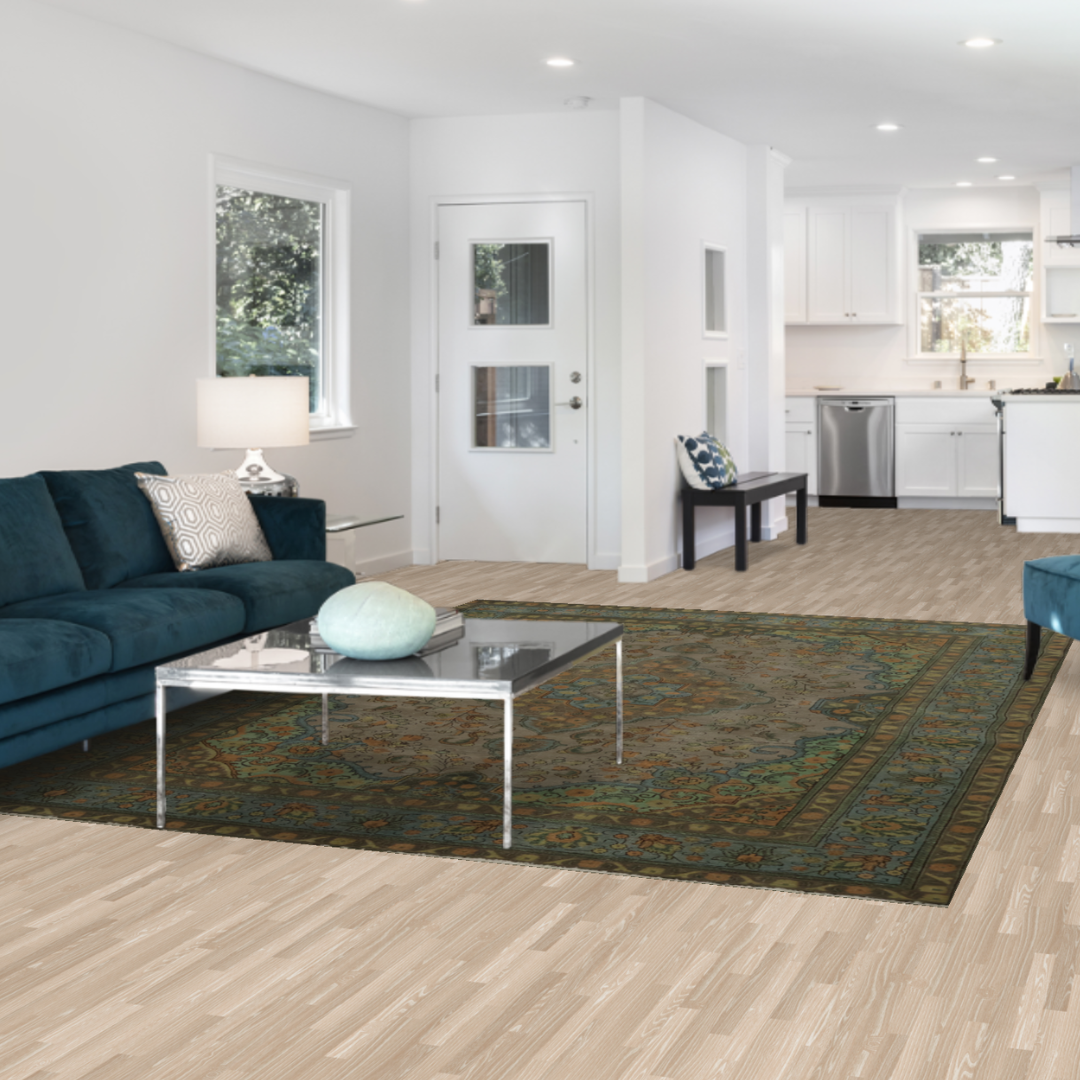
Each rug is one-of-a-kind, reflecting the creativity of its maker. Whether it’s a traditional Persian medallion, a Turkish kilim-inspired pattern, or a contemporary abstract design, the artistry elevates the rug beyond simple décor.
3. Uniqueness
Unlike machine-made rugs, hand-knotted pieces carry subtle imperfections that prove their authenticity. These variations in color, line, or knotting add charm and individuality.
4. Investment Potential
Hand-knotted rugs often appreciate in value, especially antique or rare examples. Museums such as The Metropolitan Museum of Art collect these rugs not only as textiles but as cultural artifacts, underscoring their long-term significance.
How to Identify a Hand-Knotted Rug
Because hand-knotted rugs are prized, it’s important to know how to spot the real thing.
- Look at the back: The design should be visible on the back, mirroring the front, with individual knots clearly seen. Machine-made rugs often have a mesh or latex backing that hides construction.
- Check the fringe: In hand-knotted rugs, the fringe is part of the rug’s foundation, not sewn or glued on.
- Assess symmetry: Slight irregularities in shape or pattern reflect human craftsmanship.
- Feel the weight: Dense, hand-knotted rugs often feel heavier than their machine-made counterparts.
These details ensure you’re investing in authenticity.
Common Misconceptions About Hand-Knotted Rugs

Despite their reputation, several myths surround hand-knotted rugs:
- Myth 1: They’re always unaffordable. While some rare antiques command high prices, many high-quality hand-knotted rugs are available at accessible price points.
- Myth 2: They’re too delicate for everyday use. In reality, wool is a naturally strong fiber, and hand-knotted rugs are built to withstand foot traffic.
- Myth 3: All handmade rugs are the same. Not true, hand tufted and hand knotted are very different techniques. Tufted rugs are created by punching yarn into a backing with a tool, while knotted rugs are woven knot by knot.
Knowing the facts allows homeowners to purchase with confidence.
Rug Source’s Hand Knotted Rug Collection
At Rug Source, we specialize in authentic, hand-knotted rugs from around the world. Our collection includes Persian, Oriental, Moroccan, and modern designs, each carefully selected for quality and craftsmanship.
Why choose Rug Source?
- Selection: From bold, traditional motifs to minimalist contemporary styles.
- Quality: Guaranteed authenticity and hand-knotted construction.
- Value: Investment-worthy pieces priced fairly.
For those seeking timeless quality, explore our collection of hand-knotted rugs. If you’re looking for a classic piece that bridges history and beauty, our Oriental rugs offer authentic craftsmanship rooted in centuries of tradition.
Conclusion
Hand-knot rugs remain the gold standard of quality because they embody everything a rug should be: durable, beautiful, and meaningful. Their artistry preserves cultural traditions, their craftsmanship ensures longevity, and their uniqueness makes them treasured in homes and collections worldwide.
Owning a hand-knotted rug isn’t just about decorating a room; it’s about investing in a piece of art that will outlast trends and bring warmth and beauty to your space for generations.
At Rug Source, we believe in connecting customers with rugs that inspire confidence and elevate interiors. Whether you’re drawn to traditional patterns or modern interpretations, our curated selection of hand-knotted rugs makes it easy to bring home a timeless piece of artistry.
Ready to experience the gold standard of rugs? Explore Rug Source’s hand-knotted rug collection today.