Blog
Kilim Rugs: Lightweight, Artful, and Timeless Textiles for Modern Living

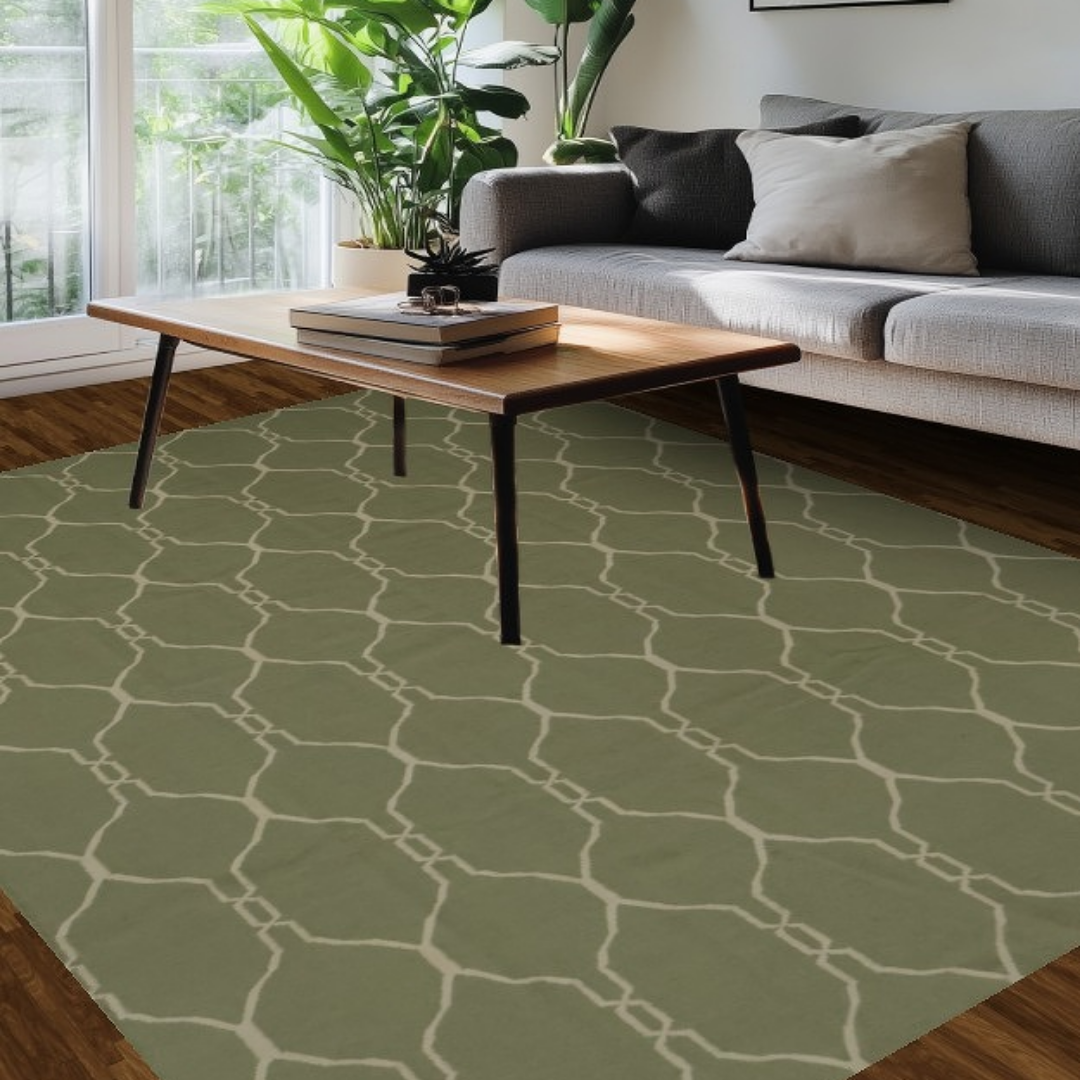
Kilim rugs are some of the most versatile and culturally significant textiles in the world, celebrated for their flatwoven construction, bold geometric designs, and deep roots in tribal weaving traditions. Unlike pile rugs, kilims are created without knotted fibers, resulting in a thinner, reversible rug that is easy to style, move, and repurpose throughout the home. Their portability and distinctive artistry have earned kilim rugs a devoted following among designers and homeowners who appreciate pieces that blend function, heritage, and effortless style.
At Rug Source, our curated collection of kilim rugs spans regions such as Turkey, Persia (Iran), Afghanistan, and the Caucasus, each known for unique motifs, colors, and weaving techniques. Whether you’re looking for a bold geometric runner, a minimalist tribal flatweave, or a decorative tapestry-style kilim, these rugs bring authenticity and personality to any space.
What Is a Kilim Rug?
A kilim rug is a flat-woven textile made by interweaving warp and weft threads on a loom, creating a smooth surface with no pile. This technique is one of the oldest rug-making traditions, with historical examples found across the Middle East, North Africa, and Central Asia.
Museum overviews such as those from the Metropolitan Museum of Art and The Textile Museum describe kilims as essential elements of daily life in nomadic and village cultures. Beyond floor coverings, kilims historically served as tent panels, storage bags, bedding, and ceremonial textiles.
Kilims differ from pile rugs in several key ways:
No Knotted Pile
Whereas hand-knotted rugs build a raised surface knot by knot, kilims maintain a flat structure. This makes them lightweight, easy to transport, and reversible, a quality especially useful in smaller homes or flexible living spaces.
Tapestry-Like Weave
Kilim motifs are formed through color-blocking wefts that create crisp geometric shapes. Our guides on kilim construction note that the interlocking weft technique allows for bold designs and clean transitions between colors.
Natural Wool Fibers
Most kilims are woven from wool, prized for its strength, elasticity, and natural stain resistance traits.
Why Kilim Rugs Are So Popular Today

Lightweight and Easy to Style
Kilims can be moved, folded, or layered with ease. Their reversibility gives you two usable surfaces, extending longevity and offering flexibility for seasonal styling.
Endless Design Possibilities
Kilim patterns often feature:
- Geometric medallions
- Diamonds
- Hooked motifs
- Symbolic tribal shapes
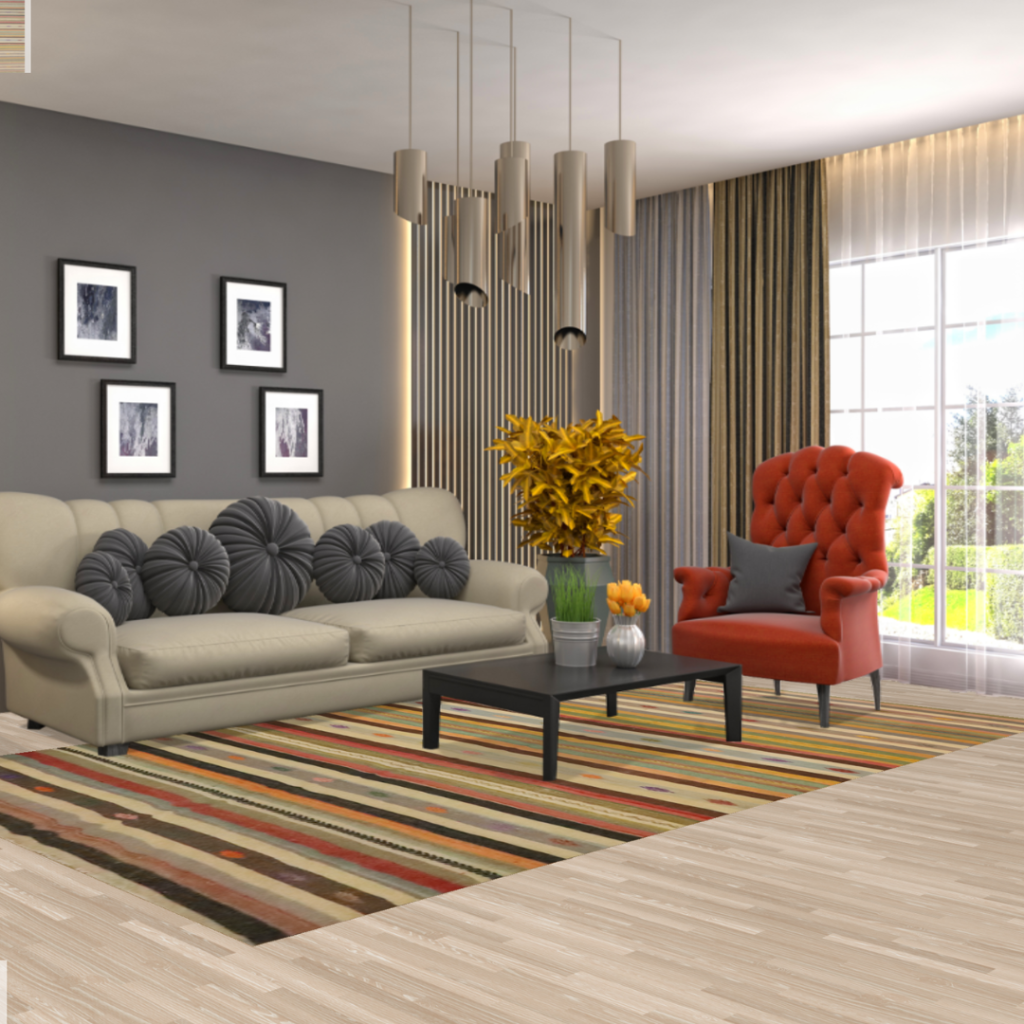
- Stripes or banded layouts
These visual elements blend beautifully with modern, bohemian, Scandinavian, rustic, and eclectic interiors.
Durable and Functional
The flatwoven structure resists crushing and is ideal for high-traffic areas such as entryways, kitchens, hallways, and living rooms. Because kilims have no pile, they’re easier to vacuum and maintain, an advantage shared with many flatweave rugs.
Affordable Artistry
Kilims typically cost less than hand-knotted rugs because they take less time to weave. This makes them an accessible way to bring traditional craftsmanship into the home without compromising on style or authenticity.
Regional Kilim Styles You’ll Find at Rug Source
Kilim weaving varies widely from region to region. At Rug Source, you’ll find examples from several major traditions:
Turkish Kilims
Turkish kilims, especially those from Anatolia, feature strong geometric motifs and symbolic patterns rooted in village culture. Common motifs include elibelinde (fertility symbol), ram’s horn (strength), and the eye (protection). The kilim rugs featured in our Turkish categories pair beautifully with contemporary interiors.
Browse our Turkish Rugs and Oushak Rugs to explore related styles.
Persian Kilims
Persian kilims come from regions such as Qashqai, Shiraz, and Senneh. These weaving groups often produce densely patterned flatweaves with repeating diamonds, medallions, and vivid earth tones. Persian kilims are known for fine detailing and exceptional wool quality, characteristics highlighted in our Persian rug guides regarding dye and fiber excellence
Afghan Kilims
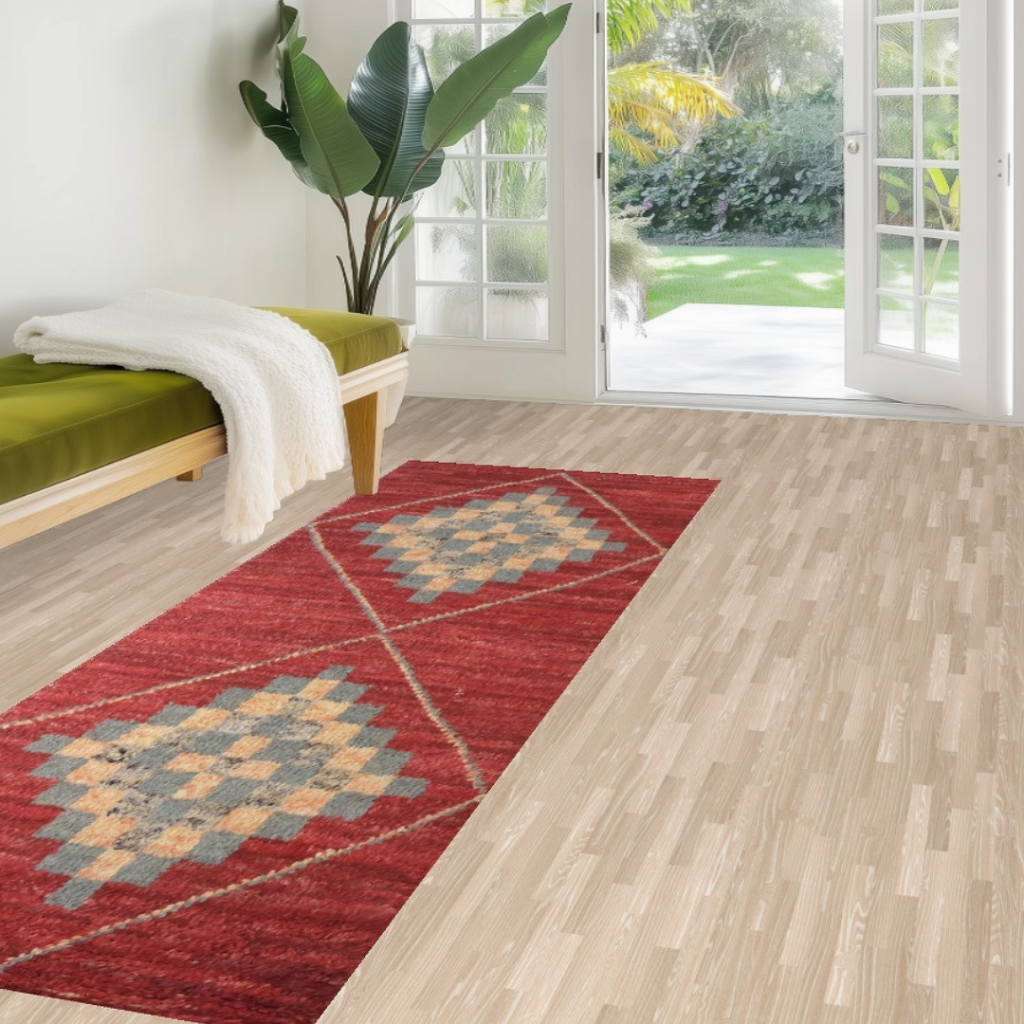
Afghan kilims typically use rich reds, blues, and terracotta tones, often arranged in repeated geometric layouts. They are especially popular for creating warm, grounded interiors.
Caucasian Kilims
Bold, angular motifs and striking color contrast define Caucasian flatweaves. These designs pair well with rustic, vintage-inspired, or eclectic spaces.
How to Choose the Right Kilim Rug for Your Home
Consider Your Room’s Needs
Because kilims are flat-woven and lightweight, they suit a wide range of placements:
- Hallways & kitchens: Durable and easy to clean
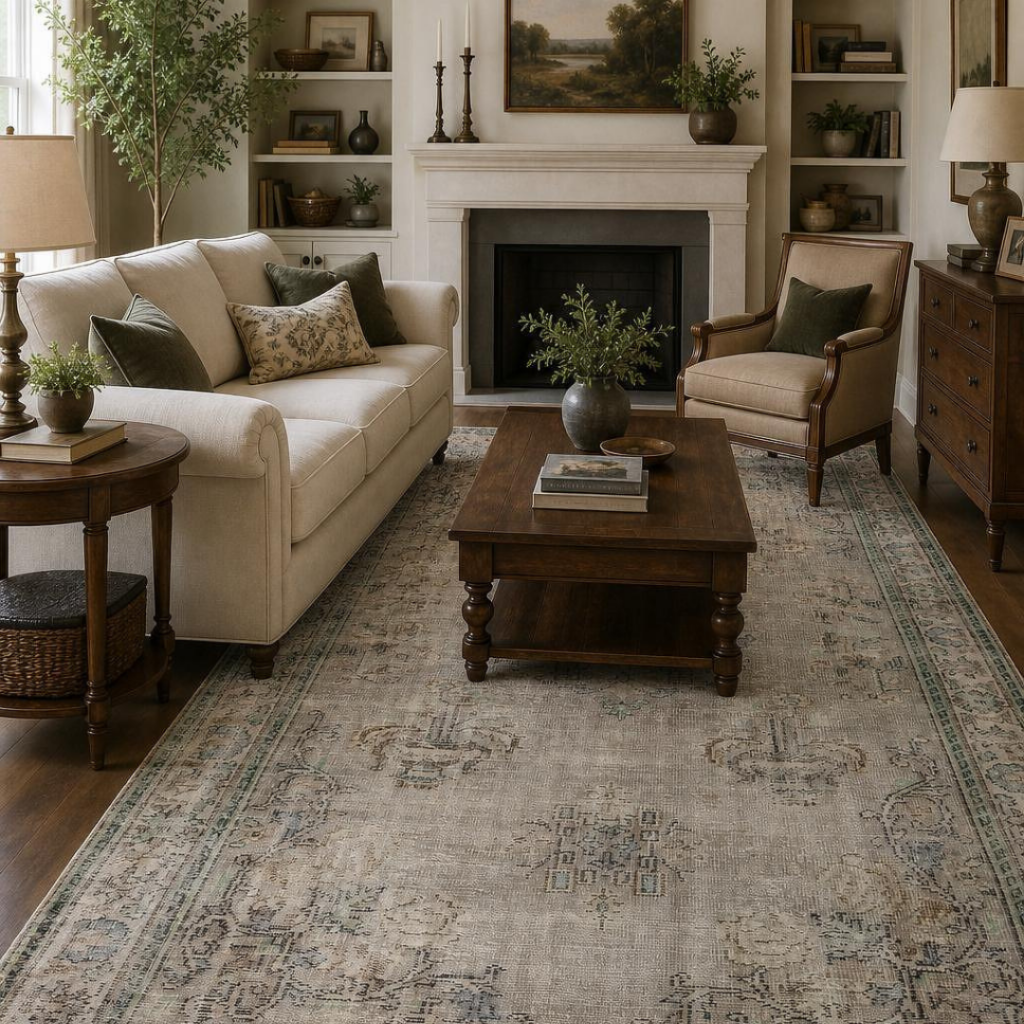
- Living rooms: Ideal for layering over a neutral base rug
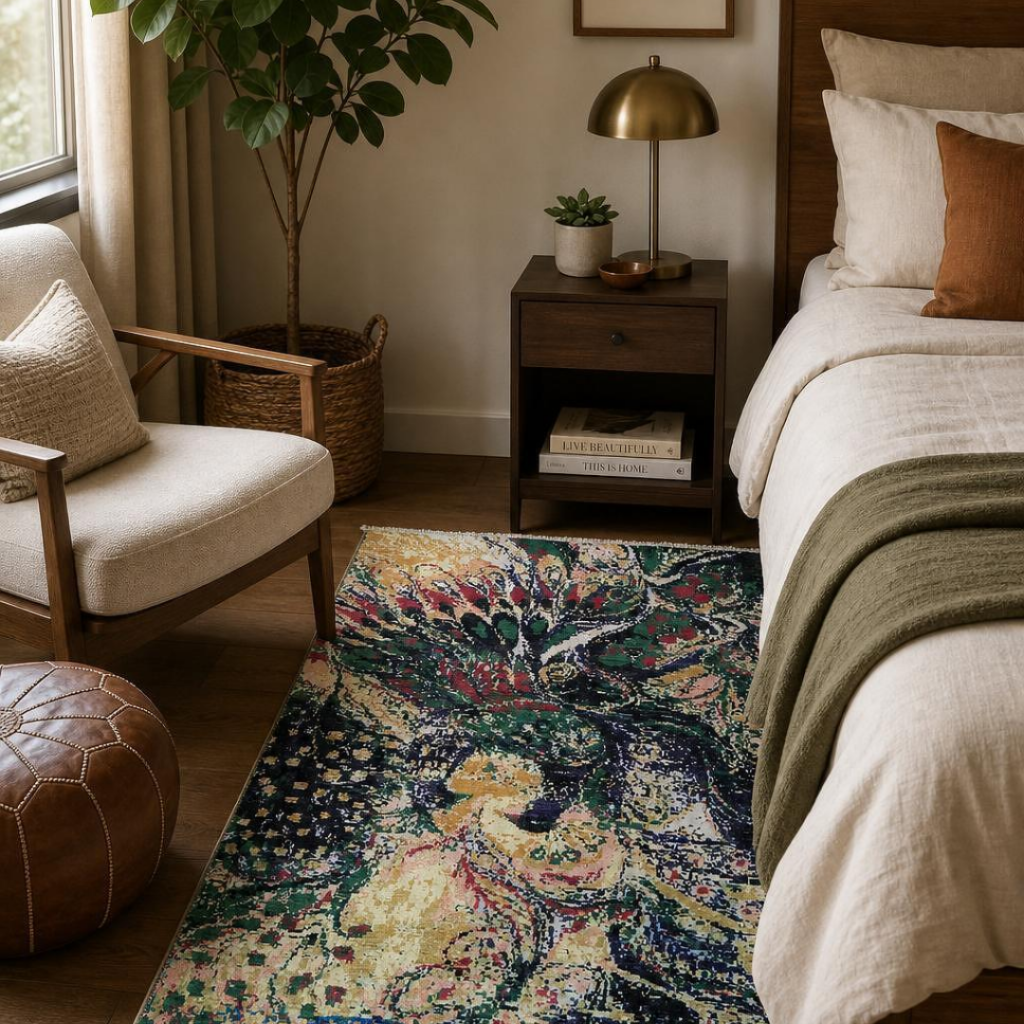
- Bedrooms: Add color and pattern without heavy texture
- Wall décor: Many kilims look stunning hung as tapestries
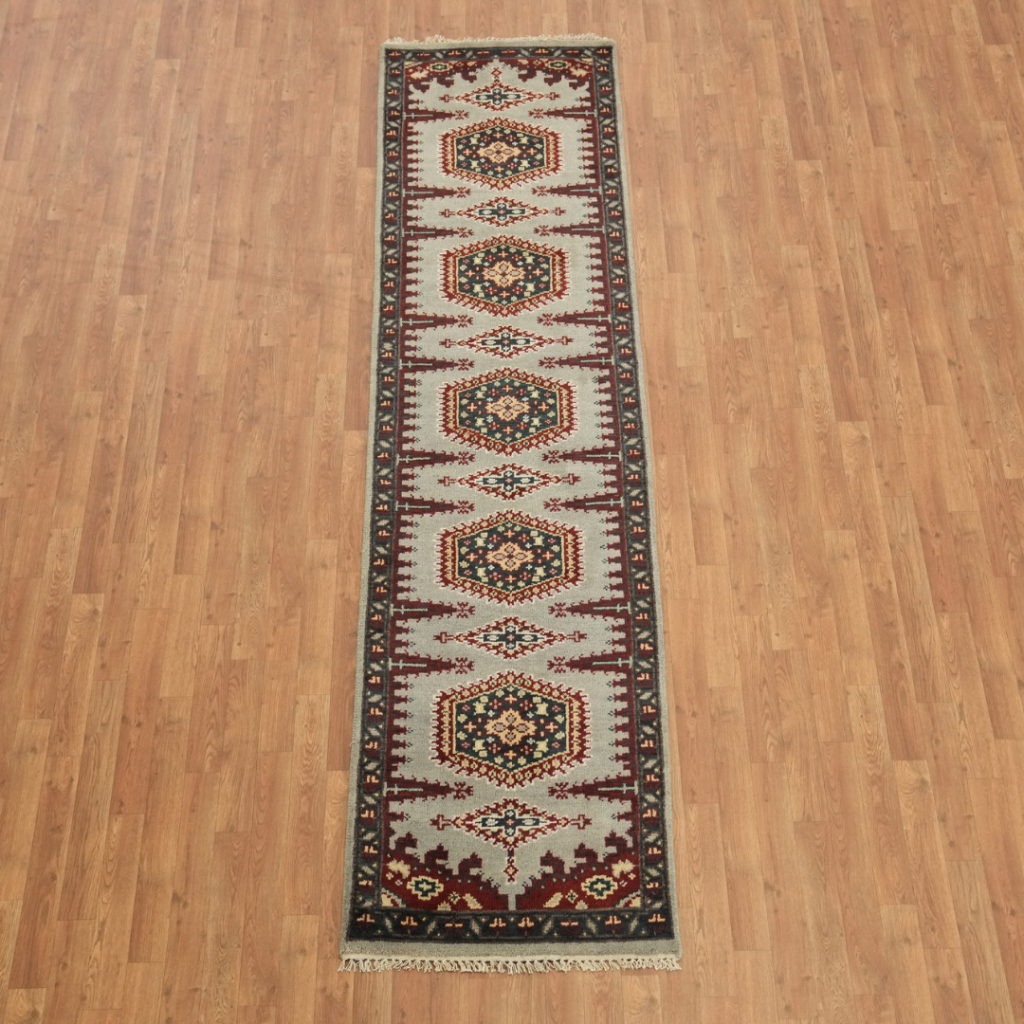
Explore Runner Rugs for hallway-friendly kilim options.
Choose the Right Size
Rug sizing principles apply to kilims just as they do to pile rugs. Based on guidance in our modern and runner rug catalogs:
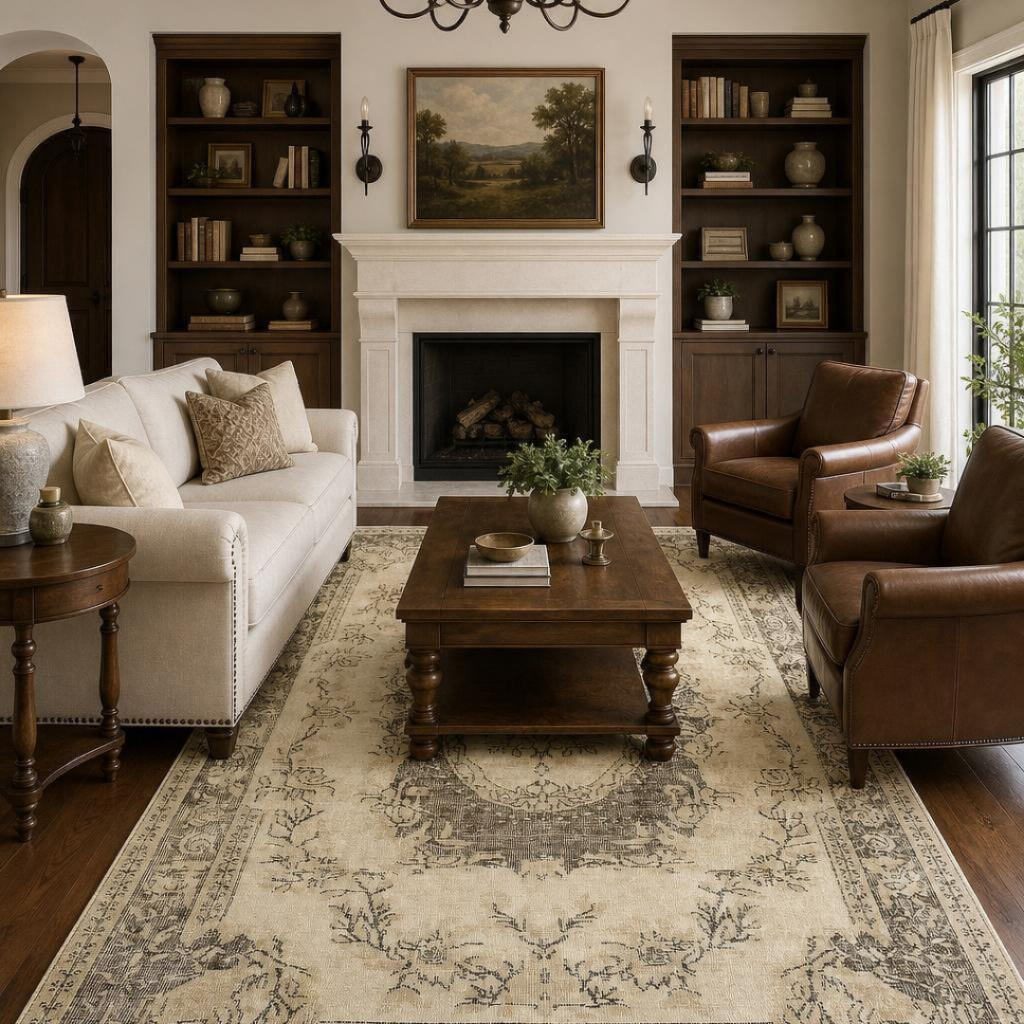
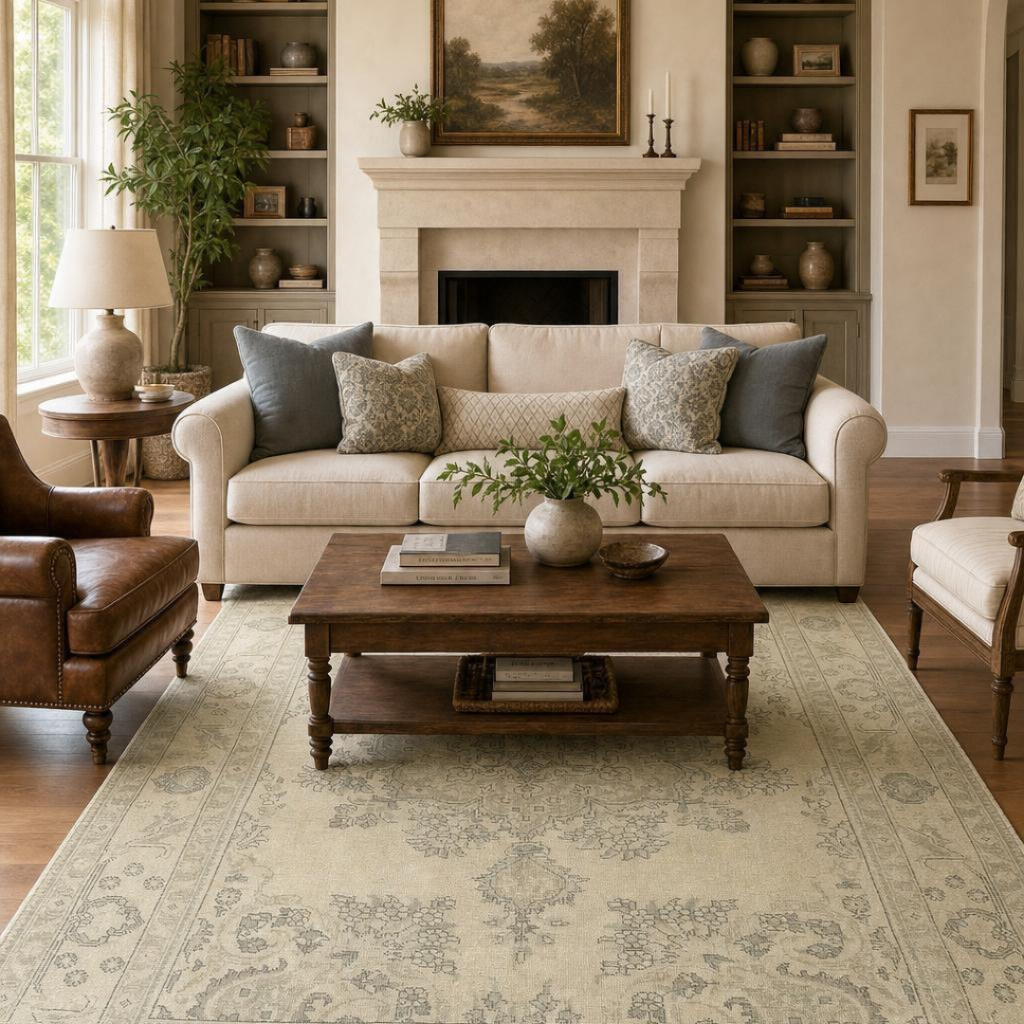
- Living room: 8×10 or 9×12 works for typical furniture layouts
- Dining room: Ensure the rug extends 24–30 inches beyond all sides of the table
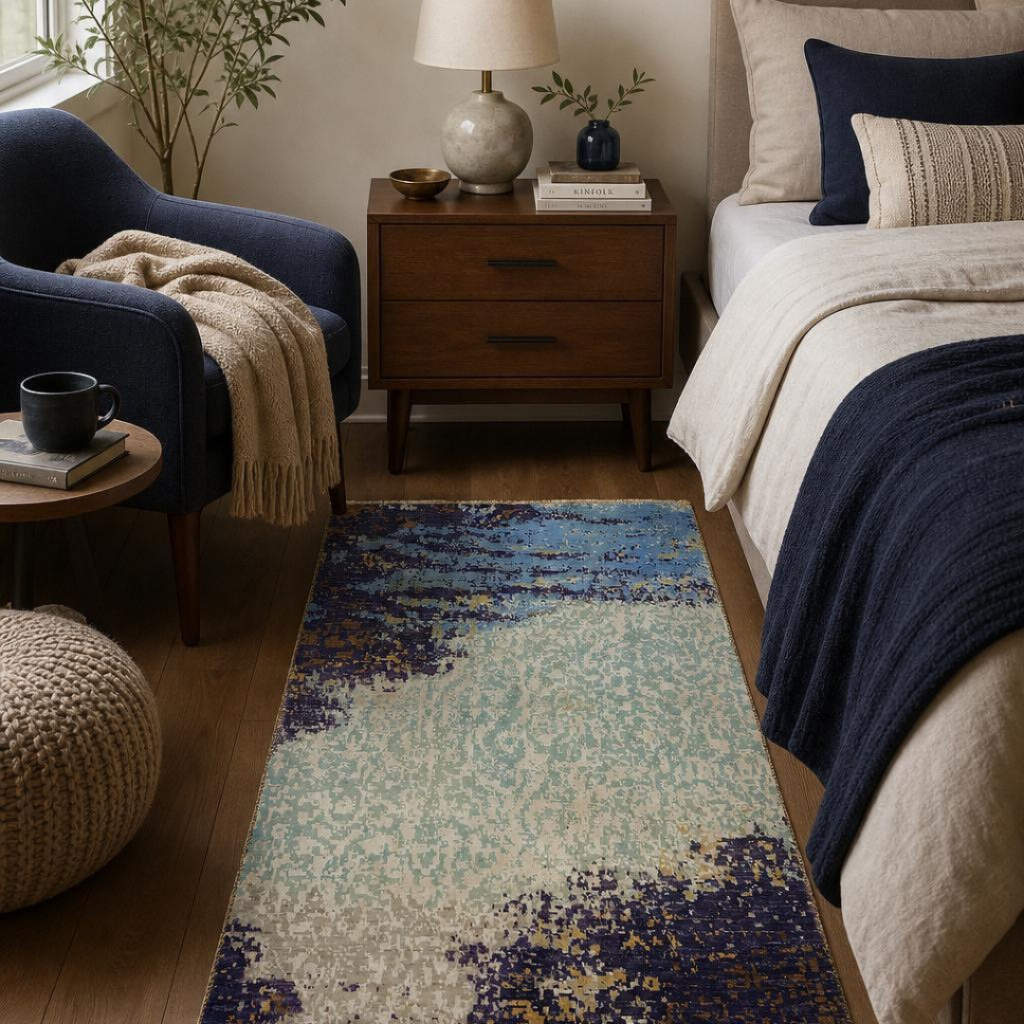
- Bedroom: Size up to frame the bed or use two runners on either side
- Hallways: Leave 3–6 inches of exposed flooring along both edges
Pick a Pattern That Complements Your Style
- Minimalist: Linear or monochromatic kilims
- Bohemian: Bright colors, mixed motifs, and playful geometry
- Traditional: Persian or Turkish tribal designs
- Modern: Neutral kilims with simplified patterns
Understand the Material
Wool kilims offer durability, comfort, and natural stain resistance. Cotton foundations may be used for extra stability.
Caring for a Kilim Rug
Kilims are among the easiest rugs to maintain, requiring only regular vacuuming with suction-only tools and occasional professional cleaning. Our care guides and expert assistance ensure you can keep your kilim looking its best, reducing worries about upkeep and longevity.
Regular Vacuuming
Use suction-only (no beater bar) to avoid pulling on the flatwoven threads.
Rotation
Rotate the rug every 6–12 months to distribute wear evenly.
Spot Cleaning
Blot spills immediately. Wool’s natural lanolin helps repel stains, but always test cleaning solutions on a small corner.
Use a Rug Pad
A rug pad prevents slipping and adds cushioning underfoot, especially helpful because kilims have no pile.
Professional Cleaning
Every 1–2 years, have your kilim cleaned by professionals who understand flat-woven textiles.
Why Choose Kilim Rugs from Rug Source?
For more than two decades, Rug Source has provided authentic, handwoven kilims sourced from Turkey, Iran, Afghanistan, India, and beyond. Our team inspects every rug for quality, structure, and design integrity.
When you shop at Rug Source, you receive:
- Thousands of authentic kilims in stock
- Transparent photography and detailed descriptions
- Free shipping and a 30-day return policy
- Expert assistance from experienced rug professionals
- Access to vintage, antique, and modern kilim designs
Bring Home a Kilim Rug with History, Craft, and Style
Kilim rugs offer a rare combination of function, beauty, and cultural heritage. Whether you love the sharp geometry of Anatolian designs, the warmth of Afghan flatweaves, or the refined detailing of Persian kilims, these rugs bring character and personality into any room.
Explore Rug Source’s full collection of Kilim Rugs today and discover a piece that blends tradition, versatility, and timeless artistry.