

A sultanabad rug (also known as a mahal rug) is a type of hand-knotted rug that originates from Persia, specifically the Sultanabad region. The artistry and craftsmanship combined with the unique design aesthetic unique to the Sultanabad region make these rugs highly sought-after collector’s items.
History
Sultanabad rugs were developed during the 19th century during the reign of Naser al-Din Shah Qajar, the last ruler of the Qajar dynasty. The Sultanabad region was located in modern-day Iran and the eponymous weavers created delicate, intricate rugs as a tribute to the ruler.
Design
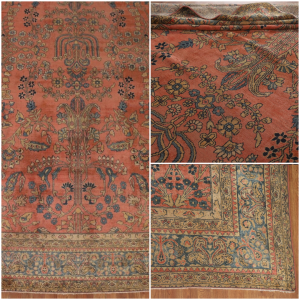
Sultanabad rugs are characterized by a number of design elements that make them both distinct and beautiful. They feature a symmetrical medallion in the center of the rug and the field is usually composed of elongated palmettes and vines – the latter of which is likely a nod to the Islamic tradition of writing verses of the Qur’an in flowing motifs. The edges of the rugs are decorated with an elaborate arabesque known as alternating Botehs, which are thought to symbolize the principles of unity, Godhood, and eternity.
Color is an important element in sultanabad rugs and typically features shades of deep red, brown, blue, green, and ivory. The rugs are often made with asymmetrical knotting and with wool that has been dyed using an ancient method known as vat dyeing. This method calls for the dye to be poured onto the wool before it is tightly coiled and submerged under water.
Materials
Sultanabad rugs are known for their exceptional quality and exquisite designs. These rugs originated in the town of Sultanabad, located in western Persia, which is now known as Arak. The town is renowned for its carpet weaving industry, which dates back to the 17th century.
The materials used in the making of Sultanabad rugs are of the utmost importance in determining their quality and durability. The primary material used is wool, which is sourced from the local sheep breeds in the surrounding areas. The wool is carefully sheared, cleaned, and spun to produce a strong, resilient yarn that is suitable for weaving.
Cotton is also an essential material used in the production of Sultanabad rugs. It is used as the foundation of the rug, providing the base upon which the woolen pile is knotted. Cotton is an ideal material for this purpose as it is strong, durable, and can hold the knotting firmly in place.
Natural dyes are used to color the woolen yarns used in the production of Sultanabad rugs. These dyes are made from natural sources such as plants, insects, and minerals. The use of natural dyes is a traditional practice that adds to the unique character and beauty of the rugs.
Lastly, silk is sometimes used in the production of Sultanabad rugs, especially in the finer quality pieces. Silk adds a luxurious sheen and softness to the rugs, making them highly prized and sought after by collectors and connoisseurs.
Sultanabad rugs are made from locally sourced wool, cotton, natural dyes, and sometimes silk. The careful selection and use of these materials are essential in producing rugs of exceptional quality, durability, and beauty.
Colors and Dyes
Sultanabad rugs, which are a type of Persian rug originating from Iran, are renowned for their intricate designs and vibrant colors. The colors used in these rugs are inspired by the natural world, and typically include earthy tones such as brown, green, and blue, as well as bold and bright colors such as red, pink, and yellow. These colors are achieved through the use of natural dyes derived from plants and insects, which have been traditionally used in the production of these rugs.
While natural dyes are typically used in the production of Sultanabad rugs, some modern productions may incorporate synthetic dyes, including those derived from minerals such as tourmaline. Tourmaline pink can be used as a source of pink color in these synthetic dyes. However, it’s important to note that the use of synthetic dyes can affect the overall quality and value of a rug. Authentic, high-quality Sultanabad rugs are typically made using natural dyes and traditional dyeing techniques, which give them a timeless quality that has made them highly sought after by collectors and enthusiasts around the world.
Weaving Techniques
Sultanabad rugs are known for their high quality and beautiful designs. They are handwoven using traditional techniques, and each rug is unique. The weaving techniques used to create Sultanabad rugs are as follows:
- Knotting. The knots used in Sultanabad rugs are typically the asymmetrical or Persian knots. The weaver ties individual knots to the warp yarns that run vertically on the loom. The weft yarns that run horizontally are then passed through the warp yarns and tightened to create the pile.
- Weft Insertion. This technique is used to add depth and texture to the rug. A weft yarn is passed over a number of warp yarns and then under a single warp yarn before it is passed back over the same group of warp yarns. This creates a loop that is then cut to create the pile.
- Dyeing. The wool used in Sultanabad rugs is typically dyed using natural dyes such as indigo, madder, and cochineal. The wool is then spun into yarns, which are used to weave the rug.
- Designing. The designs of Sultanabad rugs are often geometric and feature a central medallion. The weaver uses a graph or cartoon to guide them as they weave the rug.
- Finishing. Once the weaving is complete, the rug is removed from the loom and the excess yarn is trimmed. The edges of the rug are then reinforced with a binding to prevent fraying.
Sultanabad rugs are crafted using traditional techniques that have been handed down for generations. These techniques require a high level of skill and patience to create a rug that is both beautiful and durable.
Care and Maintenance
Sultanabad rugs are exquisite and intricate works of art that require proper care and maintenance to ensure their longevity and beauty. Here are some tips for caring for your Sultanabad rug:
- Regular Vacuuming. Vacuum your rug regularly to remove dust and dirt. Be sure to use a low-power vacuum or the bare floor setting to avoid damaging the delicate fibers.
- Rotate the Rug. Rotate your rug every six months to ensure even wear and fading. This will also prevent any furniture from leaving permanent marks on the rug.
- Spot Cleaning. Attend to spills and stains immediately by blotting them with a clean cloth. Avoid using harsh chemicals or cleaning agents that can damage the fibers of the rug.
- Professional Cleaning. Have your Sultanabad rug professionally cleaned every few years. Avoid using a steam cleaner or shampooing the rug yourself, as this can cause irreversible damage.
- Proper Storage. If you need to store your rug, make sure it is clean and dry before rolling it up. Store it in a cool, dry place away from direct sunlight to prevent fading and discoloration.
By following these care and maintenance tips, you can ensure that your Sultanabad rug remains a beautiful and valuable addition to your home for many years to come.
Construction
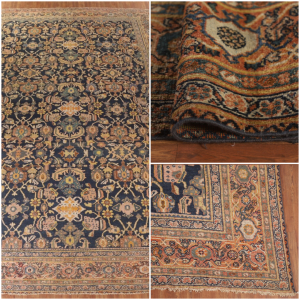
Sultanabad rugs are handmade using the Persian knot, which is woven using a single strand of yarn. The knot is then tightened to create a dense and durable design that can last for decades if handled and cleaned properly. The approximations of knots in a square inch can range anywhere from 50-125 knots/sq. inch, depending on the age and type of rug.
Identification
When evaluating a sultanabad rug, look for the signature design elements, such as the central medallion, and check the quality of the knotting and the dye used. Seek trusted professionals to assess and properly identify a rug before making a purchase.
Price
Due to their intricate construction and unique beauty, sultanabad rugs range in price from $200 to several thousand dollars, depending on age and condition. An exact appraisal of a rug’s value should be performed by an expert appraiser.
Sultanabad rugs are a highly sought-after collector’s item and make a great addition to any home. Whether you are shopping for something beautiful or investing in a piece of art, consider looking into the unique and timeless designs of sultanabad rugs.
What is the typical design of a Sultanabad rug?
Sultanabad rugs are a type of Persian rug that originated in the city of Arak (formerly known as Sultanabad) in Western Iran. The design of Sultanabad rugs is characterized by a large-scale, geometric patterns with a central medallion or all-over floral design.
The colors used in Sultanabad rugs are typically muted, with earthy tones such as beige, brown, and green dominating the palette. The wool used in Sultanabad rugs is of high quality, and the weave is generally quite dense and durable.
Sultanabad rugs are known for their versatility and can be used in a variety of decorating styles, from traditional to contemporary. Their classic design and high-quality construction make them a popular choice among collectors and interior designers alike.
How are Sultanabad rugs different from other types of rugs?
Sultanabad rugs, also known as Arak rugs, are a type of Persian rug that originated in the city of Sultanabad (now known as Arak) in western Iran. Here are some ways in which Sultanabad rugs are different from other types of rugs:
- Design. Sultanabad rugs typically feature a large, central medallion with intricate floral or geometric patterns that fill the remaining space. This is different from other types of Persian rugs, such as Tabriz or Isfahan rugs, which often have a more intricate and detailed design with smaller motifs.
- Color. Sultanabad rugs tend to have a softer, more muted color palette compared to other Persian rugs. This is because they were traditionally made with natural dyes, which tend to produce softer, earthier colors.
- Texture. Sultanabad rugs are known for their thick, heavy pile and sturdy construction. This makes them durable and well-suited for high-traffic areas.
- Size. Sultanabad rugs sizes are often larger than other Persian rugs, with some measuring up to 20 feet long.
Sultanabad rugs are highly prized for their beauty, quality, and unique characteristics, and are considered one of the finest types of Persian rugs.
How have Sultanabad rugs evolved over time?
Sultanabad is a region in Iran that has been known for its rug weaving industry for centuries. The Sultanabad rugs, also known as Arak rugs, have evolved over time due to various influences, including cultural, social, and economic factors.
Historically, Sultanabad rugs were known for their high quality and unique designs, which incorporated traditional Persian motifs such as floral patterns, medallions, and arabesques. These rugs were often made with high-quality wool and natural dyes, resulting in a rich, vibrant color palette that was characteristic of the region.
During the 19th century, there was a significant shift in the rug weaving industry, as European demand for Persian rugs increased. This led to the introduction of new designs and weaving techniques, as Persian rug weavers sought to meet the evolving tastes of their European customers.
Sultanabad rugs began to incorporate more European elements, such as larger scale designs, brighter colors, and more geometric patterns. The use of silk in rug weaving also became more common during this time, as it allowed for more intricate designs and finer detailing.
In the 20th century, the demand for handmade rugs declined due to the availability of machine-made rugs, and the rug weaving industry in Iran faced numerous challenges, including political turmoil, economic sanctions, and competition from other countries. However, Sultanabad rugs continued to be made, with weavers adapting to changing market demands by incorporating new materials, designs, and weaving techniques.
Today, Sultanabad rugs continue to be highly valued for their unique blend of traditional Persian and European design elements, as well as their high quality craftsmanship. Many Sultanabad rugs are made using hand-spun wool and natural dyes, and are often prized for their durability and beauty.