Moroccan Rugs vs. Turkish Rugs: Which Is Right for Your Space?


Handmade rugs have long been admired for their beauty, craftsmanship, and cultural significance. Among the most iconic styles are Moroccan rugs and Turkish rugs, both deeply rooted in tradition yet remarkably versatile in modern homes. While these two types share some similarities, they differ in design, construction, materials, and overall aesthetic. If you’re deciding between the two, understanding these differences can help you find the rug that fits your space and style perfectly.
A Tale of Two Traditions
Moroccan rugs have been woven by Berber tribes for centuries in the Atlas Mountains of North Africa. These rugs were traditionally used in daily life, laid over cold stone floors, worn as blankets, or hung on walls. Each design is symbolic, often reflecting the weaver’s life experiences, regional identity, or spiritual beliefs. No two Moroccan rugs are alike, giving them a distinctive, personal character.
On the other hand, Turkish rugs, also known as Anatolian rugs, come from a weaving tradition that spans thousands of years. Originating in present-day Turkey, these rugs have been influenced by a variety of cultures, including Persian, Byzantine, and Islamic art.
Turkish rug-making was often tied to ceremonial use and trade, and its patterns have historically represented prosperity, protection, and cultural heritage.
Materials & Construction: What’s Underfoot
One of the key distinctions between Moroccan and Turkish rugs lies in how they’re made.
Moroccan rugs are typically woven with high-quality wool and feature a thick, plush pile. The most popular type of Beni Ourain rugs is known for its luxurious softness and neutral color palette. The knotting in Moroccan rugs is looser and more relaxed, which contributes to their informal, rustic appeal. Many of these rugs are made using the traditional asymmetrical (Berber) knot and may have a lower knot density, resulting in a looser weave with a natural texture.
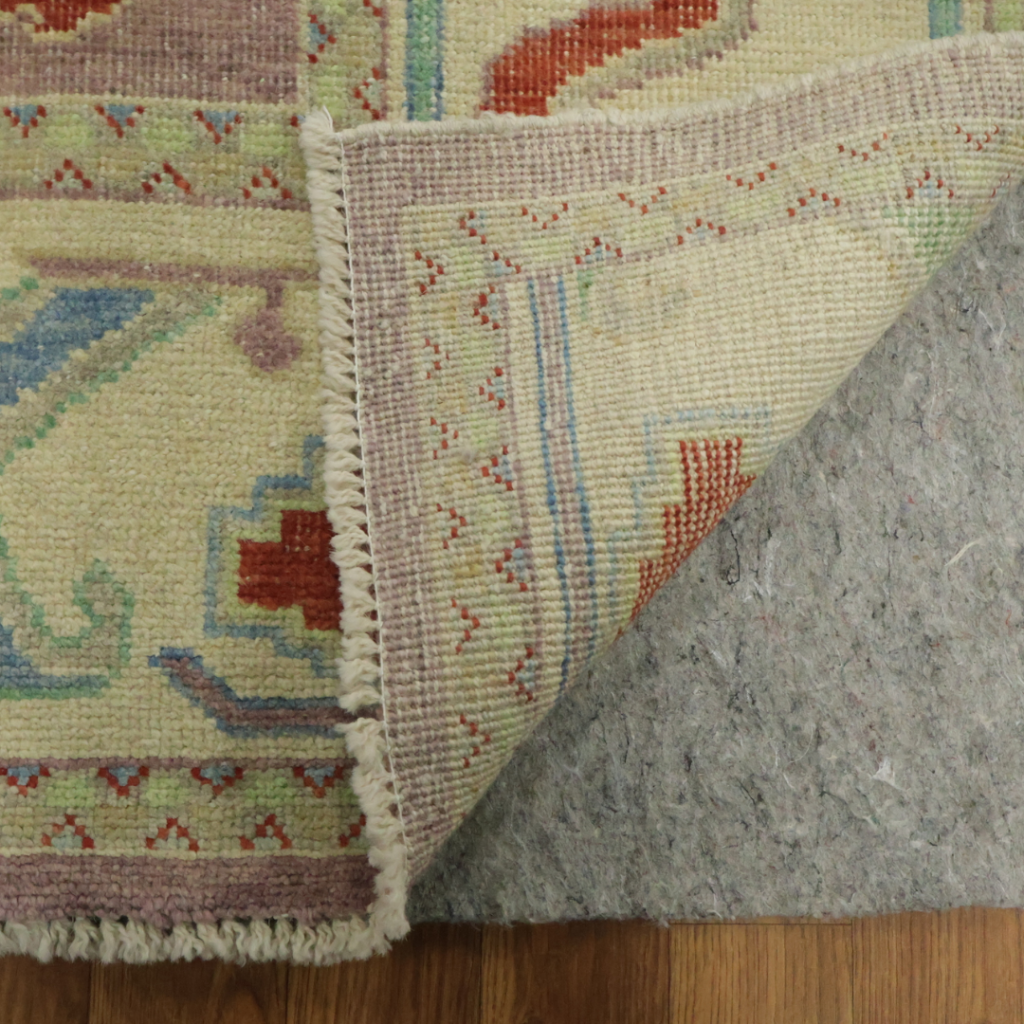
Turkish rugs, by contrast, often boast a denser weave and higher knot count. These rugs are crafted using the symmetrical Ghiordes knot, which gives them exceptional durability and pattern precision. Materials commonly include wool, cotton, and, in more luxurious pieces, silk. The tightly woven structure not only supports intricate designs but also ensures longevity, making them excellent heirloom investments.
Design Styles: Minimalist vs. Ornate
The visual contrast between Moroccan and Turkish rugs is one of the most significant differences.
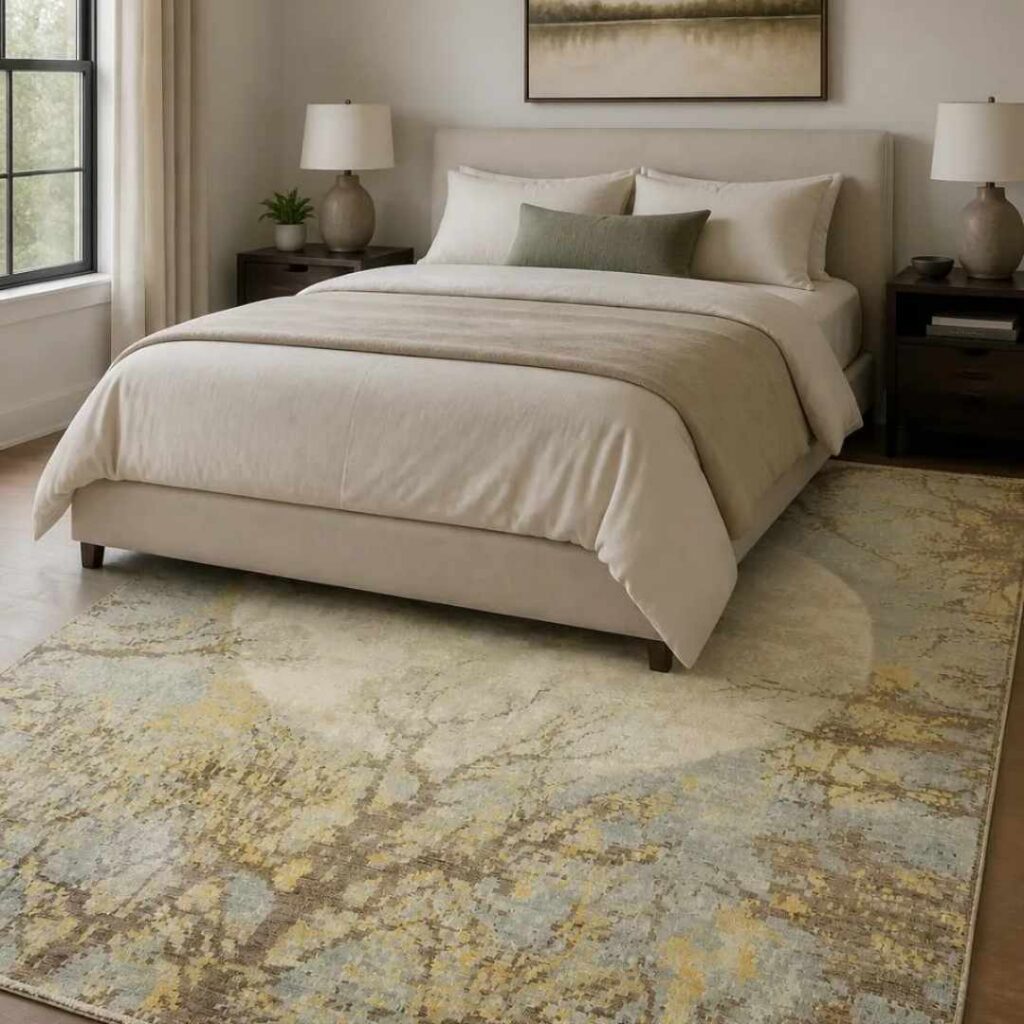
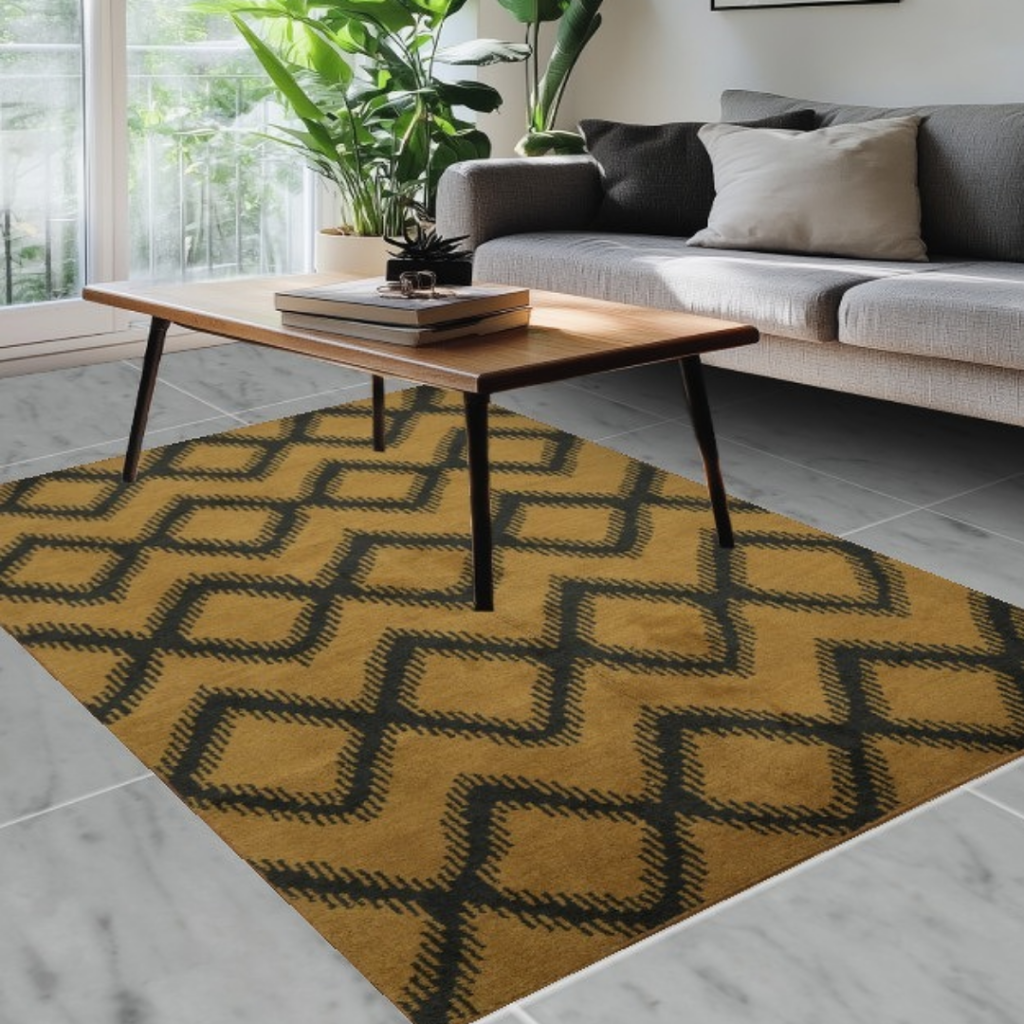
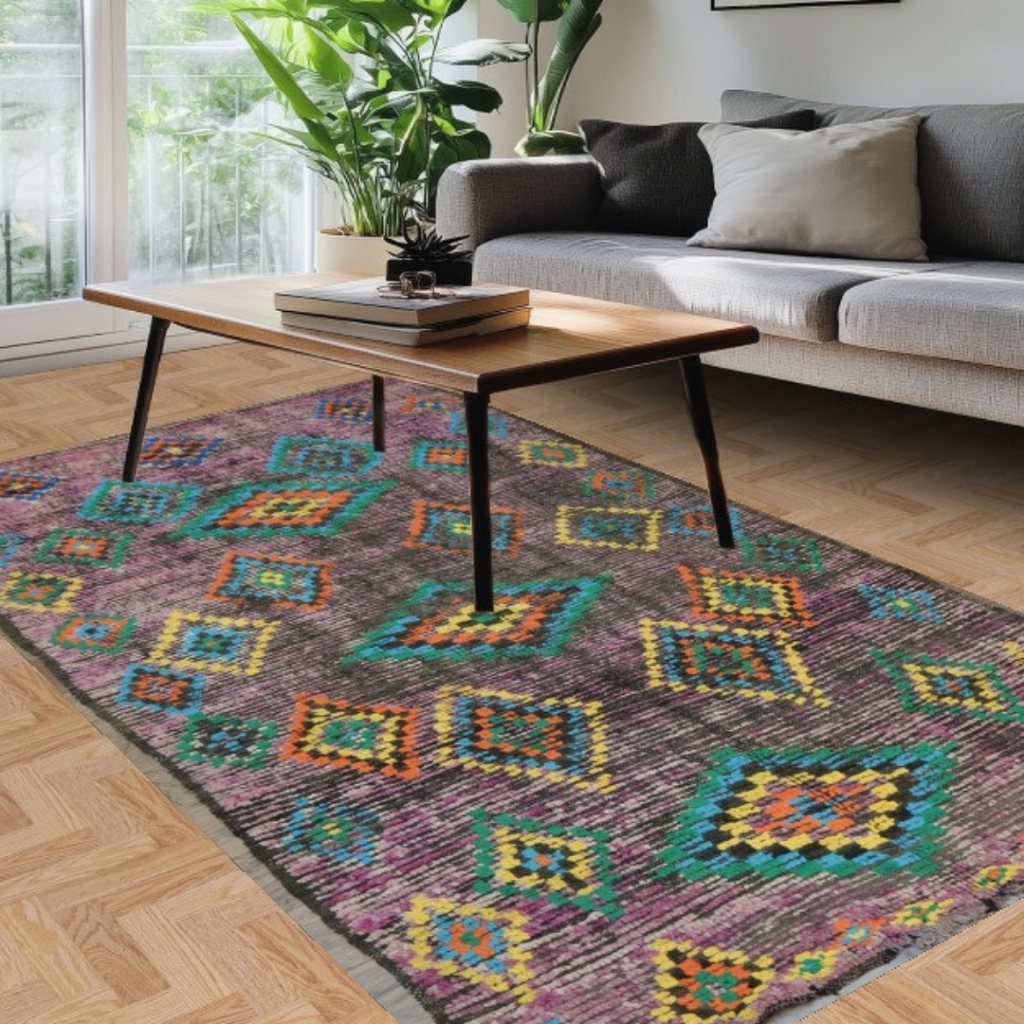
Moroccan rugs are often celebrated for their abstract or geometric designs. You’ll frequently see bold diamond motifs, tribal symbols, or asymmetrical lines, sometimes with intentional imperfections. Most are woven in shades of ivory, cream, black, and gray, though other Moroccan styles (such as Azilal or Boucherouite rugs) incorporate vibrant, multi-colored threads for a more eclectic look.
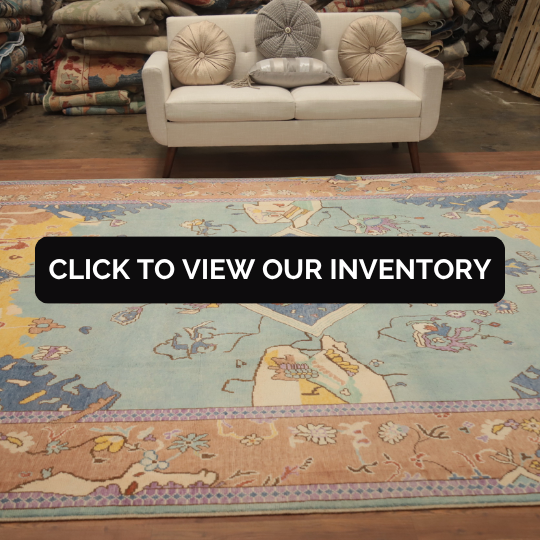
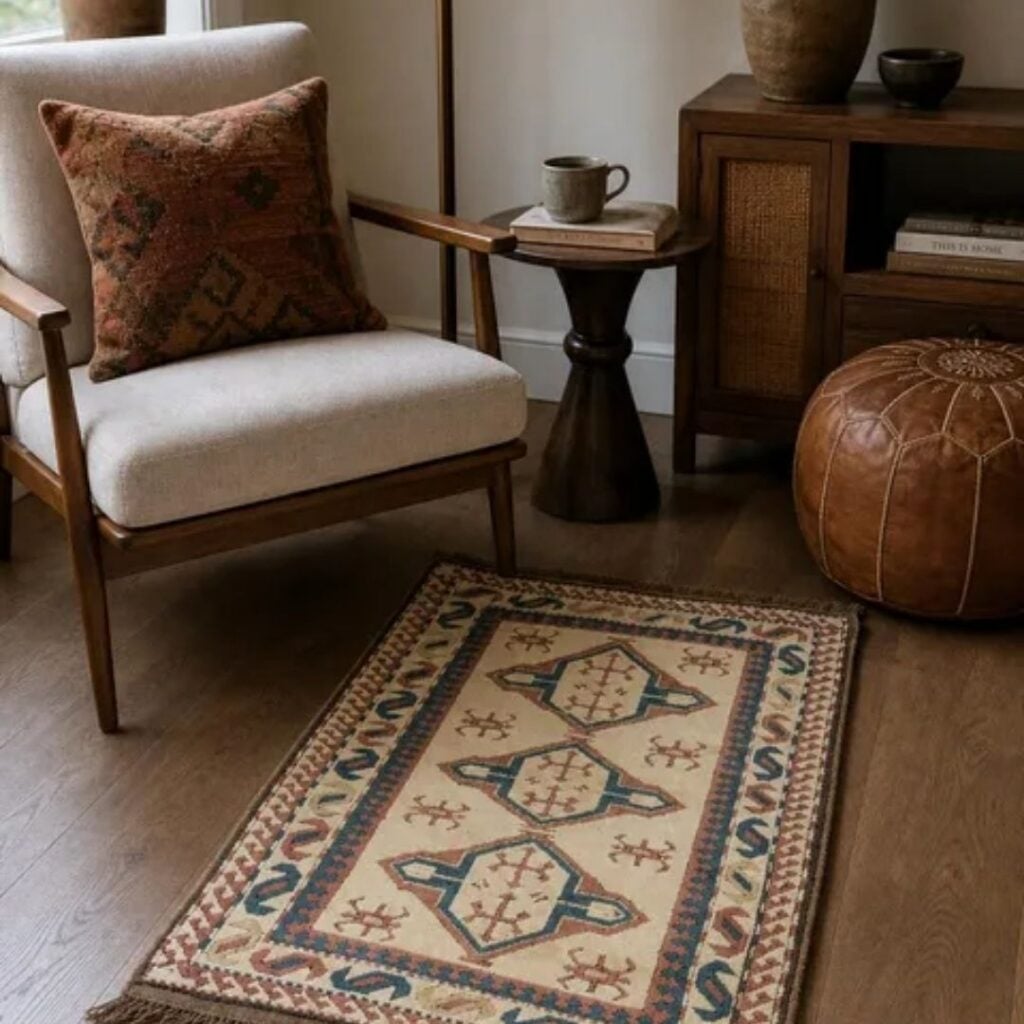
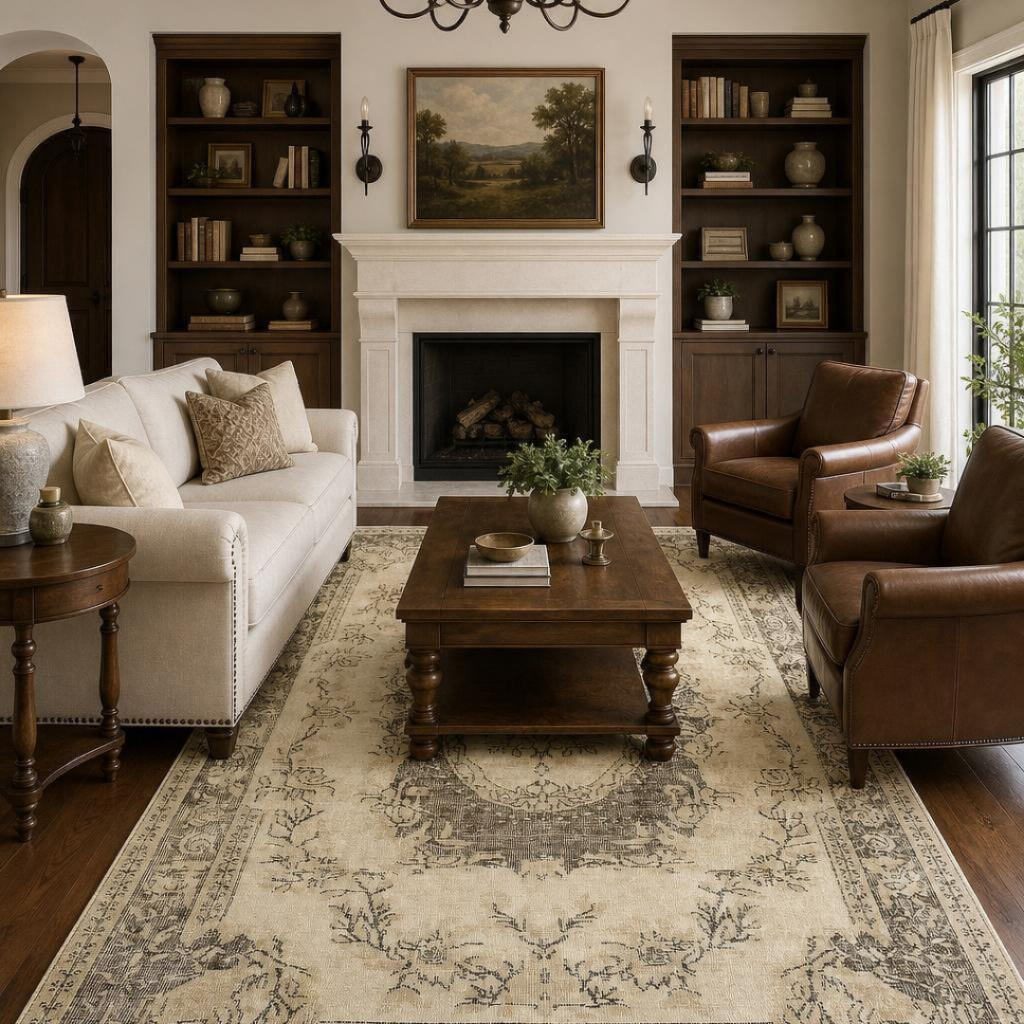
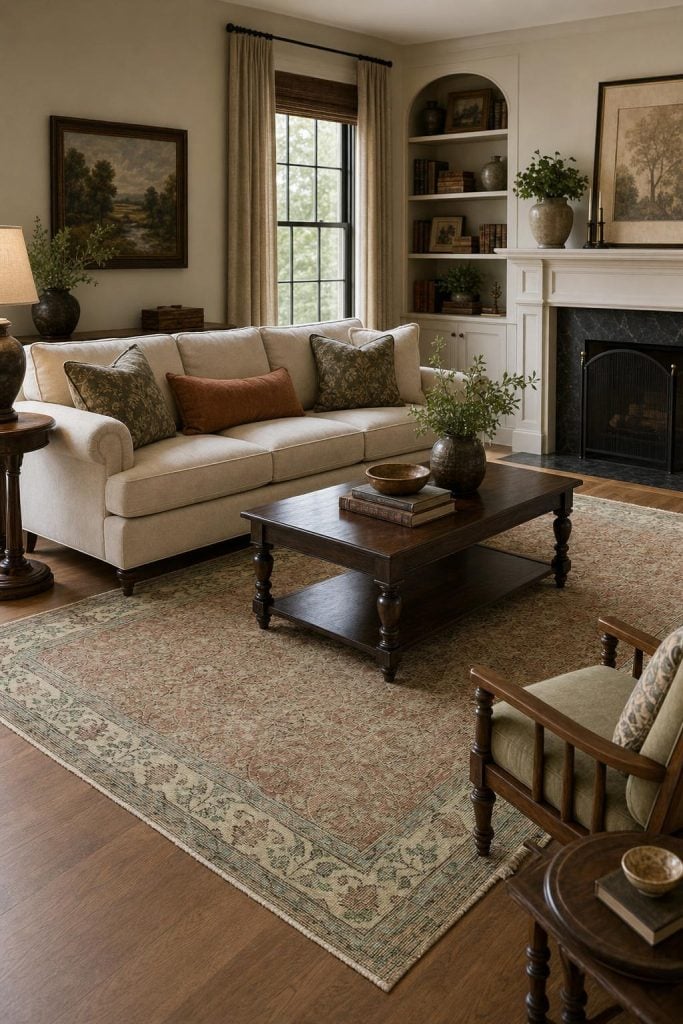
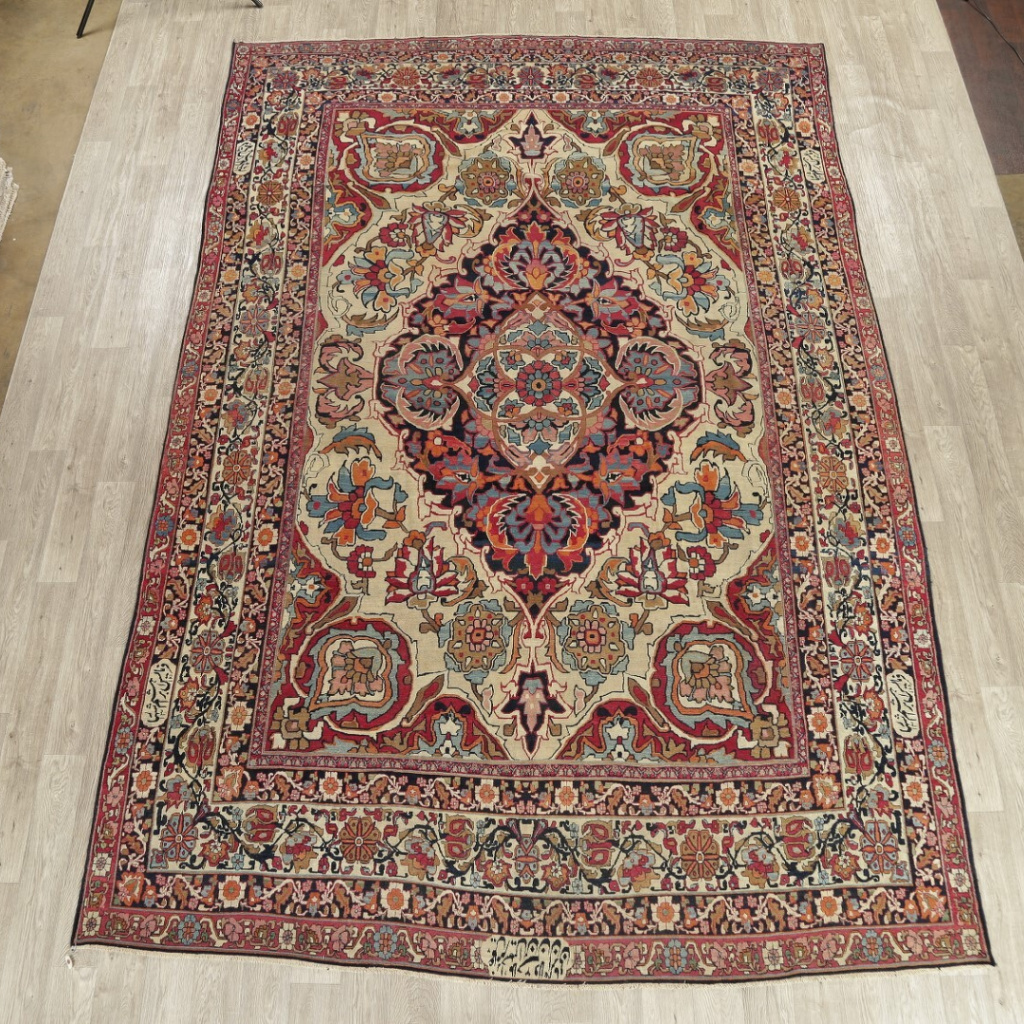
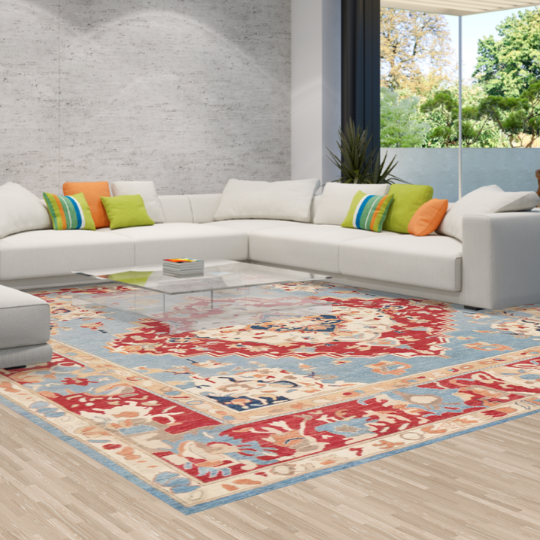
In contrast, Turkish rugs are more intricate and symmetrical. Many feature central medallions, repeating floral patterns, or scrolling vines. These rugs often use rich, saturated hues like deep red, navy blue, gold, and emerald green. The visual complexity of Turkish rugs adds elegance and formality, making them well-suited to classic or traditional interiors.
Where They Work Best
Both Moroccan and Turkish rugs can be used in a variety of rooms, but their distinct qualities lend themselves to different interior styles and functions.
Moroccan rugs are ideal for:
- Modern, bohemian, or Scandinavian homes where the minimal pattern and plush texture complement clean lines and neutral palettes
- Bedrooms and lounges, where the softness underfoot adds a cozy, relaxed atmosphere
- Eclectic spaces where their tribal origin and unique character become focal points
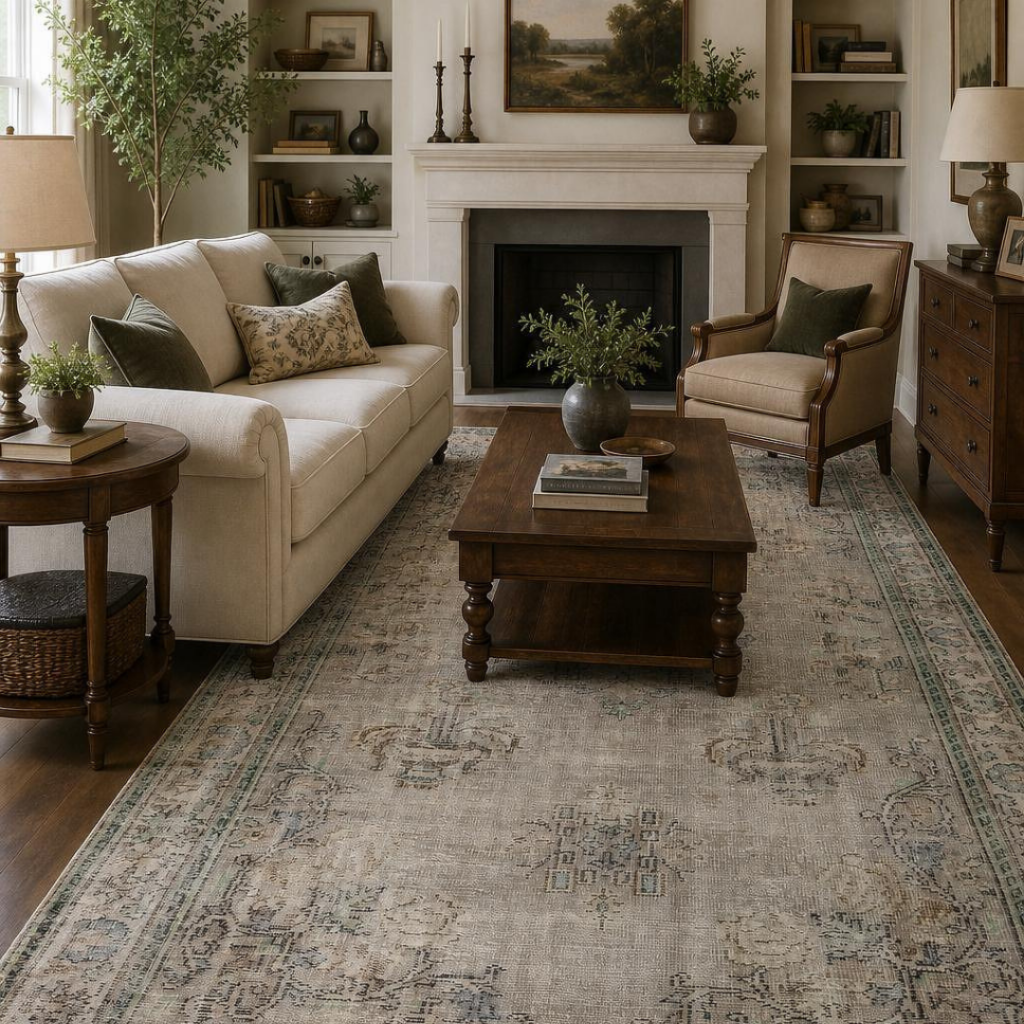
- Traditional or transitional interiors that benefit from symmetry and structure
- Dining rooms or formal living rooms, where their tighter weave and flat pile make them both elegant and practical
- Collectors and design enthusiasts who appreciate historical craftsmanship and ornate detail
Durability & Care
Both Moroccan and Turkish rugs are designed to last, but there are some practical considerations to keep in mind.
Moroccan rugs, especially high-pile styles like Beni Ourain, may require more frequent vacuuming as their plush surface can trap dust or debris. However, they are quite durable and tend to resist wear over time, especially in low-traffic areas.
Turkish rugs, with their flat, tightly woven construction, are especially well suited for high-traffic areas. Their detailed patterns also tend to hide stains or dirt better, making them a smart choice for entryways, dining rooms, or family spaces. Both types benefit from occasional professional cleaning and rotating every few months to maintain even wear.
Price & Value
The cost of a rug depends on factors like size, age, material, and origin, but some general trends apply.
Moroccan rugs are often more affordable when buying newer pieces. Their relatively simple construction and contemporary design trends have made them popular and accessible. Vintage or antique Moroccan rugs, however, can command higher prices due to their rarity and craftsmanship.
Turkish rugs, particularly antique or silk varieties, tend to be more expensive due to their higher knot count and complex weaving process. They’re often seen as collector’s pieces and may appreciate in value over time, especially those made in historical weaving centers like Hereke or Oushak.
Which One Should You Choose?
The best rug for your home comes down to your personal style and how you use your space.
Choose a Moroccan rug if you:
- Prefer a relaxed, boho, or modern aesthetic
- Want something soft, minimal, and statement-making
- They are drawn to imperfect beauty and tribal symbolism
Choose a Turkish rug if you:
- Love rich colors and intricate detail
- Have a more traditional or formal interior
- Want a denser, flatter weave with enduring value
Bring the World into Your Home
Both Moroccan and Turkish rugs offer beauty, history, and craftsmanship in equal measure. Whether you’re looking for the cozy charm of Berber wool or the refined artistry of Anatolian design, the right rug can elevate your space and tell a story that lasts for generations.