8 Tips To Help You Find The Best Persian Rugs For Your Budget

Following these tips will help you narrow down your options within our online inventory to find that perfect Persian rug match for you and your budget!

For many rug shoppers throughout the world, finding the perfect Persian rugs is by far the ultimate accolade. But just like within any type of rug shopping, there are several factors you must keep into consideration in order to find that Persian rug that best matches your personal preferences and financial budget.
This why the experts at Rug Source have come together to provide this list of 8 tips that will undoubtedly support you within your search for that perfect Persian rug for your home or office.
So here are our 8 tips to help you find the best Persian rug within your budget! In addition, aside from these 8 tips, we will also be adding a bit of information for all clients to know.
1. Set a Budget
It’s no surprise to anyone that Persian rugs dramatically vary in terms of pricing, so the first and foremost factor you should consider when it comes to finding your perfect match within your budget is to concretely distinguish what your budget is and any wiggle room you may have.
There are many factors that come into play in terms of differentiating Persian rug values, and these factors are subsequently some of the tips we recommend that you keep in mind while rug shopping.
But by containing your search within a set budget you’ll then be able to come across incredible values and investment potential, just keep the next 7 tips in mind as well!
2. Knot Count
Authentic Persian rugs are handmade, so one of the most important factors to take into consideration during your rug shopping search is any given rug’s specific knot count. It’s a general rule of thumb that 120 knots per square inch and higher will indicate a high-quality Persian rug.
One tip to keep in mind while distinguishing knot count is to simply take a close look at the backside of a rug, because the underside will most certainly speak volumes in terms of the rug’s overall integrity. Handmade rugs will always have a soft backing with at least a few bigger knots, which will distinguish itself from the knot uniformity that’s recognizable within machine-made knockoffs!
Additionally, when it comes to purchasing a Persian rug, the knot count is an important factor to consider. Knot count refers to the number of knots per square inch in the rug, and it is an indicator of the rug’s quality and durability. Generally, the higher the knot count, the more intricate the design and the higher the price.
A rug with a knot count of at least 300 knots per square inch is considered to be of good quality, while those with more than 600 knots per square inch are considered to be exceptional. However, keep in mind that a high knot count does not necessarily guarantee a better rug. Other factors, such as the type of wool used and the skill of the weaver, also play a crucial role in determining the quality of the rug.
If you’re on a budget, it’s important to find a balance between knot count and price. A rug with a lower knot count may still be of good quality and can be a more affordable option. Additionally, consider the rug size, as larger rugs with a lower knot density or knot count may still have a beautiful design and provide the desired aesthetic appeal.
3. Material
The typical materials that comprise Persian rugs include silk, wool and wool-silk blends. Wool is typically the most common material, but silk rugs are rather unique with their shiny finishes and fine feel.
The quality of rug material will many times depend upon some commonly overlooked factors, including the sheep breed, climate, time of shearing and pasturage.
It’s also important to not mistake silk and wool for any synthetic fibers!
Additionally, when it comes to buying Persian rugs, the material of the rug is an important factor to consider. Persian rugs are traditionally made with natural fibers such as wool, silk, or cotton, and the quality of these fibers can affect the overall durability and appearance of the rug.
Wool is the most common material used in Persian rugs and is known for its durability, softness, and natural stain resistance. Silk, on the other hand, is a luxury material that adds a lustrous sheen to the rug and is often used in intricate designs or as highlights. Cotton is another natural fiber used in Persian rugs, and it is known for its affordability and durability.
It’s important to note that synthetic materials, such as nylon or polyester, may also be used in some Persian rugs. While these materials may be more affordable, they lack the durability and natural beauty of traditional materials.
When shopping for a Persian rug, consider the material that best fits your needs and budget. A wool rug may be a good choice for high-traffic areas, while a silk rug may be better suited for a low-traffic area where it can be appreciated for its luxurious texture and design. Ultimately, the material of your Persian rug will play a big role in its longevity and overall aesthetic appeal.
4. Color
Authentic Persian rugs will always be created utilizing natural dyes. These natural dyes will coat the rug’s surface, whereas synthetic dyes will typically evenly penetrate a rug’s fibers.
One tip to help you test the authenticity of a Persian rug’s dyes is to bend the rug in order to isolate a few threads, and then take notice of any subtle unevenness. If you do in fact notice this type of unevenness, then you can be more rest assured that you’re handling natural color dyes.
But here are also some color tips to help you find the best Persian rugs for your budget:
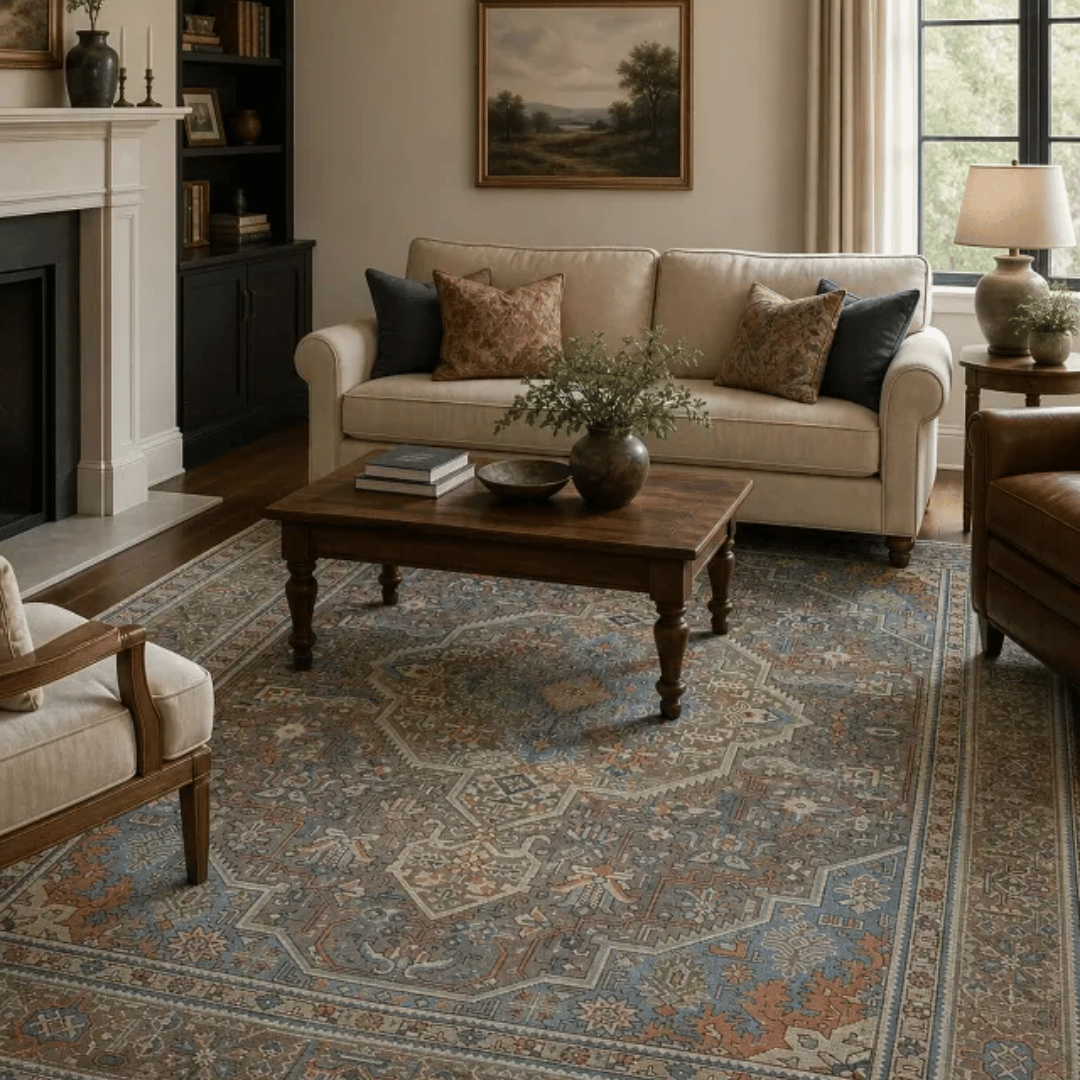
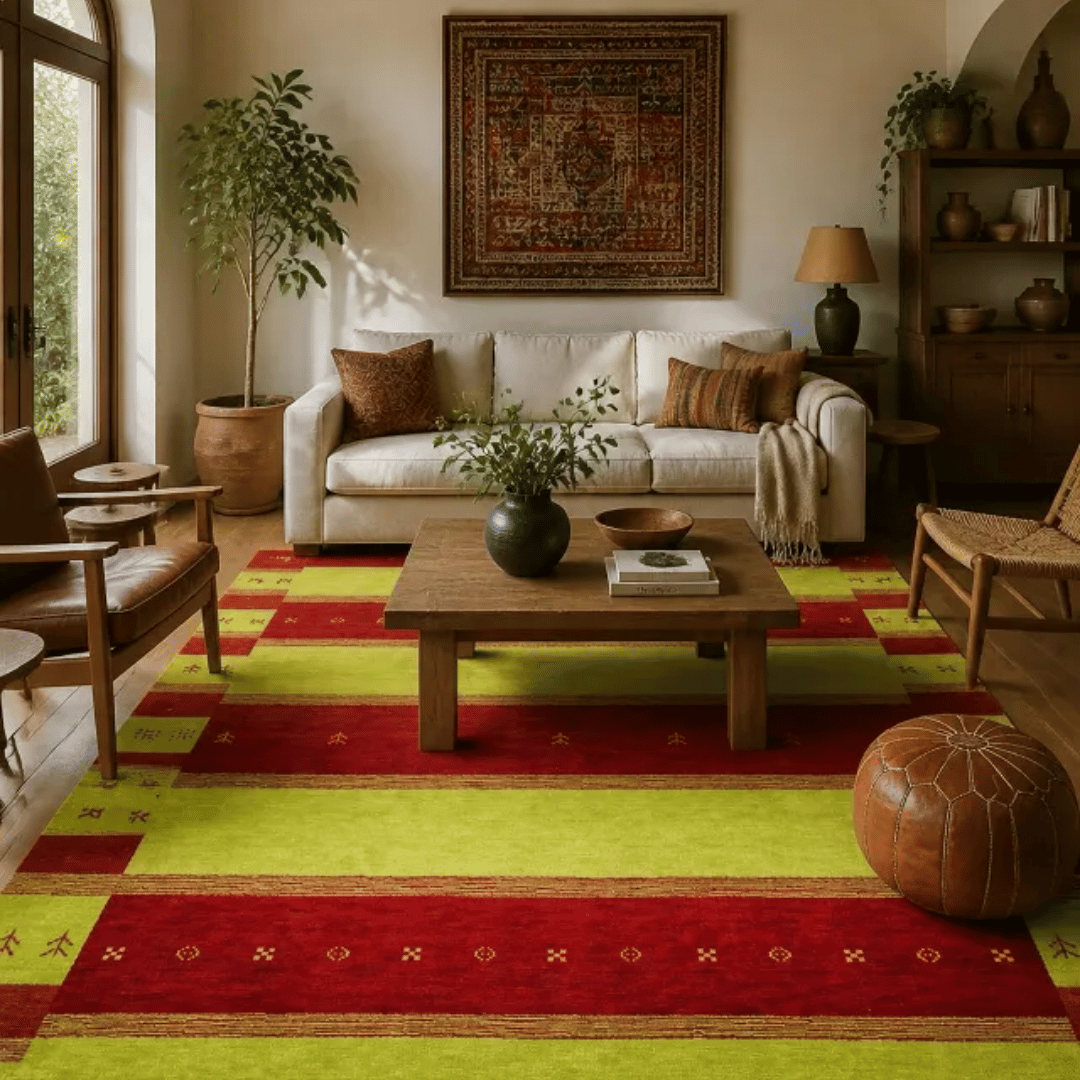
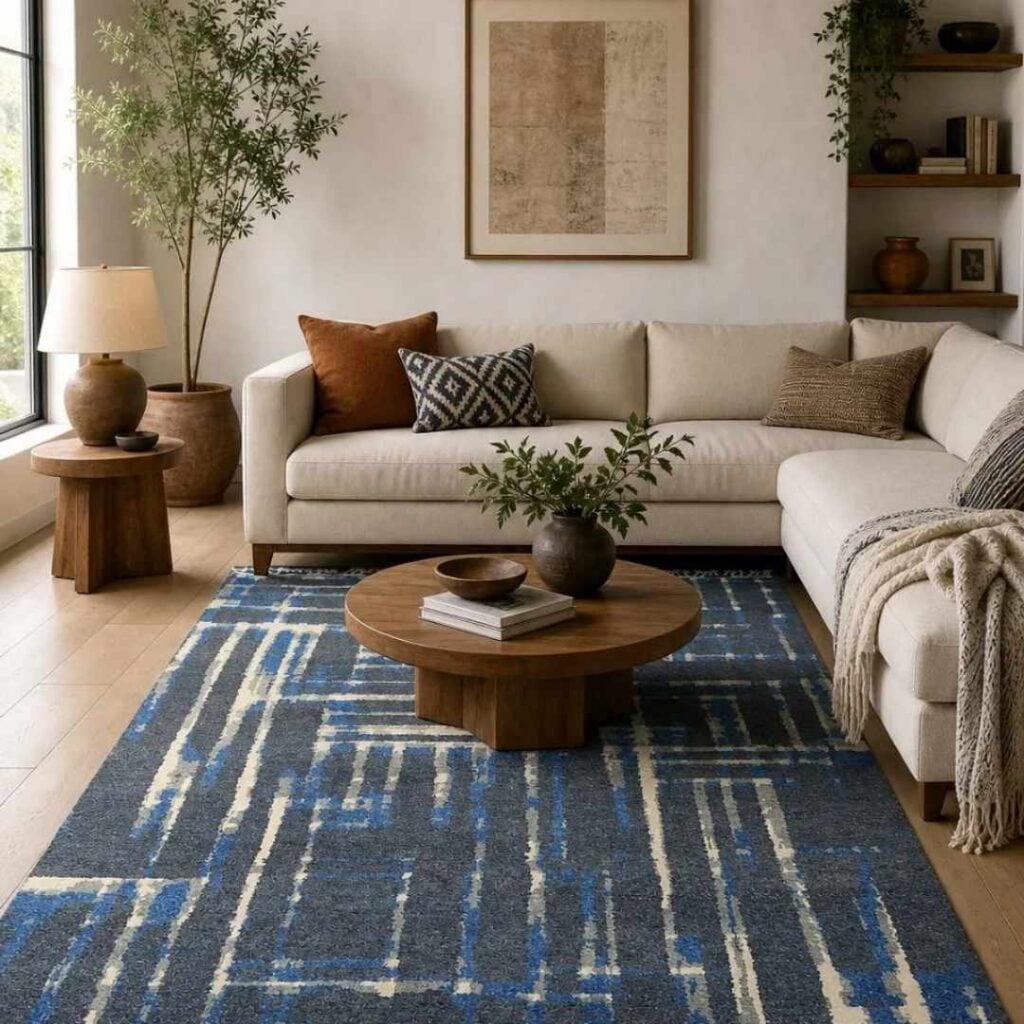
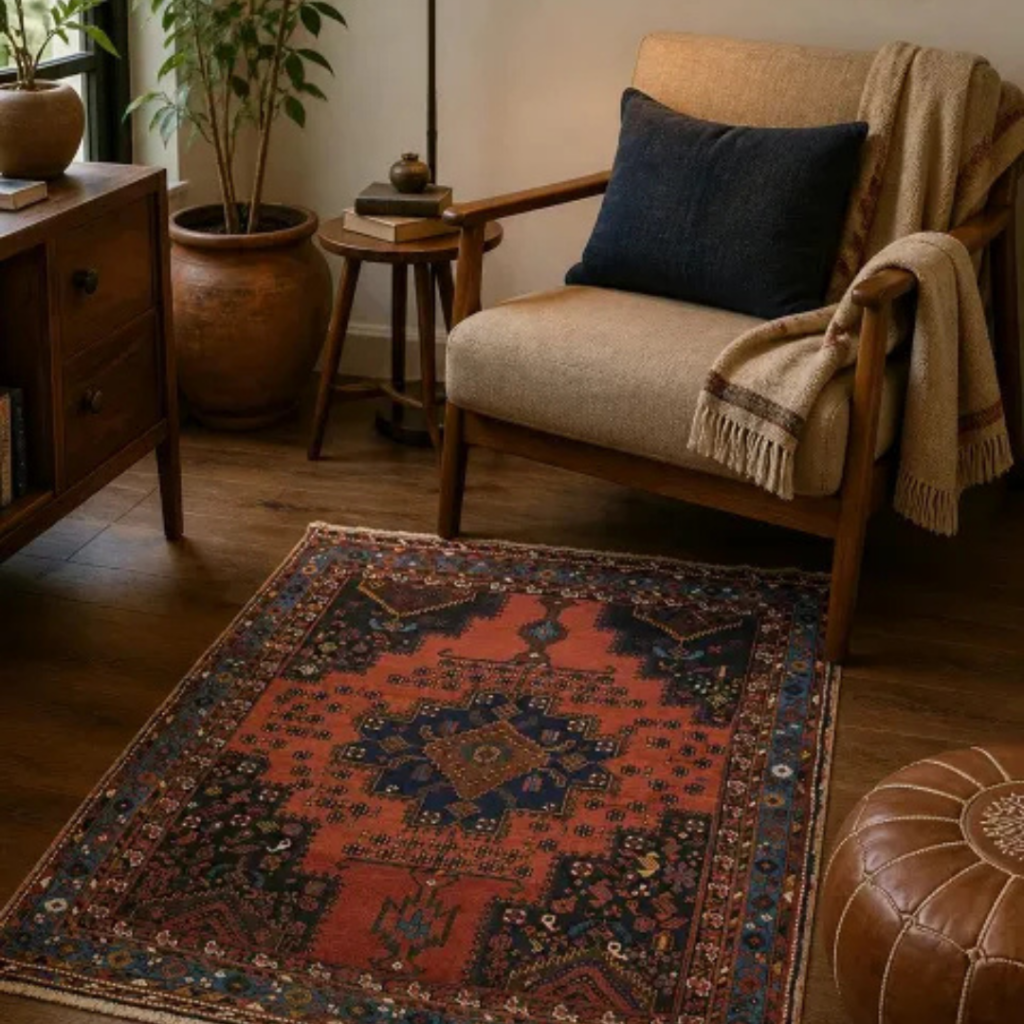
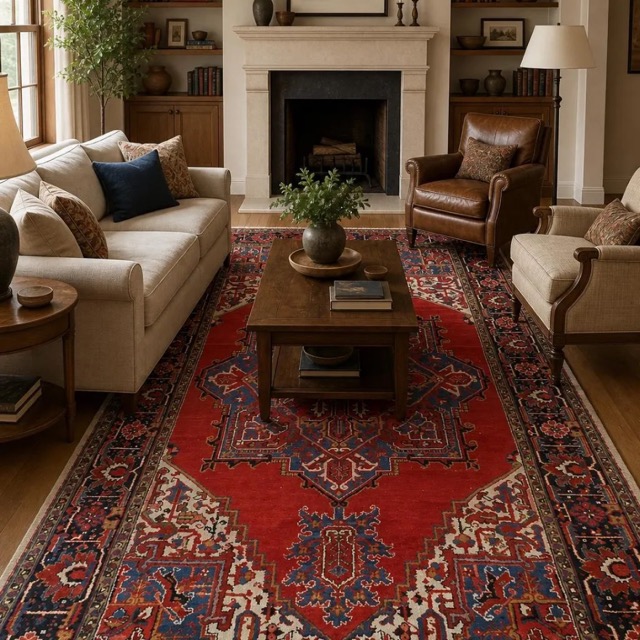
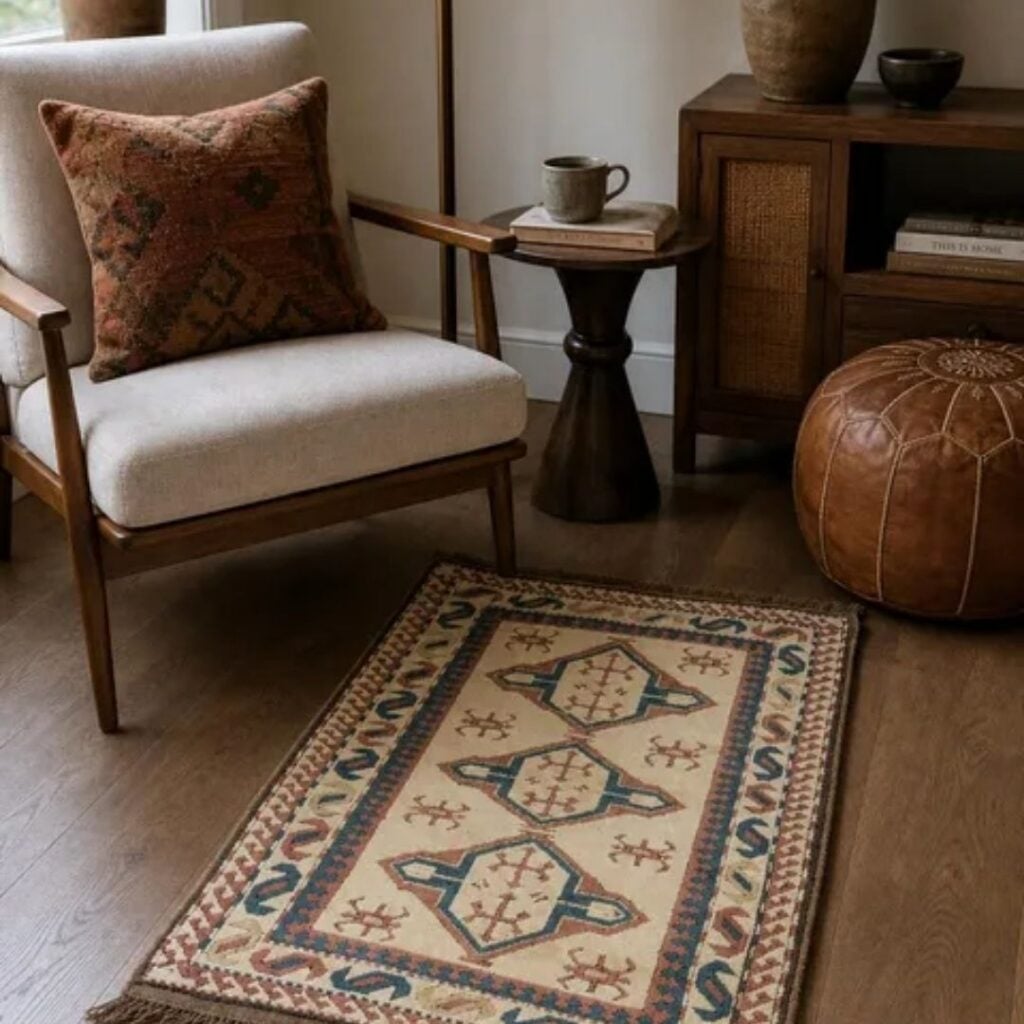
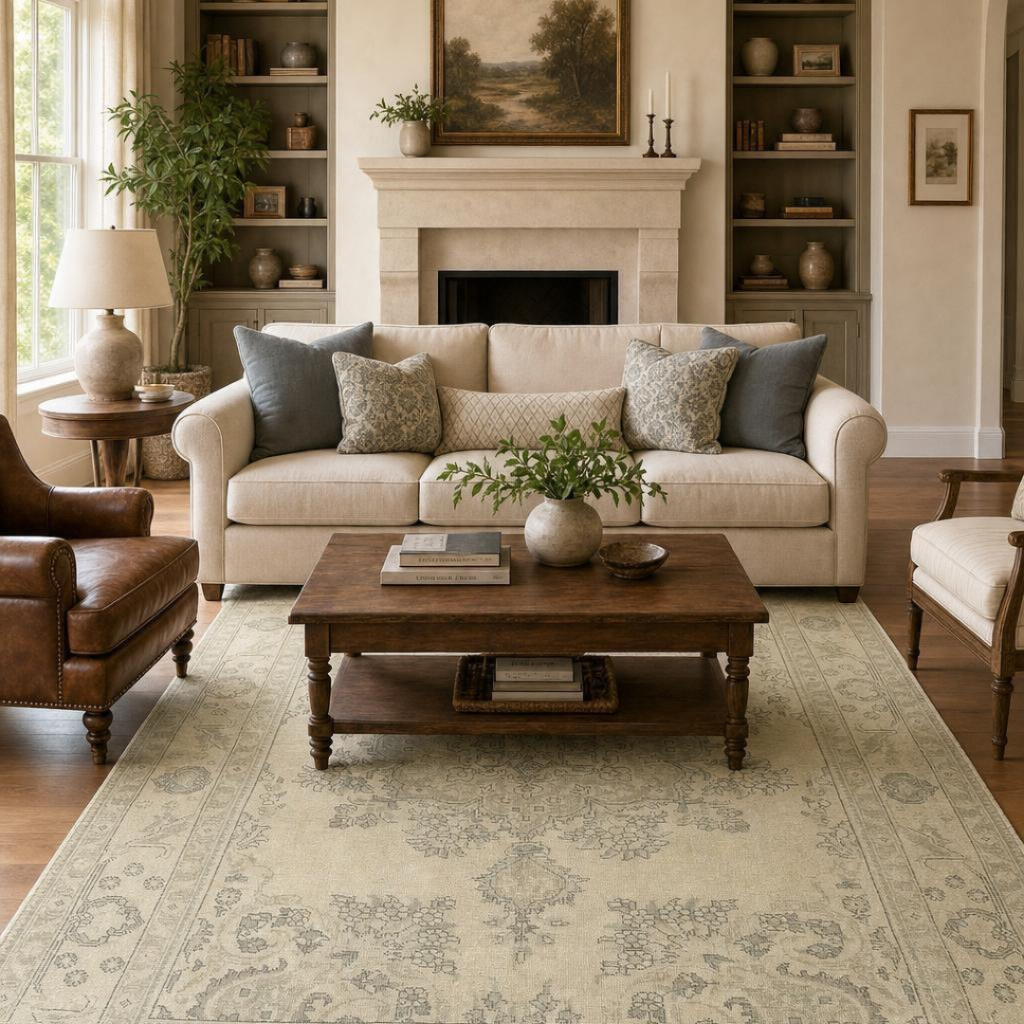
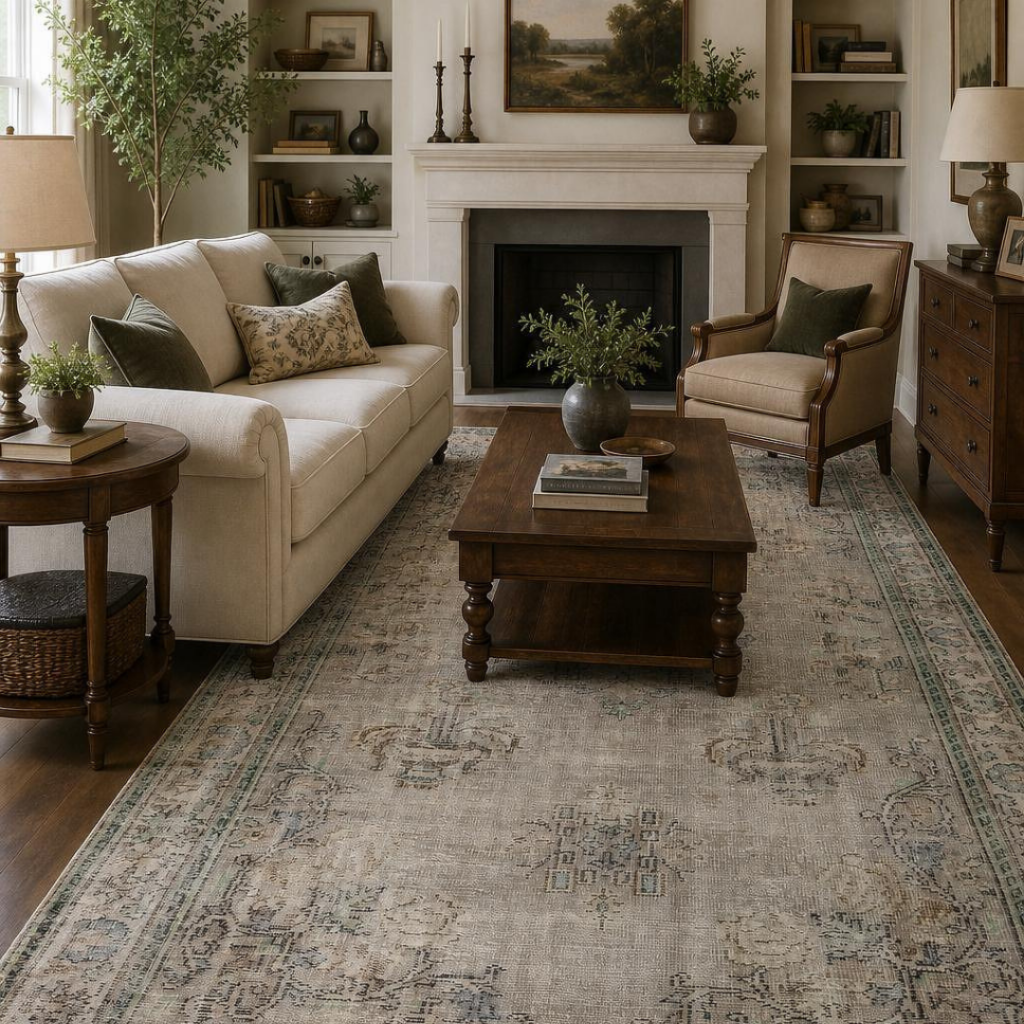
- Consider your rooms’ color scheme. Look at your rooms’ colors of your walls, furniture, and decor, and choose a style of rug that complements them. If your room has a neutral color scheme, a rug with bold, bright colors can add a pop of color and make a statement. If your room has a lot of colors already, a rug with a more subdued palette can balance things out.
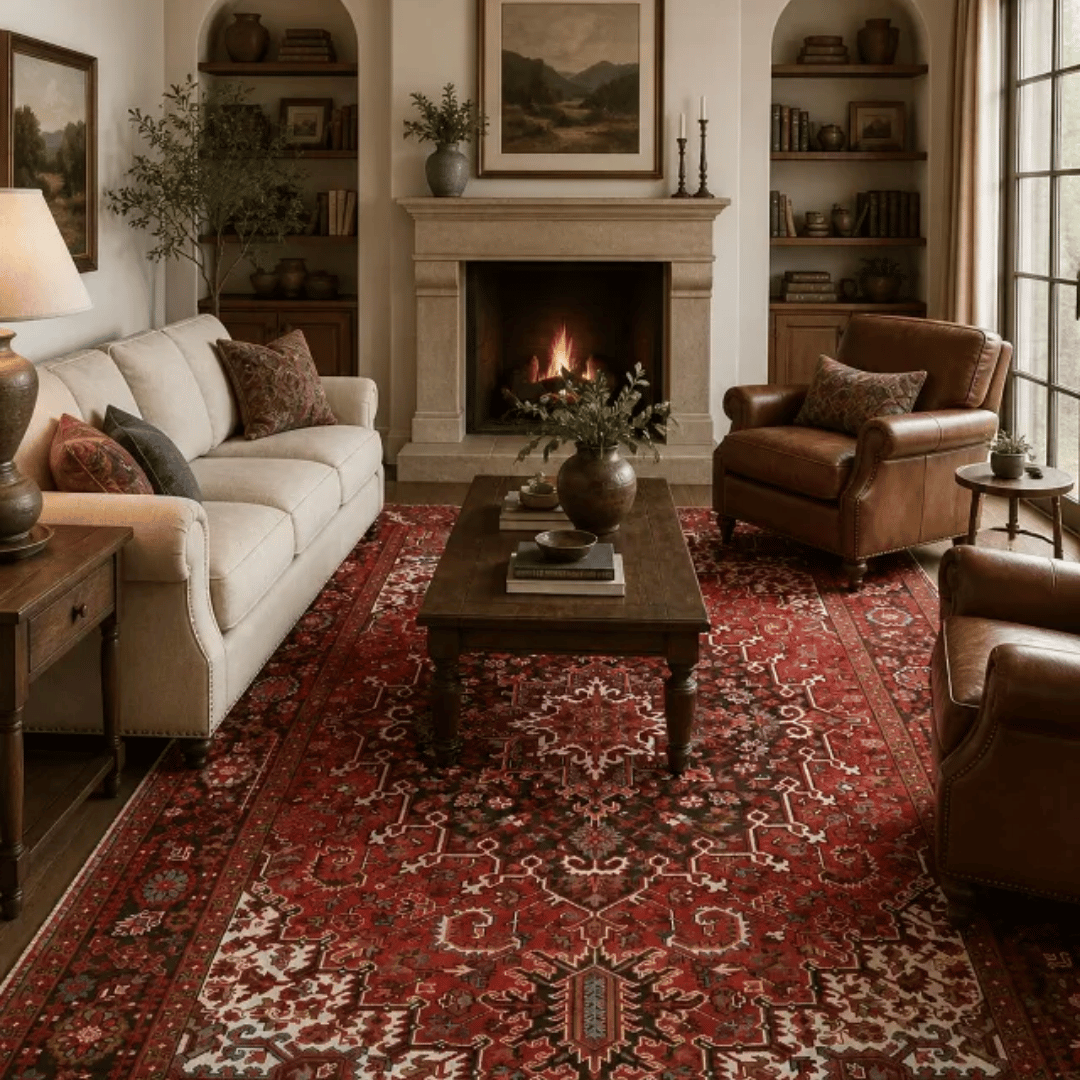
- Think about the mood you want to create. Colors can have a big impact on the atmosphere of a room. For example, warm colors like red, orange, and yellow can create a cozy, inviting feeling, while cool colors like blue and green can create a calm, serene atmosphere. Choose colors that reflect the mood you want to create in your space.
- Consider the size of the room. A large rug with a lot of bright colors can overwhelm a small room, while a small rug with a lot of intricate details may not have the same impact in a larger space. Choose a rug that fits the scale of your room and enhances its overall design.
By keeping these color tips in mind, you can find the best Persian rug for your budget that adds beauty and warmth to your home.
5. Determining the Rug’s Use
Having a thorough understanding as to your desired space and general use of your prospective Persian rug is always going to help you in terms of narrowing down your final choices.
For instance, silk rugs are much less durable than wool and are sometimes better off being utilized for wall decoration purposes. Wool rugs tend to be more practical for floor aesthetics, because they’re more capable of handling foot traffic for long periods of time.
Wool rugs are also great at disguising any potential spills or mishaps that could arise throughout your time with your new Persian rug!
Additionally, when shopping for Persian rugs, it’s important to consider the rug’s intended use in your home. Determining the rug’s use will help you choose the right shape, size, material, and design to suit your needs. For example, if you’re looking for a rug to place in a high-traffic area like a hallway or living room, you’ll want to choose a durable material like wool or silk that can withstand wear and tear.
On the other hand, if you’re looking for carpets or rugs to add some decorative flooring flair to a room that doesn’t get much foot traffic, you might consider a more delicate material like cotton or silk. Additionally, the size of the rug should be determined by the room it will be placed in. A larger rug can make a room feel more spacious and open, while a smaller rug can be used to define a specific area or create a cozy nook.
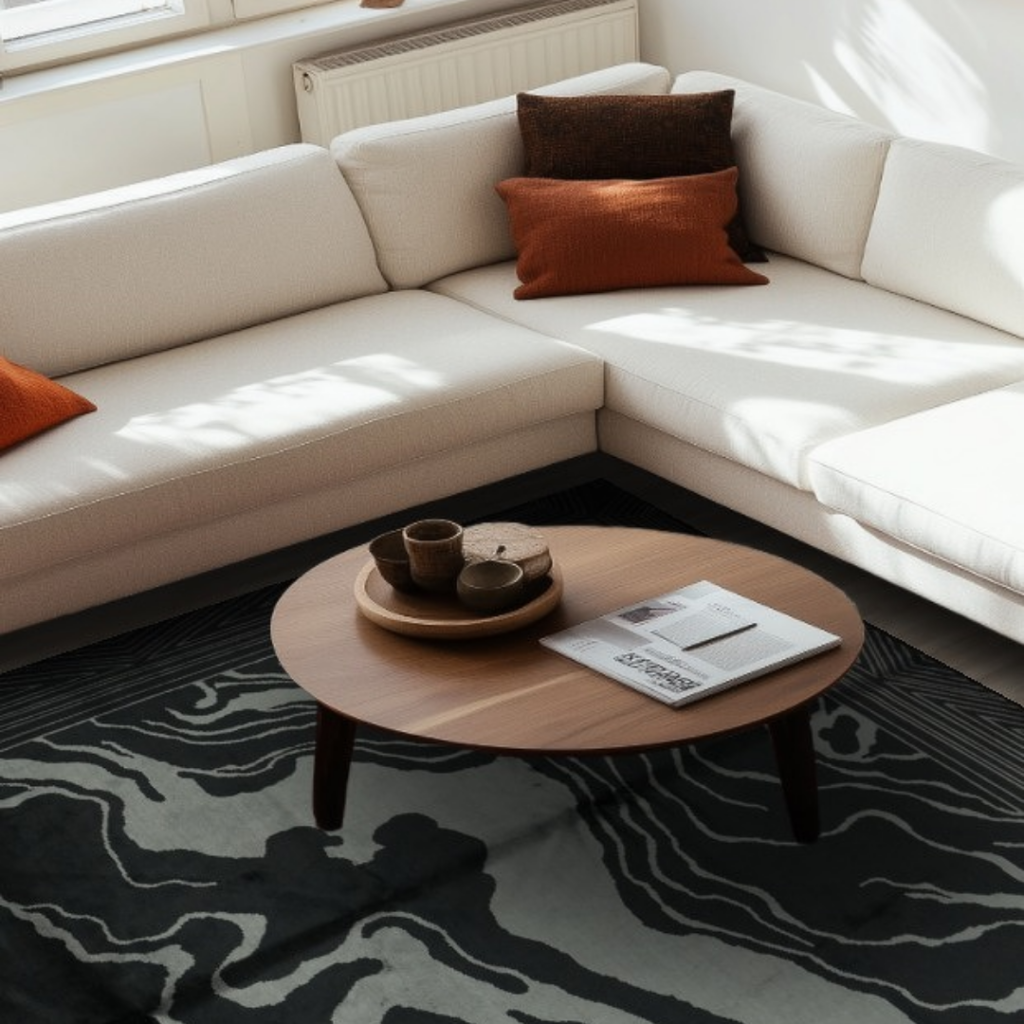
The design of the rug should also be considered based on its intended use. If you’re looking for a rug to add warmth and texture to a minimalist space, a simple design with neutral colors might be the way to go. However, if you’re looking for a statement piece to anchor a room with bold colors and patterns, a more intricate design with brighter hues may be the perfect fit. Overall, taking the time to determine the rug’s use will help you find the best Persian rug for your budget that meets both your aesthetic and functional needs.
6. Differentiating Different Types of Persian Rugs
It’s true that Persian rugs come in many different types, and they’re all unique. It’s common for rug shoppers to mistake the subtle variations between different types of Persian rugs, so it’s always important to do your homework when it comes to understanding the differences and inconsistencies between these many beautiful variations.
Persian rugs own a reputation for their exquisite beauty and intricate designs. They have been a popular choice for homeowners and decorators alike for centuries. However, with so many different types of Persian rugs on the market, it can be challenging to find the best one for your budget. One of the key factors in determining the quality and value of a Persian rug is the type of rug it is.
The most common types of Persian rugs include Tabriz, Isfahan, Kashan, Qum, and Nain. Tabriz rugs are known for their intricate patterns and are often considered some of the world’s most exquisite rugs. Isfahan rugs have a reputation for their fine craftsmanship and are often made from high-quality silk. Kashan rugs are known for their durability and are often made from wool. Qum rugs are made from silk and own a reputation for their intricate designs and high quality. Nain rugs are also made from wool or silk and are known for their fine craftsmanship and intricate designs.
When looking for the best Persian rug for your budget, it’s important to consider the type of rug you’re interested in. Each type of rug has its own unique characteristics and value, which can impact the price. In general, silk rugs are more expensive than wool rugs, and rugs with intricate designs or fine craftsmanship are also typically more expensive.
Lastly, finding the best Persian rug for your budget will depend on your personal preferences and the specific characteristics you’re looking for in a rug. However, by understanding the different types of Persian rugs available and their unique features, you can make an informed decision and find the perfect rug to complement your home’s decor.
7. Finding Your Perfect Pattern Match
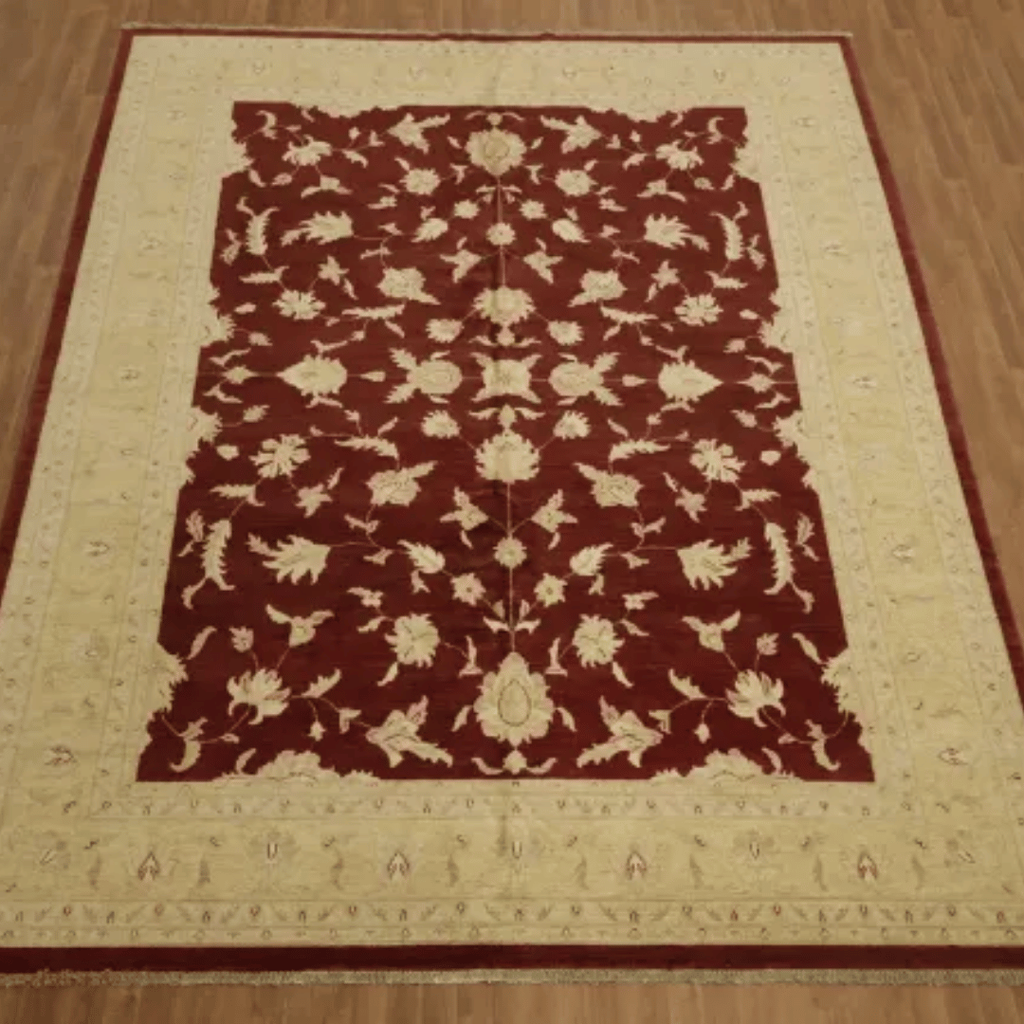
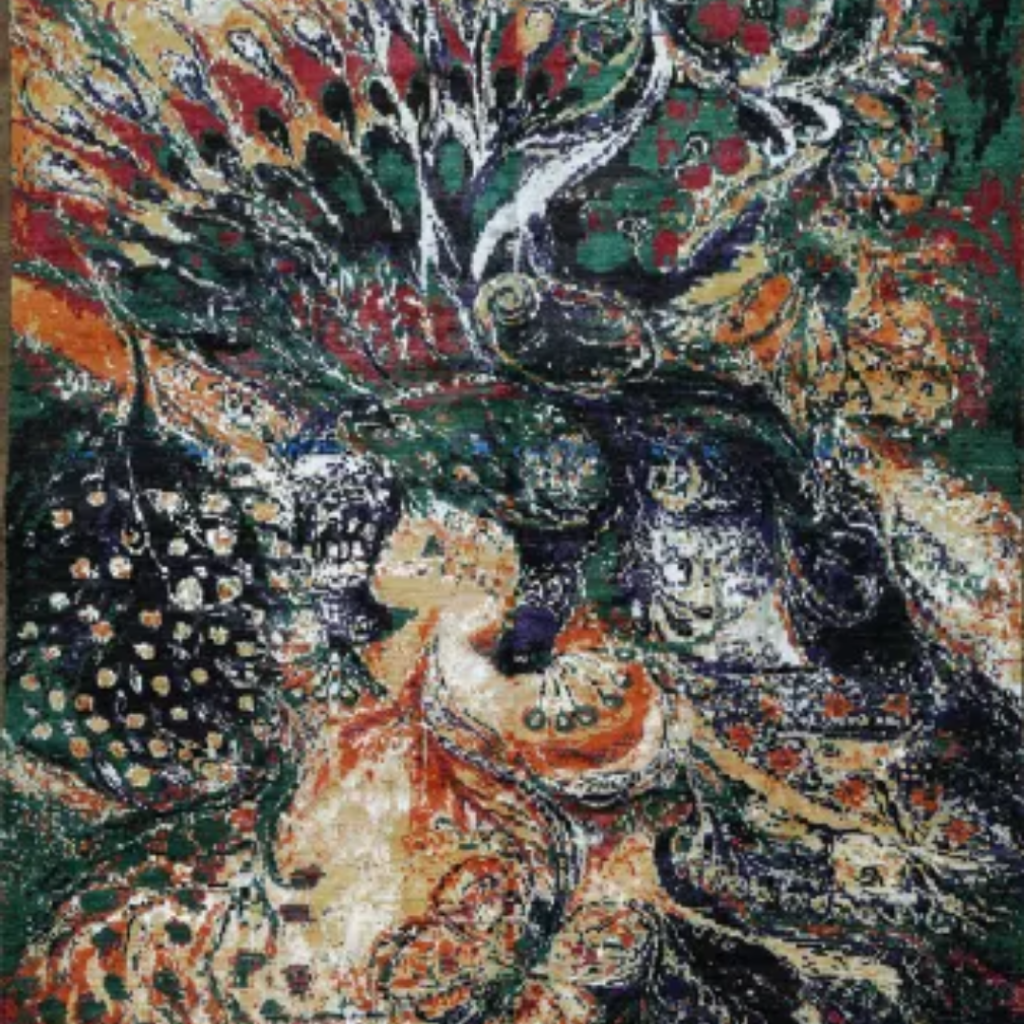
Persian rug patterns will differ greatly depending upon where exactly they originated from, and they can include geometric, floral, traditional, paisley and tribal patterns that all speak volumes in distinctive ways.
You’ll clearly see while browsing through our online inventory that we provide a whole array of patterns when it comes to our Persian rug selection, but you should be rest assured that you’ll find that perfect pattern that matches your personal preferences because we provide a perfect aesthetic match for everyone!
Understanding the importance of pattern matching can make a significant difference in achieving the desired look and feel for your home. Persian rugs own a reputation for their intricate designs and unique patterns, which can vary greatly depending on the region they originate from.
To find the perfect pattern match, it’s important to consider the overall style and decor of your space. A rug with a busy pattern may clash with a room, whether its living room area, bedroom or others that already has bold decor, while a more subdued pattern may complement a minimalist or traditional space. You should also consider the shape and size of the rug and how it will fit into your homes’ space. A large rug with a busy pattern may overwhelm a small room, while a smaller rug with a simple pattern may get lost in a larger space.
It’s also important to pay attention to the quality of the rug’s pattern. A high-quality Persian rug will have a clear and defined pattern that is evenly woven throughout the rug. Lower quality rugs may have blurry or uneven patterns, which can detract from the overall look and value of the rug.
By taking the time to consider these factors and finding the perfect pattern match for your space, you can ensure that your Persian rug not only fits your budget, but also enhances the beauty and comfort of your home.
8. You’ll Get What You Pay For
This common shopping expression applies when it comes to Persian rugs, and although you’ll of course want to remain within your budget there will likely be differences between the lower and upper ends of your specified price range.
One consideration to keep in mind when it comes to Persian rug shopping is that you are ultimately shopping for a piece of art, which could have a lot of investment potential. Remember that you’re looking at rugs that took months if not years to create, so if you think a rug falls fairly within your budget then it’s likely that you’re getting an incredible deal.
Also, when it comes to purchasing Persian rugs, one important thing to keep in mind is the concept of “you’ll get what you pay for.” While it may be tempting to try and find the cheapest rug possible, it’s important to remember that quality comes at a price. If you’re working on a tight budget, you may need to make some compromises in terms of shape, size or style, but don’t sacrifice quality for a lower price.
One way to ensure you’re getting a good deal is to shop around and compare the prices of different sellers. You may also want to consider purchasing a rug that’s slightly smaller than you originally planned, as larger rugs tend to be more expensive. Additionally, keep in mind that handmade rugs are generally more expensive than machine-made ones, but they’re also more durable and typically have a longer lifespan.
Ultimately, finding the best Persian rug for your budget requires some research and patience. Don’t rush into a purchase without carefully considering your preference and options, and don’t be afraid to ask questions or negotiate with rug stores, rug dealers, or sellers. With some time and effort, you can find a beautiful, heirloom and high-quality Persian rug that fits your budget and adds warmth and style to your home or office.
Benefits of Buying Persian Rugs
Persian rugs are known for their intricate designs, best qualities of craftsmanship, and durability. They are made in Iran, which is considered to be the birthplace of the art of carpet weaving. Here are some of the benefits of buying Persian rugs:
- Unique and Beautiful Designs. Persian rugs have a reputation for their beautiful and unique designs. They are handcrafted by skilled artisans, who use traditional methods to create intricate patterns and colors that are not found in other types of rugs.
- High-Quality Craftsmanship. Persian rugs are made using high-quality materials, including wool, silk, and cotton. The weaving techniques used are centuries-old and have been passed down from generation to generation.
- Durability. Persian rugs are known for their durability and can last for generations if properly cared for. They are made with strong, high-quality fibers that can withstand wear and tear.
- Investment. Persian rugs can be a great investment for your money. Their value tends to increase over time, especially for rare or heirloom pieces.
- Versatility. Persian rugs come in a wide range of sizes, colors, and designs, making them a versatile home decor option. They can be used to add warmth and texture to any room, like living room, bedroom or others, to define a space, or to create a focal point.
- Cultural Significance. Persian rugs are something deeply ingrained in Persian culture and history. They are often viewed in detail as a symbol of wealth, status, and hospitality. Owning a Persian rug can be a way to connect with this side of rich cultural heritage.
Overall, buying a Persian rug is a great investment of money in terms of its qualities, craftsmanship, and cultural significance. They can add beauty and warmth to any home, and their durability means that they can be enjoyed for generations to come.
What To Consider When Shopping For Persian Rugs
Shopping for a Persian rug can be an exciting and daunting experience. Persian rugs have a reputation for their beauty, durability, and unique designs. Here are some factors to consider when shopping for a Persian rug:
- Quality. Persian rugs are known for their high quality and durability. Look for rugs that are made from natural materials, such as wool or silk. Check the knot density, which measures the number of knots per square inch. A higher knot density typically indicates a better quality rug.
- Design. Persian rugs come in a wide range of designs, from geometric patterns to floral motifs. Consider the style of your home and choose a rug that complements the décor. Look for rugs with intricate designs and rich colors that will stand out and add character to your space.
- Size. Consider the size of the room where you plan to place the rug. Measure the space and choose a rug that fits comfortably without overwhelming the room. Remember that a larger rug can make a room appear more spacious.
- Color. Persian rugs are known for their vibrant colors and rich hues. Consider the color scheme of your room and choose a rug that complements or contrasts with it. Keep in mind that lighter colors can make a room appear brighter and more spacious, while darker colors can create a cozy and intimate atmosphere.
- Authenticity. Persian rugs are a significant investment, so it’s essential to ensure that you’re getting an authentic piece. Look for rugs that are labeled as handmade and check the label for the country of origin. Ask the seller for a certificate of authenticity if available.
- Price. Persian rugs can vary widely in price, depending on the quality, shape, size, and design. Set a budget before you start shopping and stick to it. Remember that a high-quality rug is an investment that will last for years, so it’s worth spending a little extra to get a piece that you love.
Where To Find The Best Persian Rugs
Persian rugs are known for their intricate designs, high quality materials, and exquisite craftsmanship. If you are looking to purchase a Persian rug, there are several places where you can find it:
- Iran. The best and most authentic Persian rugs can be found in Iran, where they are made by skilled artisans using traditional techniques. However, purchasing a rug directly from Iran can be challenging due to trade sanctions and other logistical issues.
- Online retailers. There are many online retailers that specialize in Persian rugs with a great reputation, like Rugsource. These retailers often have a wide product selection of rugs in various sizes, styles, and price ranges.
- Local rug dealers. You can also find Persian rugs at your local rug dealers or specialty stores within your cities. These stores often have a smaller selection of rugs, but you can see and touch the rugs in person before purchasing.
- Auction houses. Auction houses such as Christie’s and Sotheby’s occasionally have Persian rugs up for auction. These rugs are often rare and valuable, and can be a good investment for collectors.
When shopping for a Persian rug, be sure to look for a carpet or rug that is made from high quality materials such as wool or silk, and has a high knot count. You should also consider the design, size, and color of the rug to ensure that it fits your home decor and personal style.
How To Measure Your Space & Choose A Size
When it comes to choosing a Persian rug for your space, it’s important to consider the size of your room as well as the size of the furniture you plan to place on top of it. Here’s how to measure your space and choose the right size rug:
- Measure your room. Begin by measuring the length and width of your room with a tape measure. Make sure to take back note of any unusual features or obstructions, such as alcoves, doorways, or built-in furniture, that may affect the placement of your rug.
- Determine the layout. Decide on the layout of your furniture before choosing a rug size. If you plan to place all of your furniture on top of the rug, measure the length and width of the furniture arrangement instead of the entire room.
- Choose the right size. Once you have your measurements, use them to determine the appropriate size of rug for your space. As a general rule, leave at least 18 inches of space between the edge of the rug and the walls of your room. This will help create a visually pleasing balance in the space.
- Consider the shape. Persian rugs come in a variety of shapes, including rectangular, square, and round. Choose a shape that complements the layout of your furniture and the overall style of your room.
- Take into account the function of space. If the room is used for entertaining guests, consider a larger rug that can accommodate more people. If the room is a more intimate space, a smaller rug may be more appropriate.
- Consider the pile height. Persian rugs come in different pile heights or thicknesses, which can affect how comfortable they feel underfoot. Consider the environment and purpose of the room and the amount of foot traffic it will receive as a reason when choosing a pile height.
By following these guidelines, you can choose a Persian rug that perfectly complements your space and adds warmth and character to your home.
Cleaning & Maintenance Tips For Your New Piece
If you have already decided on purchasing your new Persian rugs, these beautiful and intricate pieces of art are not only luxurious but also valuable. Proper cleaning and maintenance are essential to preserve the beauty and longevity of your rug. Here are some tips to help you care for your new Persian rug:
- Regular Vacuuming. Vacuuming your rug regularly, at least once a week, can help to remove dirt and debris that can cause wear and tear over time. Use a vacuum cleaner with a soft brush attachment to gently clean the rug without damaging the fibers.
- Rotate the Rug. It is essential to rotate your rug every six months to even out the wear and tear. By doing so, you can prevent excessive wear and tear in one area of the rug and ensure that the colors of the rug fade evenly.
- Blot Spills Immediately. If there are any spills or stains on your rug, act quickly to clean them up. Blot the area with a clean cloth or paper towel to remove as much of the liquid as possible. Avoid rubbing the area as this can cause the stain to spread. Use a mild detergent and warm water to clean the area, and then blot it dry.
- Avoid Direct Sunlight. Exposure to direct sunlight can cause the colors of your Persian rug to fade. Keep your rug away from windows or use curtains to block direct sunlight.
- Professional Cleaning. It is essential to have your Persian rug professionally cleaned every 12 to 18 months to remove dirt and dust that have accumulated deep within the fibers. Professional cleaning can work and help to restore the rug’s vibrant colors and extend its life.
By following these simple tips, you can keep your Persian rug looking beautiful for years to come and avoid spending hundreds or even thousands of money buying a new one as a result.
Conclusion
In conclusion, finding the best Persian rug for your budget requires careful consideration of several important factors. By setting a budget, paying attention to knot count and material, determining the rug’s use, and differentiating between the various types of Persian rugs, you can narrow down your options and make an informed decision. Additionally, finding your perfect pattern match and choosing a color that complements your space can help ensure that you are happy with your purchase for years to come. Remember, you get what you pay for, so it’s important to invest in the best qualities of carpets or rug that will stand the test of time and bring beauty and warmth to your home. With these eight tips in mind, you already have an idea and can confidently navigate the world of Persian rugs and find the perfect one for your needs and budget.
Reach Out to the Experts at Rug Source For More Information About Finding Your Perfect Persian Rug Match!
It’s our passion to help our customers find the perfect rug match for their desired spaces, and when it comes to Persian rug shopping we fully understand that we’re helping people browse through some of the most incredible pieces of art found throughout the entire world!
Narrowing down your final decisions is always a lot easier said than done, so feel free to contact us online or call us at 980-422-4080 or 704-763-0979 today to get in touch with one of our experts who will help you throughout every step of the process towards finding the best Persian rug for your budget!
Read our other blog posts on Persian Rugs:
- https://rugsource.com/history-of-persian-rugs/
- https://rugsource.com/the-difference-between-oriental-and-persian-rugs/
- https://rugsource.com/persian-carpet/
- https://rugsource.com/3-reasons-to-buy-a-persian-rug-for-your-home-what-to-know/
- https://rugsource.com/types-of-antique-persian-rugs/
- https://rugsource.com/the-difference-between-persian-and-oriental-rugs/
- https://rugsource.com/tabriz-home-of-world-renowned-persian-rugs/
- https://rugsource.com/choose-best-persian-oriental-rugs/
- https://rugsource.com/oriental-rugs-persian-rugs-difference/
- https://rugsource.com/persian-rugs-guide/
- https://rugsource.com/how-persian-rugs-fit-in-with-modern-decor/
- https://rugsource.com/what-are-the-most-popular-colors-for-persian-rugs/
- https://rugsource.com/what-are-the-most-popular-sizes-for-persian-rugs/